Pig
"Grief is a dish best served quietly."
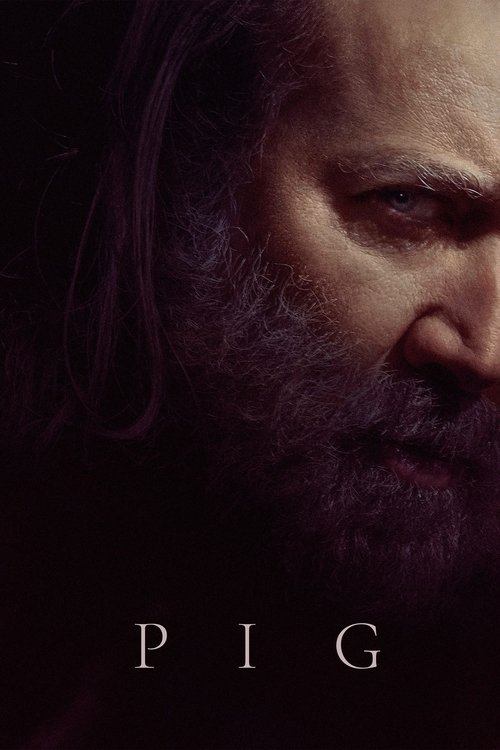
If you walked into the theater in 2021 expecting Nicolas Cage to go full "John Wick" on a bunch of Portland hipsters over a stolen animal, you weren't alone—but you were gloriously wrong. I remember the buzz on social media when the trailer first dropped; it looked like another entry in the "Cage Rage" subgenre, a late-career niche where we all pay to see the man scream while covered in various fluids. Instead, director Michael Sarnoski handed us something so quiet, so tender, and so profoundly human that it felt like a collective "shhhhh" to the entire film industry.
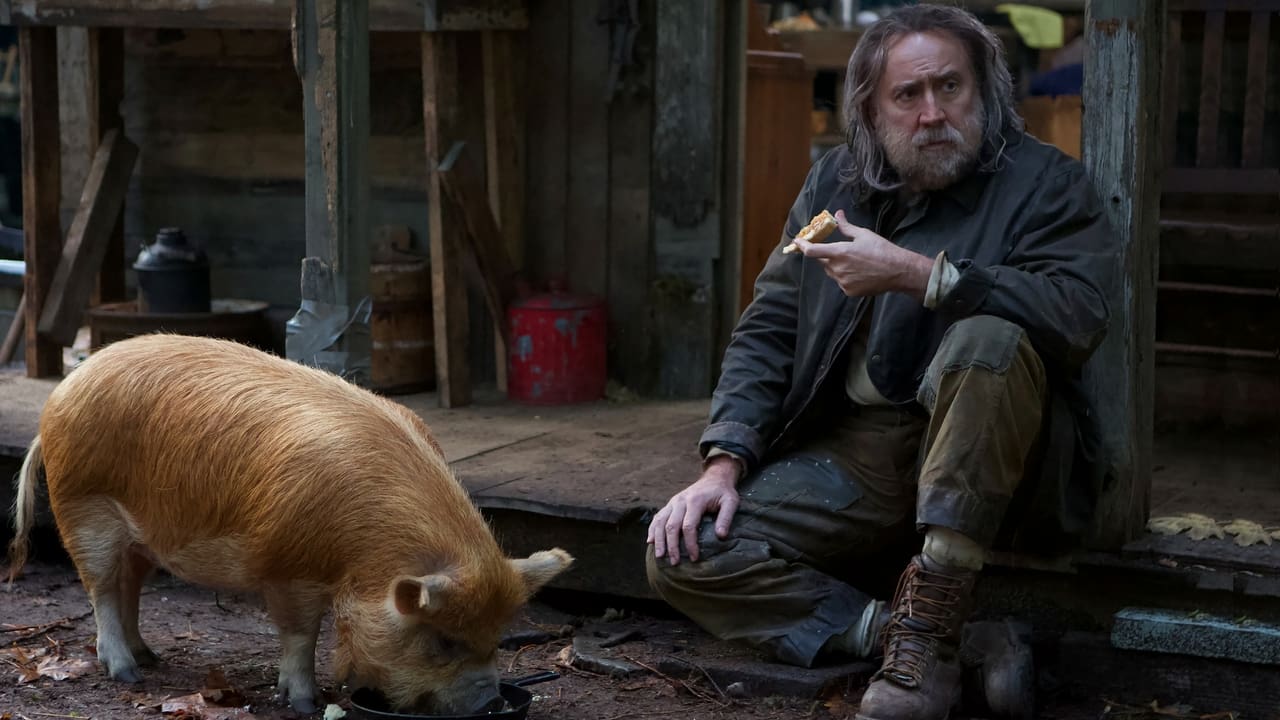
I watched this on a Tuesday night while my neighbor was very loudly practicing the tuba, and honestly, the brassy honking from next door added a weirdly appropriate layer of melancholy to the Oregon woods. It didn't matter. Within ten minutes, I had forgotten about the tuba, my phone, and the "meme-ified" version of Nicolas Cage that has dominated the internet for a decade.
The Art of the Quiet Cage
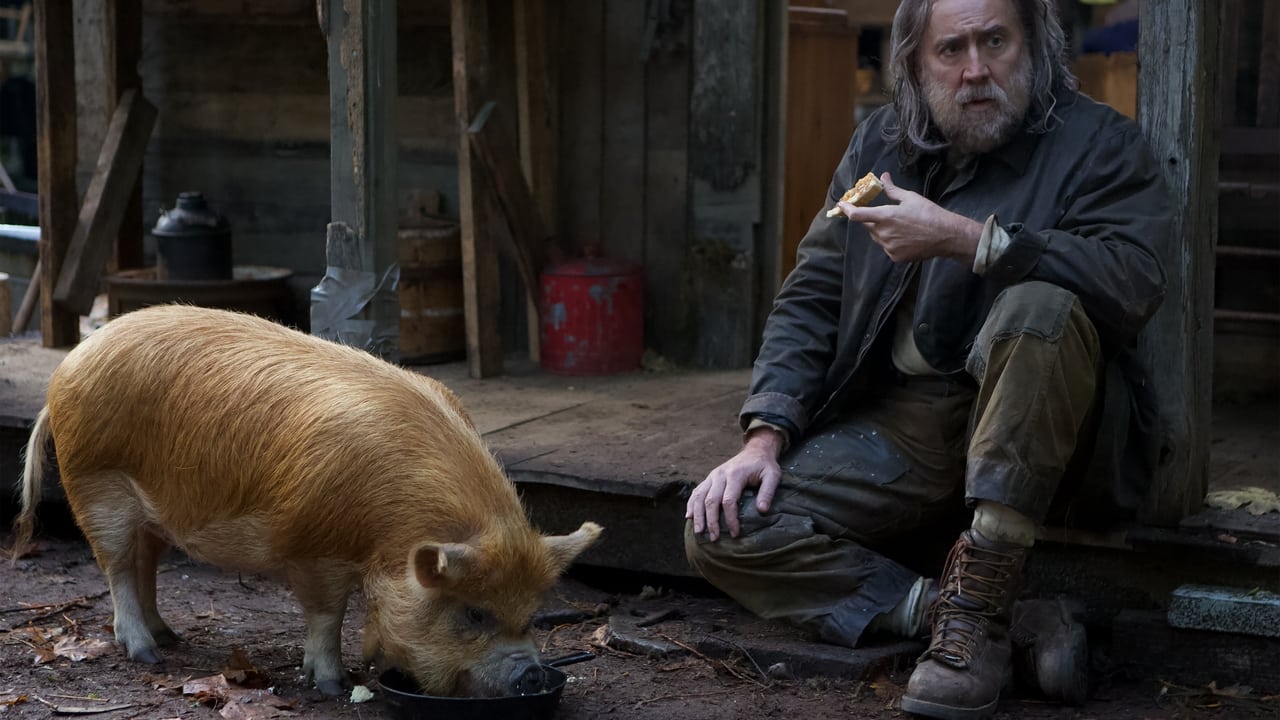
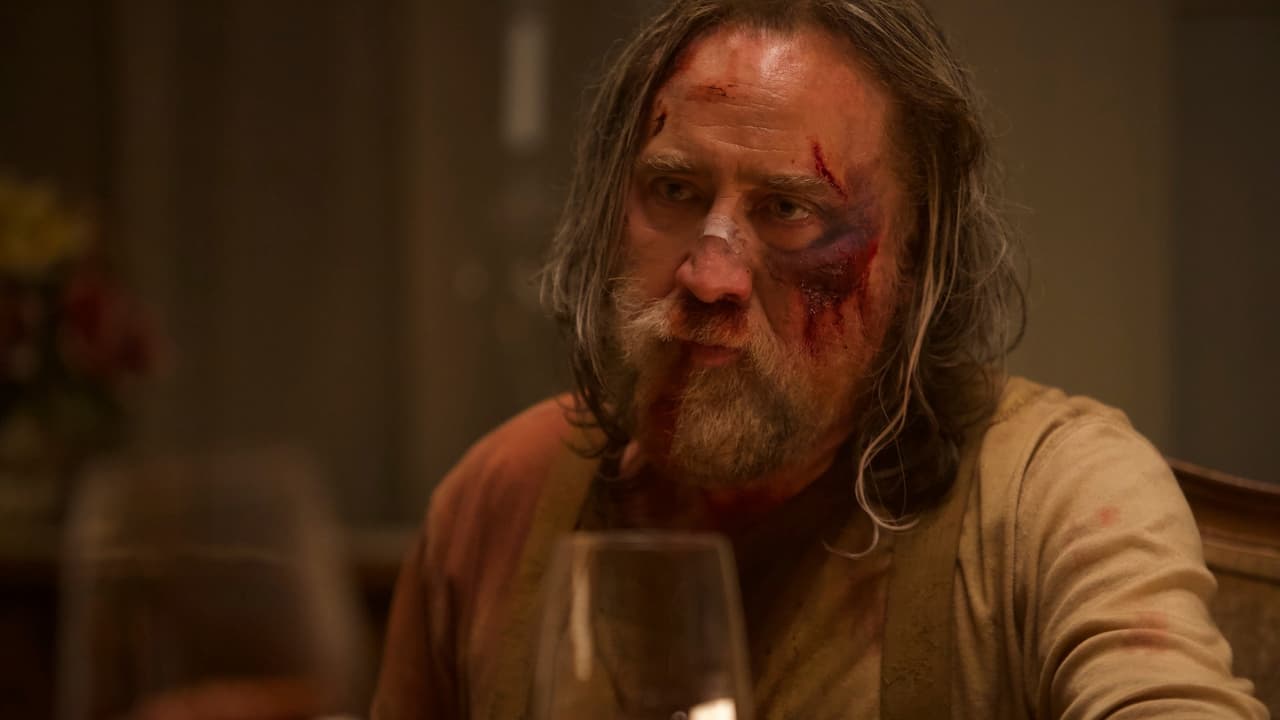
In our current era of franchise dominance and loud, CGI-heavy spectacles, Pig feels like a radical act of rebellion. Nicolas Cage plays Rob, a former superstar chef who has retreated into the Oregon wilderness to hunt truffles with his beloved pig. When the pig is violently stolen, Rob doesn't load a shotgun. He doesn't sharpen a pencil. He just goes to find her.
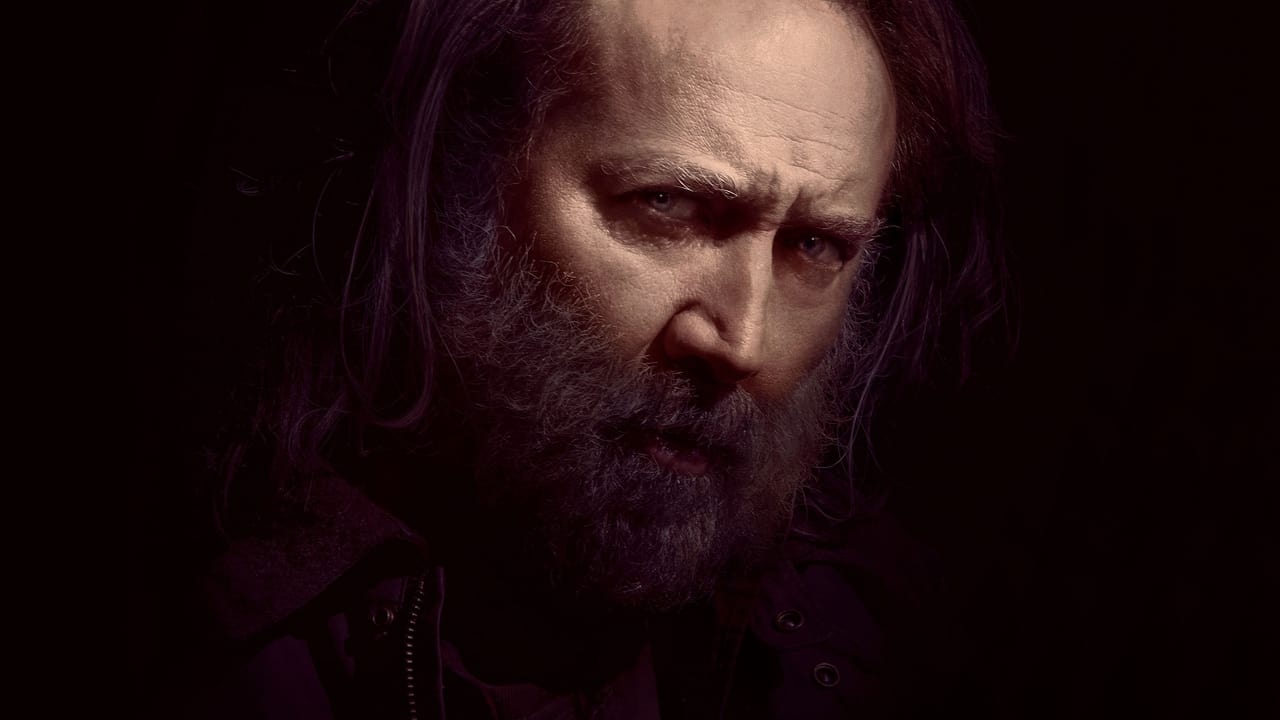
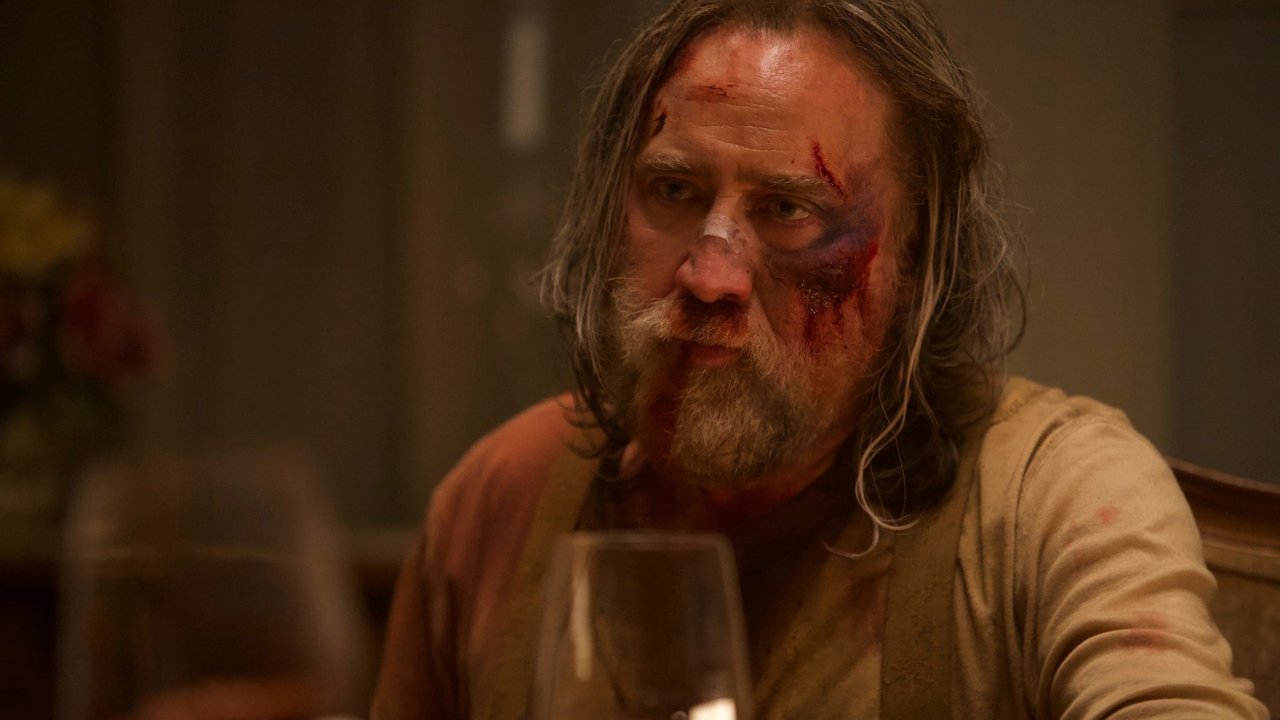
The brilliance of this performance is in the restraint. We’ve grown so used to Cage being the loudest person in the room (think Mandy or Willy’s Wonderland), but here, he is a mountain of silence. He spends most of the film covered in dried blood and dirt, looking more like a ghost than a protagonist. It is the most soulful work he’s done in twenty years, proving he’s still one of the most gifted actors alive when he isn't being asked to steal the Declaration of Independence.
He’s paired perfectly with Alex Wolff (who I’ve been keeping a close eye on since Hereditary), playing Amir, a high-end truffle dealer who tries to mask his insecurity with a yellow Ferrari and a curated playlist of classical music. Their chemistry is a fascinating study in generational friction—the old guard who has lost everything and the new guard who is terrified of losing their status.
Stomping Through the Stumptown Underworld
What I love most about Pig is how it subverts the "revenge thriller" tropes at every turn. Instead of gunfights, we get an underground "fight club" for restaurant workers that is more about the shared trauma of the service industry than actual violence. Instead of a final boss battle, we get the most meaningful conversation about a deconstructed scallop you'll ever hear.
The film takes us into the belly of the Portland culinary scene, and it’s portrayed with a sharp, satirical edge. There’s a scene where Rob confronts a former protégé in a hyper-modern restaurant, and the way he dismantles the chef’s ego—simply by asking him if he’s actually happy cooking "smoke and mirrors" food—is more devastating than any punch. It speaks to our current cultural obsession with "content" over substance, reminding me that whether it’s a film or a dinner, if there’s no heart in it, it’s just calories.
The Indie Hustle
For a movie that feels this expansive in its themes, the production was a masterclass in independent resourcefulness. Sarnoski shot the whole thing in just 20 days on a $3 million budget. To put that in perspective, that’s basically the budget for the "organic kale" budget on a Marvel set.
The behind-the-scenes stories only add to the charm. Apparently, Brandy (the actual pig) wasn’t a trained show animal; she was just a regular pig who apparently bit Nicolas Cage several times during filming. Cage reportedly took it in stride, probably because he’s a man who once bought a haunted mansion and a dinosaur skull—a pig bite is just another Tuesday for him. That raw, unpredictable energy translates to the screen. The bond feels real because the mess is real.
I also have to mention Adam Arkin, who shows up later in the film as Amir’s father. He brings a cold, corporate weight to the story that represents the "industry" side of the world Rob tried to escape. In a time when we see a lot of "legacy sequels" or movies designed by committees to hit certain demographic marks, Pig feels like it was made in a basement by people who actually give a damn.
Pig is a rare gem that manages to be both a critique of modern pretension and a beautiful poem about grief. It’s a film that demands you sit still and actually feel something, which is no small feat in an age of constant scrolling. If you haven't seen it, put down the phone, ignore the tuba players in your life, and let Nicolas Cage break your heart. You won’t regret it.
Keep Exploring...
-
A Quiet Place: Day One
2024
-
Good Time
2017
-
The Wall
2017
-

Searching
2018
-
Run
2020
-
Emily the Criminal
2022
-

Woman of the Hour
2024
-

The Killing of a Sacred Deer
2017
-
Les Misérables
2019
-
The Platform
2019
-
Speak No Evil
2022
-
The Beasts
2022
-
Patriots Day
2016
-
Slow West
2015
-

Son of Saul
2015
-
Miller's Girl
2024
-
10 Cloverfield Lane
2016
-
13 Hours: The Secret Soldiers of Benghazi
2016
-

Before I Wake
2016
-
Money Monster
2016