Raya and the Last Dragon
"Trust is a weapon. Use it wisely."
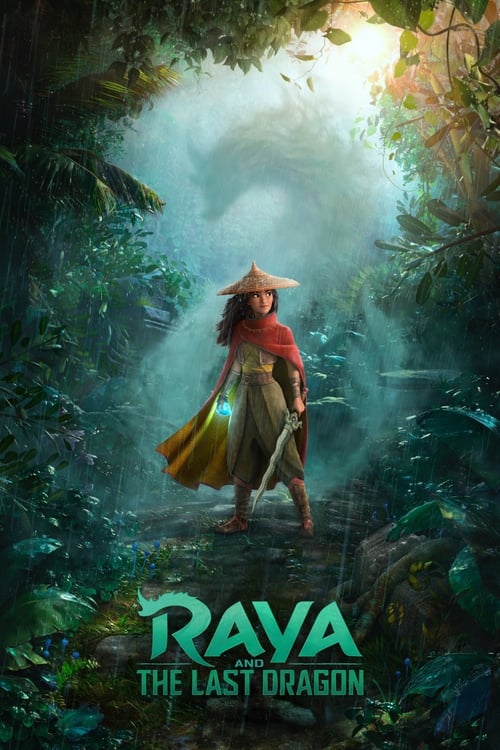
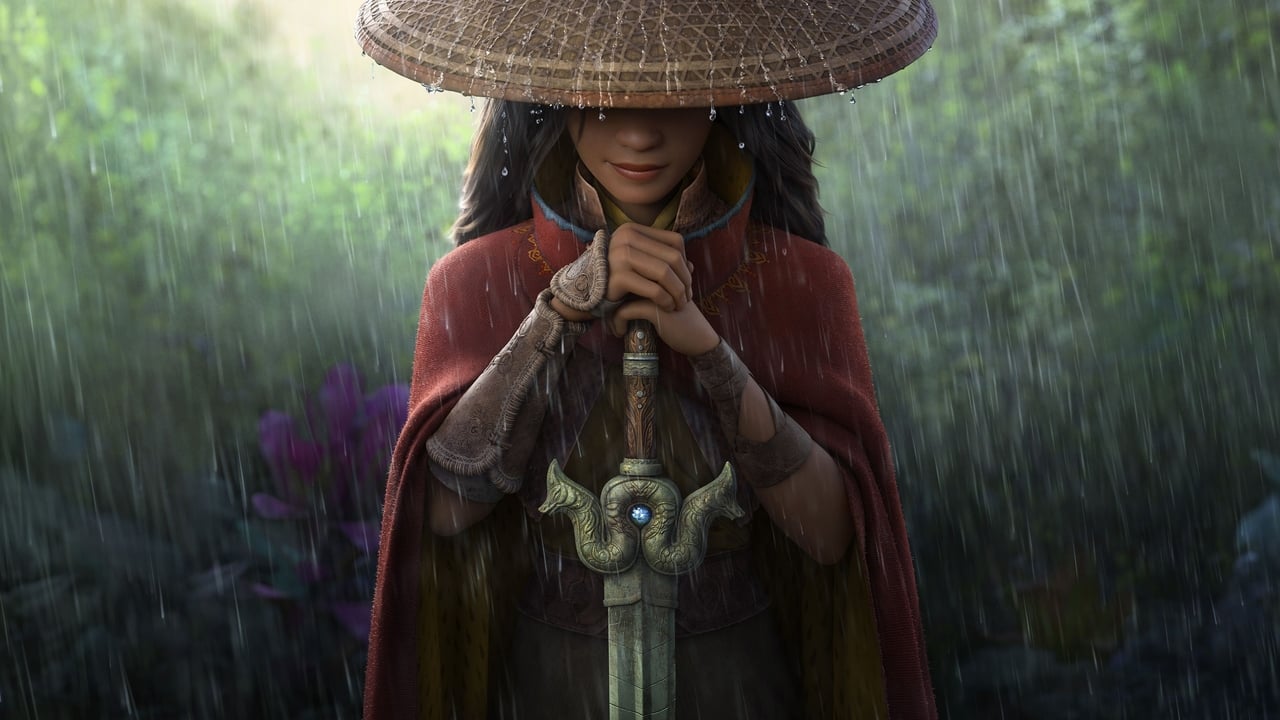
The first time I saw Kelly Marie Tran’s Raya unsheathe her whip-sword, I didn’t think "Disney Princess." I thought "Soulslike protagonist." There is a jagged, desperate edge to Raya and the Last Dragon that feels miles away from the polished ballrooms of the 90s Renaissance. It’s a film where the heroine spends the first ten minutes looking like she’s about to drop-kick a toddler if they look at her dragon-gem the wrong way.
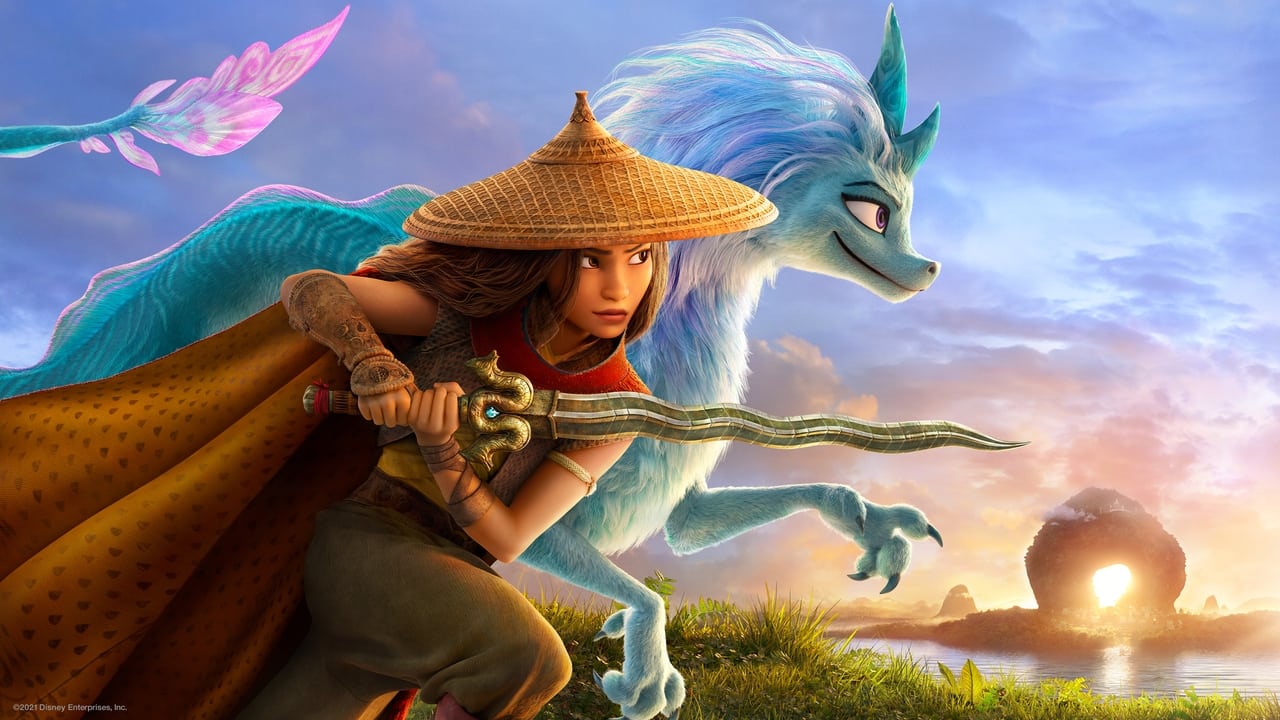
I actually first watched this while my 2021 sourdough starter was slowly dying an acidic death on the kitchen counter—a fitting backdrop for a movie about a world that has literally turned to stone. Released during that awkward mid-pandemic window where Disney was trying to make "Premier Access" a thing, Raya was essentially locked behind a $30 digital velvet rope. Because of that, it never quite had its "Frozen" moment at the box office. But three years later, it’s found its footing as a genuine cult favorite for the 'animation-as-art' crowd who prefer their fairy tales with a side of tactical martial arts.
Swords, Scales, and Stunt Chops
Let’s talk about the movement. Usually, in Western animation, fight scenes are floaty, weightless affairs. Not here. The directors, Don Hall and Carlos López Estrada, clearly handed the keys to co-writer Qui Nguyen, who has a deep background in martial arts. The result is a film that treats its action choreography with the reverence of a John Wick sequel. The fights between Raya and her rival Namaari, voiced with a delightful, simmering menace by Gemma Chan, are grounded in Silat and Arnis. You can practically feel the bruises forming.
The camera doesn't just sit back and watch; it weaves through the marketplace of Talon and the snowy wastes of Spine with a rhythmic intensity that makes the action feel physical. It’s a film that understands that action is character. Namaari’s rigid, disciplined stance tells you everything about her loyalty to her mother, just as Raya’s scrappy, improvisational style reflects her life as a scavenger on the run. When they clash, it isn't just a spectacle; it’s a philosophical debate settled with cold steel.
The Awkwafina Anomaly
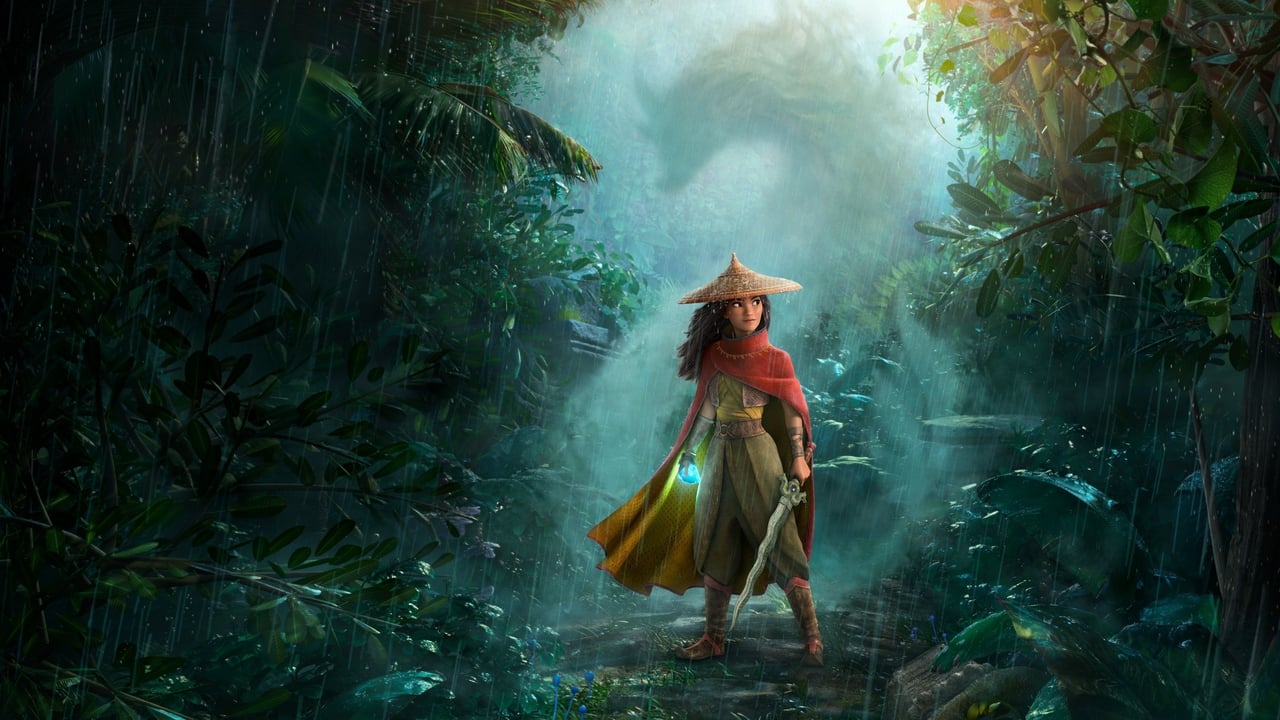
Then there’s Sisu. If you’re a fan of Awkwafina, you’ll find her performance as the legendary last dragon to be a neon-colored joy. If you’re not... well, she’s a lot. She plays Sisu as a self-deprecating, slightly frantic aunt who accidentally ended up with god-like powers. It’s a risky tonal shift. You have Raya walking through a post-apocalyptic wasteland where her father has been turned into a statue, and then you have a furry blue dragon making jokes about group projects.
But the contrast is actually the point. In an era where most franchise films are leaning into "gritty realism," Raya uses Sisu to inject a radical, almost naive optimism back into the frame. Sisu’s power isn't her ability to breathe fog or glow; it’s her refusal to believe the worst about people. In our current climate of "doom-scrolling" and social media tribalism, there’s something genuinely challenging about a film that suggests blind trust is the only way to fix a broken world. It’s a message that feels uncomfortably relevant in the post-2020 landscape.
A Masterpiece Recorded in Closets
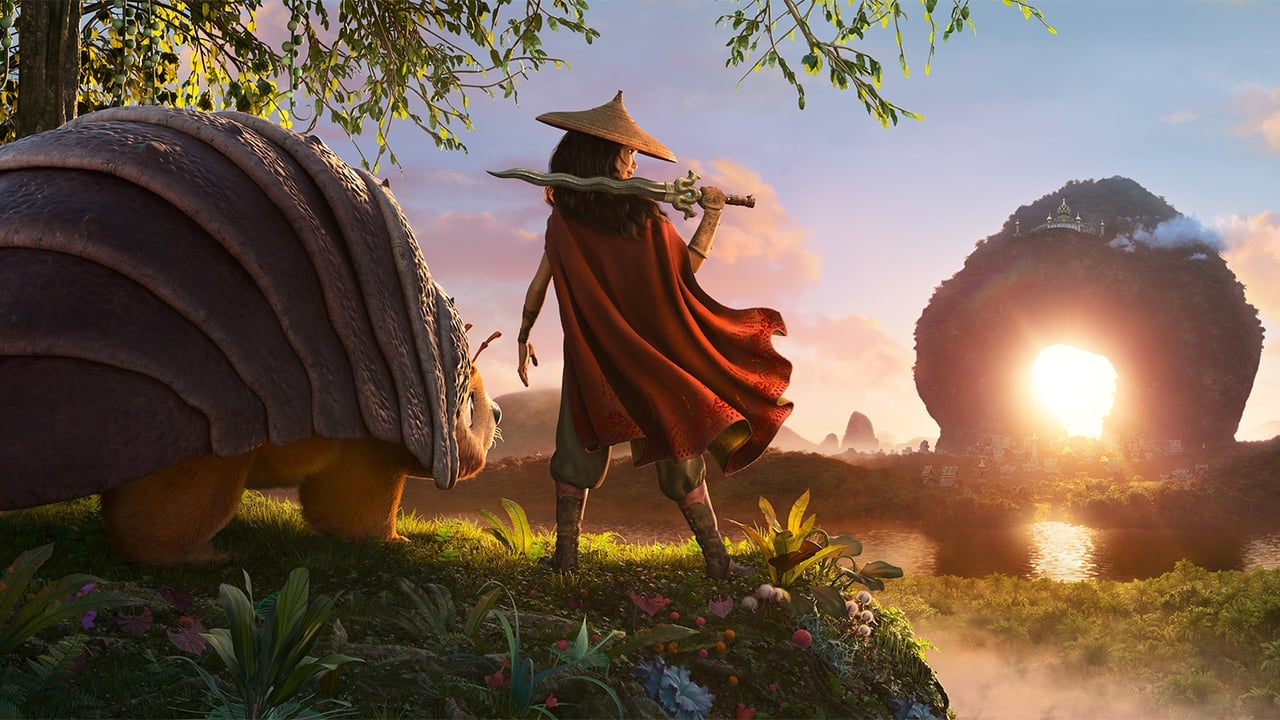
The production history of this film is a bit of a miracle. This was one of the first major features to be finished entirely from the homes of the animators and cast during the height of the COVID-19 lockdowns. Benedict Wong, who voices the hulking but soft-hearted Tong, reportedly recorded his lines in a makeshift booth made of blankets and pillows. You’d never know it. The visual fidelity here is staggering. The way the water moves—and water is a massive thematic element here—shows off a level of CGI rendering that makes the 2010s look like the Stone Age.
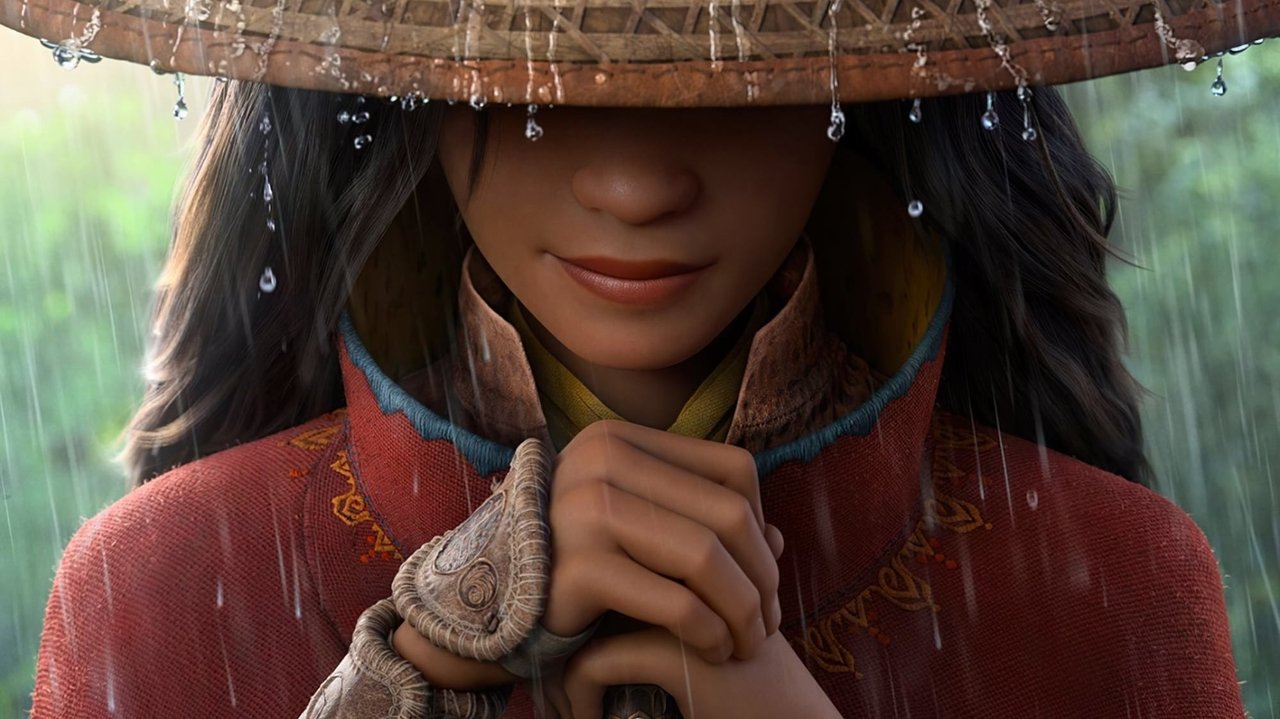
It’s also worth noting the "cult" status this film has earned within the Southeast Asian community. While some critics initially picked apart the "mush" of different cultures into the fictional Kumandra, the film has aged into a beloved piece of representation. It doesn't treat its setting as an exotic backdrop, but as a lived-in world of spicy shrimp congee and intricate textiles. The "stuff you didn't notice" crowd has had a field day cataloging the specific weapons and architectural nods hidden in the background of the Five Lands.
Ultimately, Raya and the Last Dragon is basically Mad Max: Fury Road for the elementary school set. It’s a road movie about a girl, her giant pill-bug (the iconic Tuk Tuk, voiced by the legendary Alan Tudyk), and the realization that you can't save the world alone. It avoids the easy "evil villain" trope, choosing instead to focus on how fear and grief turn neighbors into enemies. It’s smart, it’s surprisingly tough, and it features the best hair physics in the history of the medium. If you skipped it because of the $30 price tag three years ago, it’s time to finally pay your respects to the dragon.
Keep Exploring...
-
Strange World
2022
-
Kung Fu Panda 4
2024
-
The Boy and the Beast
2015
-

The Little Prince
2015
-

How to Train Your Dragon
2025
-
The Sea Beast
2022
-
Nimona
2023
-
Spies in Disguise
2019
-
Onward
2020
-
Trolls World Tour
2020
-

Jungle Cruise
2021
-
Luca
2021
-
How to Train Your Dragon: Homecoming
2019
-
Justice League Dark: Apokolips War
2020
-
Miraculous: Ladybug & Cat Noir, The Movie
2023
-
Kubo and the Two Strings
2016
-
Big Hero 6
2014
-

My Hero Academia: Two Heroes
2018
-
The Seven Deadly Sins: Prisoners of the Sky
2018
-
My Hero Academia: Heroes Rising
2019