Reminiscence
"The past is a dangerous place to live."
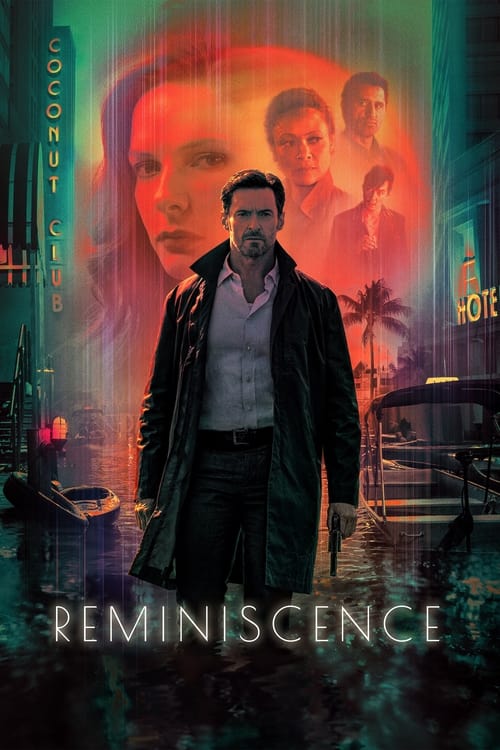
Miami is underwater, the sun is a lethal enemy that has forced humanity into a nocturnal existence, and everyone is high on the ultimate drug: their own nostalgia. This is the stage for Reminiscence, a film that arrived in 2021 with the pedigree of a blockbuster and the soul of a dusty 1940s paperback. I watched this for the first time on a humid Tuesday night while trying to eat a bowl of cereal that had gone tragically soggy because I got distracted by the opening shot of a submerged city—it felt appropriately damp for the experience.
It’s rare to see a $68 million "original" sci-fi film these days that isn't tethered to a comic book or a toy line. Director Lisa Joy, best known for co-creating the brain-melting Westworld, attempts to marry the "memory-tech" tropes of Inception (directed by her brother-in-law Christopher Nolan) with the rain-slicked cynicism of The Maltese Falcon. The result is a gorgeous, frequently clunky, but undeniably fascinating artifact of the early 2020s streaming-wars era.
A Noir Future Drowning in Itself
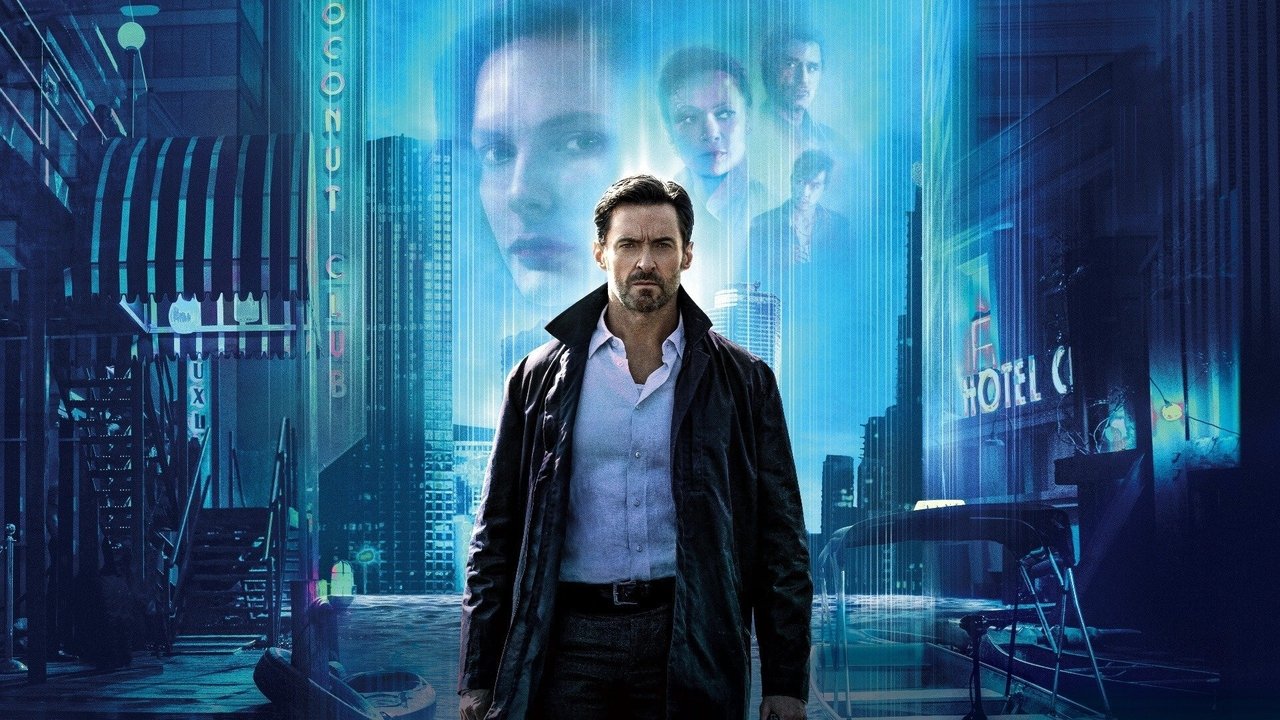
Hugh Jackman plays Nick Bannister, a man who looks like he’s been sleeping in his waistcoat and carries the weary gravitas of a guy who has seen too many people's private moments. He runs a business where people pay to be dunked in a sensory deprivation tank to relive their happiest memories. It’s a grimly relatable premise for our current moment; in a world of climate anxiety and political polarization, who wouldn't want to pay a few bucks to sit in 2005 for an hour?
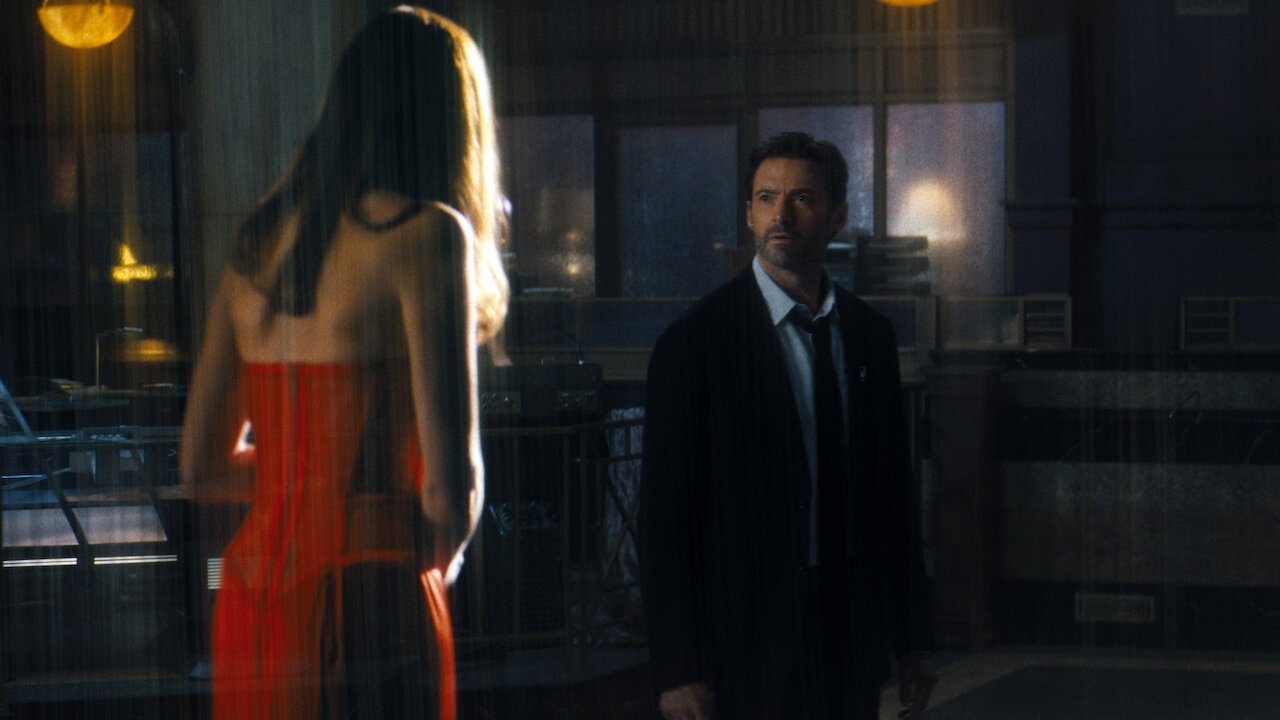
The plot kicks into gear when a mysterious woman named Mae, played with a shimmering, classic-Hollywood allure by Rebecca Ferguson, walks into his office asking to find her lost keys. Of course, it’s never just about the keys. What follows is a descent into a conspiracy involving land barons, drug lords like Saint Joe (Daniel Wu), and a corrupt cop played by the always-reliable Cliff Curtis.
The world-building here is the film's strongest suit. The visual of a flooded Miami where the wealthy live on "dry land" behind massive levees while the poor wade through knee-deep tides is striking. It’s a literalization of class divide that feels uncomfortably prescient. Paul Cameron’s cinematography captures this with a mix of amber-hued nostalgia and cold, oceanic blues. It’s a "vibe" movie in the truest sense—if you're willing to ignore some of the more aggressive voiceover narration that sounds like Jackman is auditioning for a gritty truck commercial.
The Westworld DNA and the Memory Machine
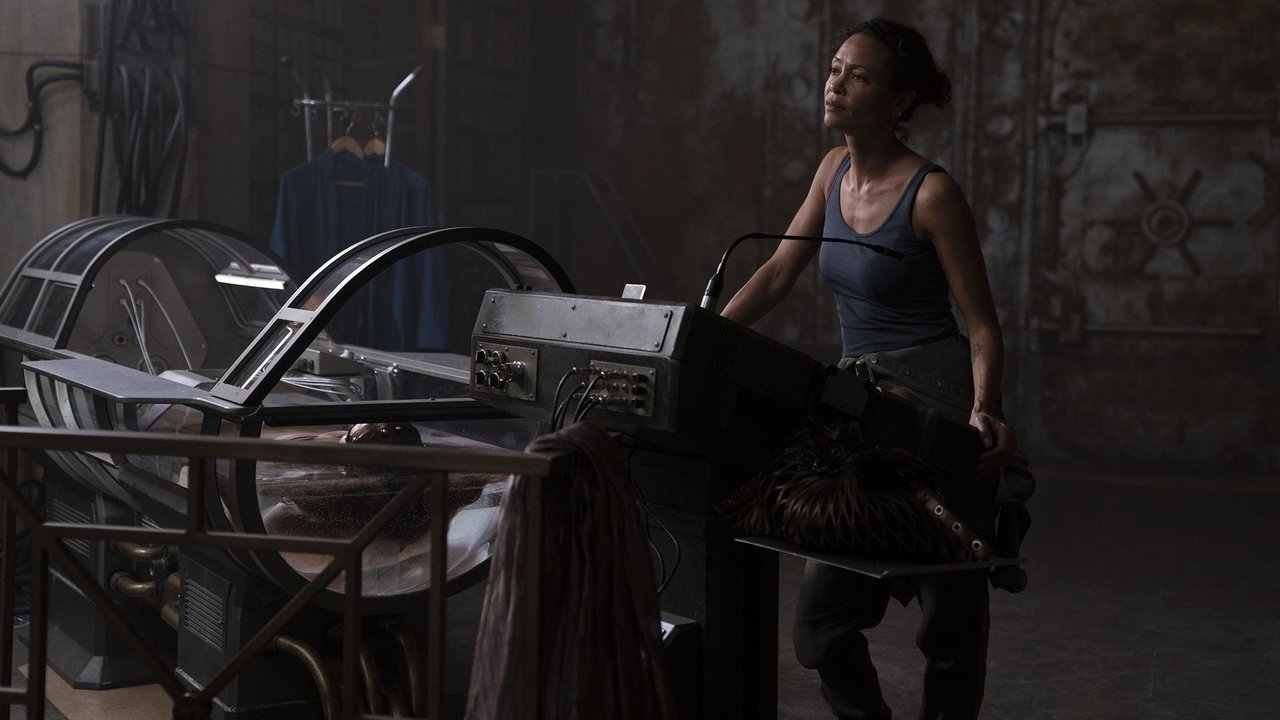
If you’ve seen Westworld, you’ll recognize the fingerprints of Lisa Joy everywhere. There’s a certain clinical elegance to the way the sci-fi elements are handled. The "Reminiscence" machine itself doesn't use a screen; it uses a 3D holographic stage made of light threads. It’s a beautiful practical effect (or at least a very convincing digital one) that makes the memories feel like ghost stories happening in real-time.
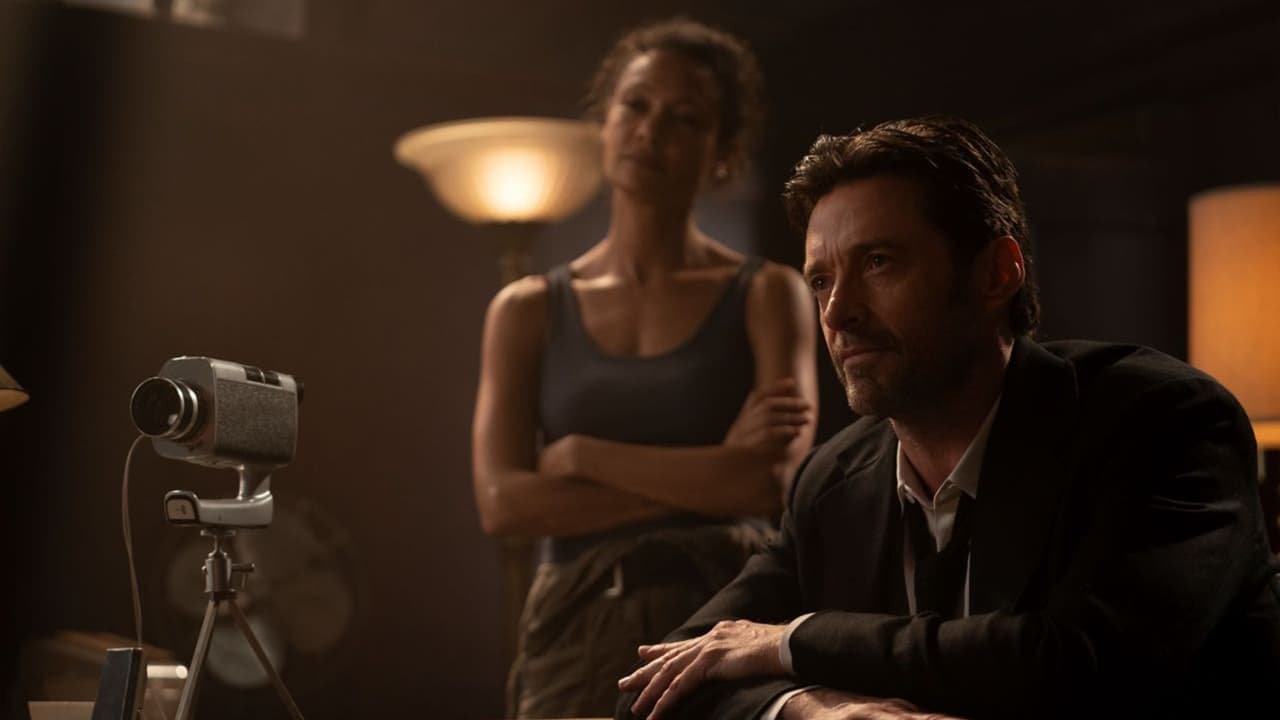
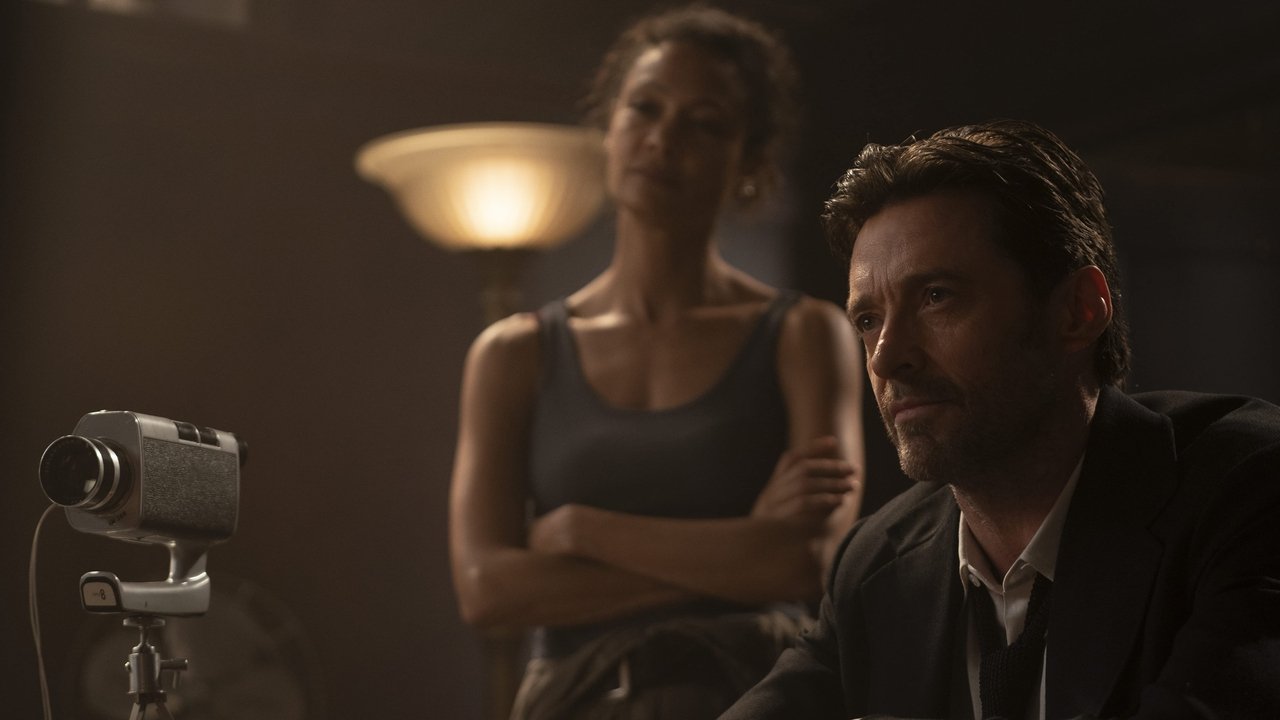
Thandiwe Newton provides the film’s emotional anchor as Emily 'Watts' Sanders, Nick’s business partner and a fellow war veteran. While Hugh Jackman is busy pining after a femme fatale, Newton is doing the heavy lifting, portraying a woman struggling with her own alcoholism and a buried past. Her chemistry with Jackman feels lived-in and weary, providing a necessary counterweight to the heightened, almost operatic romance between Nick and Mae.
However, the film often struggles with its own dialogue. It’s written in "Noir-Speak," which means characters don't just talk; they deliver monologues about time being a river and the past being a predator. Sometimes it lands with a poetic punch; other times, it feels like the movie is trying way too hard to be the smartest person in the room. It’s a film that demands you buy into its melodrama completely, or the whole thing starts to feel a bit silly.
Why This $68 Million Movie Vanished
Reminiscence is a fascinating case study in the "Pandemic Release" era. It was one of the many films caught in the Warner Bros. 2021 strategy of releasing movies simultaneously in theaters and on HBO Max. This "day-and-date" approach, combined with a lukewarm critical reception, essentially sent the film to an early grave. It grossed less than $19 million globally, making it one of the biggest box office "bombs" of its year.
But does a bad box office mean a bad movie? Not necessarily. Reminiscence is what I call a "Middle-Tier Gem"—the kind of movie that isn't a masterpiece but is vastly more interesting than the fifth sequel to a superhero franchise. It’s a "forgotten oddity" because it didn't have a built-in fanbase, and its slow-burn, detective-story pacing didn't exactly scream "must-see" to a public just emerging from lockdowns.
The score by Ramin Djawadi is, as expected, haunting and lush, tying the whole atmospheric package together. It’s a movie for people who miss the days when studios would throw millions of dollars at a director’s weird, atmospheric sci-fi pitch just to see if it stuck. It’s a film about the danger of looking back, released at a time when we were all doing exactly that.
Ultimately, Reminiscence is a noble failure that’s well worth a look for any sci-fi completist. It’s a movie that values atmosphere over airtight logic, and while it might get bogged down in its own "Nolan-lite" pretensions, the central performances and the stunning production design kept me hooked until the final tide came in. It’s a reminder that even when the big-budget swings miss the mark, they’re often more memorable than the safe bets. If you’re in the mood for a wet, neon-soaked mystery and can handle some heavy-handed metaphors, dive in.
Keep Exploring...
-
Hypnotic
2023
-
2:22
2017
-
The Discovery
2017
-

Anon
2018
-
Mute
2018
-
Color Out of Space
2020
-
Life
2017
-
The Void
2016
-
High Life
2018
-

The Room
2019
-

The Call
2020
-
Risen
2016
-

A Cure for Wellness
2017
-
What Happened to Monday
2017
-
The Vast of Night
2019
-

Don't Worry Darling
2022
-

Monster Trucks
2016
-
Spectral
2016
-

Scoob!
2020
-
Amsterdam
2022