Shang-Chi and the Legend of the Ten Rings
"The best fight in the MCU happens on a bus."
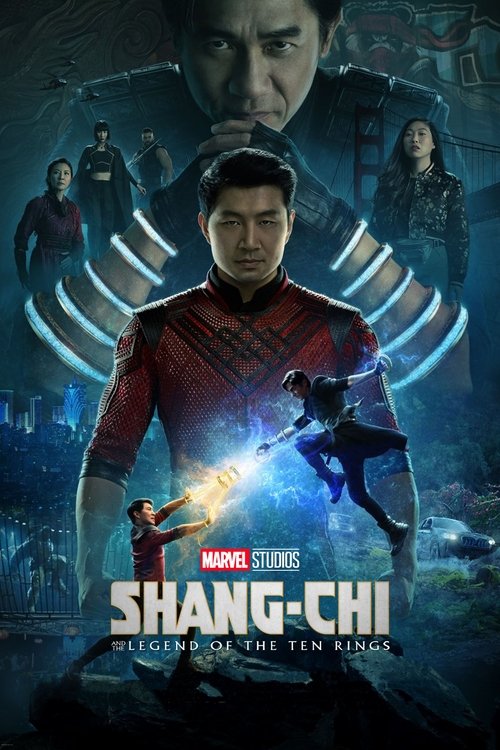
I remember sitting in a half-empty theater in 2021, masked up and clutching a bag of lukewarm popcorn, wondering if the "Marvel Magic" was finally starting to evaporate. We were deep into the post-pandemic cinema shuffle, and the franchise felt like it was wobbling under the weight of its own "Phase 4" expectations. Then, a guy in a red jacket hit a button on his phone, "ndfs" by Rich Brian started pumping through the speakers, and Simu Liu proceeded to dismantle a group of assassins on a runaway San Francisco bus using nothing but a jacket and some physics-defying footwork.
Halfway through that sequence, my left shoe lace came untied, and I didn't even bother to fix it for the rest of the movie—I was too busy realizing that Marvel had finally remembered how to make action feel like a physical, rhythmic dance rather than just a digital blur.
Wuxia Magic in a CGI World
Shang-Chi and the Legend of the Ten Rings arrived at a strange crossroads. It had to introduce the MCU’s first Asian lead, navigate a world where Disney was feuding with its stars over streaming releases, and prove that superhero movies could still offer something fresh. It succeeded by looking backward—specifically toward the golden age of Hong Kong action cinema and the ethereal beauty of wuxia.
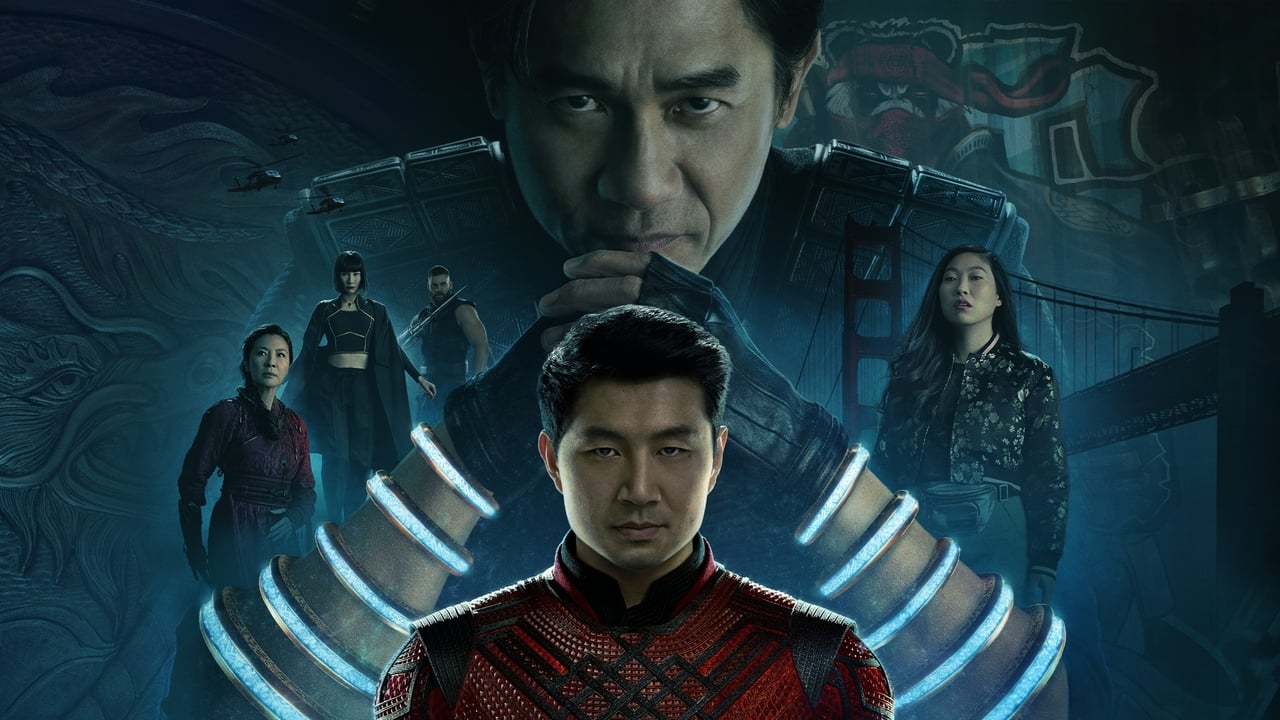
The film follows Shaun (played with effortless "guy next door" charisma by Simu Liu, previously known for Kim’s Convenience), a valet who is actually the runaway son of a thousand-year-old warlord. When his father’s past catches up to him, Shaun—or Shang-Chi—is dragged back into a family drama involving his estranged sister Xialing (Meng'er Zhang) and his chaotic best friend Katy (Awkwafina).
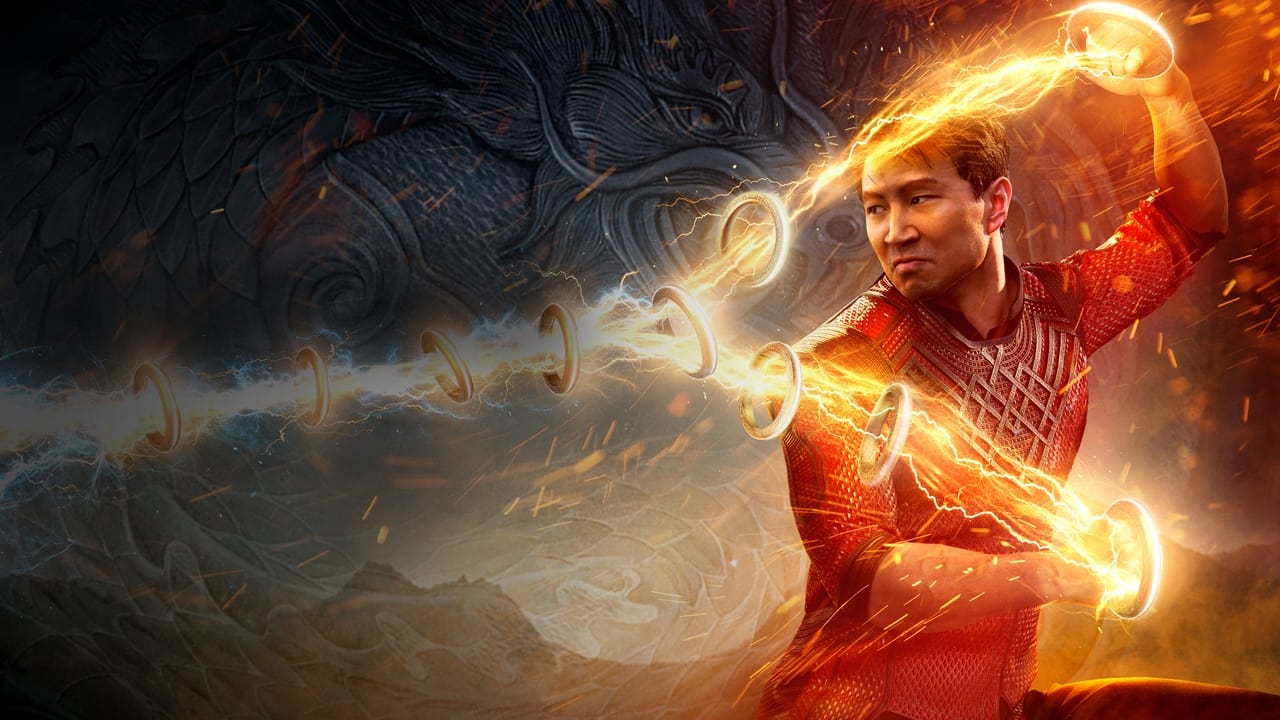
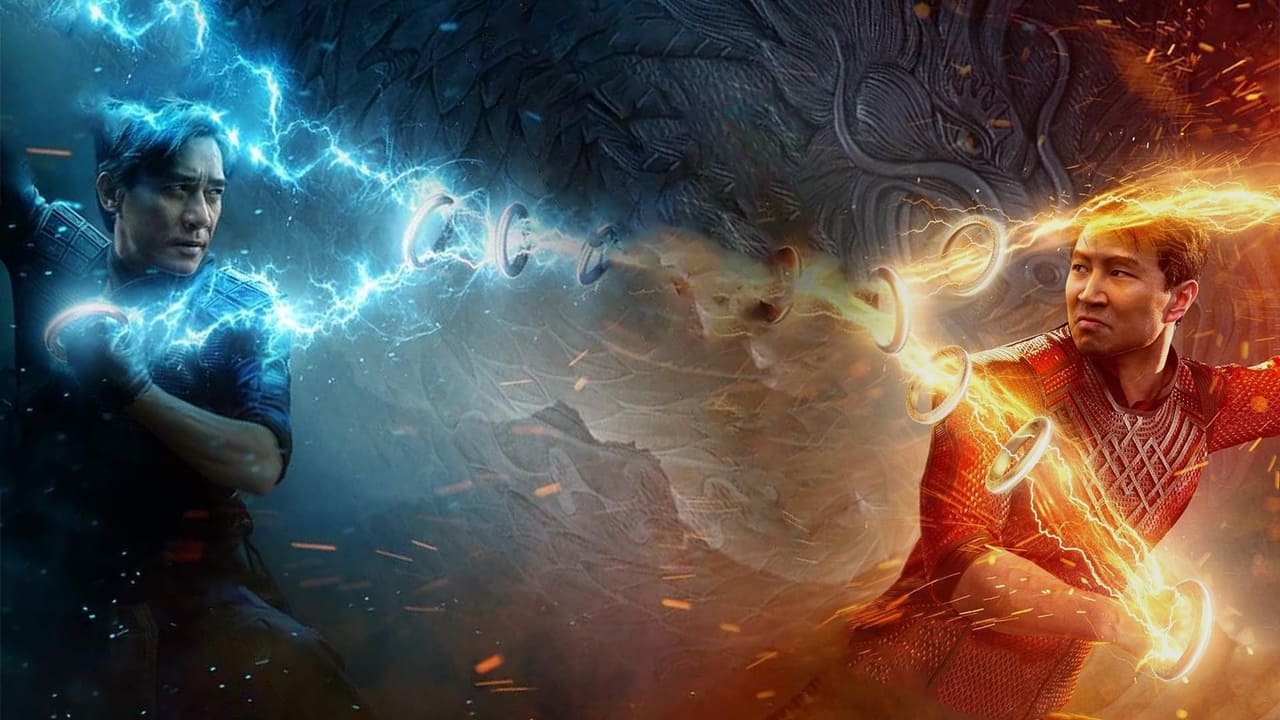
The standout element here isn't the superpower rings; it’s the choreography. Directed by Destin Daniel Cretton (Short Term 12), the film pays homage to the kinetic energy of Jackie Chan movies. This isn't an accident. The late, great Brad Allan—a legend from the Jackie Chan Stunt Team—served as the supervising stunt coordinator. You can feel his fingerprints on every punch. The scaffolding fight in Macao is a masterclass in using vertical space, and the opening forest duel between Tony Leung Chiu-wai and Fala Chen is so graceful it feels more like a romance than a battle.
The Villain Who Broke the Mold
We need to talk about Tony Leung Chiu-wai. In an era where many franchise villains are just "evil mirrors" of the hero or purple space-gods with vague motivations, Leung brings a devastating, soulful gravity to Xu Wenwu. He is easily one of the top three villains the MCU has ever produced, largely because he doesn't think he’s a villain. He’s just a man who has lived too long and loved too much, blinded by a grief that spans centuries.
Leung is a titan of world cinema—if you haven't seen him in In the Mood for Love or Hard Boiled, stop reading this and go fix your life—and he treats this "superhero movie" with the same prestige he’d give a Wong Kar-wai drama. His presence elevates the entire production. When he looks at the Ten Rings, you don't see a weapon; you see a burden. The third act dragon fight is actually the least interesting part of an otherwise grounded movie, purely because it takes the focus away from the intimate, heartbreaking face-off between a father and his son.
The "Cult" DNA of a Blockbuster

While Shang-Chi was a box office success, it has developed a specific, passionate following that treats it with the reverence of a cult classic. This stems from its deep-cut connections and behind-the-scenes lore. For instance, the return of Ben Kingsley as Trevor Slattery from Iron Man 3 was a stroke of genius. It took a widely hated plot twist from 2013 and turned it into a bizarre, delightful redemption arc. Trevor and his faceless "butt-chicken" companion, Morris, provide a weirdness that feels more like a cult 80s fantasy flick than a corporate product.
Then there’s the "Tweet that started it all." In 2014, Simu Liu famously tweeted at Marvel, "Hey @Marvel, good job with Captain America and Thor. Now how about an Asian American hero?" Five years later, he was standing on the stage at Comic-Con. That meta-narrative of a fan literally manifest-destinying his way into the lead role has endeared the film to a generation of social-media-savvy viewers.
Shang-Chi works because it feels like it has a soul. In a decade defined by franchise fatigue, it stands out by prioritizing character-driven action and genuine cultural texture over hollow "universe-building." It’s a film about how we carry our parents' legacies—the good and the bad—without letting them crush us.
I walked out of the theater that day with my shoe still untied, feeling a genuine spark of excitement for where movies were going next. It’s a rare feat for the 25th film in a franchise to feel like a breath of fresh air, but by blending the spirit of old-school martial arts with modern emotional stakes, Shang-Chi didn't just outrun its destiny—it punched its way into the top tier of modern action cinema.
Keep Exploring...
-
Mortal Kombat
2021
-
Raya and the Last Dragon
2021
-
Pokémon Detective Pikachu
2019
-

Jungle Cruise
2021
-
Zack Snyder's Justice League
2021
-
The Northman
2022
-
Damsel
2024
-
Kung Fu Panda 4
2024
-
Doctor Strange
2016
-
Jumanji: Welcome to the Jungle
2017
-

Kong: Skull Island
2017
-
Wonder Woman
2017
-
Aquaman
2018
-
Mulan
2020
-
Doctor Strange in the Multiverse of Madness
2022
-
Aquaman and the Lost Kingdom
2023
-

Transformers: Rise of the Beasts
2023
-

How to Train Your Dragon
2025
-

The Legend of Tarzan
2016
-
Warcraft
2016