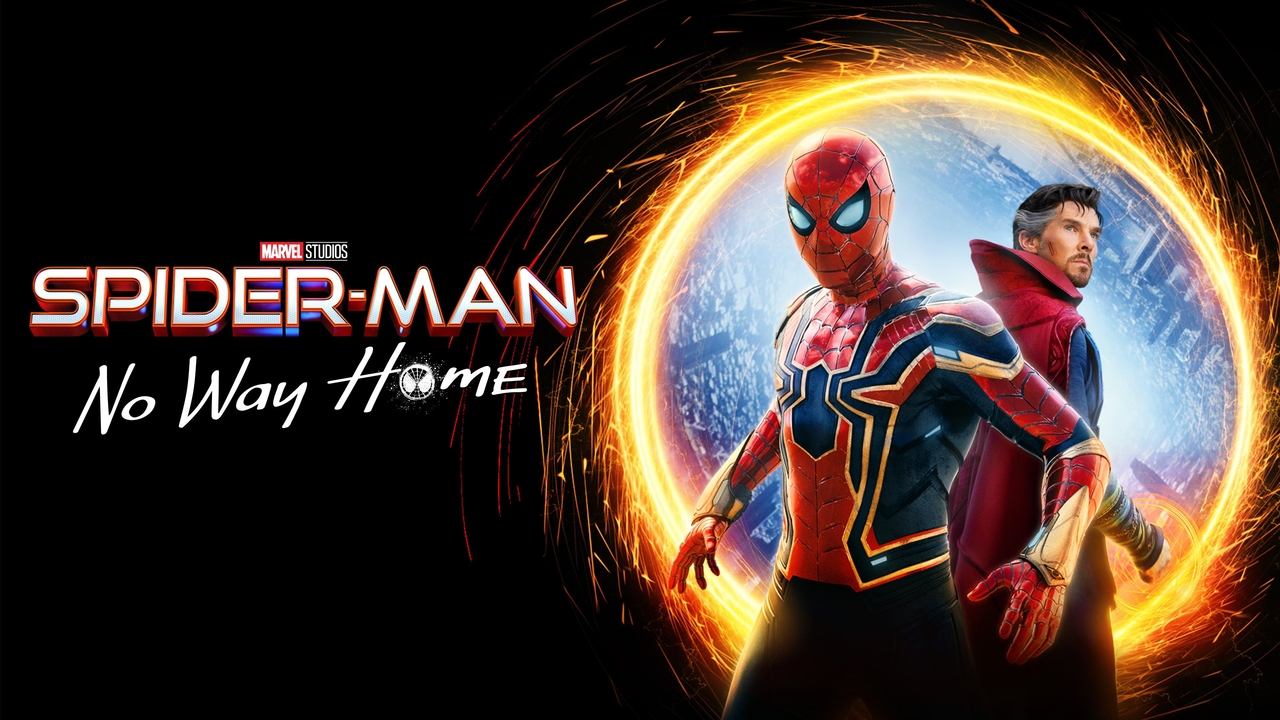
Spider-Man: No Way Home
"A chaotic, heart-wrenching collision of nostalgia that somehow saves the theatrical experience."
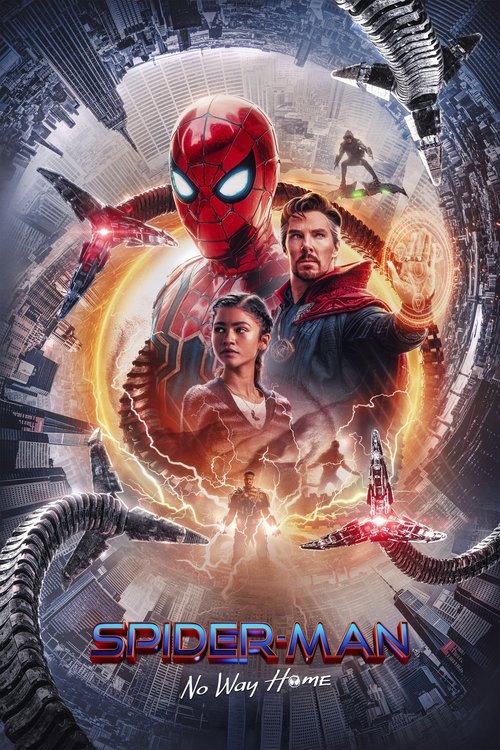
Forget the "Spidey-Sense"—the most impressive thing about this movie was the absolute omertà required to keep its secrets, even if the internet failed miserably at it. I remember sitting in the theater on opening night, wearing a face mask that was slightly too small and made my ears pop every time Peter Parker made a bad decision, yet feeling a collective electricity in the room that I hadn’t felt since 2019. This wasn't just a movie; it was a $200 million survival signal for the big screen. In an era where we were all getting a bit too comfortable on our couches, Tom Holland and company gave us a reason to actually put on pants and go to the cinema.
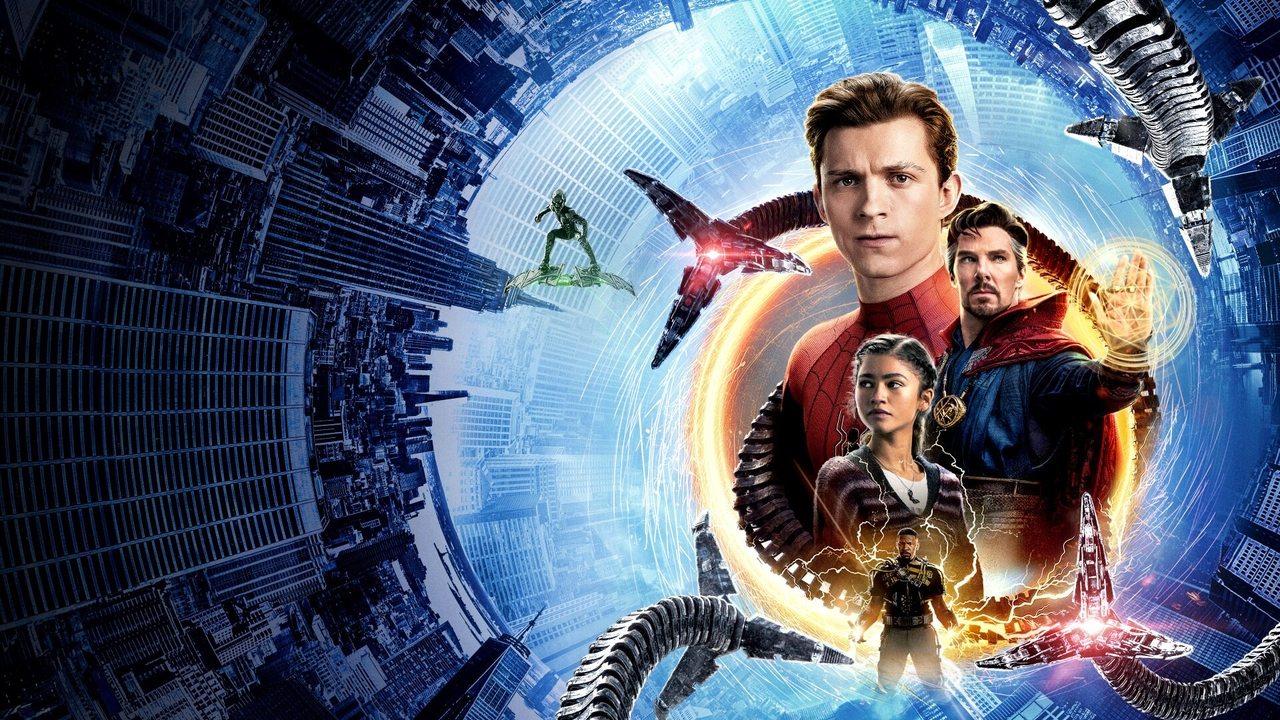
The Logistics of a Multiversal Miracle
The plot picks up exactly where Far From Home left us—Peter Parker’s identity is outed, and his life is a dumpster fire. My heart genuinely went out to Tom Holland, who manages to play "terrified teenager" better than anyone else in Hollywood. He’s joined by Zendaya (so good in Dune and Euphoria) and Jacob Batalon, who provide the emotional tether that keeps this movie from floating away into pure CGI-land. When Peter asks Doctor Strange (Benedict Cumberbatch, fresh off The Power of the Dog) to cast a memory-wiping spell, things go sideways in the most expensive way possible.
What’s fascinating about this production is the sheer scale of the logistical nightmare. The film was shot under rigorous COVID protocols (codenamed "Serenity Now" to throw off prying eyes), which makes the chemistry between the cast even more impressive. You’d never know they were frequently separated by six feet or acrylic screens between takes. Director Jon Watts—who went from the indie grit of Cop Car to managing this behemoth—somehow keeps the focus on Peter’s moral compass even as the sky literally begins to crack open.
Physics, Punches, and Practicality
As an action junkie, I have to talk about the choreography. The bridge fight with Doc Ock (Alfred Molina) is a masterclass in spatial awareness. Back in 2004’s Spider-Man 2, Molina was manipulated by actual mechanical rigs; here, the tentacles are digital, but the weight feels real. Apparently, Molina was worried about the de-aging tech, but he looks exactly as I remembered him, and his performance hasn't lost an ounce of that tragic gravitas.
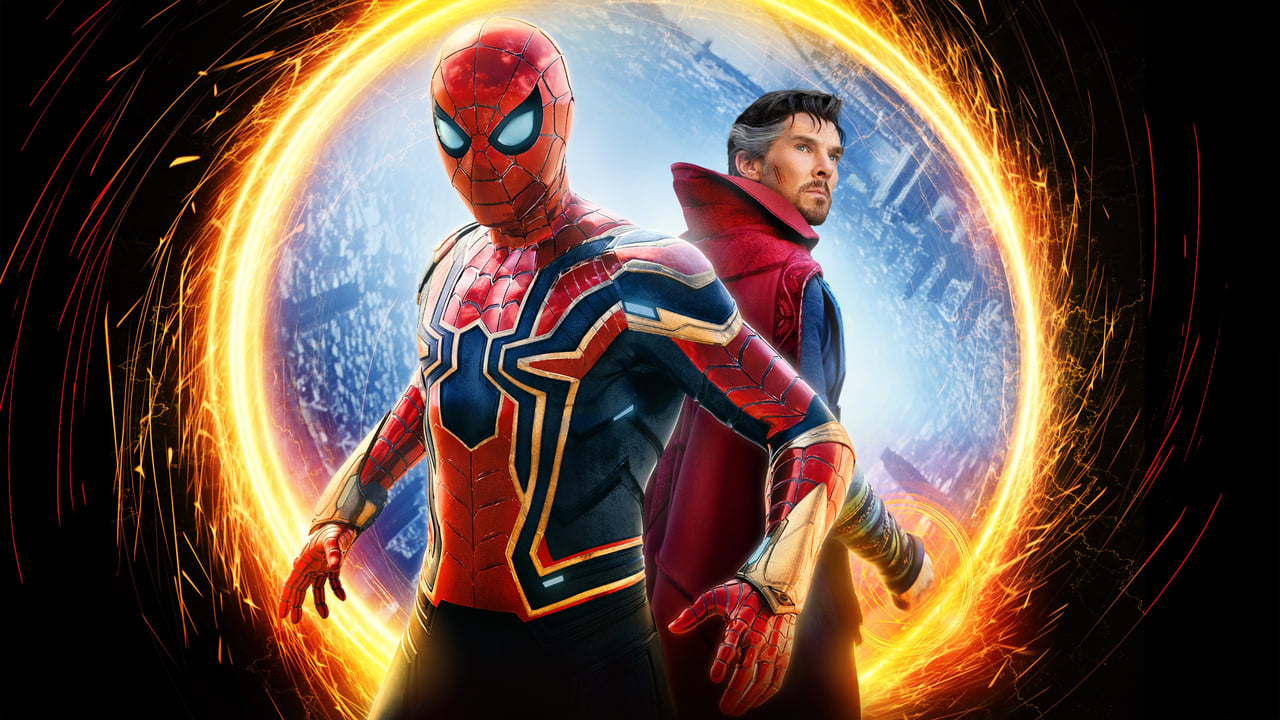
Then there’s Willem Dafoe as the Green Goblin. Can we talk about this man? At 66 years old, Dafoe reportedly insisted on doing his own stunts. You can feel that physicality in the fight at Happy Hogan’s (Jon Favreau) apartment. It’s brutal, messy, and lacks the sanitized "superhero" feel we’ve grown used to. When Peter is slamming him through floors, it’s not just a fight; it’s a character breakdown. The sound design here—the crunch of drywall, the cackle of the Goblin—is bone-chilling. It’s basically a high-budget therapy session for three decades of cinema-goers.
The Mirror Dimension chase between Spidey and Strange is another highlight. It borrows the kaleidoscopic visuals of the first Doctor Strange but applies them to a high-speed pursuit that feels like a geometry textbook had a fever dream. It’s one of the few times I’ve seen CGI used not just to show something "cool," but to fundamentally change the way an action sequence functions.
More Than Just a Meme
There was a lot of talk about "franchise fatigue" leading up to this. After dozens of MCU entries, do we really need more? But No Way Home feels like a response to that skepticism. It leverages the "Legacy Sequel" trend—the same one that brought us Top Gun: Maverick—to do something genuinely meaningful. It doesn't just bring back old villains like Jamie Foxx's Electro for a cheap pop; it tries to "fix" them. It’s a redemptive arc for the entire history of Spider-Man cinema.
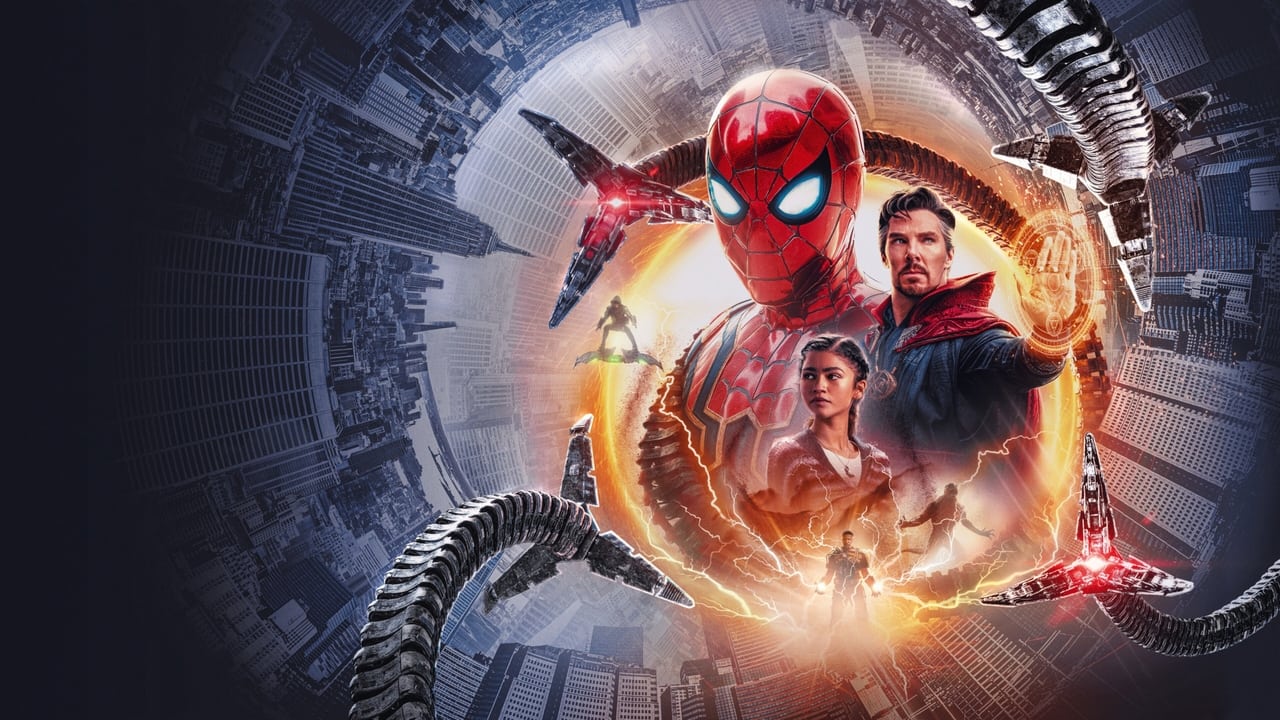
The box office reflects that hunger. Pulling in over $1.9 billion worldwide, it became the first pandemic-era film to cross the billion-dollar mark. That's a staggering figure, especially considering it didn't even release in China. It proved that despite the dominance of streaming platforms, the "event movie" still has a heartbeat.
There’s a specific kind of magic in seeing Marisa Tomei's Aunt May finally get the narrative weight she deserves. For years, she was the "cool aunt" in the background, but here she is the moral architect. Her delivery of the "Great Power" line is the emotional pivot point of the entire trilogy. I’ll admit, I was a bit of a mess by the third act. I usually find these "multiverse" plots to be a bit of a narrative cheat code, but here, the stakes feel permanent. The ending is surprisingly bleak for a Disney-adjacent blockbuster, leaning into the tragedy that has always defined Peter Parker.
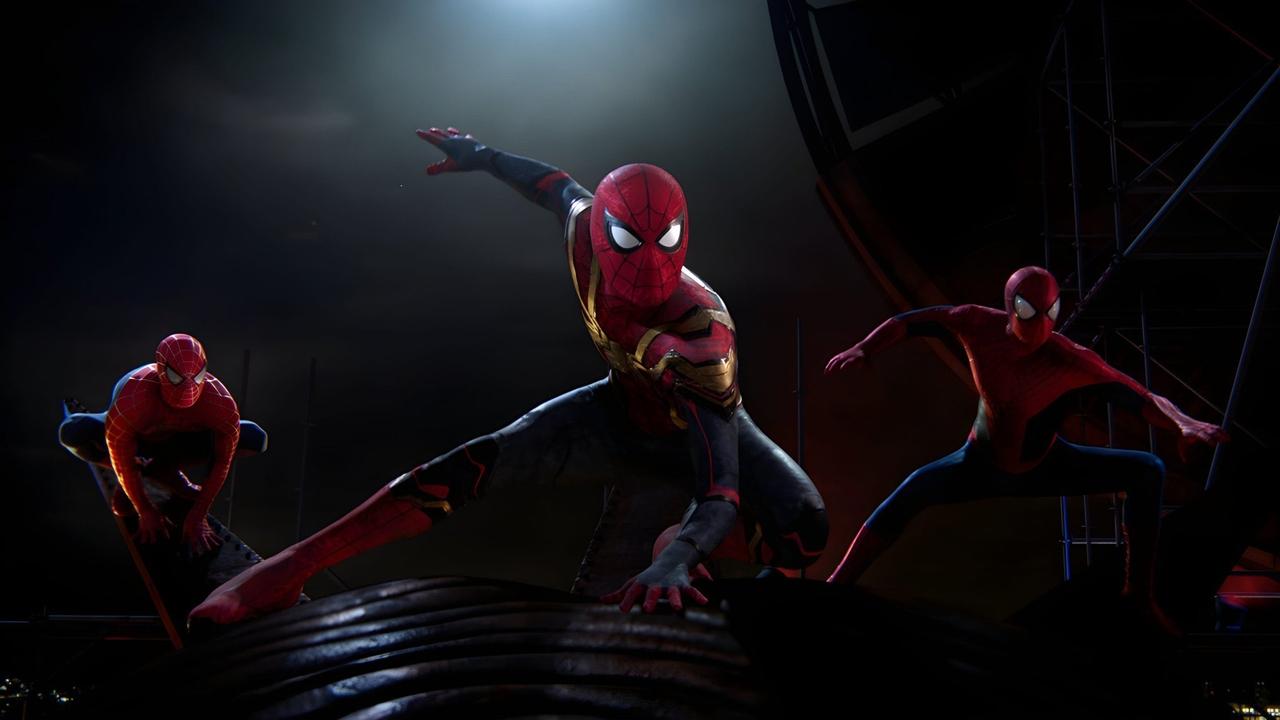
Spider-Man: No Way Home is the rare franchise entry that actually lives up to the impossible hype of the internet rumor mill. It balances three generations of storytelling without collapsing under its own weight, which is a feat of engineering as much as it is a feat of filmmaking. Whether you're here for the meme-worthy reunions or the surprisingly dark character study, it’s a reminder of why we love the web-head in the first place. This is peak contemporary blockbuster filmmaking—messy, emotional, and undeniably fun.
---
Keep Exploring...
-
Spider-Man: Far From Home
2019
-
Spider-Man: Homecoming
2017
-
Thor: Ragnarok
2017
-
Avengers: Infinity War
2018
-
Avengers: Endgame
2019
-
Captain America: Civil War
2016
-
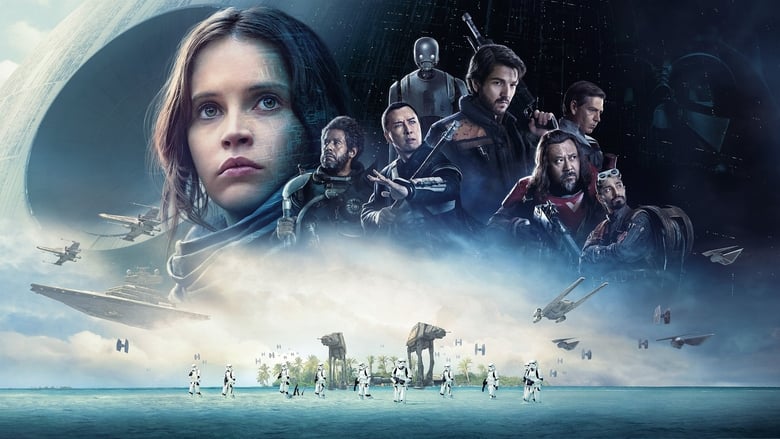
Rogue One: A Star Wars Story
2016
-
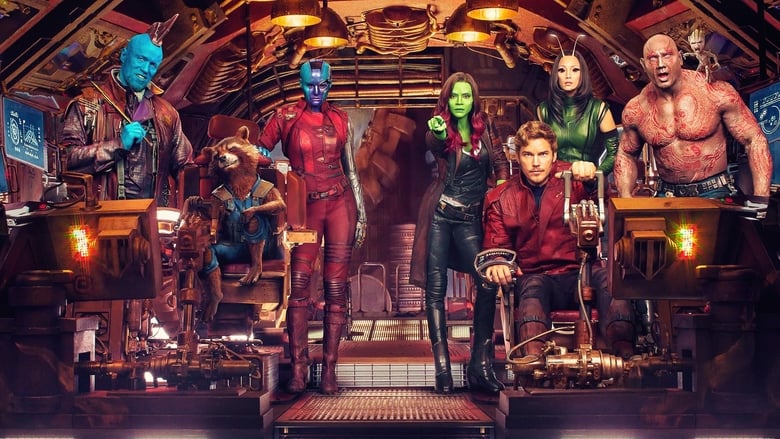
Guardians of the Galaxy Vol. 2
2017
-

Black Panther
2018
-
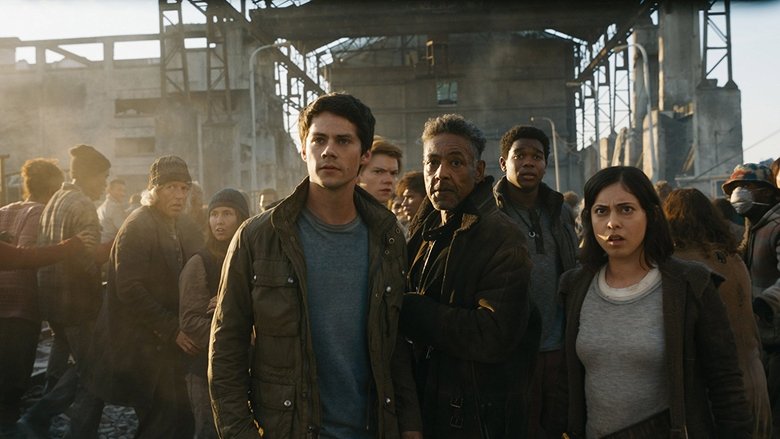
Maze Runner: The Death Cure
2018
-
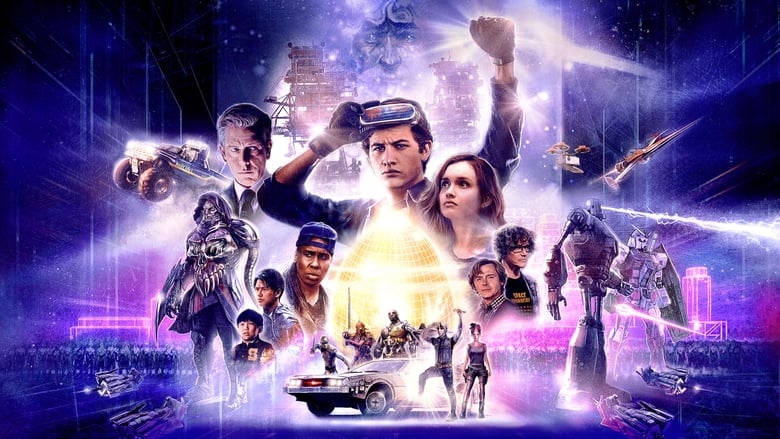
Ready Player One
2018
-
Spider-Man: Into the Spider-Verse
2018
-

Avatar: The Way of Water
2022
-

Guardians of the Galaxy Vol. 3
2023
-

Spider-Man: Across the Spider-Verse
2023
-
Godzilla x Kong: The New Empire
2024
-
Ant-Man and the Wasp
2018
-
Everything Everywhere All at Once
2022
-
Ant-Man
2015
-
Avengers: Age of Ultron
2015