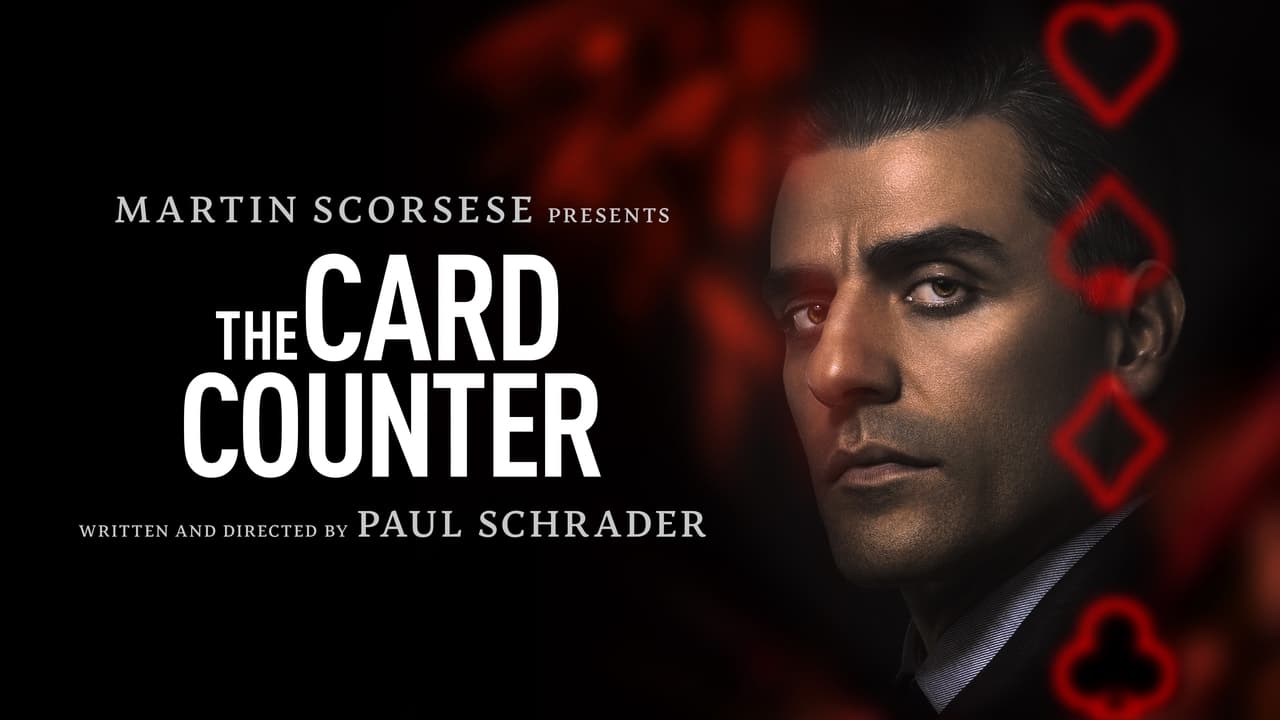
The Card Counter
"The house always wins, but he’s playing a different game."
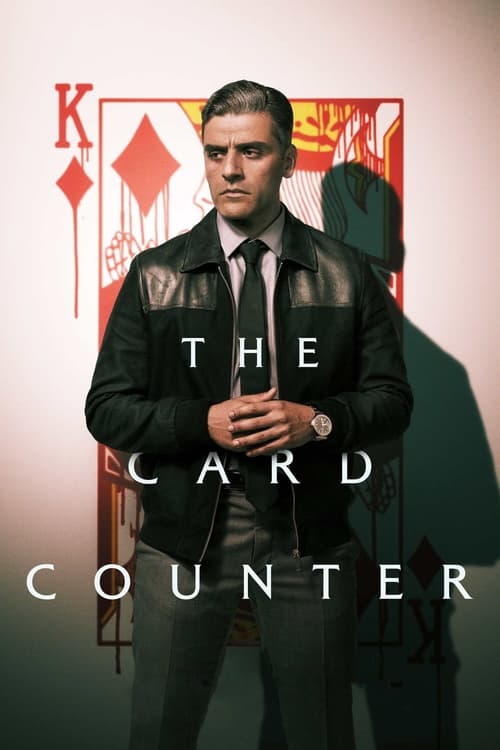
William Tell walks into a motel room, and the first thing he does isn’t checking the bed for bugs or the fridge for a mini-bar; he’s taking out plain white sheets and twine to wrap every piece of furniture in the room like a forensic crime scene. It’s a bizarre, monastic ritual that tells you everything you need to know about the man before he even speaks a word. He’s a guy who lives his life in the gaps between the neon lights of casinos, trying desperately to leave no trace of his existence on the world. I watched this while trying to peel a very stubborn clementine, and I was so tense by the third act that I ended up just crushing the fruit in my hand.
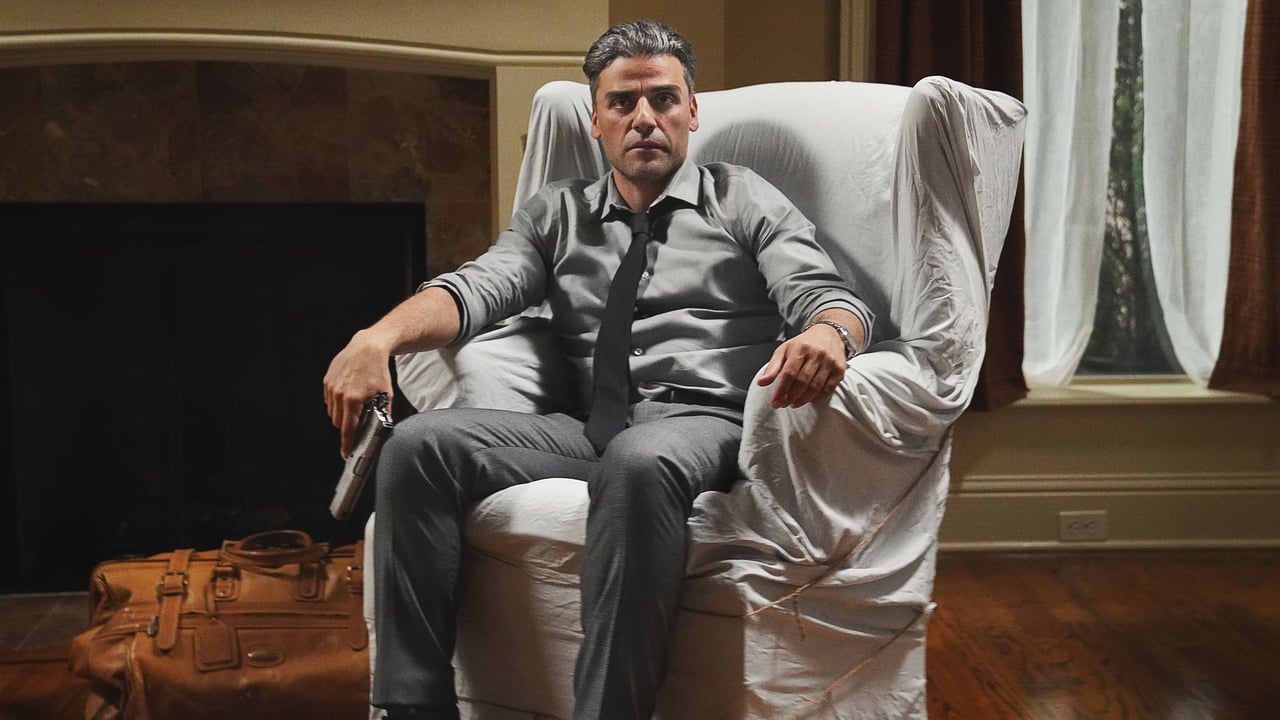
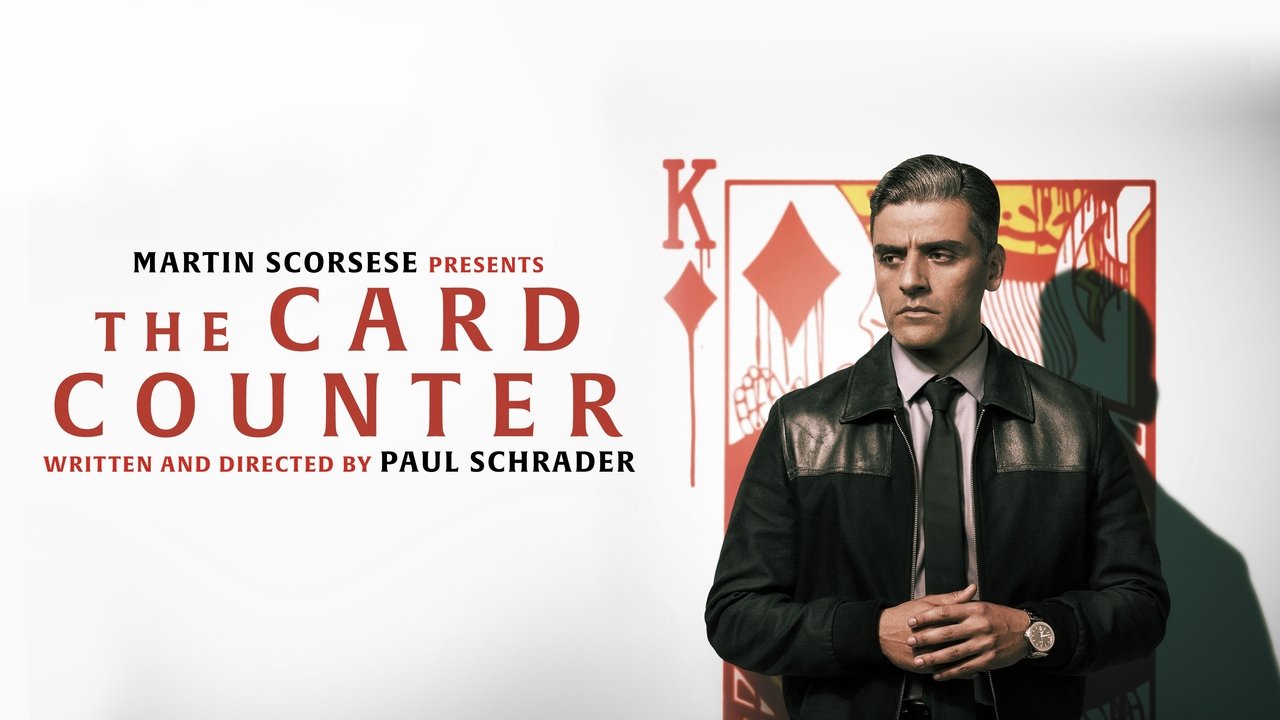
Directed by Paul Schrader, the man who penned Taxi Driver and Raging Bull, this film is a spiritual sibling to his 2017 hit First Reformed. It’s part of his "Man in a Room" series—stories about isolated men scribbling their sins into journals while waiting for a reckoning. Oscar Isaac plays Tell, a professional gambler who learned to count cards during an eight-year stint in military prison. He doesn't play for the high stakes or the glamour; he plays to pass the time and keep his head down. But the past has a nasty habit of sitting down at your table when you’re least expecting it.
The Heavy Weight of the Hand
The movie takes a sharp, dark turn when Tell meets Cirk (pronounced "Kirk"), played by Tye Sheridan. Cirk is a young, directionless kid with a grudge against a military contractor named Gordo, played with a slithering, bureaucratic menace by Willem Dafoe. It turns out Tell and Cirk’s father were both soldiers at Abu Ghraib, the "grunts" who took the fall for the torture of prisoners while the men who gave the orders, like Gordo, walked away clean to start private security firms.
Oscar Isaac gives a performance that is all about what he doesn’t do. He’s incredibly still, but you can feel the pressure cooker whistling inside him. When he looks at the screen, it’s like he’s staring through the camera and into your own guilty conscience. The poker scenes are actually the most boring part of the movie, and that’s exactly why they work. Schrader isn’t interested in the thrill of the win; he’s interested in the repetitive, soul-crushing boredom of trying to outrun your own memory. The gambling is just a way for Tell to keep his hands moving so he doesn't use them for something worse.
A Splash of Color in the Gray

Enter Tiffany Haddish as La Linda, a gambling agent who wants to recruit Tell for her stable of players. This was such a "Wait, really?" casting choice when it was announced, but she’s the secret weapon here. In a world of gray motel rooms and fluorescent-lit casino floors, she’s the only source of warmth. Her chemistry with Isaac is strange and crackling; they feel like two people from completely different movies who somehow found a common language in the middle of a desert.
Schrader uses some wild visual tricks here that really ground the film in our current technological moment. When the film flashes back to the horrors of Abu Ghraib, the camera shifts to a distorted, ultra-wide VR-style lens that makes the hallways look like they’re stretching into infinity. It’s nightmarish and nauseating. Apparently, cinematographer Alexander Dynan used this specific lens to mimic the feeling of a "memory you can't escape," and it’s one of the few times I’ve seen digital distortion used to such an emotional, haunting effect. It’s a far cry from the seamless, de-aged blockbusters we usually see; it’s ugly on purpose.
The Contemporary Soul of a 70s Grinder
Released in late 2021, The Card Counter feels like a reaction to the slickness of modern streaming cinema. It’s a mid-budget drama that doesn't care about being "likable." In an era where every movie feels like it’s auditioning for a sequel or a theme park ride, Schrader is making something that feels dangerously personal. It’s a movie about the rot of the American empire, the legacy of the "forever wars," and whether or not a person can actually be redeemed if they’ve done something truly unforgivable.
There’s a hilarious bit of trivia regarding the production: Paul Schrader actually knows very little about gambling. He admitted in interviews that he finds the mechanics of poker "unbelievably dull." He just liked the idea of a guy who lives in a world of controlled risk because he can't control his own trauma. That lack of "fan service" for poker players makes the movie better. It’s not Rounders; it’s a character study where the cards are just a ticking clock. If you're coming for a tutorial on Texas Hold 'em, you're going to leave with a heavy dose of existential dread instead.
The Card Counter is a lean, mean, and deeply uncomfortable experience that proves Paul Schrader is still one of the most vital voices in cinema, even in his 70s. It’s a film that demands your full attention and rewards it with a finale that left me staring at the credits in total silence. Oscar Isaac further cements his status as the best "quiet" actor working today, turning a story about card counting into a high-stakes battle for a man's soul. It’s not a fun watch, but it’s an essential one for anyone who misses movies with a pulse and a point of view.
Keep Exploring...
-
The Infiltrator
2016
-

I Don't Feel at Home in This World Anymore
2017
-
Roman J. Israel, Esq.
2017
-

Black and Blue
2019
-

Stillwater
2021
-

The Outfit
2022
-

Reptile
2023
-

To Catch a Killer
2023
-

Havoc
2025
-
Operation Finale
2018
-

22 July
2018
-

The Informer
2019
-

Lost Bullet
2020
-

November
2022
-

Dark Places
2015
-
First Reformed
2018
-

Nightmare Alley
2021
-

Heist
2015
-

Jack Reacher: Never Go Back
2016
-
Live by Night
2016