The Deep House
"Terror runs deep when the oxygen runs out."
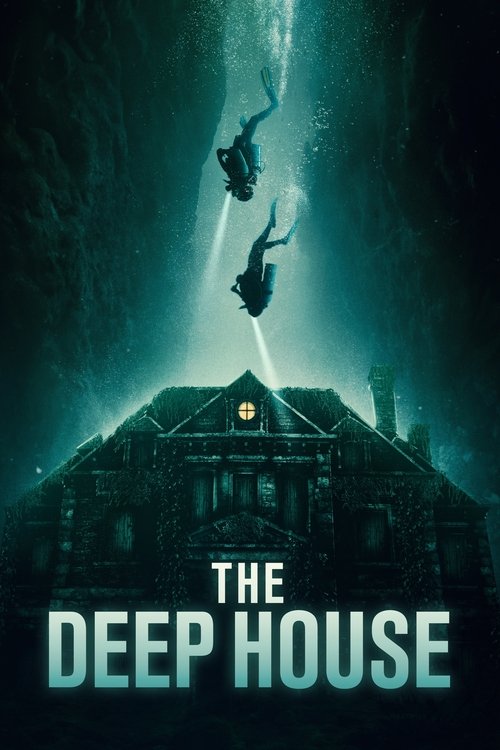
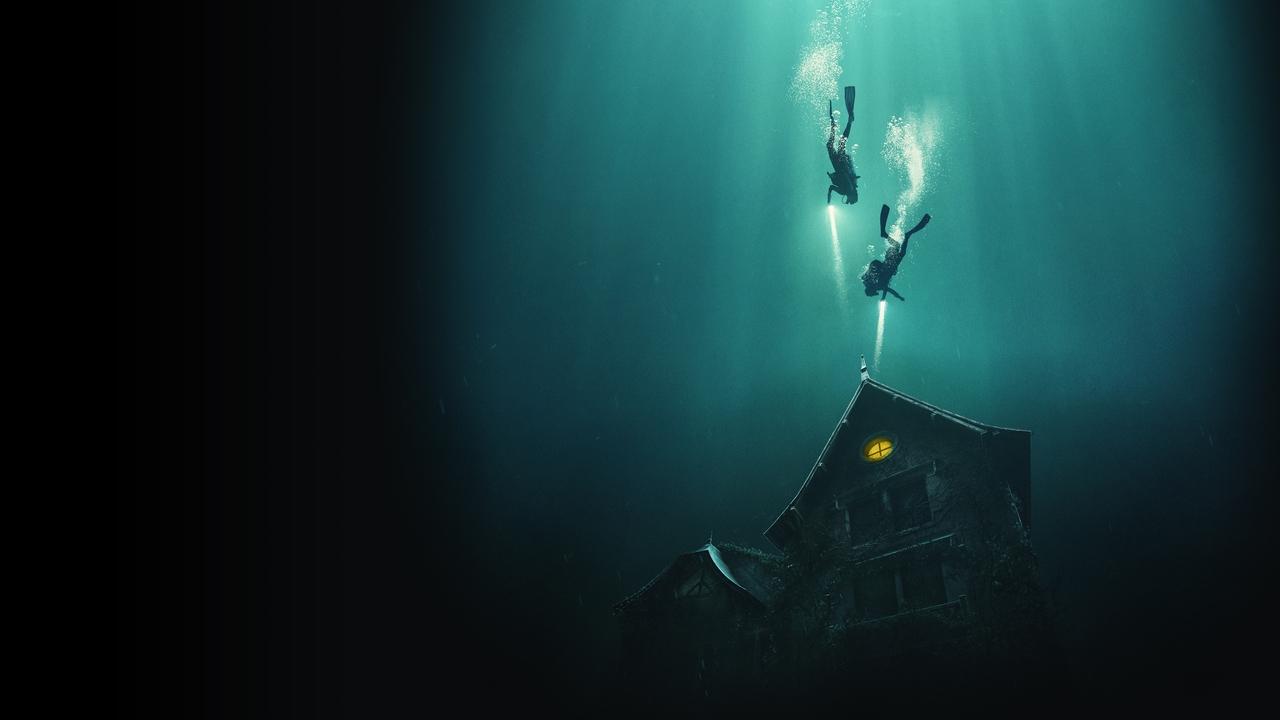
Imagine you’re floating in the middle of a remote French lake, the kind of place where the water is so still it looks like glass. Now, imagine diving sixty feet down and finding a perfectly preserved brick-and-mortar house sitting on the lakebed. The front door is locked. The windows are barred. And inside, the furniture is still arranged for a dinner party that ended decades ago.
This is the central hook of The Deep House, a 2021 supernatural thriller that manages to take the most overused trope in horror—the haunted house—and make it feel physically oppressive again by simply adding water. I watched this late on a Tuesday night while wearing a pair of incredibly scratchy wool socks that I forgot to take off, and honestly, that itchy, restrictive sensation only added to the film's mounting claustrophobia. Directed by the French duo Alexandre Bustillo and Julien Maury, the minds behind the legendary 2007 gore-fest Inside, this film swaps the "New French Extremity" bloodbath for a more atmospheric, high-concept chill.
Influence and Influence-Seeking
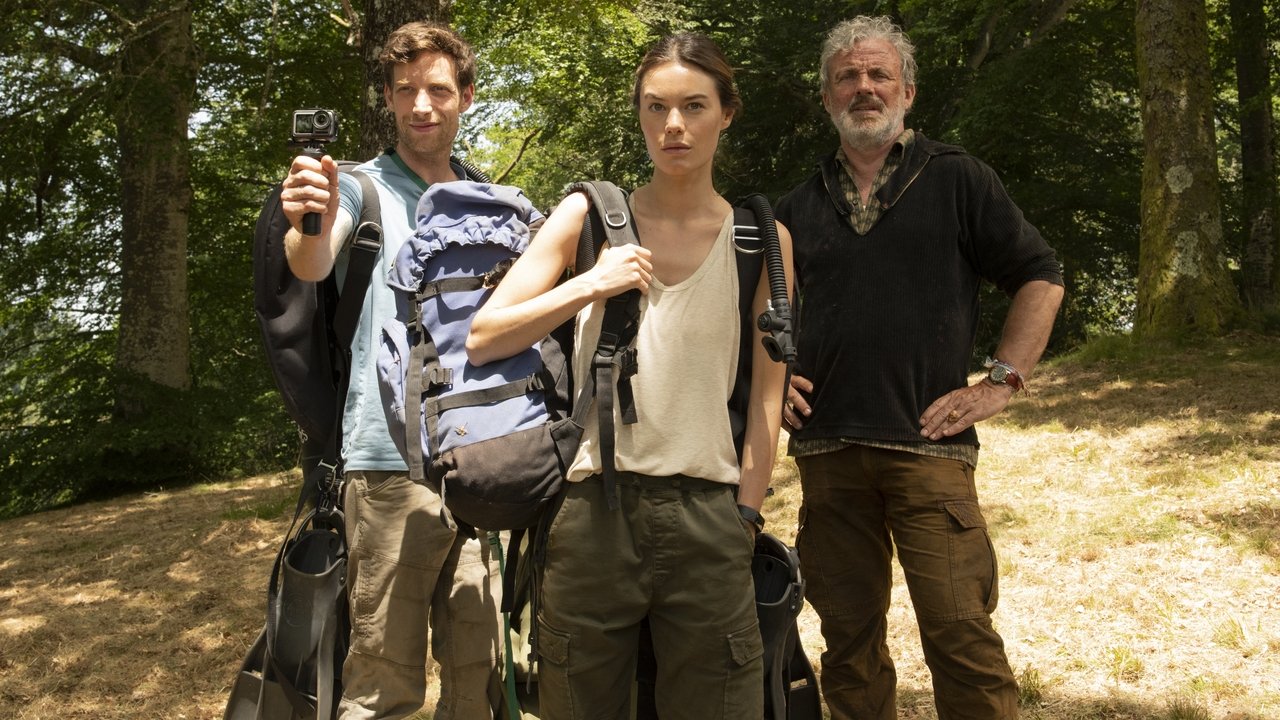
In a very "now" move, our protagonists are Ben (James Jagger) and Tina (Camille Rowe), a couple of YouTubers who travel Europe hunting for "red zones"—places with dark histories that will net them those sweet, sweet engagement metrics. Ben is the driving force here, a guy so obsessed with his subscriber count that he’s willing to ignore every red flag the universe throws at him. To be honest, the lead guy is such a clout-chasing tool that I spent half the movie rooting for the ghosts.
This dynamic feels very much a product of our current era of "doing it for the 'gram." The film captures that specific modern anxiety where the desire for digital validation overrides basic survival instincts. When they meet a mysterious local named Pierre Montégnac (Éric Savin) who offers to show them a submerged secret, Tina is hesitant, but Ben smells a viral hit. It’s a classic setup, but the setting—a house drowned during a deliberate flooding of a valley—gives it a fresh, eerie weight.
A Masterclass in Submerged Dread
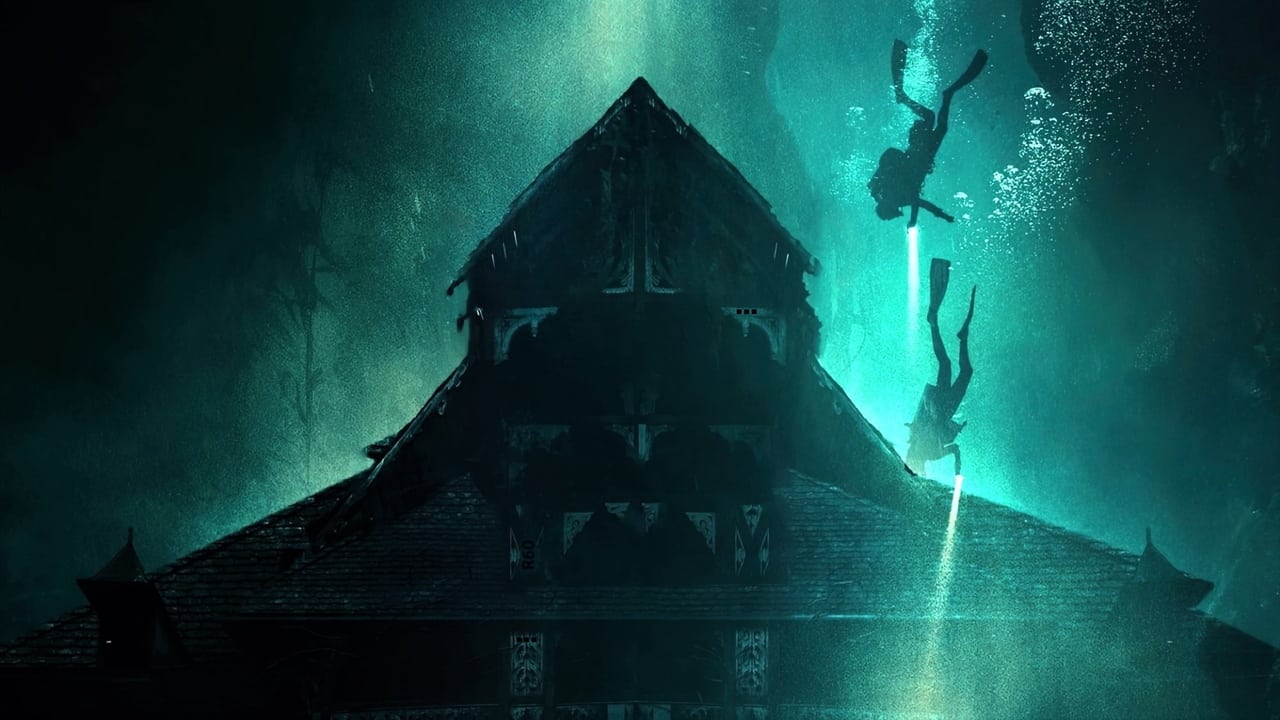
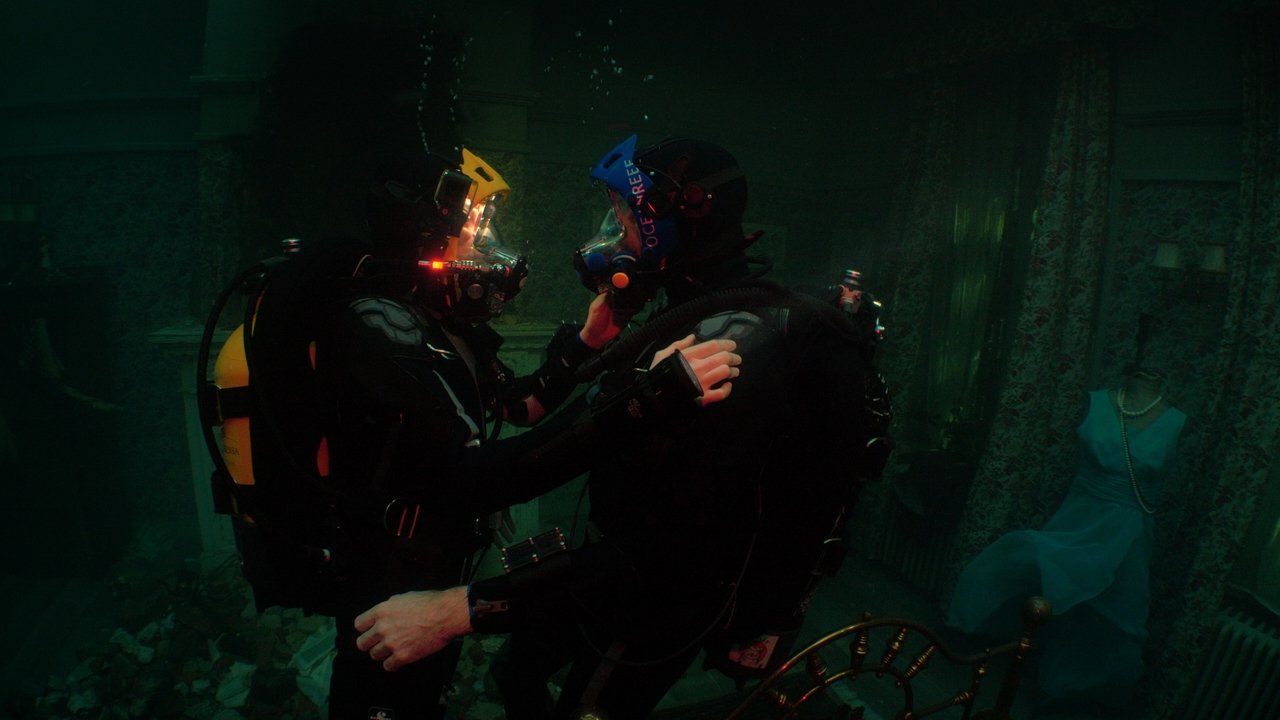
What blew me away about The Deep House isn't necessarily the plot, which hits some fairly standard "cursed family" beats, but the sheer technical audacity of the production. In an age where we’re used to seeing everything rendered in a seamless but often soulless CGI "Volume," Bustillo and Maury went the hard route. They built a massive house set, submerged it in a giant water tank in Belgium, and filmed the actors actually diving through the rooms.
The result is a sensory experience that CGI simply can't replicate. You see the way the dust motes (or "lake snow") dance in the beams of their high-powered torches. You see the genuine physical effort it takes for James Jagger and Camille Rowe to navigate tight hallways while wearing scuba gear. The physics of the horror are different underwater; a jump scare doesn't just startle you; it displaces the water around the characters, creating a chaotic, bubbly mess that makes it impossible to see what's coming next. The sound design by Raphaël Gesqua is equally unsettling, trading traditional orchestral swells for the rhythmic, mechanical wheezing of oxygen regulators and the low-frequency thrum of the deep.
Things That Go Bump in the Abyss
As Ben and Tina explore the house, they find more than just antique furniture. There are photographs that shouldn’t be intact, chains on the walls, and eventually, the Montégnac family themselves, who aren't as dead as the authorities believed. This is where the film shifts from a "diving simulator" into a full-blown nightmare.
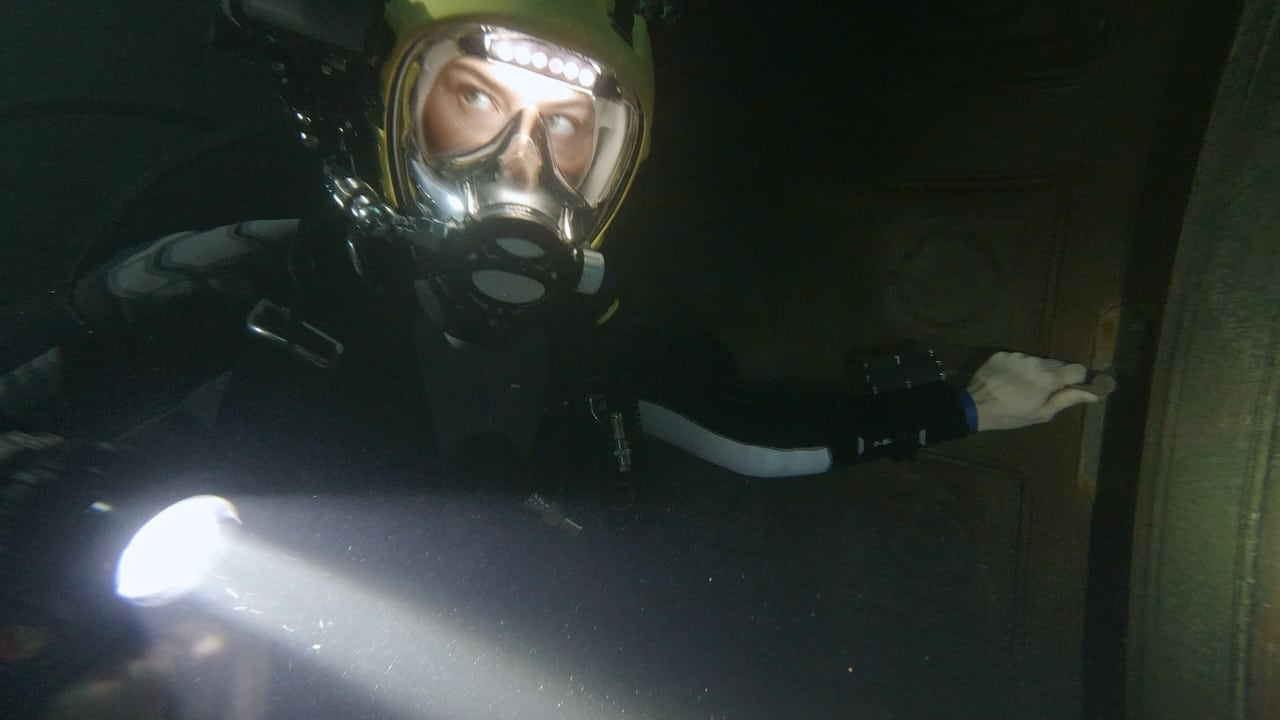
The directors lean into the inherent horror of limited resources. In a normal haunted house, you can just run out the front door. Here, if you panic, you breathe faster. If you breathe faster, your oxygen tank hits the red. If you hit the red, you drown. It’s a brilliant way to keep the stakes visible and ticking. While the "ghost" designs lean a bit into the typical long-haired-creepy-entity aesthetic we’ve seen a thousand times since The Ring, the fact that they are floating—drifting toward the characters with a silent, weightless grace—makes them feel alien and genuinely threatening. The filmmakers turned a standard haunting into a slow-motion car crash where you can't even scream.
If you can get past a few logic gaps—like why anyone would enter a house with a "Do Not Enter" sign literally chained across the door—The Deep House is a rewarding, soggy trip into the macabre. It’s a film that understands how to use modern technology to enhance old-school scares, proving that sometimes the best way to innovate a genre is to take a familiar story and sink it to the bottom of a lake. It’s a tight 85 minutes that respects your time and leaves you feeling just a little bit more thankful for the air in your lungs.
For a Friday night stream, this is a top-tier pick for anyone who enjoys a "how did they film that?" vibe mixed with their supernatural dread. Just make sure you aren't wearing scratchy socks when you press play.
Keep Exploring...
-

Leatherface
2017
-
Polaroid
2019
-
Color Out of Space
2020
-
Gretel & Hansel
2020
-
Hubie Halloween
2020
-
The Empty Man
2020
-

The Lodge
2020
-
Mr. Harrigan's Phone
2022
-
Watcher
2022
-
Thanksgiving
2023
-

Immaculate
2024
-
The Watchers
2024
-
Until Dawn
2025
-
The Void
2016
-

Apostle
2018
-
The Room
2019
-
A Classic Horror Story
2021
-
Antlers
2021
-
The Night House
2021
-
Regression
2015