The Dig
"Before the world ends, they find where it began."
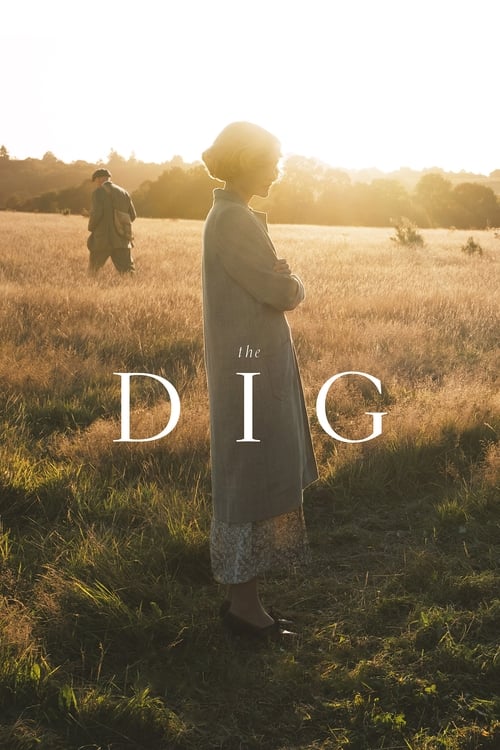
I watched The Dig while wearing a ridiculously scratchy wool sweater I’d bought on a whim to feel more "English countryside," and honestly, the constant itching only added to the experience. There is something profoundly tactile about this film. In an era where half the movies I see involve an actor in a spandex suit staring at a tennis ball on a stick, watching Ralph Fiennes wrestle with a literal pile of Suffolk mud felt like a spiritual cleansing.
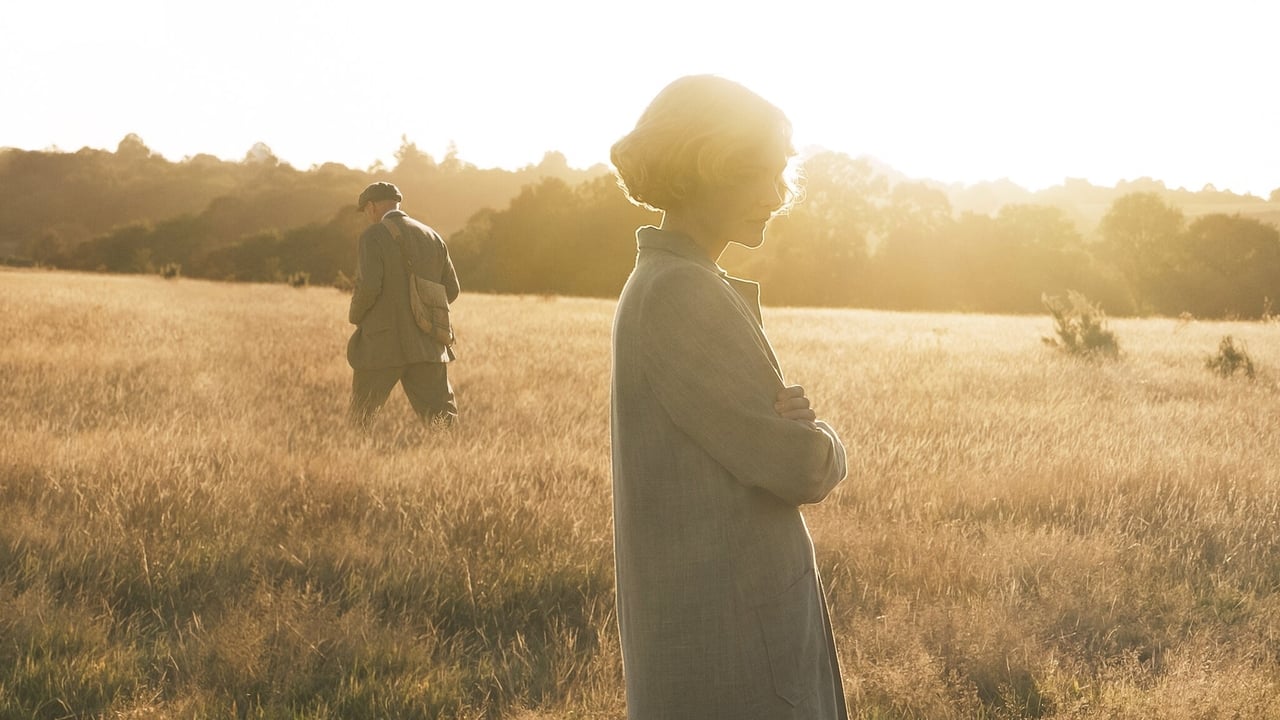
Released on Netflix in early 2021, The Dig was the perfect "lockdown" movie—a quiet, melancholic look at what remains of us after we’re gone, released at a time when we were all collectively staring at our own four walls wondering if the world was ending. It’s a prestige drama that feels like it was unearthed from a different decade, yet it speaks directly to our current obsession with correcting the historical record and finding meaning in the middle of a global crisis.
The Beauty of the Uncelebrated
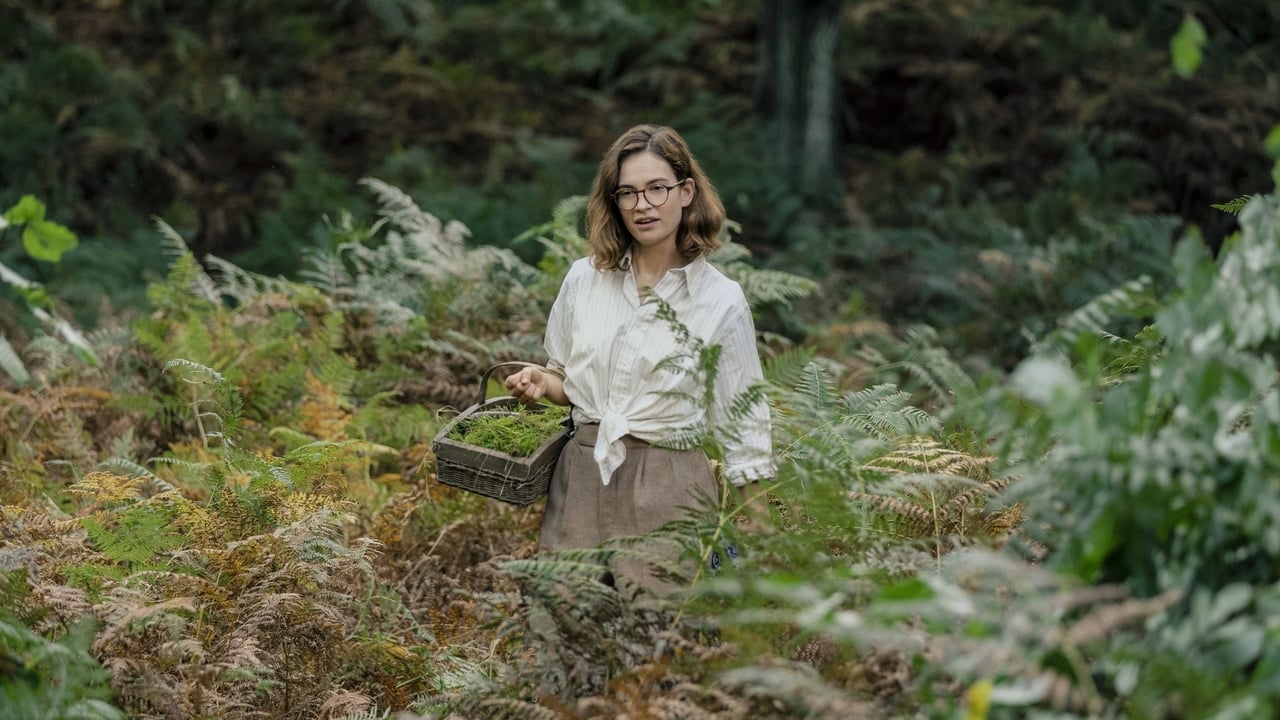
The film tells the true-ish story of the Sutton Hoo excavation in 1939. Carey Mulligan plays Edith Pretty, a wealthy widow with a hunch that the mounds on her estate hold more than just dirt. She hires Basil Brown (Ralph Fiennes), a "self-taught" archaeologist—or "excavator," as he humbly insists—to start digging.
What follows isn't an Indiana Jones romp. There are no booby traps or ancient curses. Instead, we get a masterfully quiet performance from Ralph Fiennes, who wields a Suffolk accent and a pipe with more charisma than most actors can manage with a three-page monologue. He plays Brown as a man who understands the earth better than he understands the social climbing of the British Museum elites. When the professional "experts," led by the pompous Charles Phillips (Ken Stott), eventually descend to take over the site, the film shifts into a subtle but sharp critique of class and institutional snobbery. It’s the kind of story that fits perfectly into our modern appetite for "hidden figure" narratives, giving Brown the credit that history—and the British Museum—denied him for decades.
A Ghostly Sense of Time
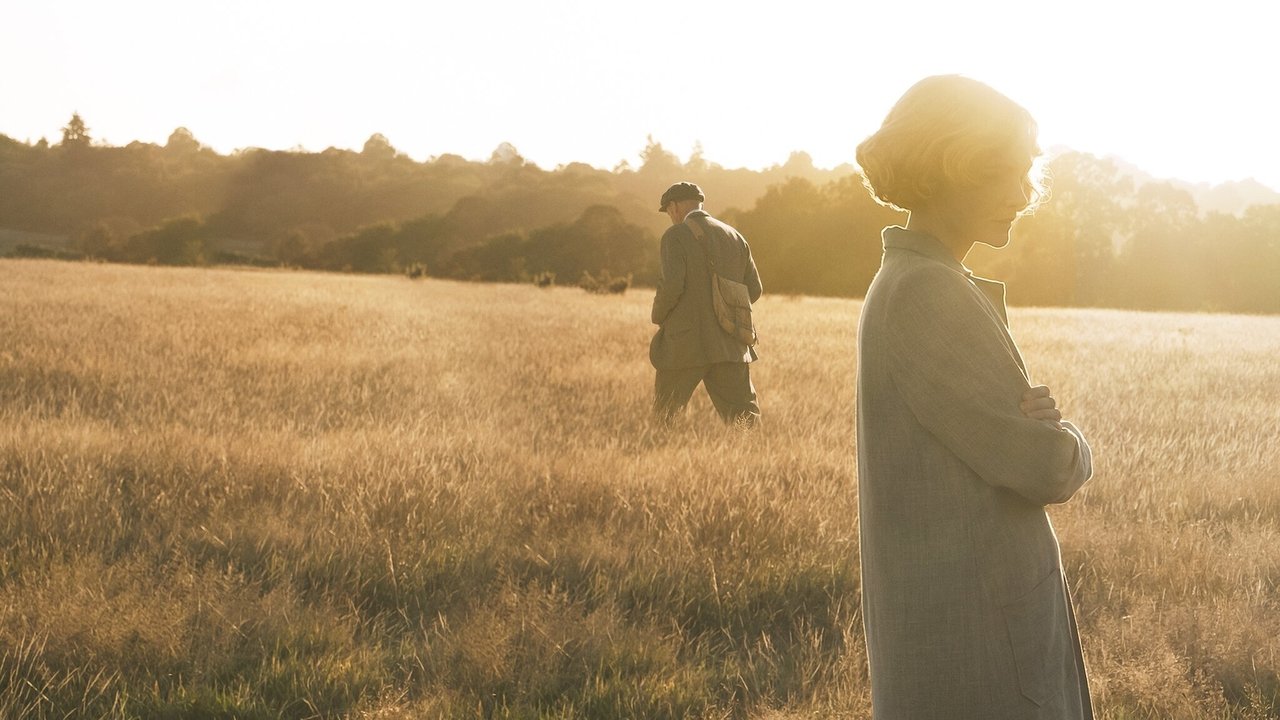
Director Simon Stone and cinematographer Mike Eley do something really interesting with the visual language here. They use a lot of "floating" audio—you’ll hear the dialogue from the next scene while the characters are still moving through the current one. It gives the whole film a ghostly, ethereal quality. It’s as if the past, present, and future are all happening at once.
This feels incredibly relevant right now. As we navigate a post-pandemic world and face down climate anxiety, there's a certain comfort in the film’s perspective: that we are all just "temporary keepers" of the land. Carey Mulligan brings a fragile, luminous strength to Edith. She’s sick, she’s grieving, and she’s watching the horizon for the Nazi planes that are about to change everything. Her chemistry with Ralph Fiennes is devoid of typical Hollywood romance; instead, it's a deep, intellectual intimacy built on mutual respect for the dead. It’s a reminder that sometimes the most romantic thing you can do is help someone dig a very big hole.
The Lily James Detour
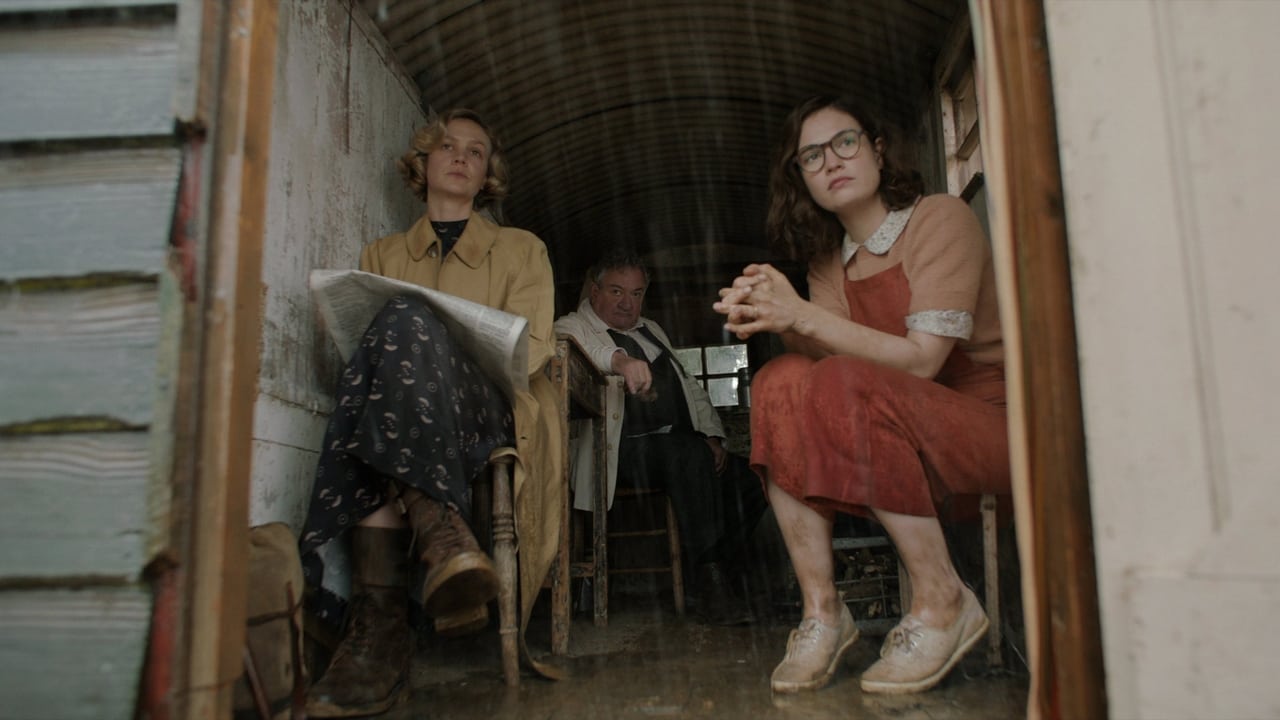
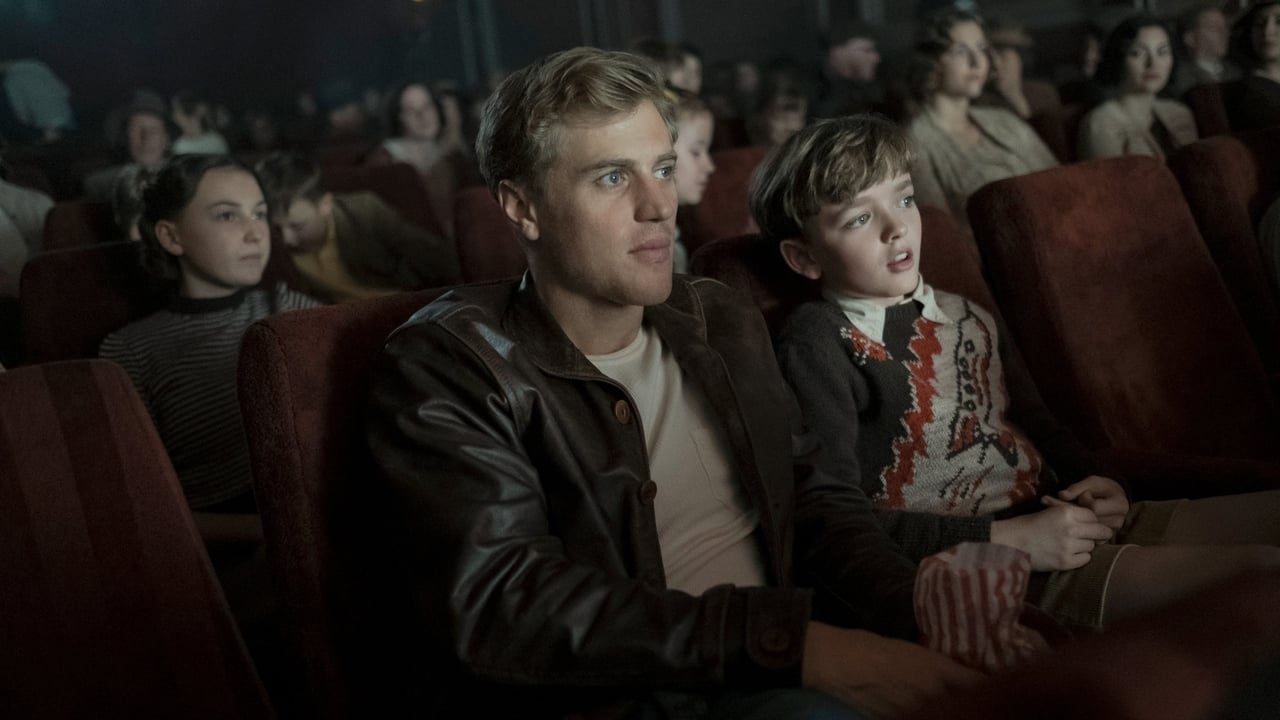
If the film has a wobble, it’s the mid-movie pivot toward the younger archaeologists. Lily James shows up as Peggy Piggott, alongside her husband Stuart (Ben Chaplin) and Edith’s cousin Rory (Johnny Flynn). While the real-life Peggy Piggott was a formidable archaeologist in her own right, the film relegates her to a bit of a "neglected wife" subplot.
I’ll be blunt: the romantic subplot with the younger cast feels like a CW drama accidentally edited into a Merchant Ivory film. It’s not that the actors are bad—Lily James is always charming, and Johnny Flynn has that rugged, "I could definitely fix your tractor" energy—but their storyline feels like it's trying to satisfy a streaming algorithm that demands a "youthful romance" quadrant. It distracts from the far more compelling, mud-caked bond between Edith and Basil.
That said, the stakes of the impending war keep the tension high. There’s a scene involving a crashed plane in the river that serves as a jarring reminder that while they are digging up a 6th-century ship, the 20th century is about to burn down around them. It anchors the film in a way that feels urgent rather than just "pretty."
Ultimately, The Dig is a triumph of atmosphere over action. It’s a film about the dignity of work, the weight of history, and the way we try to outrun our own mortality by leaving something behind. It proves that Netflix doesn't just have to be the home of reality TV and superhero spin-offs; it can still be a place for the kind of mid-budget, thoughtful drama that theaters have largely abandoned.
If you’re looking for something that feels like a warm cup of tea on a rainy afternoon—with just enough existential dread to keep it interesting—this is it. Just maybe skip the itchy wool sweater while you watch. It’s a beautiful, grounded piece of cinema that reminds us that even when the world is falling apart, there is value in looking back at where we came from.
Keep Exploring...
-
Suffragette
2015
-
Official Secrets
2019
-
One Life
2023
-
The Iron Claw
2023
-
Goodbye Christopher Robin
2017
-

Judy
2019
-

Tetris
2023
-

Race
2016
-
Risen
2016
-

The Finest Hours
2016
-
The Man Who Knew Infinity
2016
-
Battle of the Sexes
2017
-

Borg vs McEnroe
2017
-

Detroit
2017
-
The Man Who Invented Christmas
2017
-

The Zookeeper's Wife
2017
-
Victoria & Abdul
2017
-
22 July
2018
-

Т-34
2018
-
Can You Ever Forgive Me?
2018