The Fallout
"A bathroom stall becomes a bunker in this quiet nightmare of surviving the unthinkable."
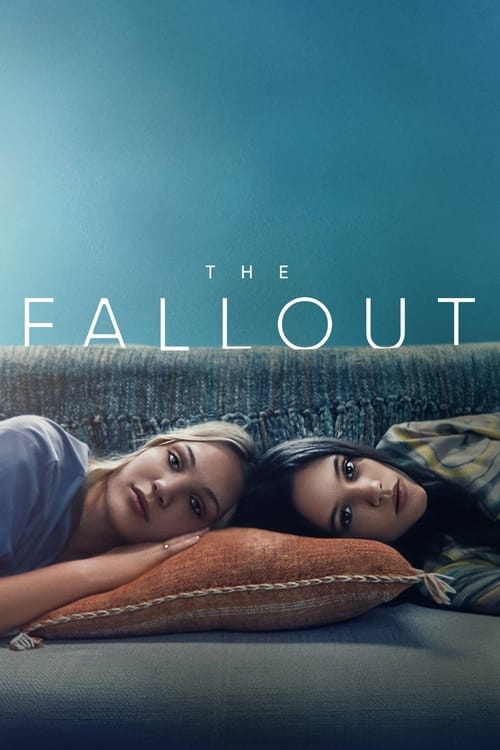
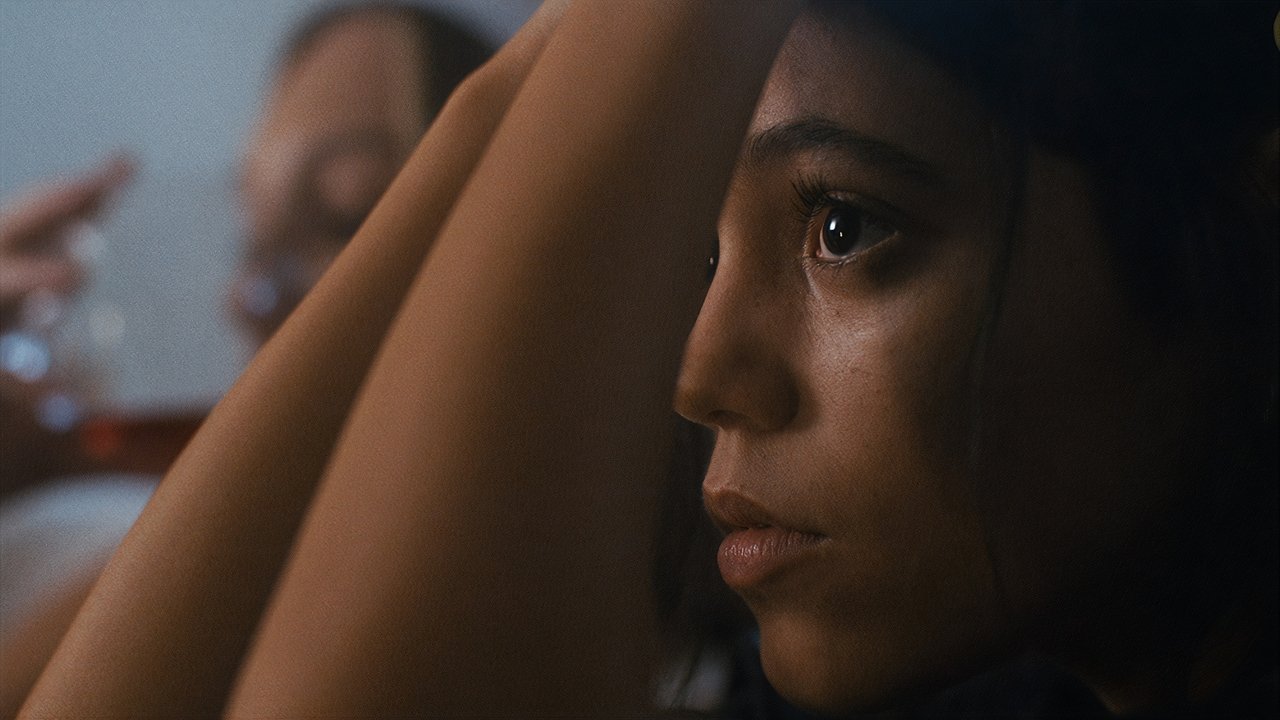
The most haunting sound in Megan Park's The Fallout isn't the staccato rhythm of gunfire echoing through a high school hallway. It's the sound of a phone vibrating on a bathroom floor. That small, insistent buzz—a parent calling, a friend checking in, a life still trying to happen while everything is ending—captures the film's specific, agonizing frequency. We don't see the tragedy. We stay locked in a toilet stall with Vada (Jenna Ortega) and Mia (Maddie Ziegler), two strangers bonded by the shared terror of the unseen. It's a bold, claustrophobic opening that sets the stage for a film that refuses to follow the "triumph of the human spirit" playbook.

The Quiet After the Storm
In our current era of "trauma cinema," there's a tendency to lean into the histrionics—the big, tearful monologues designed for Oscar reels. But Megan Park, making an incredibly assured directorial debut, understands that Gen Z trauma looks different. It's quieter. It's weirder. It involves a lot of staring at ceilings, erratic TikTok scrolling, and the crushing guilt of realizing that even after a massacre, you still have to figure out how to talk to your crush.
Vada doesn't become a social activist or a tragic figurehead. She becomes a ghost in her own life. Jenna Ortega, long before she became a household name via Wednesday (2022), delivers a performance of such raw, twitchy authenticity that it's easy to see why she was catapulted to stardom. She plays Vada with a protective layer of sarcasm that slowly erodes, revealing a girl who is terrified that her "normal" has been deleted forever.
A Streaming-Era Hidden Gem
Despite winning the Grand Jury Prize at SXSW, The Fallout drifted onto HBO Max in early 2022 with relatively little fanfare, partly a victim of the "streaming dump" phenomenon that plagued many mid-budget dramas during the pandemic transition. It's a film that demands the focus of a dark theater, yet its intimacy feels strangely suited to the private, isolated way we consume media now.
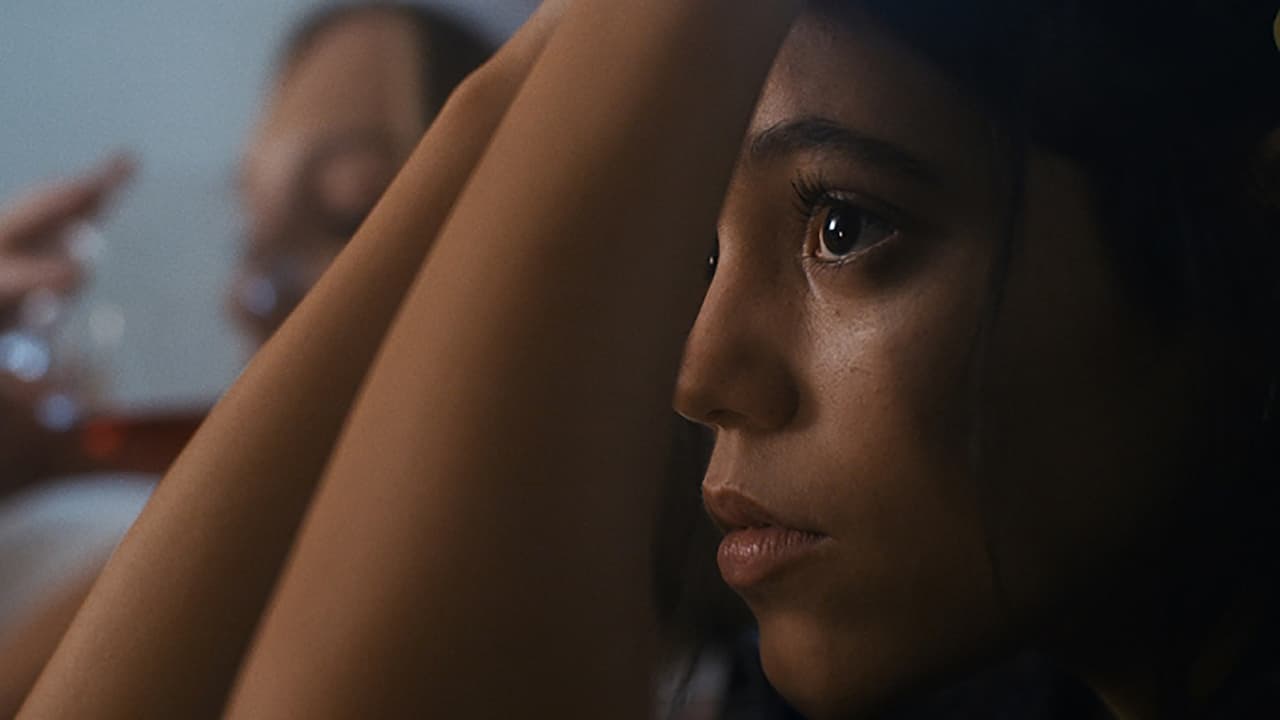
Because it lacks the explosive "hook" of a traditional thriller or the franchise weight of a blockbuster, it's often overlooked in discussions about the best films of the 2020s. However, for those who find it, the film functions as a time capsule of a generation living under the shadow of constant anxiety. It's not just about a school shooting; it's about the existential dread of being young in a world where the floor can fall out at any second.
The Philosophy of Numbness
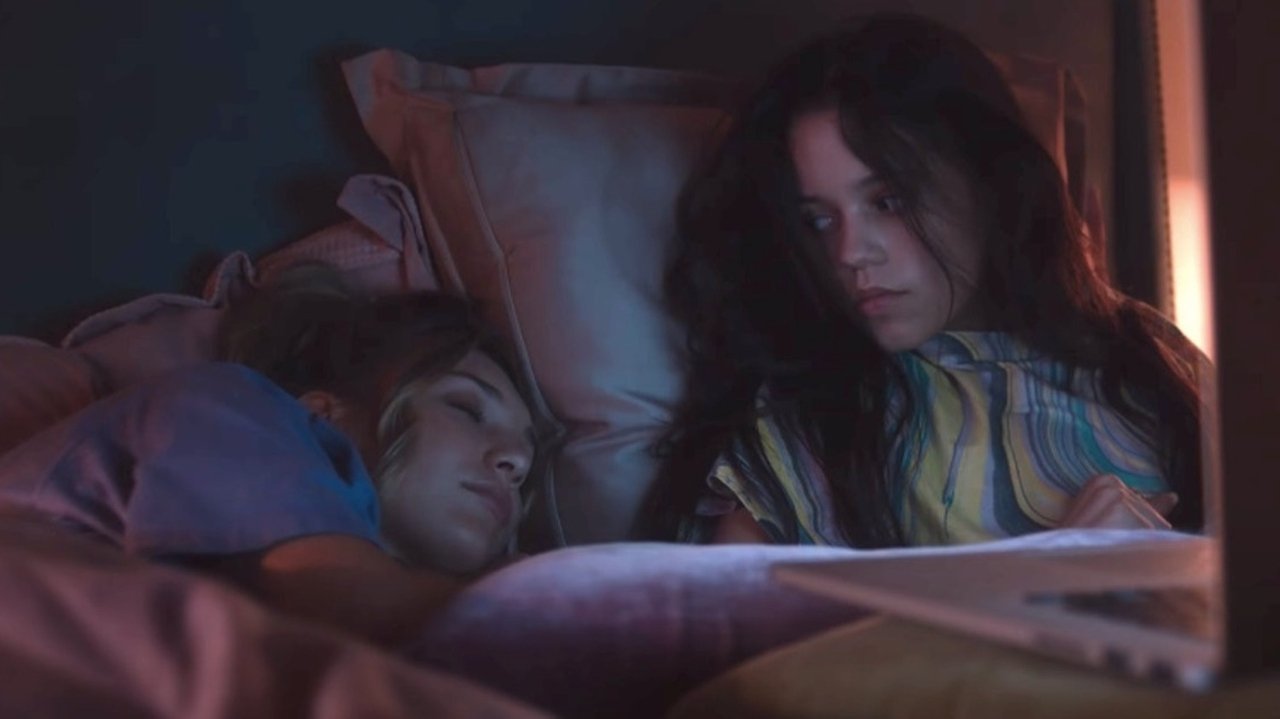
The film takes a deeply cerebral approach to grief. Instead of asking "Why did this happen?", it asks "Who am I now that it has?" This leads to a fascinating, platonic-leaning-romantic intimacy between Vada and Mia. Maddie Ziegler, shedding the artifice of her Dance Moms origins, is a revelation here. As the wealthy, seemingly perfect influencer-type who was also in that bathroom stall, she represents the isolation of the "survivor." Their bond isn't built on shared interests, but on the fact that they are the only two people who know what the air tasted like in that bathroom.
The screenplay grapples with the jagged, non-linear reality of healing. There are moments of genuine humor—Vada's awkward sessions with a therapist played by Shailene Woodley—that highlight the absurdity of trying to "solve" a broken soul with breathing exercises. The score by FINNEAS (who, alongside his sister Billie Eilish, arguably defines the sound of contemporary youth) is minimalist and haunting, mirroring the hollowed-out feeling of the protagonists.
Behind the Scenes of the "New Normal"
The production itself was a product of its time, filmed in the late summer of 2020 under strict COVID-19 protocols. You can almost feel that real-world tension bleeding into the frame; the cast was isolated in pods, mirroring the emotional bubbles the characters retreat into.
A Personal Pivot: Director Megan Park was previously known primarily for her acting role in The Secret Life of the American Teenager. Her transition to the director's chair was fueled by a desire to see a more "honest" depiction of teenage life than what she had experienced in the industry. The Power of Silence: The pivotal bathroom scene was filmed with the actors actually hearing the sound of blanks being fired in the hallway to elicit genuine, involuntary physical responses. * A Score of Subtlety: This marked FINNEAS's first foray into film scoring. He opted for a "lo-fi" aesthetic to match Vada's internal headspace, avoiding grand orchestral swells in favor of muffled, ambient sounds.
The Fallout avoids the easy answers. It doesn't end with a protest or a feeling of closure. Instead, it offers a meditation on the permanence of change. It suggests that while the "fallout" of a tragedy might eventually settle, the landscape it leaves behind is forever altered. It is a difficult watch, but a necessary one—a film that treats its teenage subjects not as archetypes, but as humans trying to find their footing on shifting sand.
Keep Exploring...
-
Clouds
2020
-
If Anything Happens I Love You
2020
-

The Banker
2020
-
Palmer
2021
-
Aftersun
2022
-
The Iron Claw
2023
-
Arthur the King
2024
-

A Street Cat Named Bob
2016
-
I, Daniel Blake
2016
-
Italian Race
2016
-

A Taxi Driver
2017
-
BPM (Beats per Minute)
2017
-
God's Own Country
2017
-

I Want to Eat Your Pancreas
2018
-
On My Skin
2018
-
The Boy Who Harnessed the Wind
2019
-
The Specials
2019
-

A Whisker Away
2020
-

Evangelion: 3.0+1.0 Thrice Upon a Time
2021
-
The Hand of God
2021