The French Dispatch of the Liberty, Kansas Evening Sun
"A meticulously curated scrapbook for the ink-obsessed."
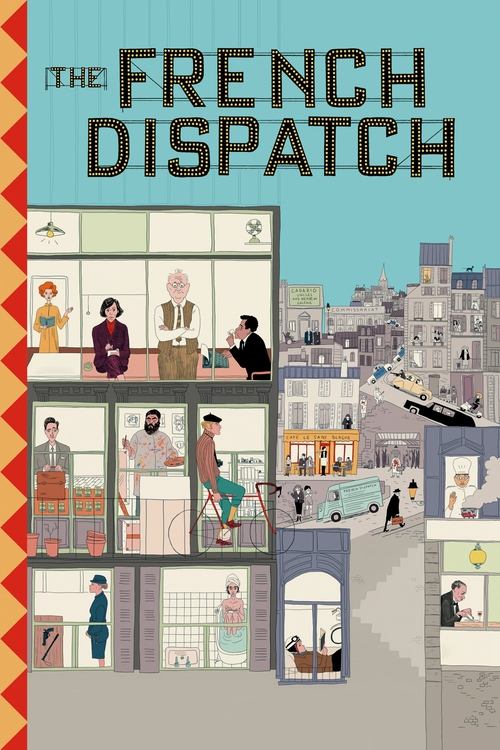
I remember watching The French Dispatch in a mostly empty theater while nursing a lukewarm soda and feeling an odd sense of cognitive dissonance. Outside, the world was still grappling with the jagged, messy aftermath of a global pandemic; inside, Wes Anderson was offering me a world where every single pencil sharpener, beret, and typeface had been positioned with the surgical precision of a watchmaker. It felt less like watching a movie and more like being shrunk down and dropped into the most expensive dollhouse ever constructed.
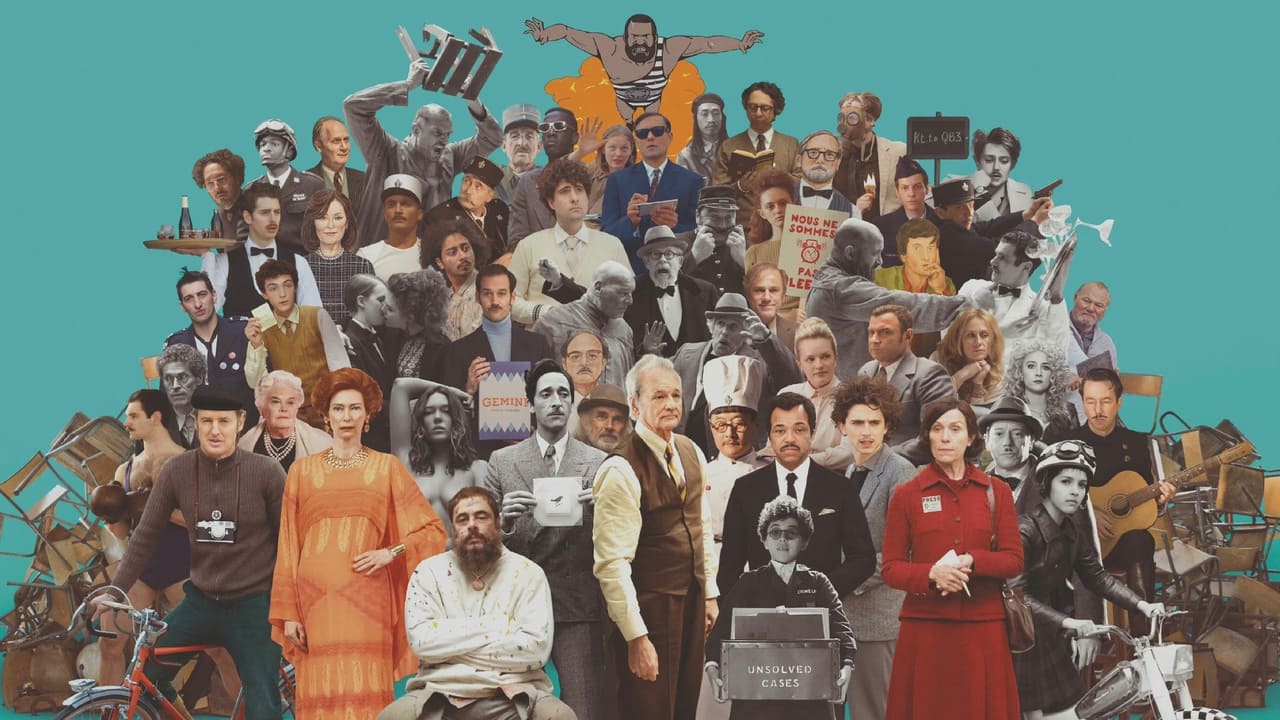
If you’ve spent any time on social media lately, you’ve seen the "Wes Anderson-core" TikToks—symmetrical shots of people staring blankly at the camera while making toast. But The French Dispatch proves that while his style is easy to parody, the soul behind it is nearly impossible to replicate. This isn't just a movie; it’s an anthology of short stories serving as a grand obituary for the golden age of long-form journalism. It’s basically The New Yorker fan fiction with a $25 million budget, and I loved every over-stuffed, hyper-literary minute of it.
Three Stories, One Soufflé
The film is structured as the final issue of a magazine based in the fictional French city of Ennui-sur-Blasé (literally "Boredom-on-Fade"). We get a travelogue, an obituary, and three feature articles. This structure is a bit of a double-edged sword. On one hand, it keeps the pacing brisk; on the other, it means just as you’re falling in love with a character, the page turns and they’re gone.
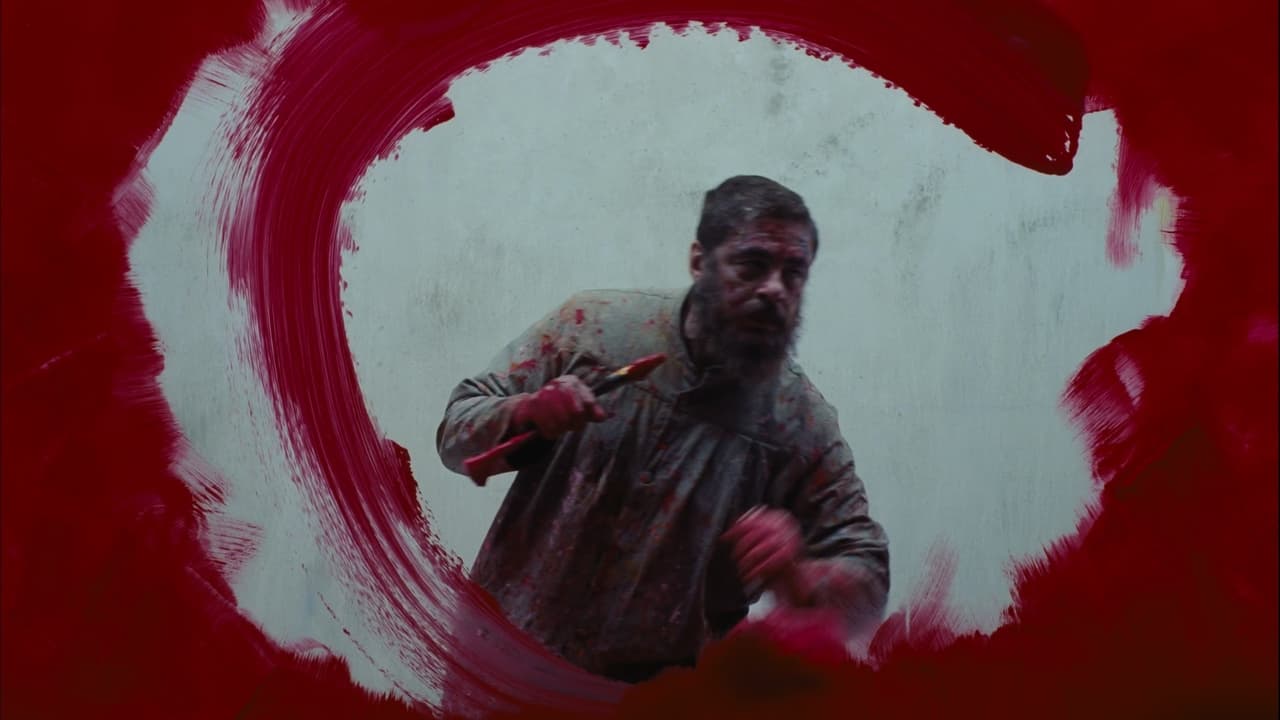
The standout for me is "The Concrete Masterpiece," featuring Benicio del Toro as Moses Rosenthaler, a homicidal painter serving life in prison, and Léa Seydoux as Simone, his prison guard and reluctant muse. Del Toro plays the role with a grunting, soulful physicality that anchors the film’s whimsical visuals in something surprisingly heavy. When Adrien Brody—playing a frantic, fast-talking art dealer—tries to commodify Moses’s work, the film hits a hilarious peak of "high-art" satire. It’s a bit of a cinematic fever dream where the art is brilliant but the artists are absolute disasters.
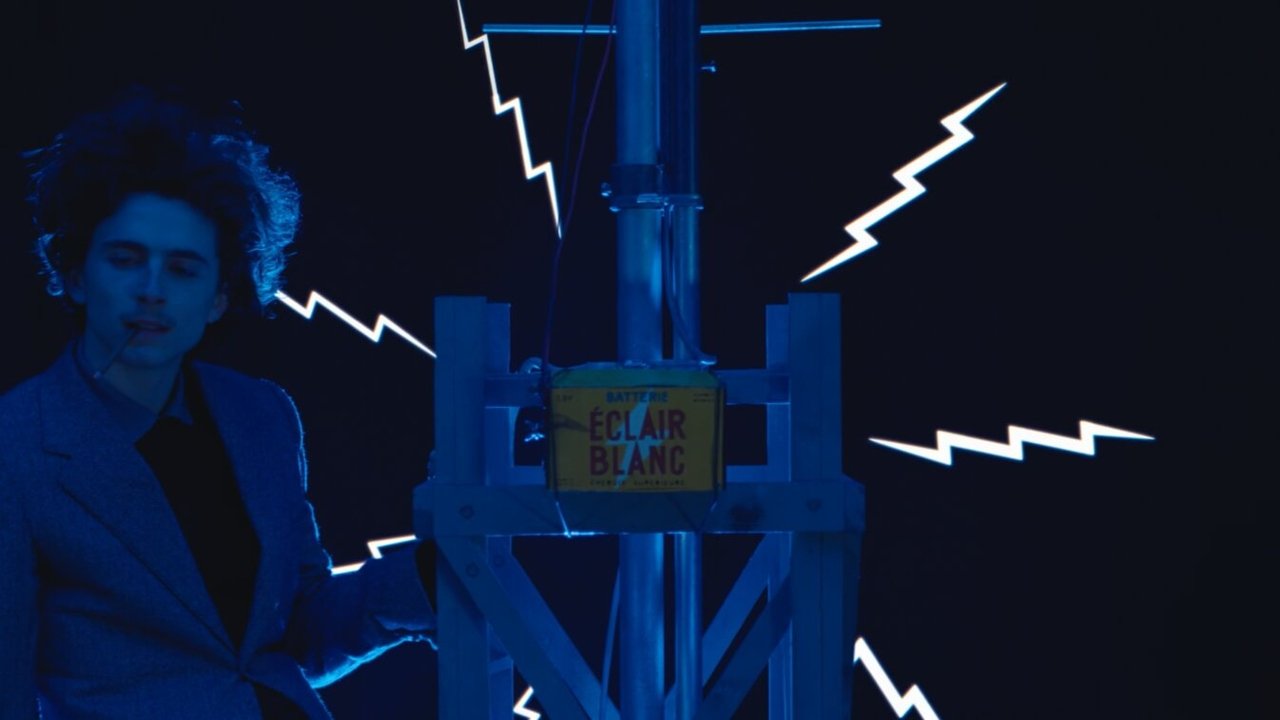
Then we pivot to the 1968 student riots in "Revisions to a Manifesto," where Frances McDormand plays a journalist who loses her professional "journalistic neutrality" in the bed of a student revolutionary played by Timothée Chalamet. Chalamet looks like he was born to wear a corduroy jacket and a wispy mustache, and his chemistry with McDormand is unexpectedly sweet. By the time we get to the final segment involving a kidnapping and a high-stakes chef, the visual density is so high you might feel like your eyeballs need a nap.
The Cult of the Analog
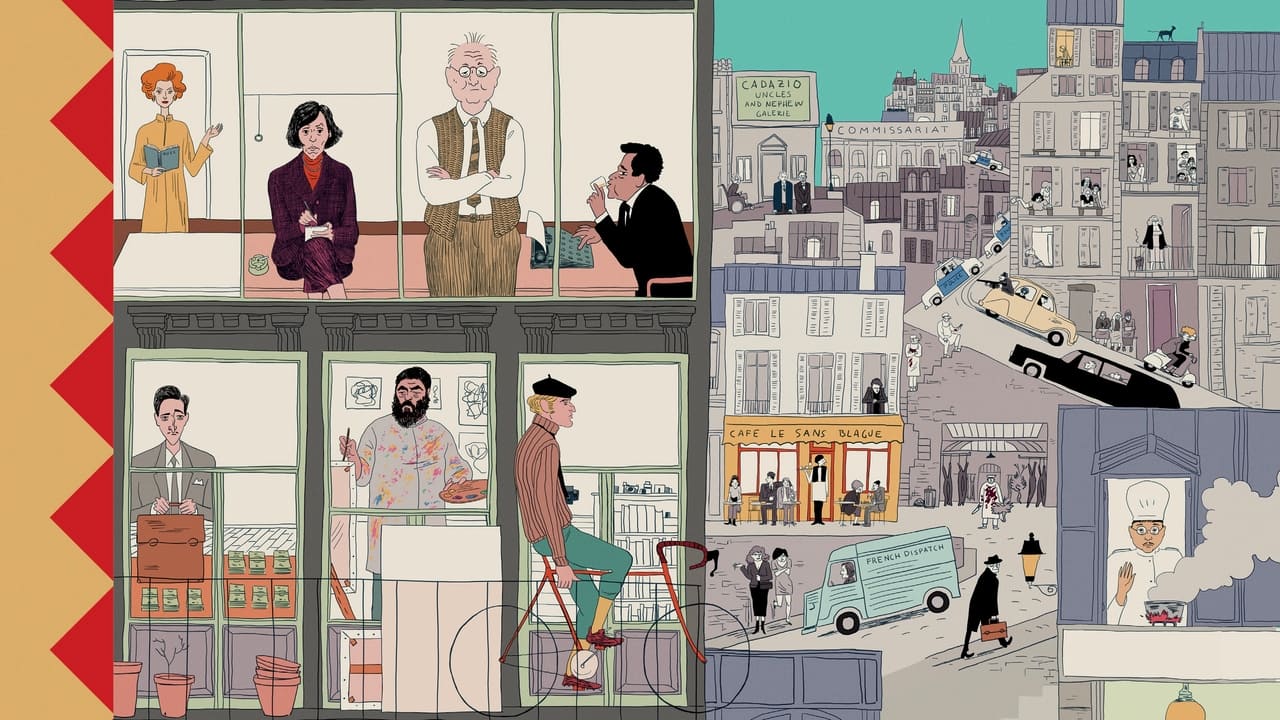
This film has quickly become a holy text for the "Anderson-heads," those of us who obsess over the fact that the director used actual physical models for the side-scrolling buildings rather than CGI. The production took over the town of Angoulême, transforming its streets into a 1960s Parisian dreamscape.
There’s a legendary level of detail here that rewards the "pause and squint" crowd. Apparently, the production designer, Adam Stockhausen, oversaw the creation of thousands of original props, including fictitious magazines and French signage that most viewers will never actually read. Wes Anderson even had the actors in the "Revisions" segment study specific French New Wave films like The 400 Blows to get the exact rhythm of their movements. It’s this level of obsessive craft that transforms the movie from a mere comedy into a piece of installation art.
I’ve heard critics complain that the film is "too much"—too many stars, too many subplots, too much symmetry. And yeah, the movie is the cinematic equivalent of a $40 box of artisanal chocolates—if you eat them all at once, you might get a bit of a headache. But in an era where most blockbusters look like they were rendered on a single green-screen stage in Atlanta, there is something deeply rebellious about Anderson’s commitment to physical sets and hand-painted miniatures.

The Human Element Behind the Symmetry
What surprised me most, however, was the ending. For all the jokes about Anderson being a "cold" stylist, the final tribute to the magazine’s editor, played by Bill Murray, is genuinely moving. It captures that specific, melancholy feeling of an era ending—not with a bang, but with the quiet sound of a typewriter carriage returning.
Is it his best work? Maybe not—The Grand Budapest Hotel has a bit more narrative "thump." But The French Dispatch is easily his most experimental. It’s a film made for people who still value the smell of a printed Sunday paper and the specific weight of a fountain pen. It’s a celebration of the "outsider" journalist, the expat who finds a home in a foreign city and writes until the ink runs dry.
Ultimately, The French Dispatch is a love letter to the act of storytelling itself. It’s dense, slightly pretentious, and occasionally confusing, but it’s also vibrant and utterly unique. If you’re tired of the "franchise fatigue" currently clogging up the multiplex, give yourself two hours to get lost in the streets of Ennui-sur-Blasé. Just make sure you’re paying attention—if you blink, you’ll miss about six Oscar winners in the background playing delivery men and cafe patrons.
Keep Exploring...
-
Asteroid City
2023
-

Isle of Dogs
2018
-

The Darjeeling Limited
2007
-
Moonrise Kingdom
2012
-
The Life Aquatic with Steve Zissou
2004
-
Lady Bird
2017
-
I, Tonya
2017
-
BlacKkKlansman
2018
-
The Favourite
2018
-
Licorice Pizza
2021
-
Hustle
2022
-

Anora
2024
-

Rushmore
1998
-
The Royal Tenenbaums
2001
-
Paterson
2016
-
American Made
2017
-

Cars 3
2017
-
T2 Trainspotting
2017
-
The Ballad of Buster Scruggs
2018
-
The Sisters Brothers
2018