The Hand of God
"Fate is a fluke, but cinema is forever."
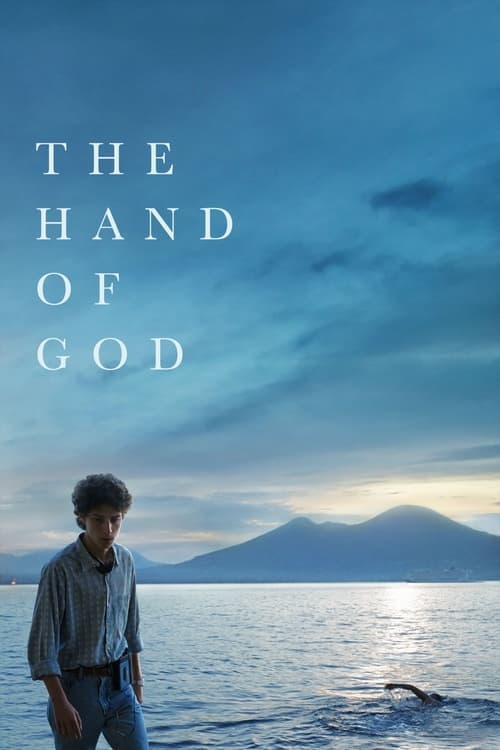
The city of Naples in the 1980s didn't just have a soccer team; it had a religion with a five-foot-five Argentinian deity at the altar. When Diego Maradona signed with Napoli, it wasn't a sports transaction—it was a miracle that felt like the sun finally deciding to shine exclusively on a city the rest of Italy often preferred to ignore. This feverish, sweating, shouting backdrop is where Paolo Sorrentino sets The Hand of God, a film that starts as a boisterous family comedy and ends as a quiet, trembling search for a reason to keep breathing.
I watched this on a Tuesday night while battling a mild case of hay fever, surrounded by a mountain of used tissues that looked like a tiny, pathetic mountain range. Somehow, the sheer sensory overload of Sorrentino’s Naples—the smell of sea salt and cigarette smoke practically wafting off the screen—was the only thing that made me forget my itchy eyeballs.
The Circus Before the Silence
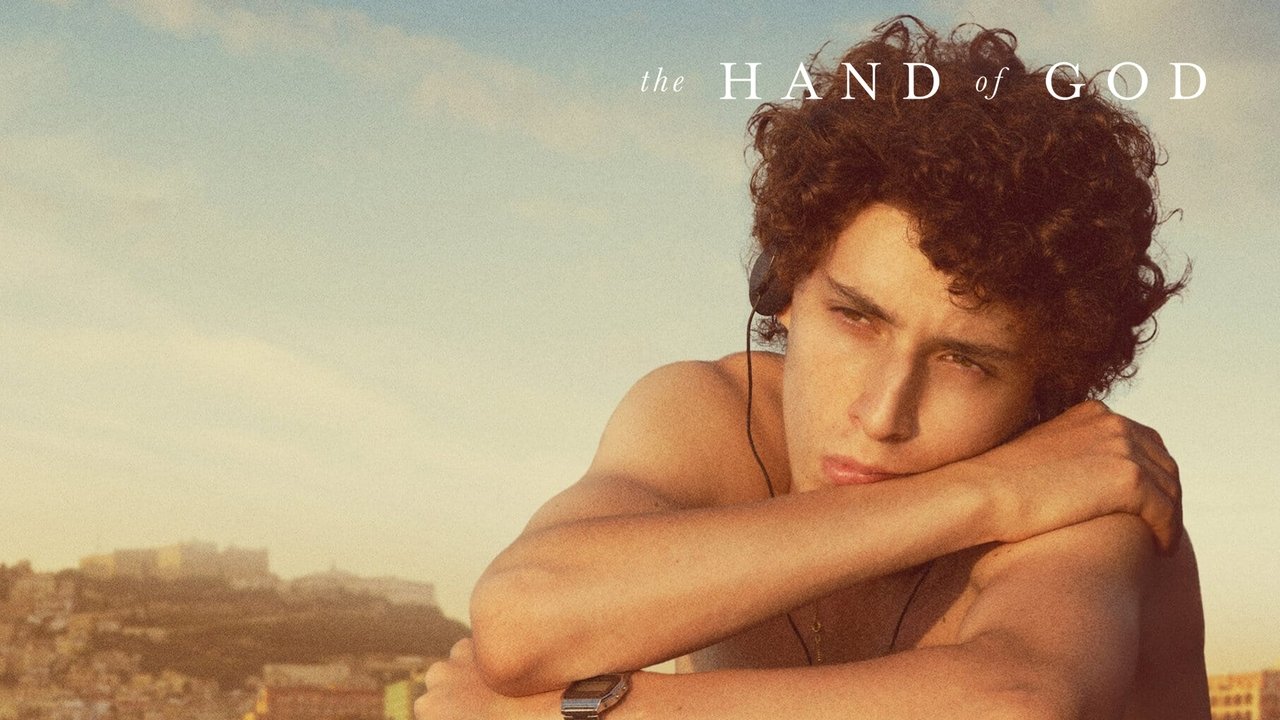
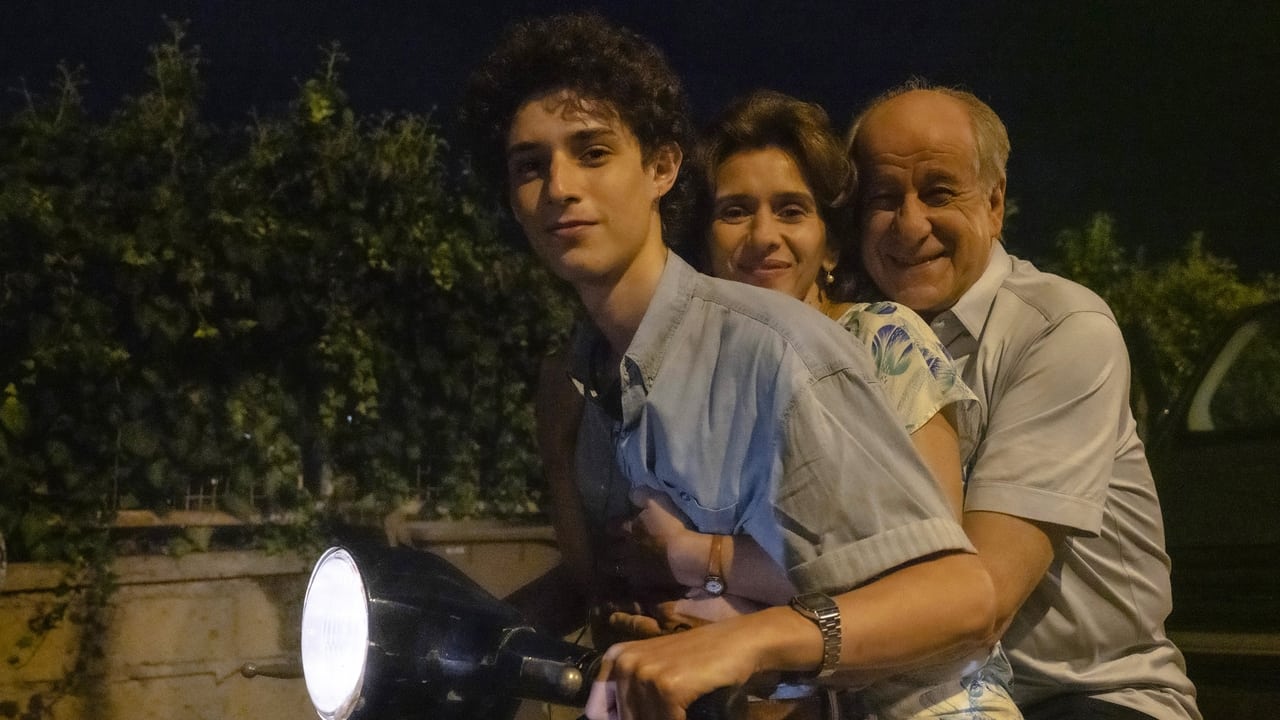
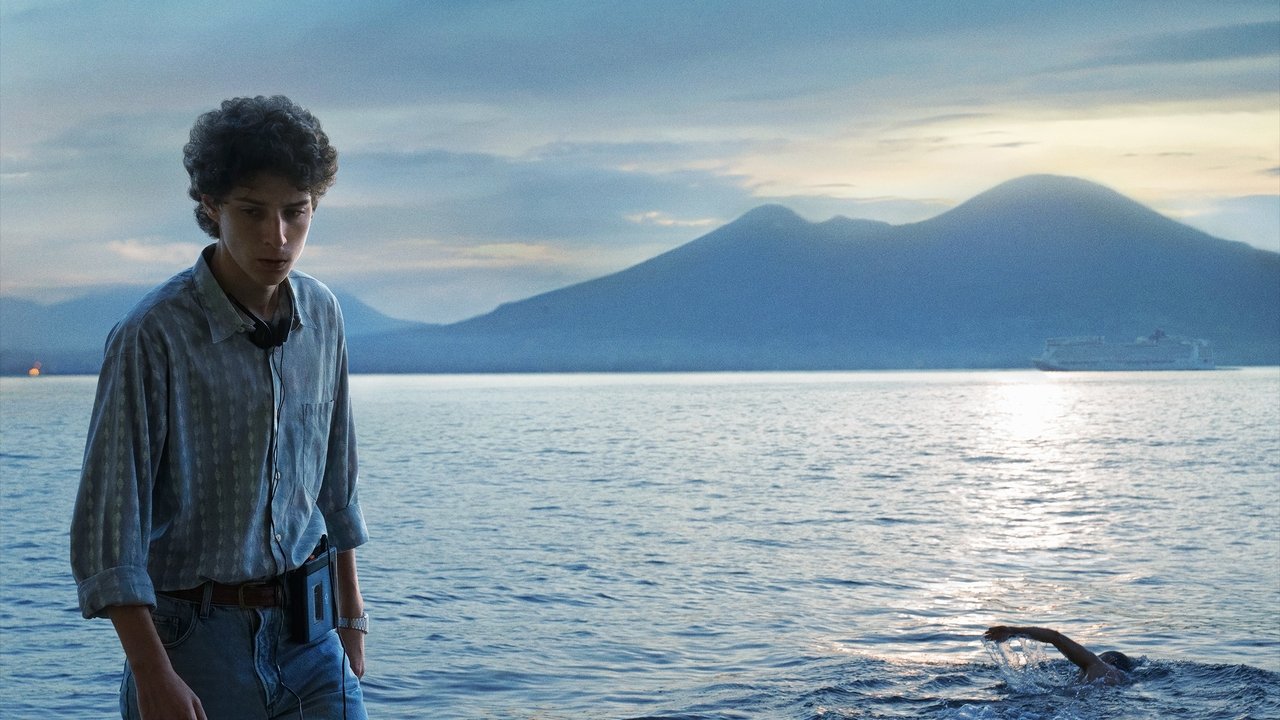
Before the tragedy hits, the film is an absolute riot of Fellini-esque caricatures. We see the world through the eyes of Fabietto, played by Filippo Scotti with a mop of curls and a permanent look of "What am I supposed to be doing with my hands?" He lives in a world of high-decibel family lunches and elaborate practical jokes. His father, Saverio (Toni Servillo, a frequent Sorrentino collaborator from The Great Beauty), and his mother, Maria (Teresa Saponangelo), share a love language of secret whistles and riding three-deep on a Vespa.
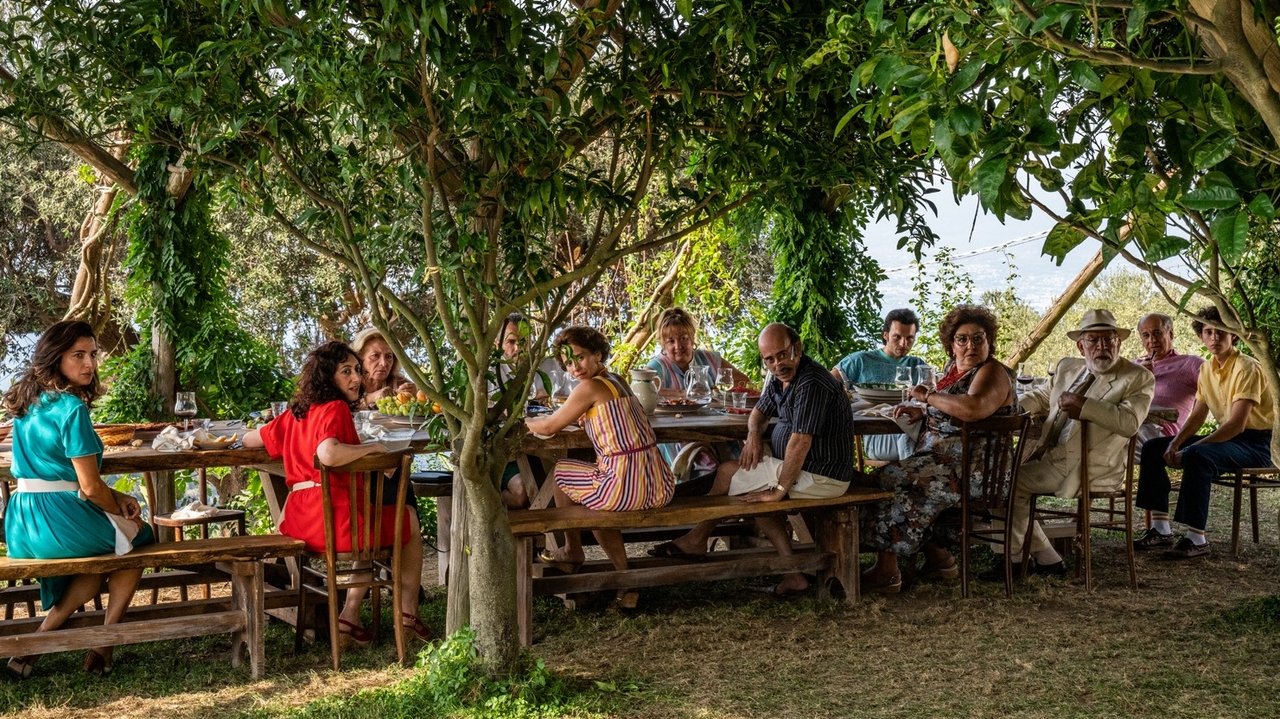
The first half of the film feels like a sun-drenched memory where everything is slightly exaggerated. There’s the aunt, Patrizia (Luisa Ranieri), who is as beautiful as she is mentally fragile, and a parade of eccentric relatives who seem to have wandered out of a dream. The film argues that Italian families aren't units; they are loud, chaotic theater troupes where everyone is vying for the spotlight. It’s joyous and overwhelming, anchored by Filippo Scotti’s internal, watchful performance. He isn’t the loudest person in the room, but he is the one recording everything for later use.
When the Music Stops
Then comes the "Hand of God" moment. In 1986, Maradona scored a legendary goal against England using his hand, claiming it was guided by the divine. In Fabietto’s life, a similar intervention occurs, but it’s a darker sort of miracle. Because he stayed behind to watch Maradona play, he survived a freak accident that claimed his parents.
The shift in tone is jarring, but it’s supposed to be. Life doesn't give you a transition scene when your world collapses; it just cuts to black. This is where the "Contemporary Cinema" lens becomes vital. In an era of polished, algorithmic storytelling, Sorrentino allows the film to become messy and fragmented. The grief isn't cinematic; it's a void. Fabietto stops being a teenager and becomes a ghost wandering through his own life.
I found myself struck by how the film treats the concept of fate. Was it Maradona who saved him, or just a random sequence of events? The film doesn't offer a Hallmark answer. Instead, it suggests that survivor's guilt is just the price you pay for being the one left to tell the story. It’s a heavy philosophical lift, but the film carries it by staying grounded in Fabietto’s specific, lonely perspective.
The Birth of a Visionary

As the film moves into its final act, it transitions from a memoir into an origin story for a filmmaker. Fabietto realizes that reality is "disappointing" (a line borrowed from director Federico Fellini, who makes a "cameo" via a casting call). If reality sucks, the only logical response is to invent a better one.
The interaction between Fabietto and the real-life director Antonio Capuano (Massimiliano Gallo) is the heart of the movie's intellectual engine. Capuano screams at the boy, demanding to know if he has a story to tell. It’s a brutal, necessary scene that strips away the romanticism of "wanting to be an artist." It’s about the grit required to turn trauma into frames per second.
Released on Netflix during a time when we were all re-evaluating our lives post-lockdown, The Hand of God feels remarkably relevant. It’s a reminder that even in a world dominated by franchises and digital sheen, the most powerful thing a camera can do is look backward at a person’s own life. It lacks the operatic artifice of Sorrentino’s earlier work, trading the gilded halls of Rome for the gritty, humid streets of his youth. It turns out that the most "super" hero in cinema isn't a guy in a cape, but a kid who decides not to jump off a balcony because he wants to see what happens next.
This is a film that demands you sit still and feel something uncomfortable, which is a rare ask in the streaming age. It’s gorgeous, heartbreaking, and occasionally very weird (there’s a subplot involving a smuggler and a "Little Monk" that feels like a fever dream). Paolo Sorrentino has given us a piece of his soul, and even if you don’t care about soccer, you’ll understand the feeling of looking for a god in the middle of a stadium. It’s a sprawling, intimate masterpiece that proves the best stories are the ones we’re almost too afraid to tell.
Keep Exploring...
-
Il Divo
2008
-
Youth
2015
-
The Great Beauty
2013
-
A Street Cat Named Bob
2016
-
Italian Race
2016
-
A Taxi Driver
2017
-
BPM (Beats per Minute)
2017
-
On My Skin
2018
-

A Dog's Journey
2019
-
Breakthrough
2019
-
The Art of Racing in the Rain
2019
-

I Still Believe
2020
-
Evangelion: 3.0+1.0 Thrice Upon a Time
2021
-
Perfect Days
2023
-
The Iron Claw
2023
-
Arthur the King
2024
-

I'm Still Here
2024
-
The Count of Monte Cristo
2024
-
The Consequences of Love
2004
-
This Must Be the Place
2011