The Hating Game
"HR is definitely going to hear about this."
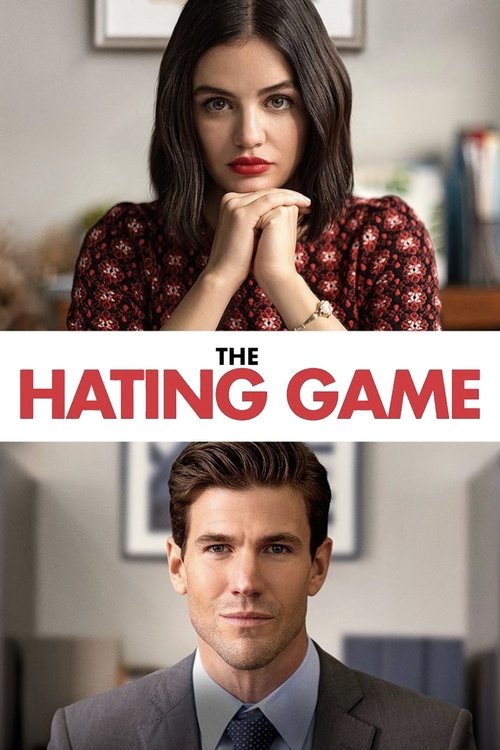
If you spent any time on the "bookish" side of the internet around 2016, you likely couldn't move without tripping over a copy of Sally Thorne’s The Hating Game. It was the holy grail of the "enemies-to-lovers" trope, a book that promised high-voltage banter and a very specific brand of office-based yearning. When the film adaptation finally dropped in late 2021, it arrived in that strange, transitional cinematic landscape where we weren't quite sure if we were going back to theaters or if the couch had officially won the war. I watched this on a Tuesday night while my neighbor was outside inexplicably vacuuming their patio for two hours, and honestly, the sheer absurdity of that background noise paired perfectly with the heightened reality of a publishing house that seems to employ only four people.

The Height of Office Warfare
The setup is classic rom-com architecture, but with a modern, glossy finish. Lucy Hale plays Lucy Hutton, a bright, people-pleasing editor at a prestige publishing house that has been forced into a "merger of equals" with a cold, corporate behemoth. On the other side of the desk sits Joshua Templeman (Austin Stowell), a man who wears shirts so crisp they could probably double as lethal weapons and possesses a resting face that suggests he’s constantly calculating your carbon footprint. They hate each other. Or, more accurately, they play "games" involving staring contests and mimicking each other's every move, which is the kind of behavior that would get you a very stern meeting with management in the real world.
What makes this work better than the average "straight-to-streaming" fodder is the palpable, almost frantic energy Lucy Hale brings to the role. She’s tiny, she’s wearing bright red lipstick like a war paint, and she is a ball of caffeinated anxiety. Lucy Hale is the only person on Earth who can make a high-waisted pencil skirt look like a tactical combat suit. Opposite her, Austin Stowell has the difficult task of playing a character who is essentially a sentient brick wall for the first forty minutes. Their physical dynamic—the classic "giant man vs. tiny woman" trope—is used for maximum comedic effect, making their eventual pivot from loathing to longing feel like a genuine seismic shift.
Drama in the Blue Room
While the film leans heavily into its comedic beats, it’s the dramatic undercurrents that give it more weight than a standard Hallmark affair. Director Peter Hutchings understands that for an "enemies-to-lovers" story to land, the "hate" has to be rooted in something real—usually a fear of being seen. As the plot moves toward a high-stakes promotion that only one of them can get, the professional rivalry becomes a shield for their personal insecurities.

There’s a scene involving Joshua’s "blue room" and a trip to a disastrous family wedding that shifts the tone from snappy office banter to something more vulnerable. It’s here that we see the "Drama" tag in the genre list actually earning its keep. The film manages to explore the idea that professional success and personal ethics don't have to be mutually exclusive, even if the world (represented by a deliciously sleazy Corbin Bernsen as the big boss) tells you otherwise. I appreciated that the movie didn't try to make Joshua a "reformed bad boy." He doesn't actually change his personality; he just lets Lucy—and the audience—see the parts of himself he was hiding behind those terrifyingly organized spreadsheets.
The Streaming Era Charm
Released in the thick of the pandemic-era shift in distribution, The Hating Game feels like a love letter to the mid-budget studio rom-coms of the early 2000s that have largely migrated to Netflix and Hulu. It doesn't have the world-ending stakes of a superhero flick or the indie grit of an A24 darling, and that’s exactly why it’s enjoyable. It knows its lane and stays in it with impressive commitment.
The production design by BCDF Pictures leans into a stylized version of New York publishing—lots of glass, bold colors, and an amount of personal desk space that would cost four million dollars a month in reality. It’s aspirational, but the performances keep it grounded. Sakina Jaffrey and Damon Daunno provide solid support, though the film is essentially a two-hander. Interestingly, the screenplay by Christina Mengert keeps much of the book's "steamiest" moments intact, which was a point of huge discussion on social media upon release. It wasn't just a sanitized TV-movie; it had a bit of bite, which helped it stand out in a crowded field of bloodless digital releases.
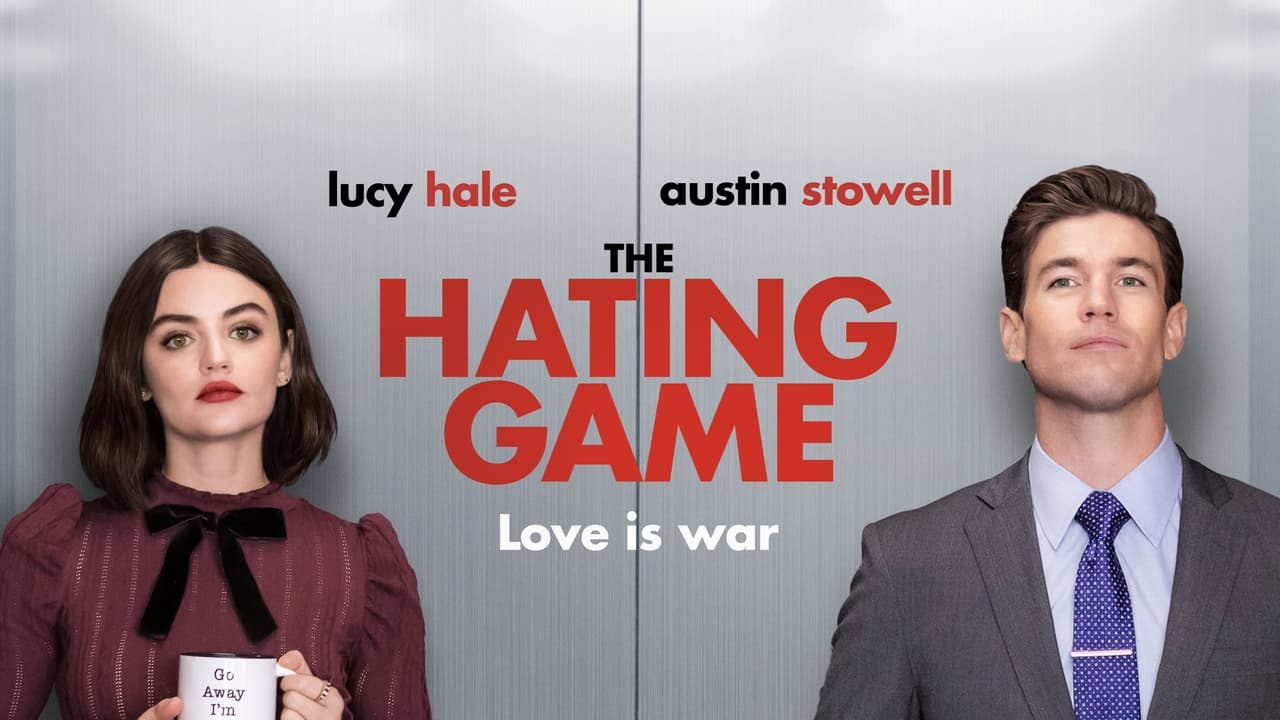
Apparently, Austin Stowell wasn't the first choice for Joshua—the role was originally linked to Robbie Amell—but it’s hard to imagine anyone else playing the "human refrigerator with feelings" quite as well. The chemistry between the leads is the kind of thing you can't fake with lighting or clever editing. When they finally stop sniping and start talking, the movie breathes.
The Hating Game is a reminder that sometimes we don't need cinema to reinvent the wheel; we just need it to polish the wheel until we can see our own grinning faces in it. It’s a breezy, visually sharp, and genuinely sexy entry into the contemporary rom-com revival. If you’re looking for a film that captures the specific modern agony of liking someone you’re supposed to be competing with, this is a top-tier choice. It won't change your life, but it’ll definitely make you want to go buy a better wardrobe for your next Monday morning meeting.


Keep Exploring...
-

Beautiful Disaster
2023
-

The Idea of You
2024
-

The Worst Person in the World
2021
-

Through My Window: Across the Sea
2023
-
Anomalisa
2015
-
Battle of the Sexes
2017
-

The Ballad of Buster Scruggs
2018
-

Licorice Pizza
2021
-

To All the Boys: Always and Forever
2021
-

Ticket to Paradise
2022
-

Anora
2024
-

The Half of It
2020
-

Bridget Jones's Baby
2016
-

Paterson
2016
-
Sing Street
2016
-

Through My Window
2022
-
Justice League vs. Teen Titans
2016
-

I Don't Feel at Home in This World Anymore
2017
-
In a Heartbeat
2017
-
A Christmas Prince: The Royal Wedding
2018