The Matrix Resurrections
"Unplugging the franchise to save its soul."
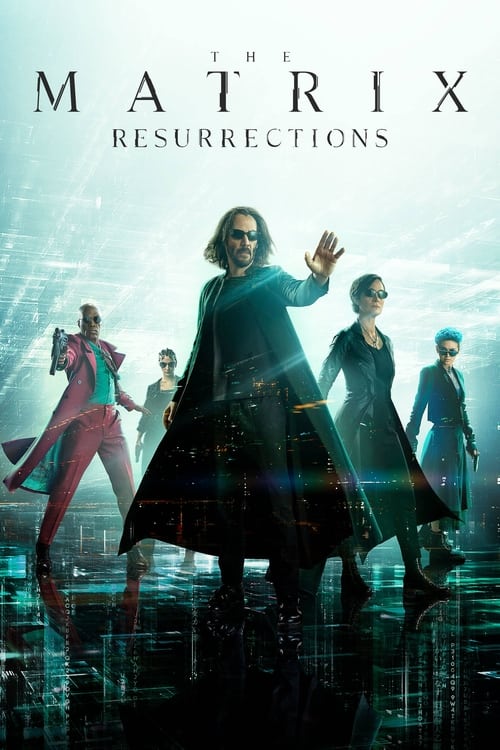
Warner Bros. reportedly told Lana Wachowski they would make a fourth Matrix film with or without her, and her response was to build a blockbuster that serves as both a middle finger to the "legacy sequel" industrial complex and a deeply sincere love letter to her own creations. It is a movie that feels like it’s constantly trying to de-program the audience while they’re watching it. I watched this while wearing a pair of itchy wool socks that kept distracting me from the philosophy, but even that physical irritation couldn't mask the sheer audacity of the script.
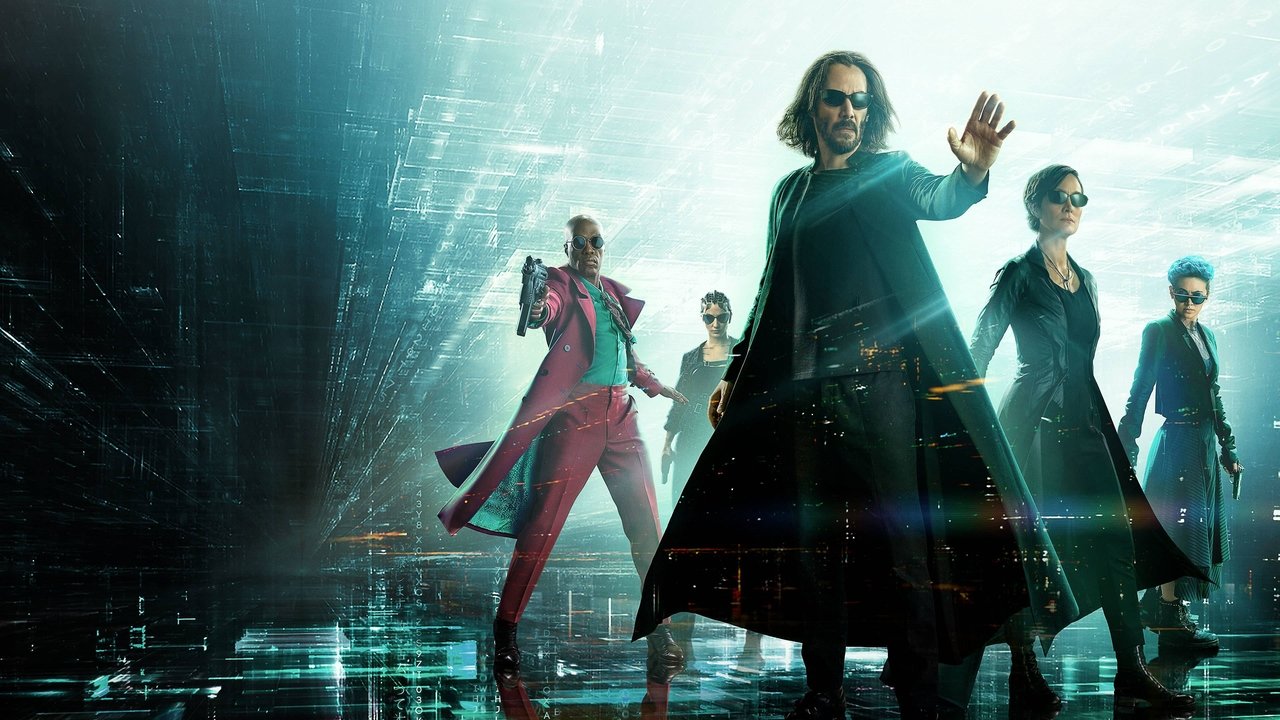
The Meta-Meat in the Machine
The first forty minutes of The Matrix Resurrections are some of the most surreal minutes of contemporary studio filmmaking I’ve ever experienced. We find Keanu Reeves back in the role of Thomas Anderson, but he’s not a cubicle drone this time; he’s a world-famous video game designer who created a trilogy of games called—you guessed it—The Matrix. He’s plagued by "fictions" that feel like memories, and his therapist, played with a deceptively soothing creepiness by Neil Patrick Harris, keeps him drugged on blue pills to maintain his sanity.
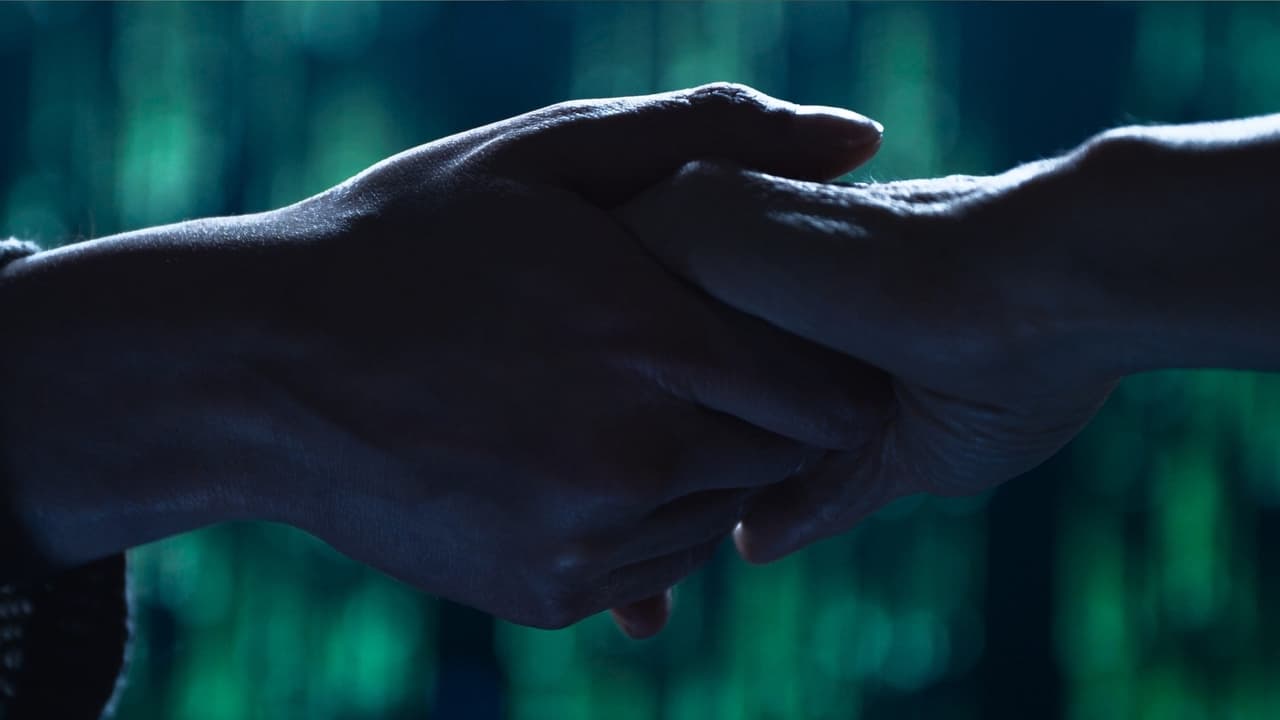
The film is incredibly loud about its own existence. There is a literal boardroom scene where characters discuss what "the fans" want from a sequel and how their parent company, Warner Bros., is demanding a follow-up. It’s a bold move that could have felt like cynical hipness, but because it’s Lana Wachowski at the helm, it feels more like a cry for help. I loved how the film dared to suggest that it’s a romantic comedy dressed in a trench coat and existential dread. While the original trilogy was about "The One" saving the world, this film posits that the world isn't worth saving if you can't hold the hand of the person you love.
Action as Emotion, Not Math
If you’re coming to Resurrections expecting the pixel-perfect, revolutionary "Bullet Time" of 1999, you might be disappointed. The action here is messier, more chaotic, and intentionally less "cool." Lana Wachowski swapped out the legendary Yuen Woo-ping’s rigid martial arts choreography for a style that feels more spontaneous and desperate. I noticed a distinct lack of the iconic green tint that defined the original trilogy; instead, the cinematographer (John Toll, who eventually had to step away, followed by Daniele Massaccesi) uses natural light and vibrant sunsets.
The set pieces, particularly the "swarm" sequence at the end where the Matrix turns ordinary citizens into kamikaze projectiles, feel like a commentary on our current social media era—a mindless, terrifying mob triggered by an algorithm. Jessica Henwick is the standout here as Bugs, the captain with the blue hair who serves as our entry point back into the rabbit hole. She brings a kinetic energy that the film desperately needs whenever the heavy exposition starts to clog the pipes. Yahya Abdul-Mateen II also has the impossible task of stepping into a role inspired by Morpheus, and he does it with a flamboyant, trickster energy that differentiates him from the stoic Laurence Fishburne.
A Legacy Sequel with a Soul
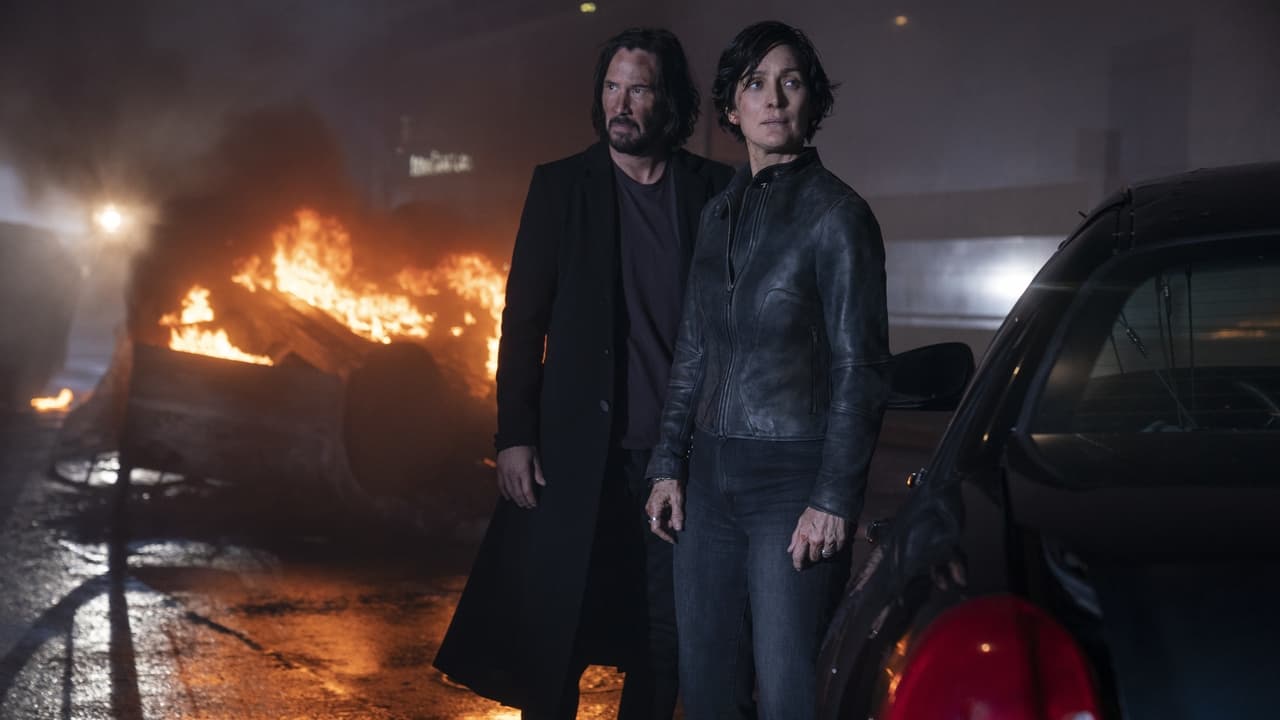
The heart of the film is the chemistry between Keanu Reeves and Carrie-Anne Moss. Seeing them back on screen together, both looking their age and carrying the weight of their history, is surprisingly moving. Carrie-Anne Moss, as Tiffany/Trinity, gets to play a version of the character that is trapped in the suburban drudgery of "The Analyst’s" design, and her awakening is the film's true climax.
Behind the scenes, the production was a family affair in a way most blockbusters aren't. Lana Wachowski has spoken about how she wrote the script as a way to process the grief of losing both of her parents; bringing Neo and Trinity back to life was a way to find comfort. That personal stakes-driven approach is why the film feels so different from a factory-assembled MCU entry. It also explains why Jonathan Groff, taking over the role of Smith, plays the character with such a weird, corporate-shark energy rather than just mimicking Hugo Weaving. Apparently, the production was halted mid-way due to the COVID-19 pandemic, and the cast spent that time bonding in Germany, which perhaps contributed to the palpable sense of "us against the world" that radiates from the screen.
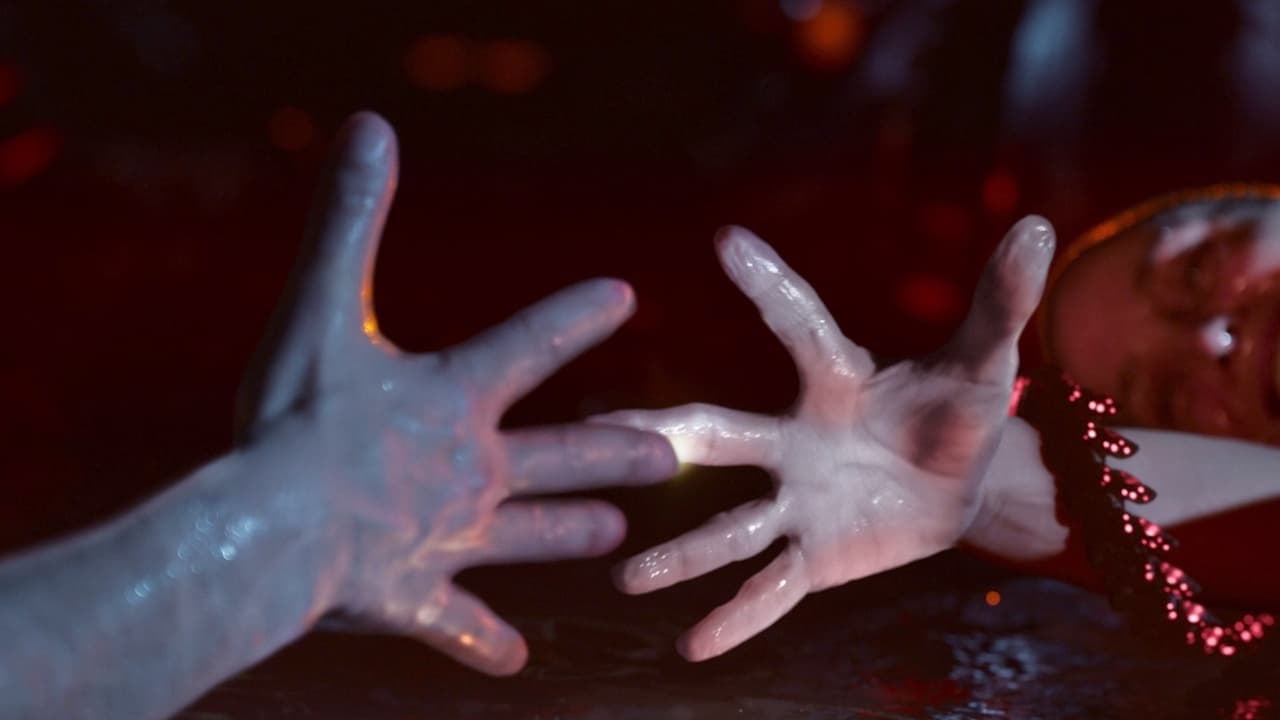
Even the stunts feel more grounded in reality despite the sci-fi trappings. Keanu Reeves and Carrie-Anne Moss actually jumped off a 43-story building in San Francisco about 20 times to get the final leap right—no stunt doubles, just two actors in their 50s trusting each other. It’s that kind of commitment to the "real" in a movie about the "fake" that makes this a burgeoning cult classic. It bombed at the box office, partly because of a simultaneous release on HBO Max during the tail end of the pandemic, but its reputation has only grown among those of us who prefer a flawed, ambitious experiment over a polished, boring retread.
The film is definitely too long, and some of the supporting characters from the "real world" sequences are a bit forgettable, but I can't help but admire its spirit. It’s a movie that asks what happens after the "Happily Ever After" and concludes that the struggle never really ends—it just changes shape. It won't satisfy everyone looking for a traditional action flick, but for those who want their blockbusters to have a pulse and a point of view, it’s a trip worth taking. You might want to skip the blue pills for this one; you'll want to be wide awake for the madness.
Keep Exploring...
-
The Matrix Revolutions
2003
-

The Matrix Reloaded
2003
-
The Matrix
1999
-
Underwater
2020
-
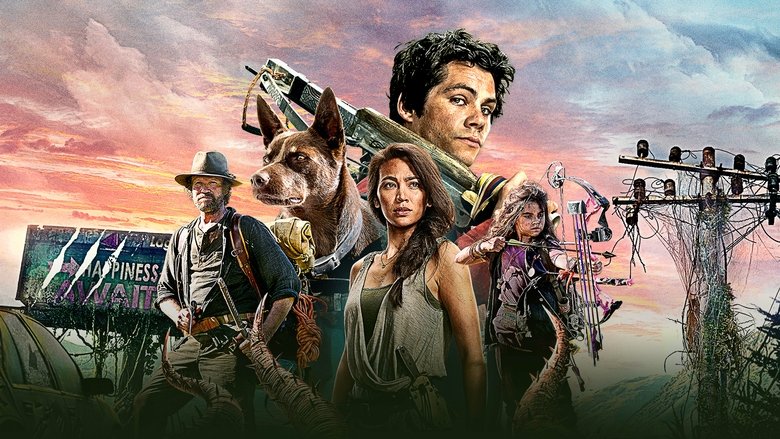
Love and Monsters
2020
-
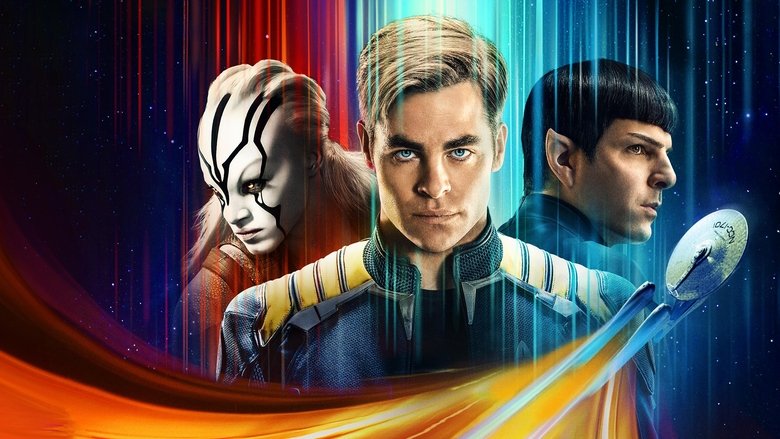
Star Trek Beyond
2016
-
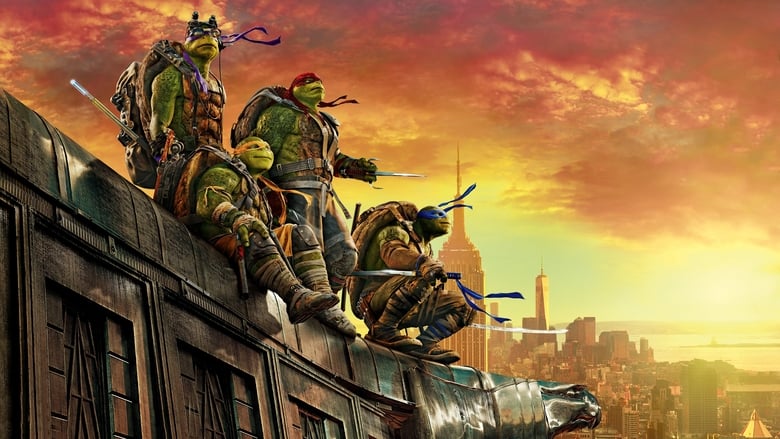
Teenage Mutant Ninja Turtles: Out of the Shadows
2016
-
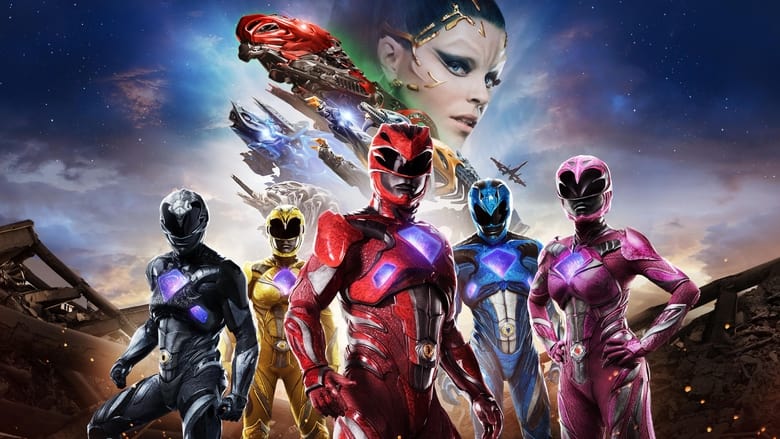
Power Rangers
2017
-
Pacific Rim: Uprising
2018
-

Solo: A Star Wars Story
2018
-

Alita: Battle Angel
2019
-
Gemini Man
2019
-
Star Wars: The Rise of Skywalker
2019
-
Terminator: Dark Fate
2019
-
Black Widow
2021
-
Eternals
2021
-
Black Adam
2022
-
Jurassic World Dominion
2022
-
Moonfall
2022
-
Ant-Man and the Wasp: Quantumania
2023