The Mauritanian
"The truth is buried under a mountain of redactions."
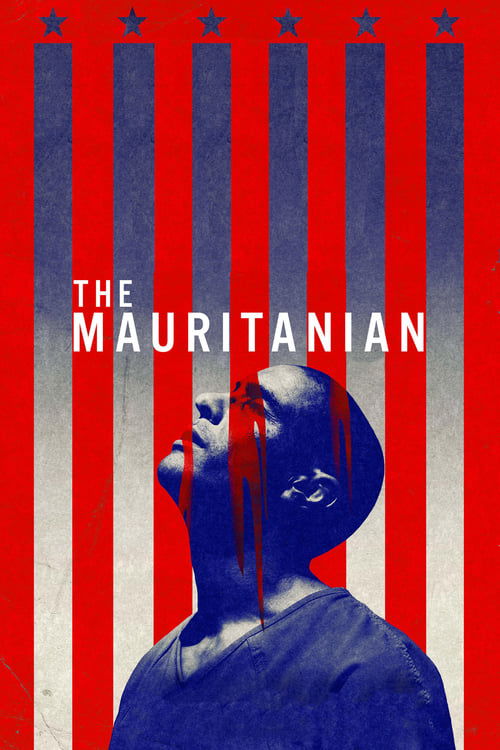
There is a specific, suffocating silence that permeates the first act of The Mauritanian. It isn't the silence of peace, but the silence of a void—the kind that exists when a human being is effectively erased from the map. When we first meet Mohamedou Ould Slahi, he is being taken from a wedding in Mauritania, told he’ll be home soon, and then essentially deleted from the world for the next fourteen years. Watching this unfold in a post-pandemic landscape, where we’ve all become a little more sensitive to the walls closing in, the film hits with a particular, jagged edge.

I watched this on my laptop while my cat was obsessively trying to bat at a moth near the screen, a distracting bit of domestic chaos that felt jarringly trivial compared to the sterile, calculated cruelty being depicted on my monitor. It’s a film that demands you look at the things we spent a decade trying to ignore.
The Geometry of a Cage
Director Kevin Macdonald—who has always had a knack for finding the pulse in true stories, from One Day in September to The Last King of Scotland—makes a brilliant, claustrophobic choice with the cinematography. The scenes set inside Guantanamo Bay are shot in a tight, 4:3 aspect ratio with rounded corners, mimicking the look of old home movies or, more accurately, a security feed. It traps Tahar Rahim in a box within our own screens. When the film shifts to the legal battle led by Nancy Hollander in the outside world, the frame opens up to a widescreen format. It’s a simple visual metaphor, but it’s effective; you can almost feel the air being sucked out of the room every time we cut back to the island.
This isn’t just a "legal thriller" in the tradition of John Grisham. It’s a procedural about the rot of the American dream. We’ve seen plenty of contemporary films tackle the "War on Terror," but few have the courage to center the narrative so squarely on the person we were told to fear. The most terrifying thing about this movie isn't the torture; it's the paperwork that authorized it. We see the banality of the evil—the memos, the legal loopholes, and the polite conversations over coffee that led to years of sensory deprivation and waterboarding.
Steel and Soul
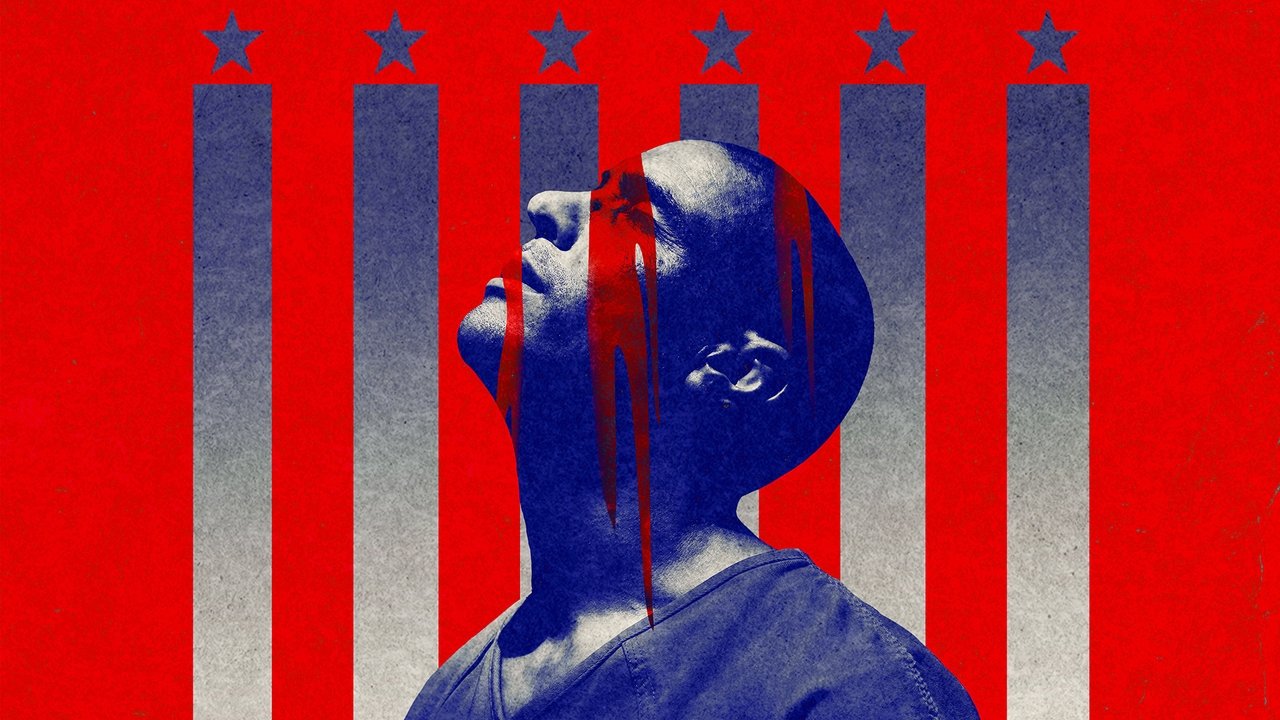
The film lives and dies on the shoulders of Tahar Rahim. If you haven't seen him in the 2009 masterpiece A Prophet, go find it immediately, but here he does something entirely different. He plays Slahi not as a saint, but as a man desperately clinging to his personality. He smiles, he cracks jokes with his guards, and he learns English by watching The Big Lebowski. It’s a soul-baring performance that avoids the "victim" tropes. You aren't just rooting for his freedom; you're rooting for him to remain himself.
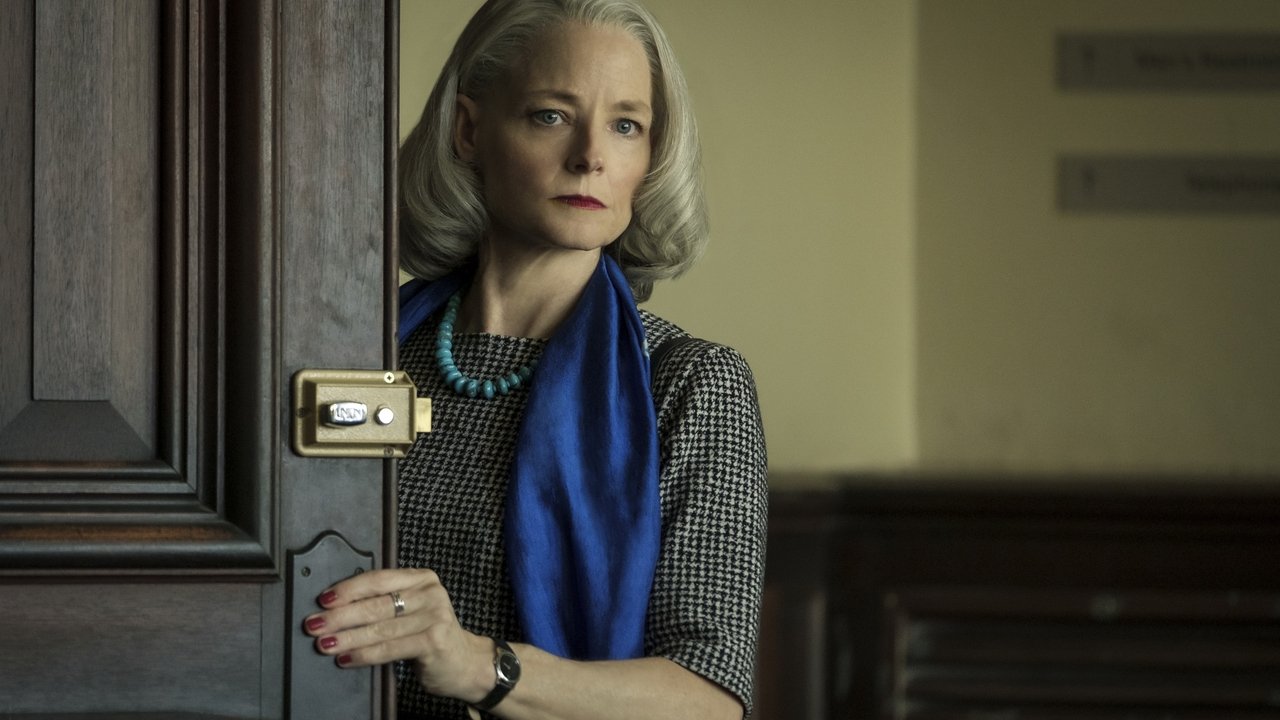
On the flip side, we have Jodie Foster as Nancy Hollander. Foster has reached that "silver fox" stage of her career where she can command a room with a single, icy stare through her glasses. She plays Hollander with a defiant lack of sentimentality. She isn't doing this because she’s a bleeding heart; she’s doing it because the law has to mean something, or it means nothing. Her chemistry with Shailene Woodley, who plays her junior associate Teri Duncan, provides the necessary friction. Woodley represents the audience’s struggle—the difficulty of defending someone when you aren't 100% sure of their innocence.
Then there’s Benedict Cumberbatch as Lt. Stuart Couch. Cumberbatch’s Southern accent here is actually sturdier than his "American" voice in the MCU, and he carries the film’s moral conscience. As a prosecutor whose friend died on United 175, he has every reason to want Slahi's head on a spike. His journey toward realizing that the government is hiding evidence even from him is the film's secondary engine. Watching him and Zachary Levi (playing a cynical CIA operative) trade barbs in a bar is a highlight of the film's quieter, character-driven moments.
The Weight of History
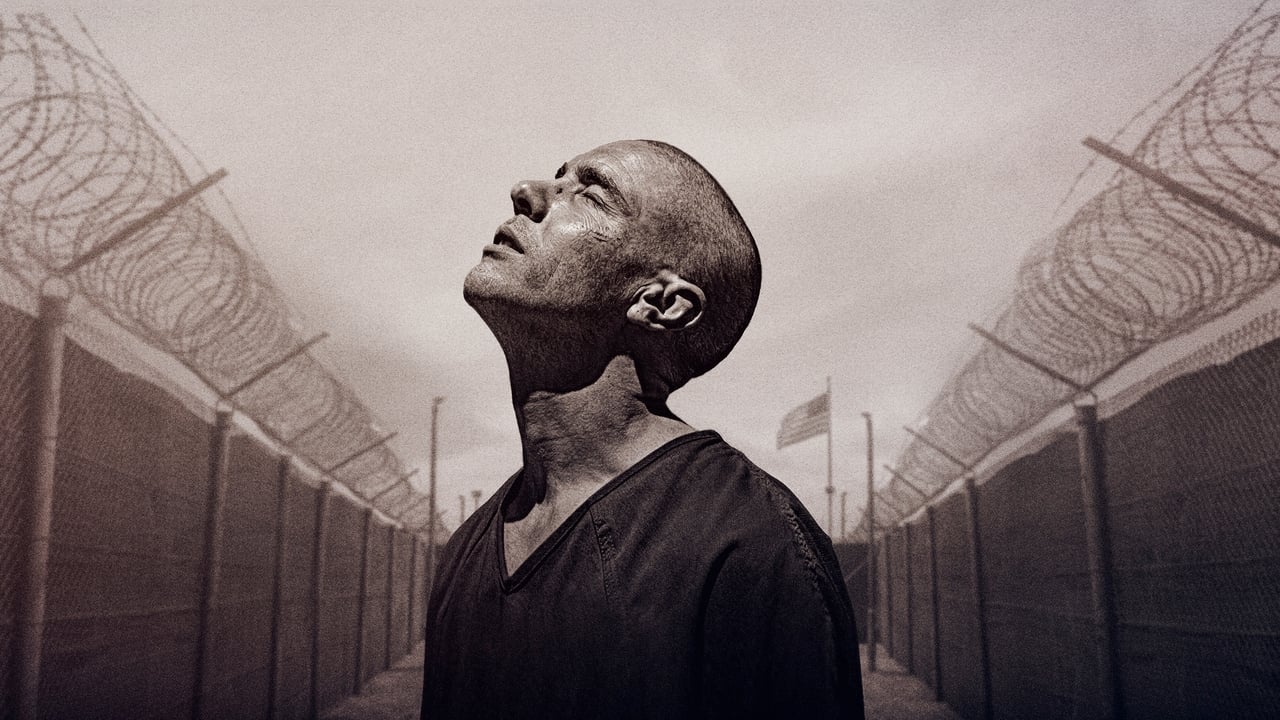
The production was a bit of a miracle, filmed mostly in South Africa standing in for Cuba and Mauritania. Interestingly, the real Mohamedou Ould Slahi was heavily involved, and the "Guantanamo Diary" he wrote (which the film is based on) was famously published with thousands of black-bar redactions. The film manages to capture that feeling of unearthing a secret. It arrived at a time when the "streaming era" was at its peak, and while it might have been lost in the shuffle of big-budget franchise noise, it remains one of the most vital entries in the 2020s' wave of accountability cinema.
It doesn’t offer an easy catharsis. Even as the credits roll and we see footage of the real Slahi, the weight of those lost years hangs heavy. It asks us to look at the "Contemporary Cinema" era's obsession with heroes and villains and realize that, in the real world, the villains are often just systems without a face.
The Mauritanian is a grueling but essential watch that avoids the pitfalls of being a "message movie" by focusing on the incredible resilience of one man. It’s a film that understands that the truth doesn't just set you free—it usually leaves a scar. Tahar Rahim delivers a performance that should have been a massive awards-season sweep, and Kevin Macdonald proves once again that he is one of our best navigators of the murky waters of modern history. Just be prepared to feel very, very angry at a lot of filing cabinets.

Keep Exploring...
-
The Courier
2020
-
The Siege of Jadotville
2016
-

Detroit
2017
-
Hotel Mumbai
2019
-
The Outfit
2022
-
Thirteen Lives
2022
-

Missing
2023
-

STRAW
2025
-
Boyka: Undisputed IV
2016
-

Brimstone
2016
-
Miss Sloane
2016
-
The Salesman
2016
-
The Place
2017
-
22 July
2018
-

Burning
2018
-
Mirage
2018
-
The Guilty
2018
-
An Officer and a Spy
2019
-
Official Secrets
2019
-

The Professor and the Madman
2019