The Night House
"Empty houses are never truly empty."
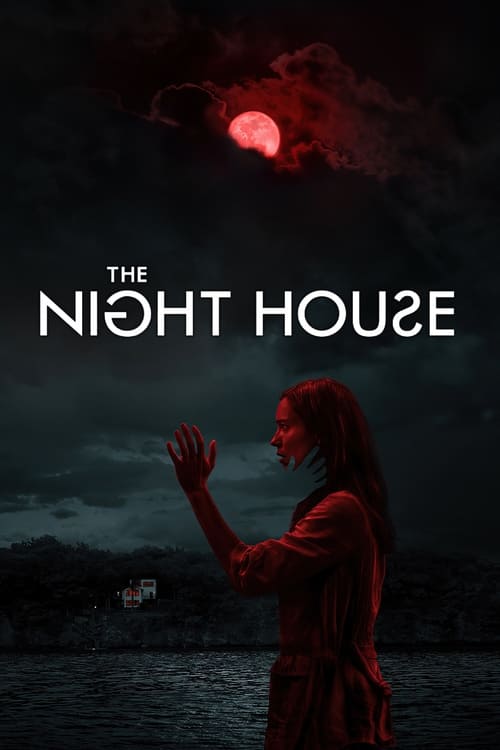
If you’ve ever spent a night alone in a house that feels about three sizes too big for your life, you know the specific brand of paranoia that The Night House feeds on. It’s that prickle on the back of your neck when the house "settles," or the way a pile of clothes on a chair looks suspiciously like a crouched figure at 3:00 AM. I watched this while wearing a pair of itchy wool socks that I usually find unbearable, but I was so locked into the screen that I didn't realize I’d kicked them across the room until the credits rolled.
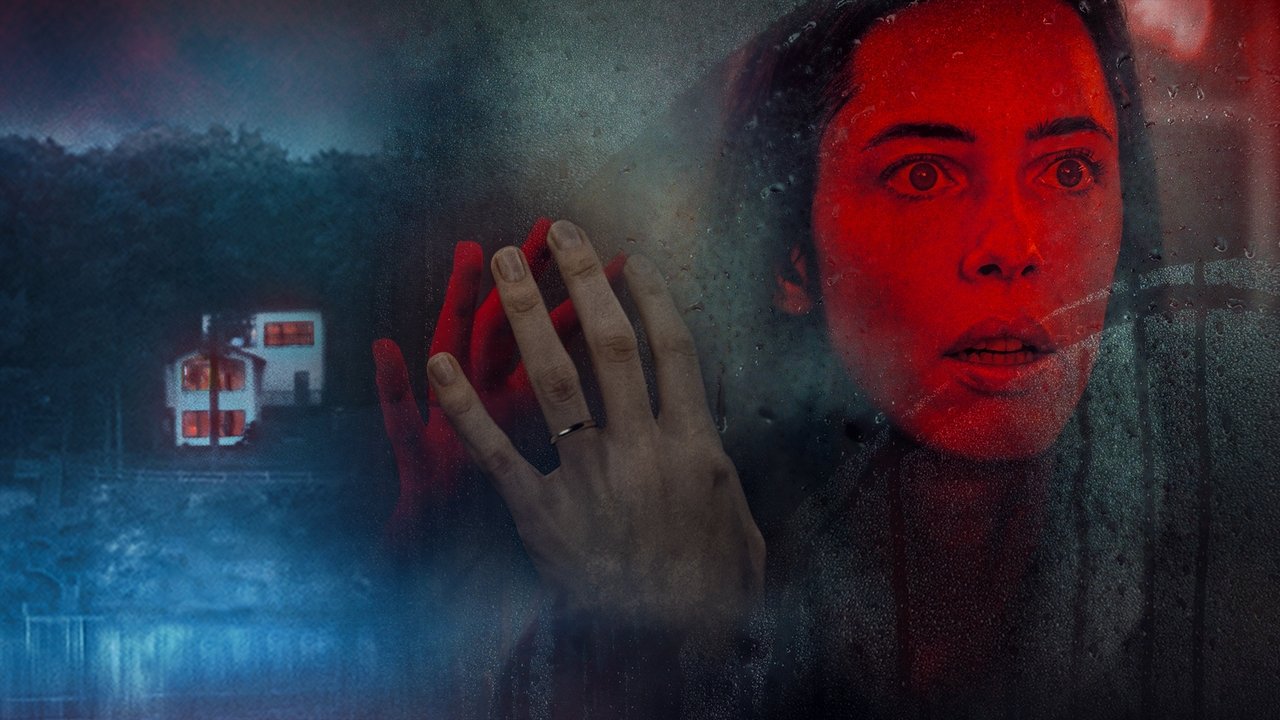
Directed by David Bruckner—the man who made the woods terrifying again in The Ritual (2017)—this film is a masterclass in using negative space. It arrived in 2021, a year when many of us were still intimately acquainted with the four walls of our own homes, and it turned that domestic familiarity into something deeply threatening. It’s a ghost story, sure, but it’s one where the ghost might just be the absence of someone who was supposed to stay.
The Architecture of a Breakdown
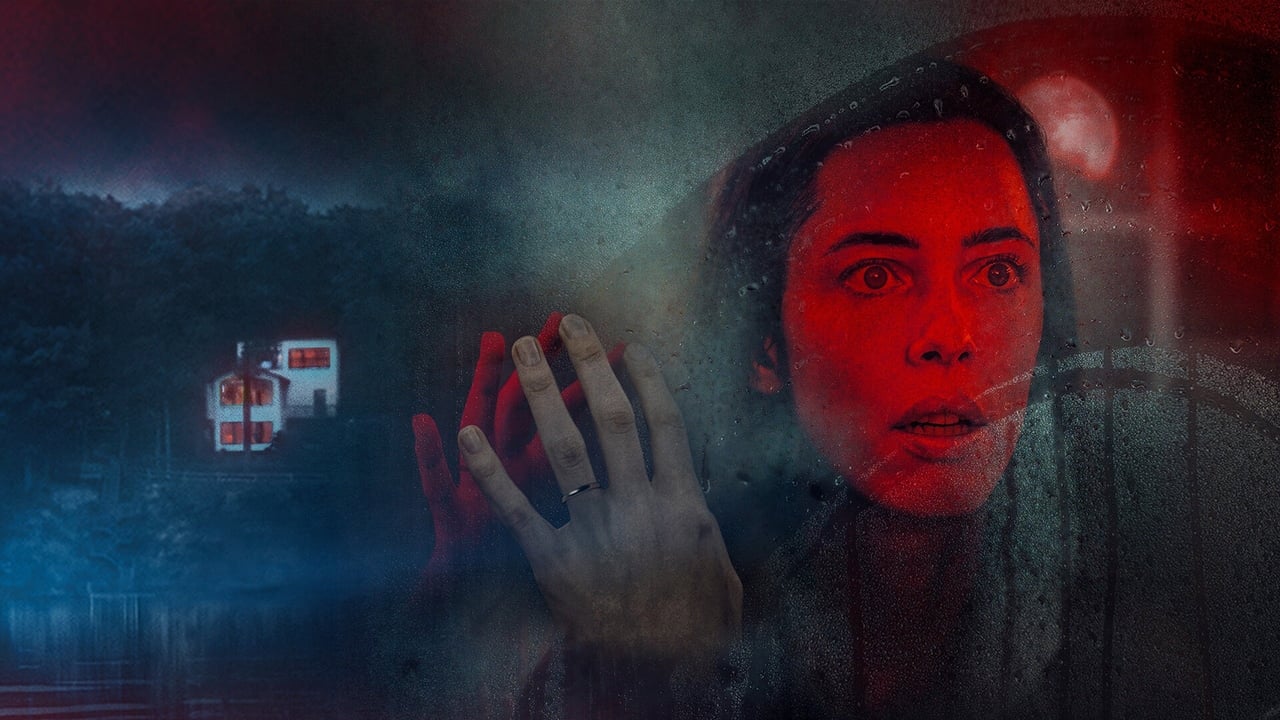
We meet Beth, played by the consistently phenomenal Rebecca Hall, shortly after her husband Owen (Evan Jonigkeit) has taken his own life. He left a cryptic note and a stunning lakeside house he built with his own hands. Beth isn't your typical horror protagonist. She’s sharp, abrasive, and currently drowning in a cocktail of grief and expensive brandy. When she starts seeing things in the shadows, she doesn’t just scream; she challenges them.
What makes this film feel so distinct in the current landscape of "elevated horror" is its visual language. David Bruckner and his cinematographer, Elisha Christian, use the literal architecture of the house to create optical illusions. A floor lamp, a doorway, and a hanging coat align perfectly to create the silhouette of a man standing in the hallway. It’s a trick of the light that mimics how our brains try to find patterns in the dark. Seeing Beth drink wine and shout at these empty corners is the most relatable 'grief mood' ever put on film. She’s not just scared; she’s offended that the universe would take her husband and then haunt her with the leftovers.
Secrets in the Floorboards
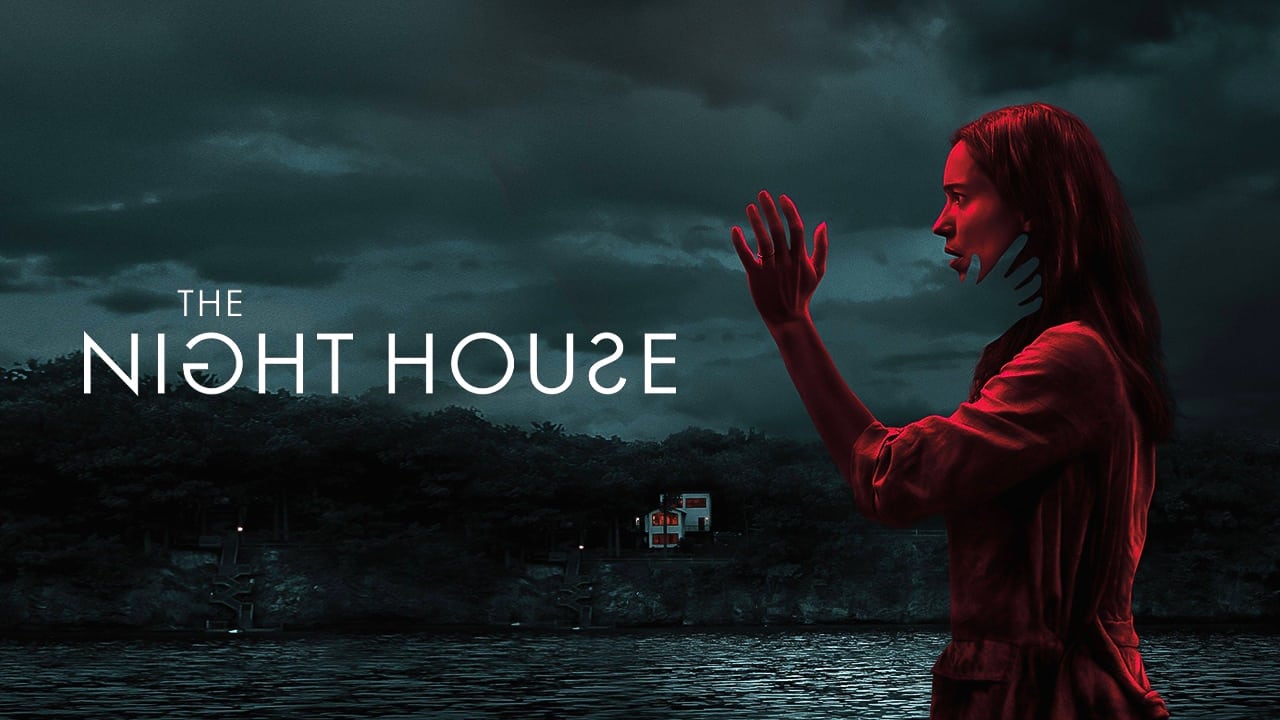
As Beth digs into Owen’s past, she finds floor plans for a house that is a mirror image of their own—a "reverse" house. She discovers photos of women who look remarkably like her, and the mystery shifts from a standard haunting to something far more sinister and occult.
The supporting cast does a lot of heavy lifting with relatively little screen time. Sarah Goldberg plays the concerned friend Claire with a grounded energy that offsets Beth’s spiraling intensity, while Vondie Curtis-Hall brings a weary warmth as the neighbor, Mel, who clearly knows more than he’s letting on. But make no mistake, this is Rebecca Hall's show. She captures that raw, ugly side of loss—the part where you're so exhausted by your own sadness that you've become a bit of a jerk to everyone trying to help you. It’s a performance that should have been in the awards conversation, but horror rarely gets that kind of invite to the party.
One of the coolest details I found out later is that the "Nothing" entity in the film wasn't originally intended to be so conceptual. The screenwriters, Luke Piotrowski and Ben Collins, leaned into the idea of "The Nothing" as a physical presence, which is a nightmare to film. To pull it off, the production used a lot of clever camera positioning rather than just throwing a CGI monster at the screen. That’s why the scares feel so earned; they’re built into the very geometry of the scenes.
A Modern Ghost Story

In an era where many horror films feel like they’re checking boxes on a "social commentary" list, The Night House feels refreshingly internal. It’s about the secrets we keep even from the people we share a bed with. It deals with depression not just as a theme, but as a literal monster that tries to convince you that "nothing" is better than "something."
The sound design by Ben Lovett deserves a shout-out here, too. There’s a jump scare involving a loud burst of music from a stereo that is so aggressive it felt like someone had actually clapped their hands next to my ear. It’s loud, it’s startling, and it’s perfectly placed to shatter the quiet, brooding tension the film spends twenty minutes building.
Released by Searchlight Pictures during that weird post-pandemic theatrical window, it didn’t set the box office on fire, pulling in about $14.6 million. In the streaming age, it’s the kind of film that finds its real life on platforms like HBO Max or Hulu, where people can pause and squint at the screen to see if that shadow really is a person. It doesn't rely on franchise lore or a "to be continued" ending; it’s a self-contained, hauntingly beautiful piece of cinema that respects the audience's intelligence.
The Night House is a rare breed of horror that manages to be both intellectually stimulating and genuinely frightening. It takes the "haunted house" trope and folds it in on itself like a piece of origami. If you're looking for something that will make you look twice at the corners of your bedroom before you turn out the lights, this is it. It’s a high-water mark for contemporary horror that proves you don't need a massive budget to create a world that feels truly unsettling.
Keep Exploring...
-

Hellraiser
2022
-

The Ritual
2017
-
The Empty Man
2020
-

Apostle
2018
-
The Void
2016
-
The Wailing
2016
-
Marrowbone
2017
-
Gonjiam: Haunted Asylum
2018
-
The Room
2019
-
Color Out of Space
2020
-
Gretel & Hansel
2020
-
Hubie Halloween
2020
-

The Lodge
2020
-
A Classic Horror Story
2021
-
Antlers
2021
-
Fear Street: 1666
2021
-

The Deep House
2021
-
Mr. Harrigan's Phone
2022
-
Watcher
2022
-
Thanksgiving
2023