The Power of the Dog
"The hills have shadows and the boys have secrets."
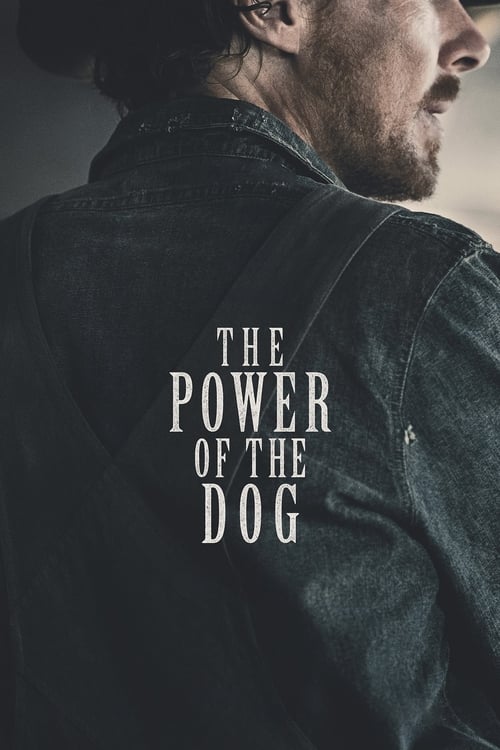
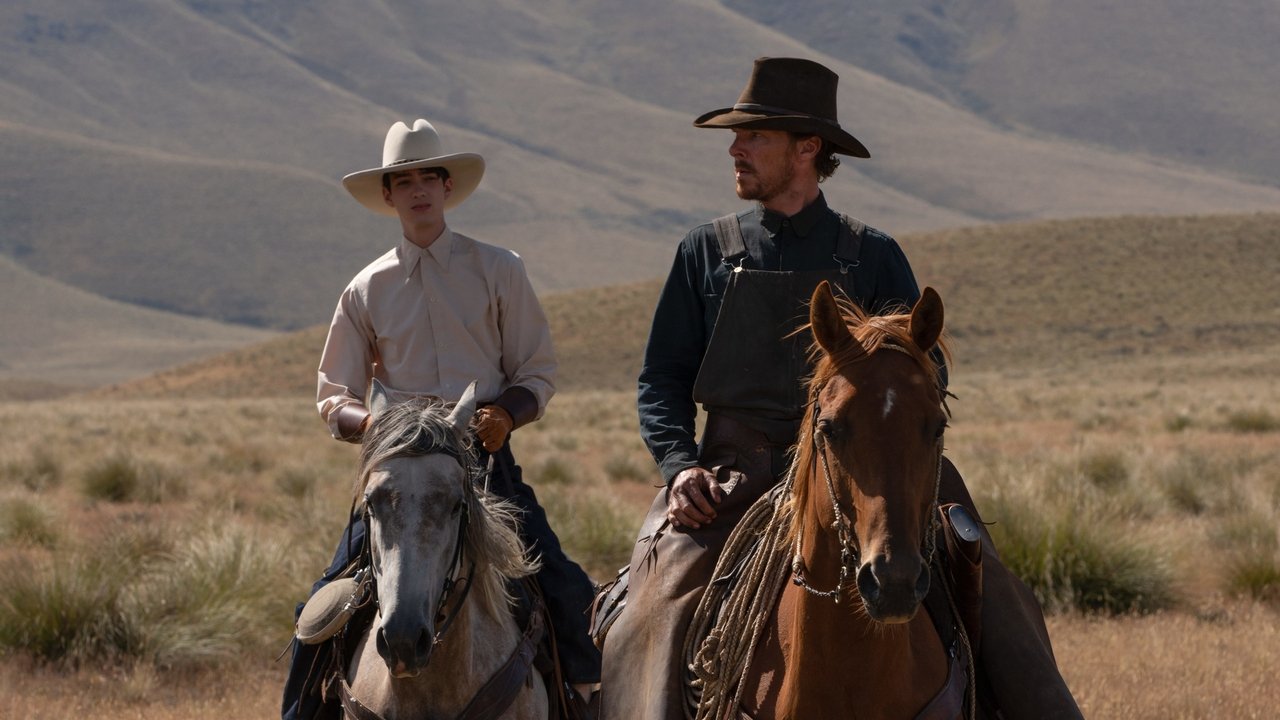
I remember watching this on a Tuesday night while trying to decide if the leftovers in my fridge were still safe to eat. After ten minutes of watching Benedict Cumberbatch’s Phil Burbank prowl around a dusty Montana ranch with hands that looked like they hadn't seen soap since the McKinley administration, I decided to just skip dinner entirely and wash my own kitchen twice. There is a specific kind of "dirty" that Jane Campion captures here—it’s not just the mud on the boots, it’s the psychological grime that sticks to your ribs long after the credits roll.
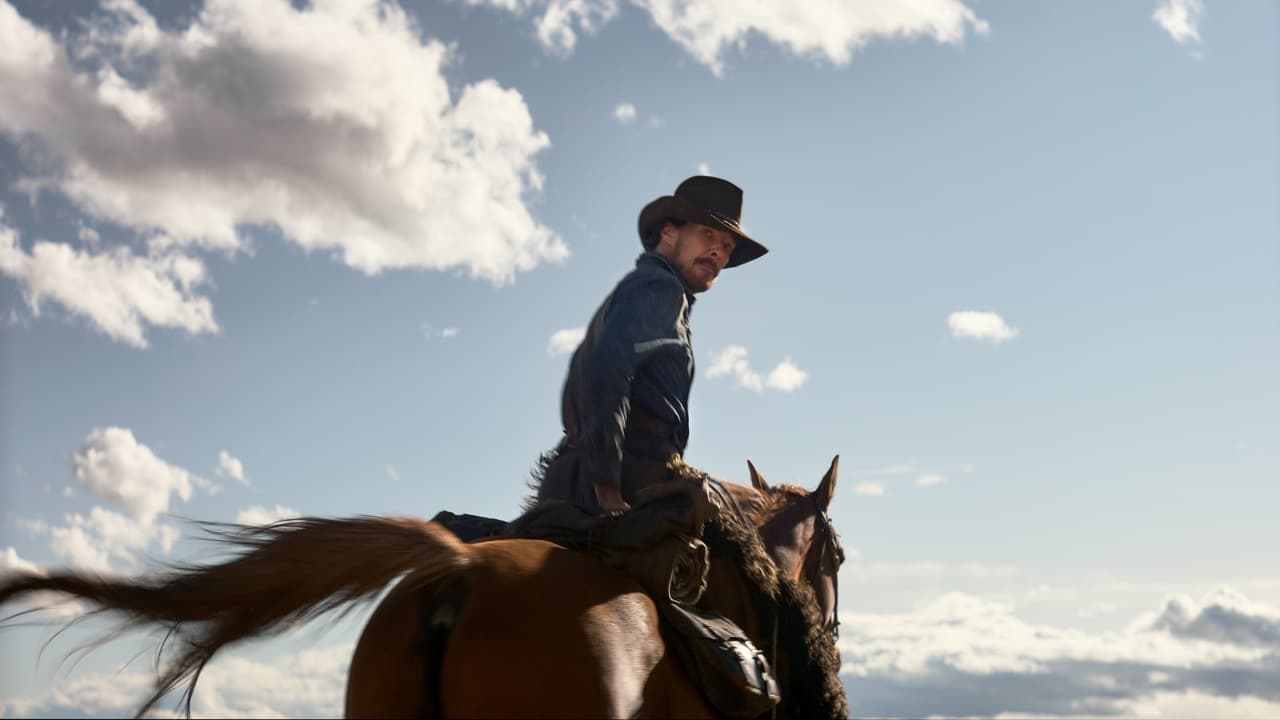
The Slow-Motion Knife Fight
In an era where "Western" usually implies a retired action star shooting at CGI bandits, The Power of the Dog is a magnificent anomaly. It’s a psychological thriller masquerading as a frontier drama. Released straight to Netflix (though I’m still kicking myself for missing the limited theatrical run), it’s the kind of film that highlights the weird tension of our current streaming age. On one hand, millions of people watched a quiet, slow-burn art film on their couches; on the other, half of them probably checked their phones during the scenes where the silence was doing the heavy lifting.
And the silence does lift. Benedict Cumberbatch (who you might know as the world's most caffeinated detective in Sherlock) delivers a performance that is basically a high-wire act of repressed rage. He plays Phil as a man who has weaponized his own intellect and masculinity to keep the world at arm's length. When his brother George, played with a heartbreaking, doughy sincerity by Jesse Plemons (Killers of the Flower Moon), brings home a new wife and her teenage son, Phil doesn't just get annoyed—he goes to war.
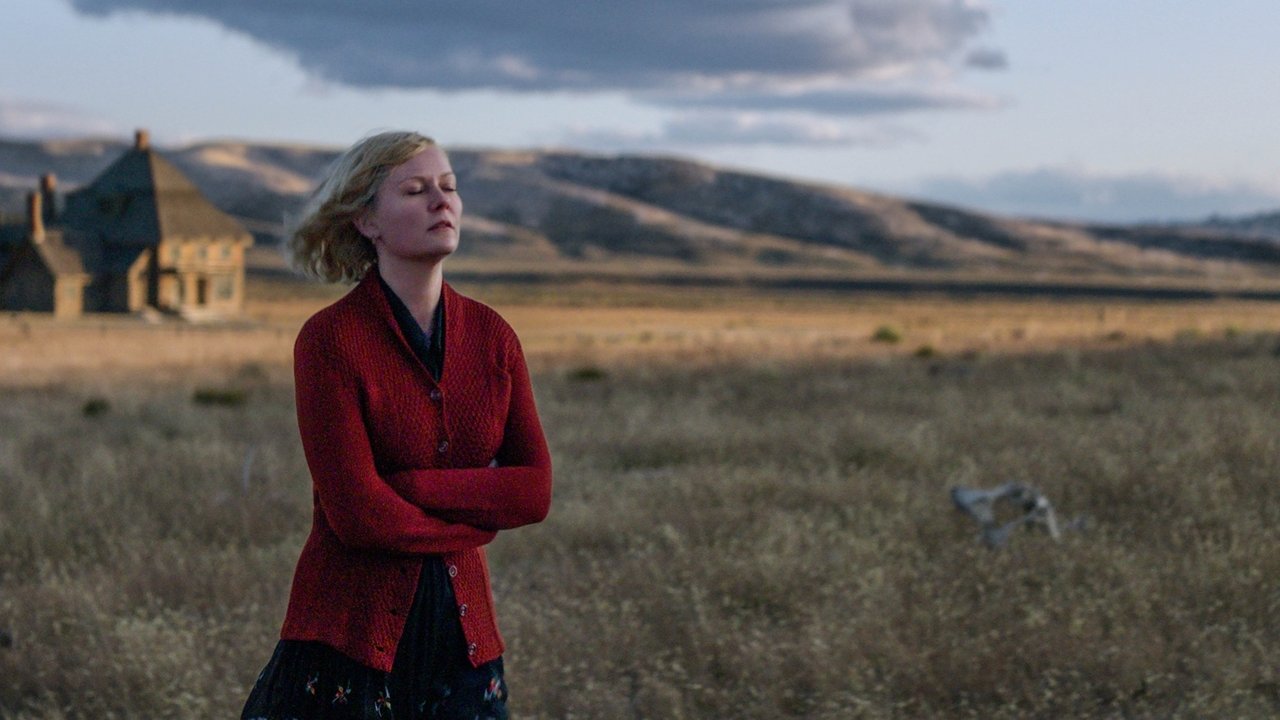
But here’s my hot take: Phil Burbank isn't a cowboy; he’s essentially a toxic Reddit moderator with a horse. He spends his days policing everyone’s behavior and his nights retreating into a private world of intellectual superiority and hidden grief. Watching him interact with Kirsten Dunst’s Rose is like watching a cat play with a mouse that’s already had a heart attack. Dunst is incredible here, portraying a woman being dismantled piece by piece by a man who barely has to raise his voice to break her.
The Art of the Invisible Dog
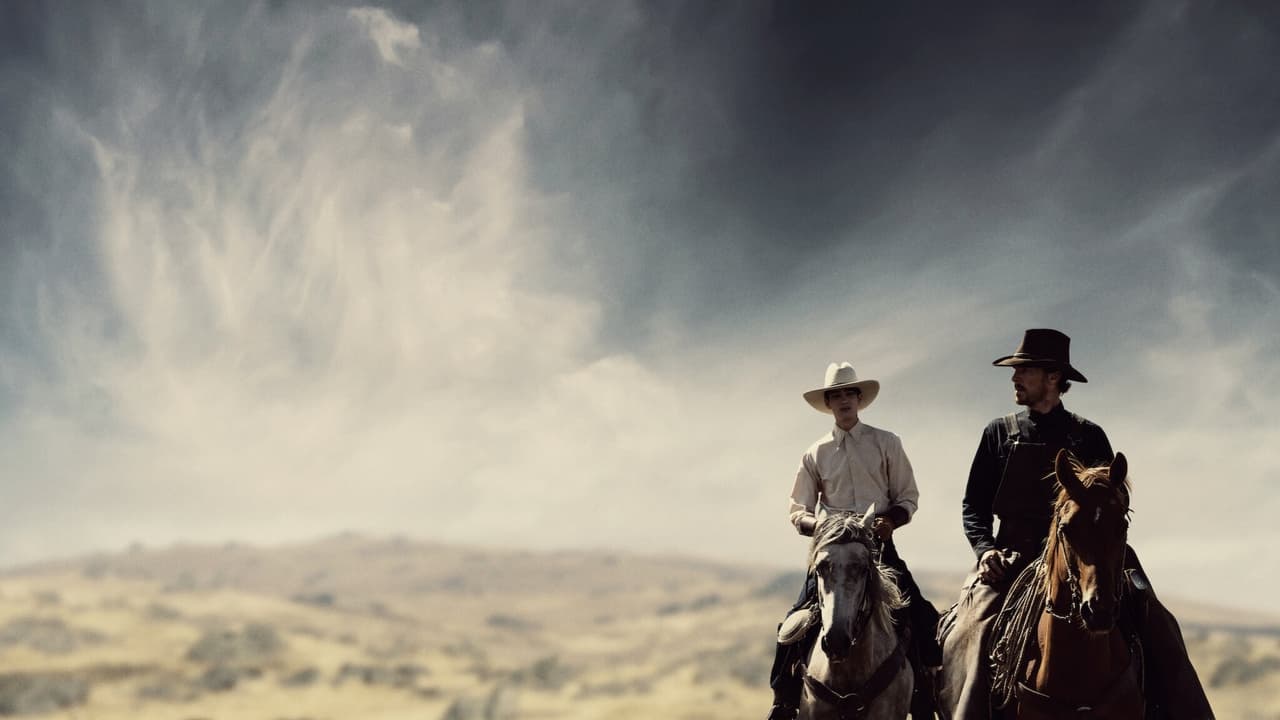
If you’ve spent any time in the darker corners of film Twitter or Letterboxd, you know this movie has developed a massive following of "Peter-heads." Kodi Smit-McPhee plays Peter, Rose's son, with a lanky, ethereal strangeness that makes him look like he was drawn by Edward Gorey. At first, you think he’s the victim. By the end, you realize he might be the only person in the movie who actually knows what game is being played.
The film has gained a cult-like status for its "blink and you'll miss it" storytelling. I’ve seen fans obsessively screenshotting the frames of the mountain range to find the "barking dog" shadow that Phil is so obsessed with. It reminds me of the way people used to talk about the hidden clues in The Shining. There’s a scene involving a pair of hula hoops and a surgeon’s manual that is more tense than any shootout I’ve seen in the last decade. It’s a Western for people who think they’re too smart for jump scares, but it’s just as terrifying.
Stuff You Didn't Notice (But the Internet Did)
The behind-the-scenes stories are almost as prickly as the film itself. Apparently, Benedict Cumberbatch went full method, refusing to speak to Kirsten Dunst on set to maintain the onscreen animosity. He also didn't wash his clothes or his body for a significant portion of the shoot. While that’s great for the "stinky cowboy" aesthetic, I can only imagine what the craft services tent smelled like.
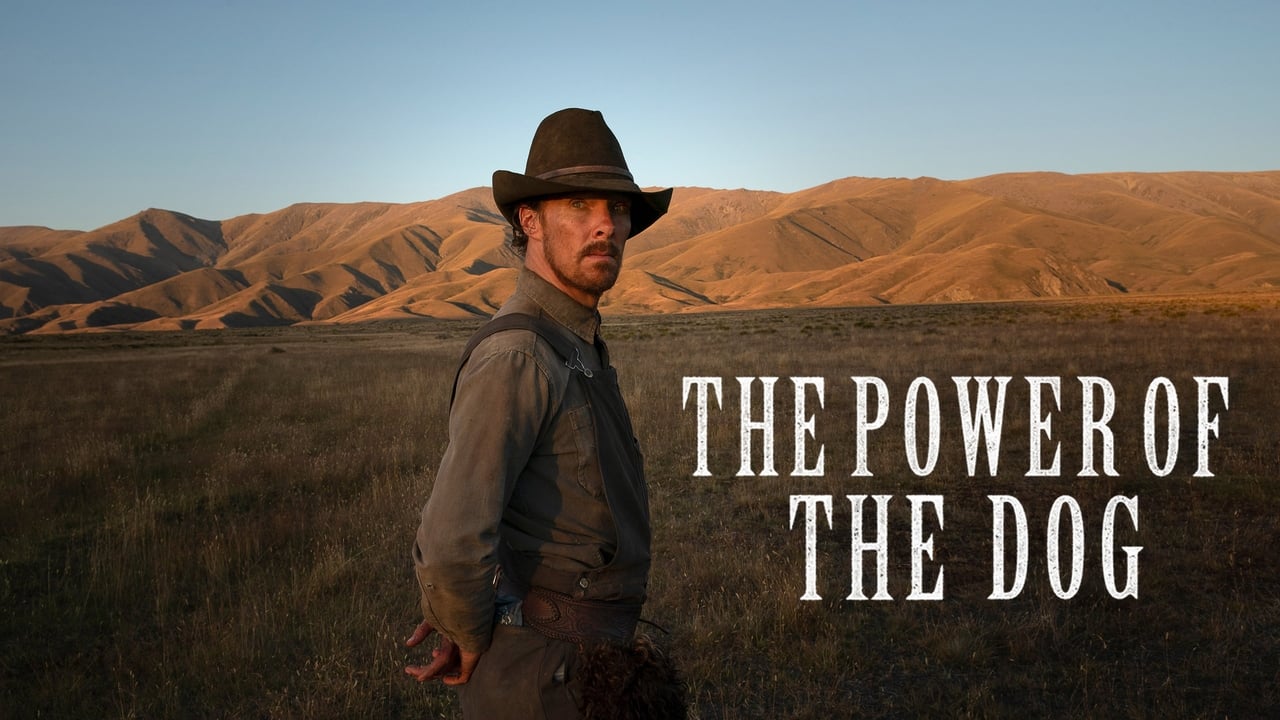
Then there’s the score by Jonny Greenwood (There Will Be Blood). He used a detuned cello to create that twanging, anxious sound that feels like a rubber band about to snap against your eyeball. It’s the perfect sonic match for Ari Wegner’s cinematography. Wegner became only the second woman ever nominated for an Oscar in that category, and honestly, the way she shoots a piece of rawhide makes it look more erotic and dangerous than most modern romances.
Because this was a New Zealand production doubling for 1920s Montana, there’s a strange, pristine quality to the landscape. It’s too beautiful to be this cruel. That’s the Jane Campion touch—she’s been doing this since The Piano (1993), making films where the environment is just another character waiting to swallow the humans whole. In an era of "Content" designed to be consumed while folding laundry, this is a movie that demands you sit down and shut up.
This isn't a "fun" movie in the traditional sense—you won't leave wanting to buy a cowboy hat and move to the ranch. But as a piece of contemporary drama, it’s a total knockout that rewards the patient viewer. It’s a story about how the things we hide eventually become the things that kill us, wrapped in the gorgeous, dusty packaging of a dying frontier. If you haven't seen it yet, put your phone in the other room, grab a drink (maybe not the one Rose is having), and let the shadows on the hills speak to you.
Keep Exploring...
-
Hostiles
2017
-
Hell or High Water
2016
-
The Ballad of Buster Scruggs
2018
-
The Sisters Brothers
2018
-

The Piano
1993
-
The King
2019
-

Brimstone
2016
-
American Made
2017
-
The Beguiled
2017
-
Vice
2018
-
El Camino: A Breaking Bad Movie
2019
-
News of the World
2020
-
Killers of the Flower Moon
2023
-
Slow West
2015
-
Jungle
2017
-
The Dressmaker
2015
-
The Current War
2018
-
13 Hours: The Secret Soldiers of Benghazi
2016
-
Allied
2016
-
Café Society
2016