The Stronghold
"In the Northern Districts, the law is just a suggestion."

Marseille doesn’t just simmer in Cédric Jimenez’s The Stronghold (originally titled BAC Nord); it boils over, spilling grease and grit onto every frame. It is a city of blinding Mediterranean sun and deep, jagged shadows, where the police don’t so much "serve and protect" as they do survive and manage. I watched this while wearing a heavy wool sweater in a room where the heater was stuck on high, and honestly, the stifling, itchy discomfort of my own making felt like the perfect 4D accompaniment to the film’s mounting claustrophobia.
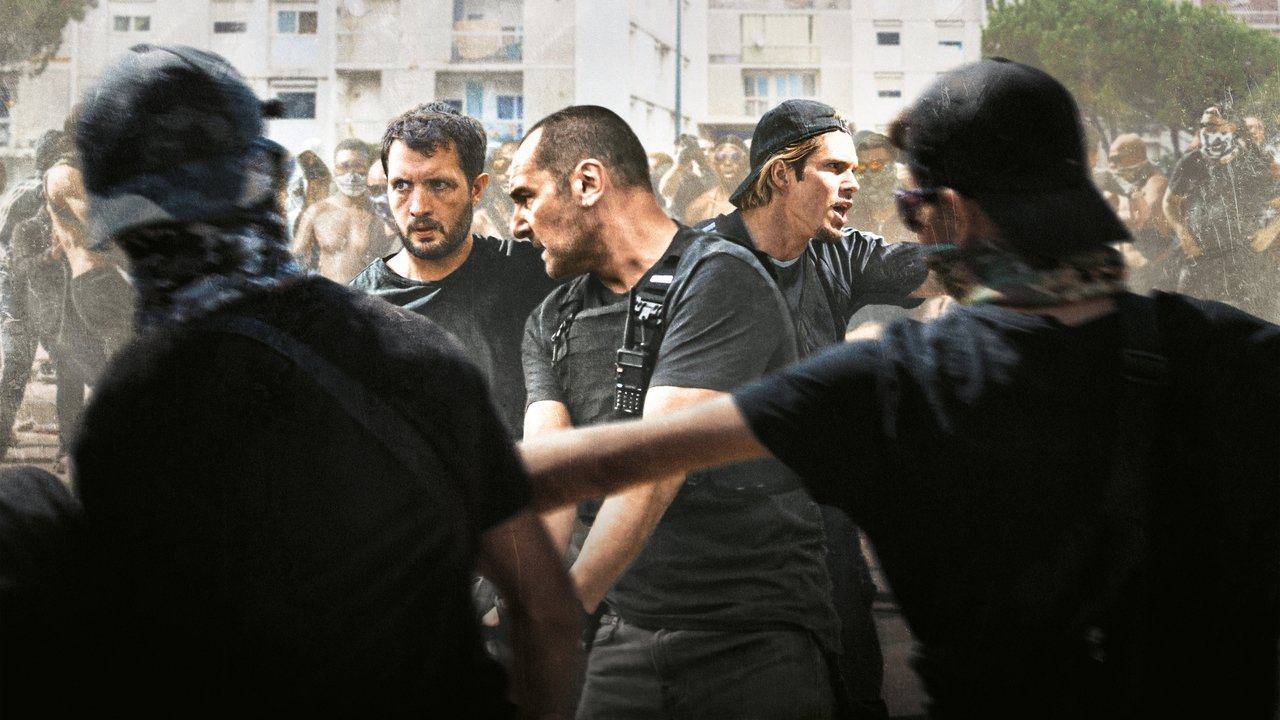
This is contemporary French crime cinema at its most muscular and controversial. Released in 2021, it arrived at a moment when global conversations about policing were at a fever pitch, and The Stronghold didn’t exactly try to lower the temperature. It’s a film that exists in the friction between the theatrical "cop thriller" and the harsh reality of the streaming era’s demand for gritty, "true-life" authenticity.
The Grime of the Quartiers Nord
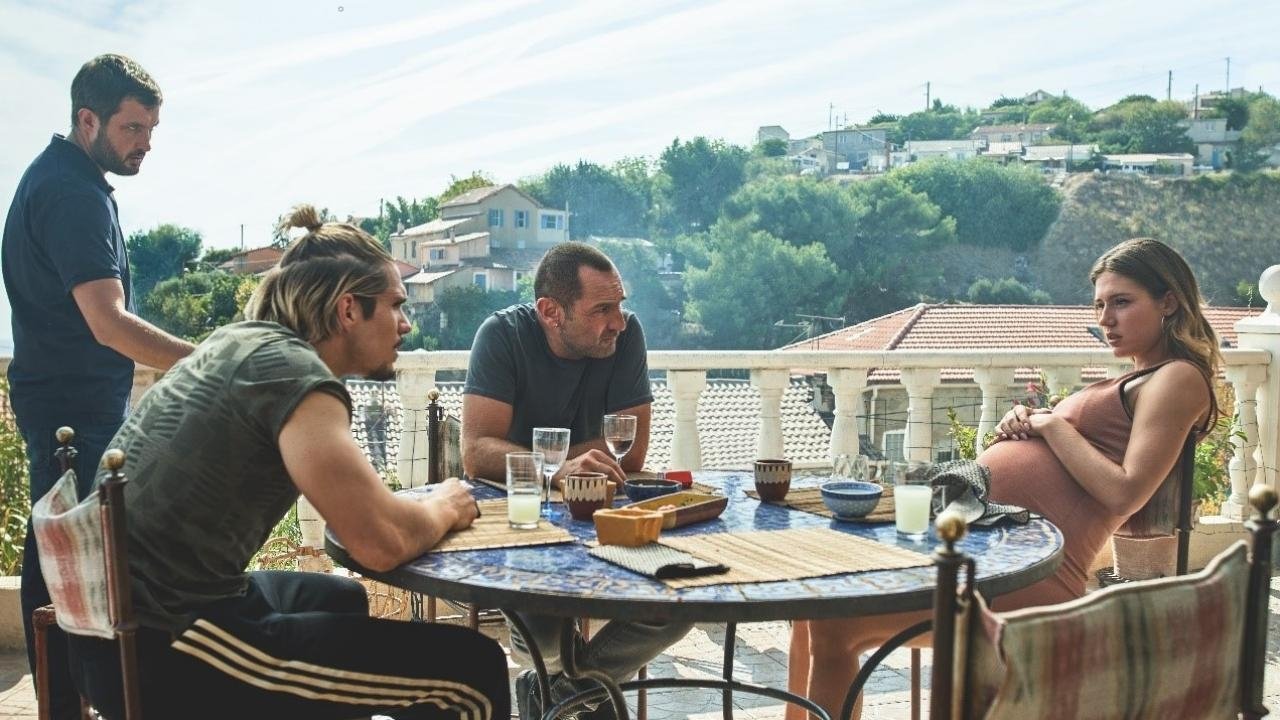
The story centers on three members of the BAC (Brigade Anti-Criminalité): Greg, Antoine, and Yass. Gilles Lellouche (who I first really noticed in Tell No One) plays Greg with a weary, thick-necked intensity that suggests a man who has forgotten what a quiet night looks like. Alongside him, François Civil (excellent in the recent The Three Musketeers: D'Artagnan) and Karim Leklou round out a trio that feels lived-in and bone-tired. They operate in the Northern Districts, a "no-go" zone where the architecture is as brutal as the business being conducted inside it.
Jimenez, a Marseille native himself, captures the setting with a frantic, handheld energy that never feels like a gimmick. He avoids the "shaky-cam" pitfalls that plague so many modern action flicks; instead, the camera feels like a fourth member of the squad, ducking behind car doors and weaving through narrow, trash-strewn hallways. The sound design is equally oppressive—the constant buzz of scooters, the distant shouts, and the sharp, metallic clack of weapons being readied. It’s an immersive, sensory experience that makes you want to wash your face the moment the credits roll.
Chaos Choreographed
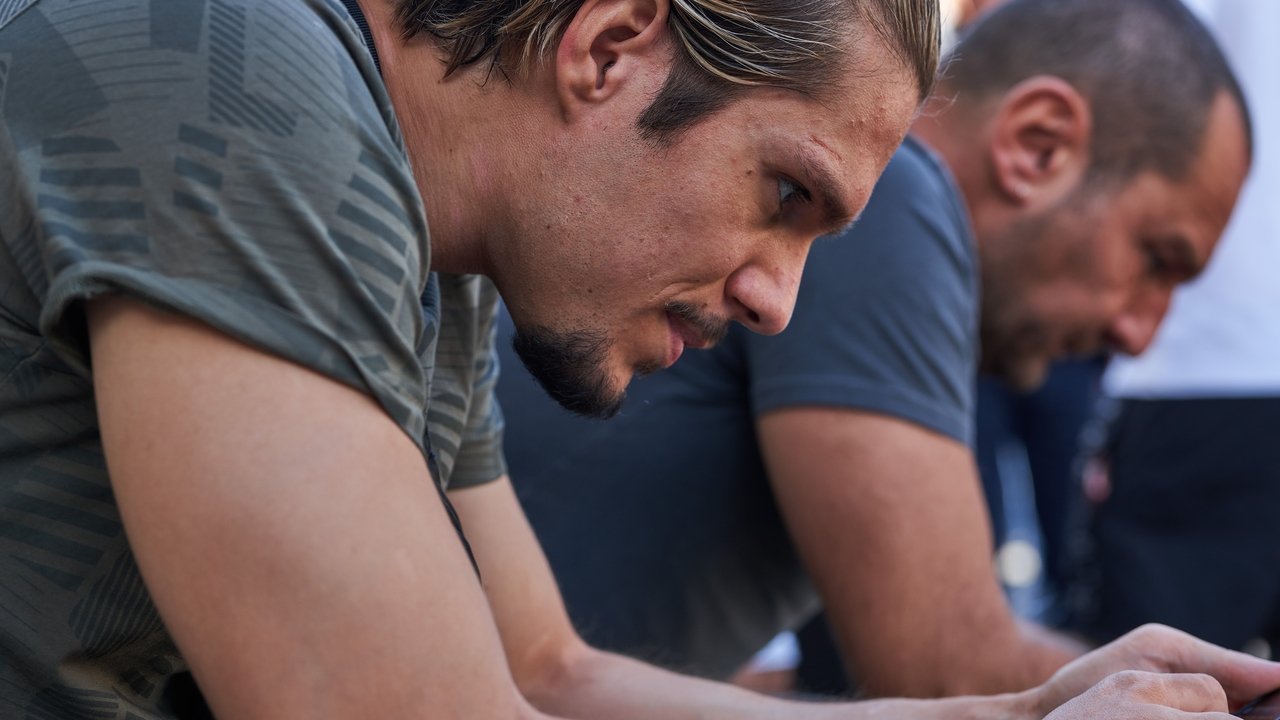
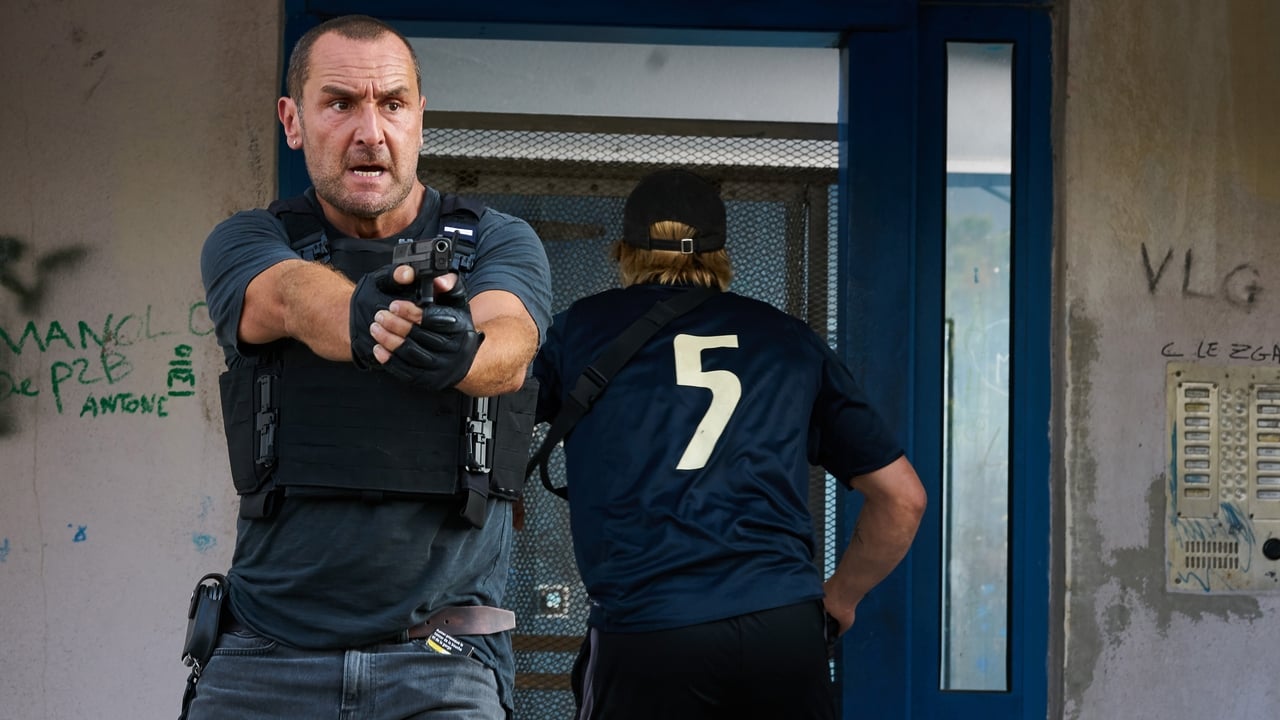
The centerpiece of the film is a massive raid on a high-rise housing estate to bust a drug ring. This isn't a slick, Hollywood-style tactical insertion. It’s a chaotic, terrifying scramble. The cinematography by Laurent Tangy stays tight on the characters’ faces, capturing the transition from professional focus to pure, unadulterated panic. When the neighborhood pushes back, the film shifts from a crime procedural into something bordering on a war movie.
What makes this sequence work isn't just the stunt work—which is bruisingly physical—but the pacing. Jimenez allows the tension to build until it’s nearly unbearable before the first brick is even thrown. You feel the weight of the tactical gear and the heat of the Marseille summer. The film treats its protagonists like tragic heroes when they’re really just high-functioning adrenaline junkies with badges, and that moral ambiguity is where the film finds its teeth. It’s not about the "good guys" winning; it’s about a group of men who have become indistinguishable from the chaos they’re supposed to contain.
A System Designed to Fail
The script, co-written by Jimenez and Audrey Diwan (who later directed the devastating Happening), is based on the real-life 2012 BAC Nord scandal. The pivot in the second half of the film is what elevates it from a standard action-thriller into something much darker. After the adrenaline of the raid wears off, the system turns inward. The characters find themselves sacrificed by their superiors for political optics—a theme that feels particularly pointed in our current era of institutional skepticism.

There was a lot of noise on social media and at the Cannes Film Festival regarding the film’s politics, with some critics labeling it "pro-police" or even "reactionary." To me, it felt more cynical than that. It’s a film about a system that demands results but refuses to provide the legal framework to achieve them, creating a vacuum where corruption becomes a tool of the trade. Adèle Exarchopoulos (of Blue Is the Warmest Color fame) provides a grounded, humanizing counterpoint as Nora, but even her presence can't soften the blow of the final act.
The transition from the sun-bleached streets to the cold, fluorescent-lit reality of a prison cell is jarring and effective. It strips away the "action hero" veneer and leaves us with three broken men. While the film might lack the historical distance to be called a definitive classic, it stands as a potent, sweat-soaked document of the tensions currently rippling through French society. It’s a tough watch, but in an era of sanitized franchise entertainment, its willingness to get its hands dirty is refreshing.
The Stronghold is a high-octane dive into a moral gray zone that refuses to offer easy exits. It’s a film defined by its intensity, anchored by a powerhouse performance from Gilles Lellouche and a directing style that hits like a lead pipe to the shins. While the second-half tonal shift might frustrate those looking for a straight action fix, it’s exactly what gives the film its lasting, uncomfortable sting. If you’re looking for a thriller that values grit over glamour, this is your ticket.
Keep Exploring...
-
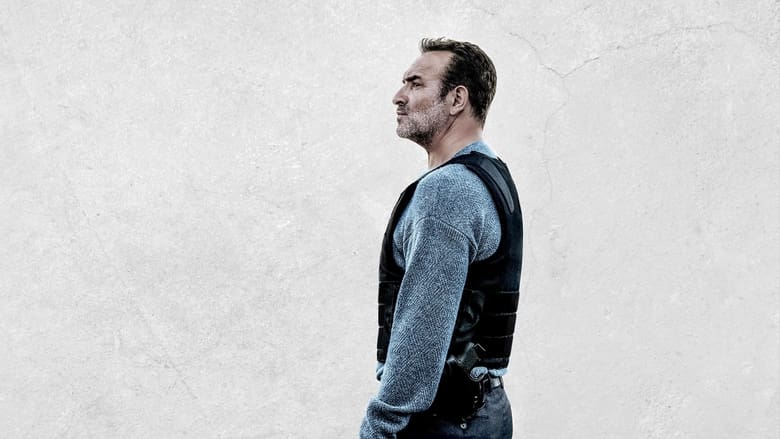
November
2022
-

The Connection
2014
-

The Gangster, the Cop, the Devil
2019
-
Batman vs. Robin
2015
-
Patriots Day
2016
-
John Wick: Chapter 2
2017
-
Beating Hearts
2024
-

The Beekeeper
2024
-
Brawl in Cell Block 99
2017
-
Black and Blue
2019
-
Dragged Across Concrete
2019
-
Lost Bullet
2020
-
Memory
2022
-
A Working Man
2025
-
John Wick: Chapter 3 - Parabellum
2019
-
Bad Boys for Life
2020
-
Extraction 2
2023
-
Fast X
2023
-
John Wick: Chapter 4
2023
-
The Equalizer 3
2023