The Suicide Squad
"Give 'em hell. Or just give 'em a giant starfish."

The moment a giant, bright-pink psychic starfish began to tear through a fictional South American city, I realized that the "serious" era of superhero cinema had finally cracked. For years, we were stuck in a cycle of brooding gods and world-ending sky beams, but James Gunn—fresh off a brief, strange exile from the Marvel camp—decided to pivot. He didn’t just make a sequel to a movie most people spent five years trying to forget; he made a $185 million fever dream about the losers of the DC universe.
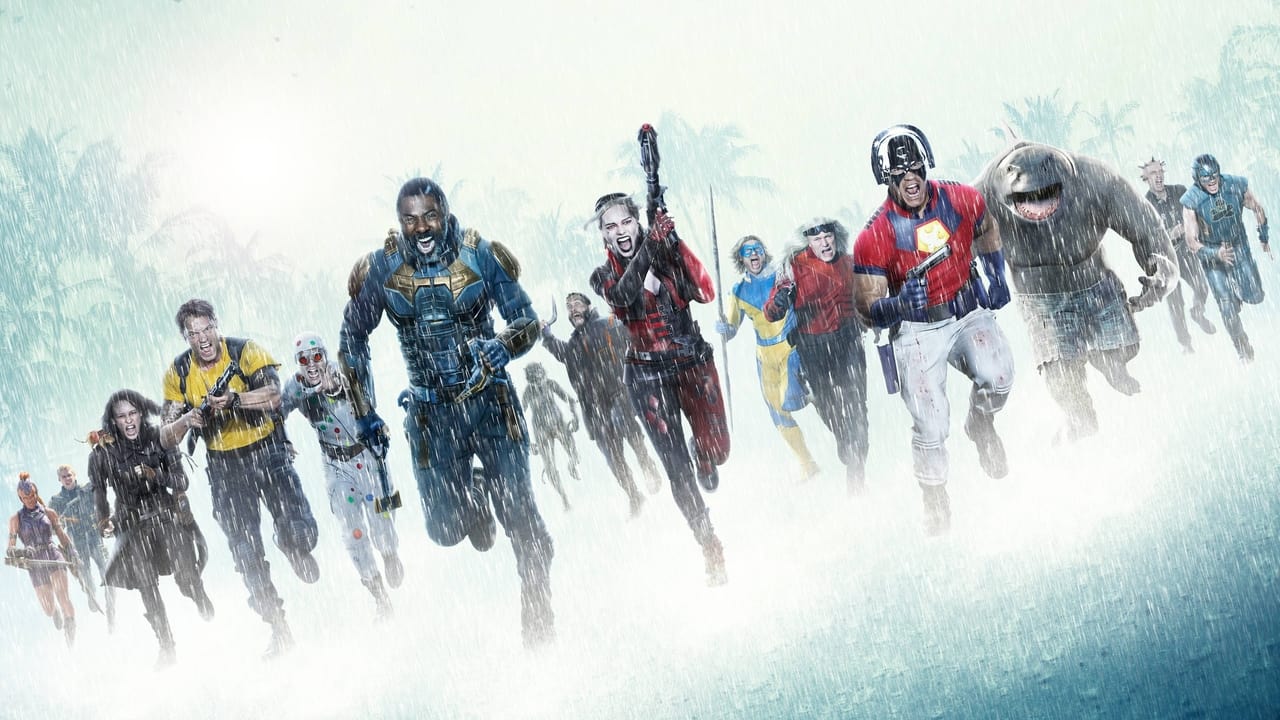
I watched this film on my couch while my cat, Ziggy, spent thirty minutes trying to fight a ghost in the corner of the room. Honestly, that frantic, nonsensical energy was the perfect pairing for what was happening on screen.
A Murder-Off in the Jungle
The 2021 iteration of The Suicide Squad is a strange beast of the streaming era. Released simultaneously in theaters and on HBO Max during that weird "are we going outside yet?" phase of the pandemic, it feels like a film designed to be paused, rewinded, and gawked at. Unlike the 2016 predecessor, which felt like it had been edited by a committee of people who had only ever seen energy drink commercials, Gunn’s version has a distinct, bloody rhythm.
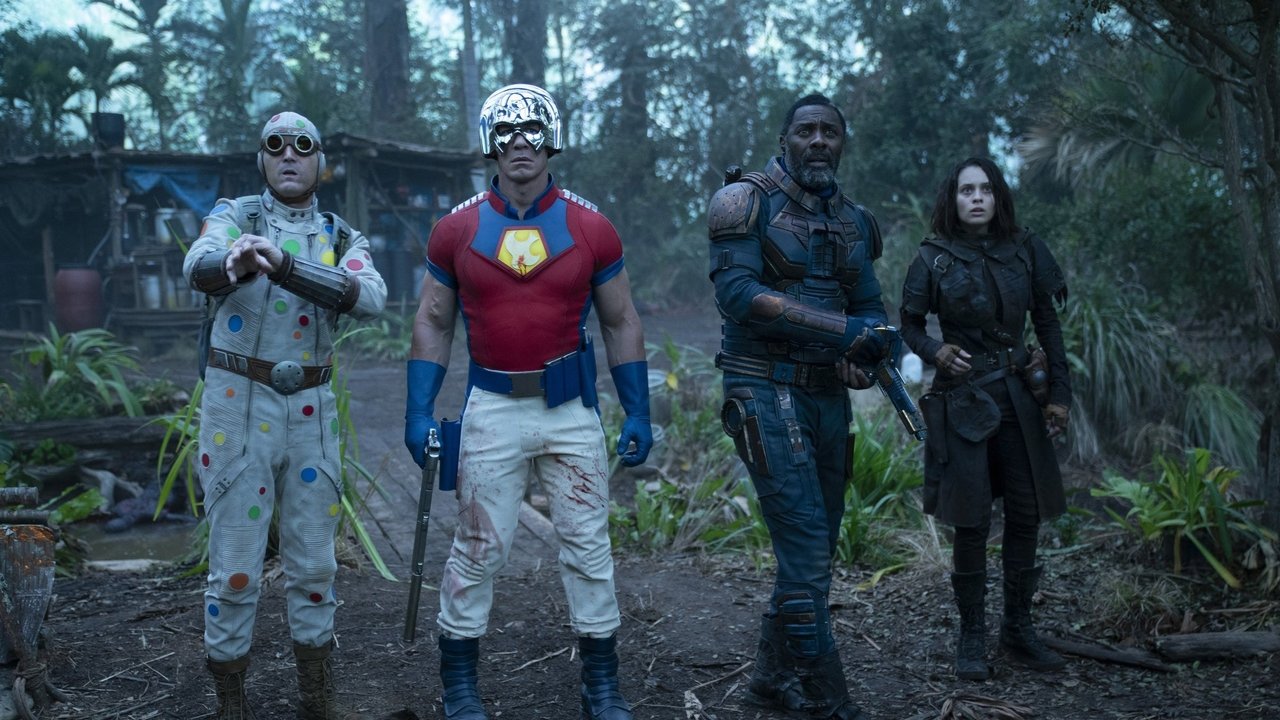
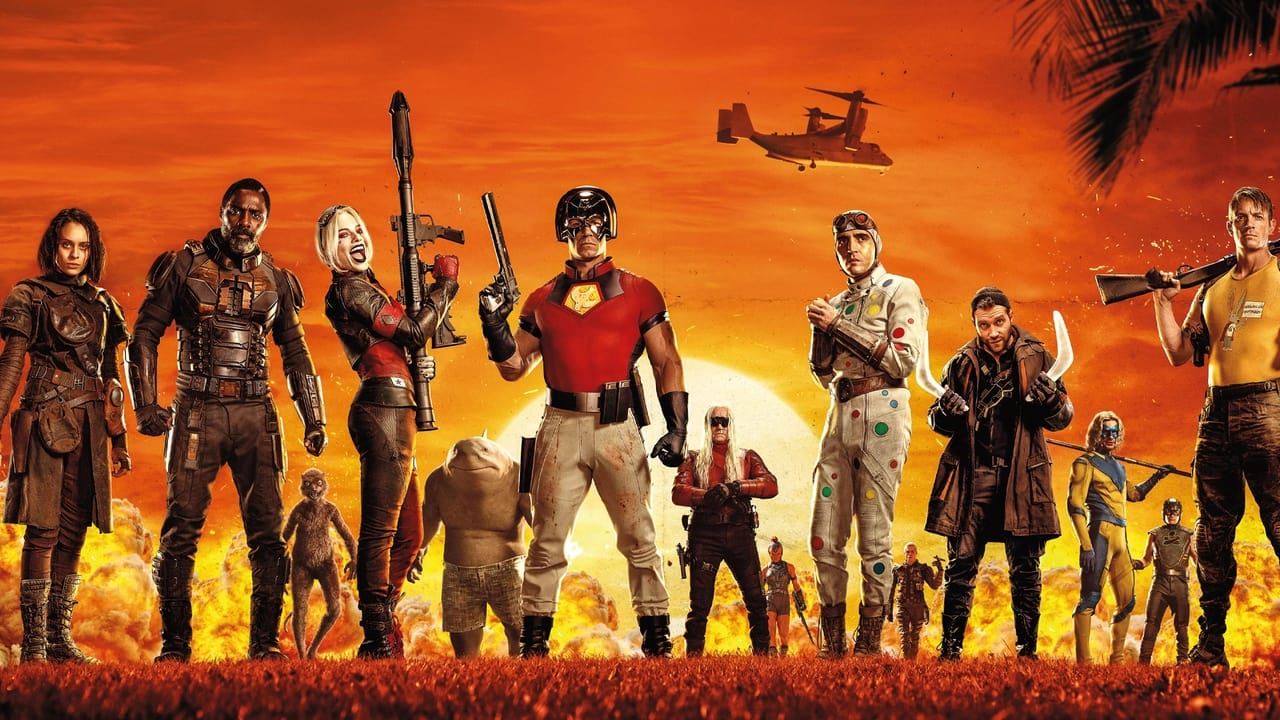
The action choreography here is a masterclass in clarity. Take the sequence where Idris Elba (Bloodsport) and John Cena (Peacemaker) compete to see who can kill a camp of rebels in the most "creative" way. It’s a rhythmic, darkly comedic dance of death that tells you everything you need to know about their rivalry without a single line of expository dialogue. The movie is essentially a Troma film with a $185 million bank account. It revels in the physical reality of its stunts. While there’s plenty of CGI—including a very hungry King Shark voiced by Sylvester Stallone—the film heavily utilized massive practical sets. They actually built a huge chunk of that beach and jungle inside a soundstage in Atlanta, and you can feel that weight in every explosion.
The Art of Failing Up

What makes this a burgeoning cult classic is how it embraces the "expendable" nature of its cast. In most franchise films, you know the guy with his name on the poster isn't going anywhere. Here, Gunn treats his characters like a kid treats a box of fireworks: he’s excited to see them glow, but he’s perfectly happy to watch them blow up.
Margot Robbie returns as Harley Quinn, and while she’s the veteran of the group, she’s given a poetic, solo escape sequence that feels like a violent Disney princess musical. But the real heart comes from the weirdos. David Dastmalchian as Polka-Dot Man turns one of the silliest concepts in comic book history into a tragic, Oedipal nightmare. Then there’s Daniela Melchior as Ratcatcher 2, who provides the emotional anchor that prevents the movie from spinning off into pure nihilism.
Apparently, the production was so massive that John Cena became obsessed with his costume, reportedly wearing the Peacemaker suit home and during interviews just to get into the headspace of a man who "cherishes peace so much he’ll kill as many women and children as he needs to get it." That level of commitment to the absurd is exactly why the film works. It’s a contemporary blockbuster that refuses to apologize for being a comic book movie.
Stuff You Might Have Missed
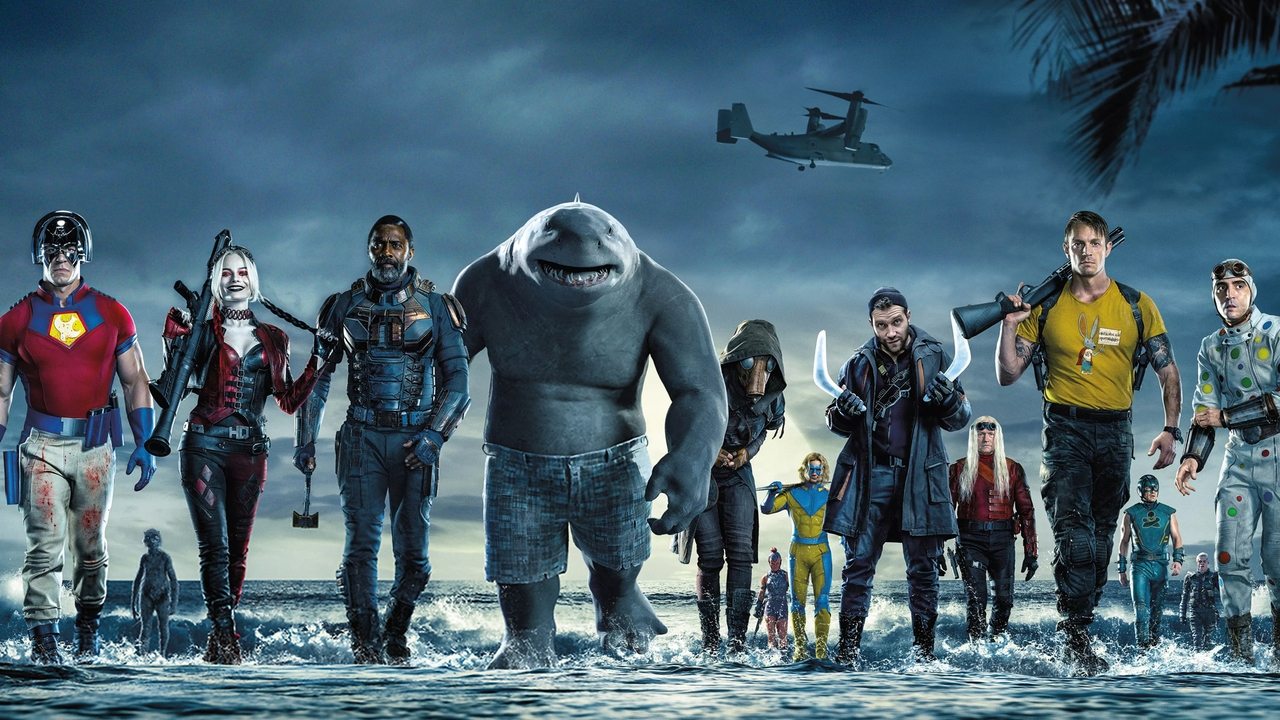
The behind-the-scenes DNA of this film is a treasure trove for trivia nerds. For starters, the Weasel—that horrifying, bug-eyed creature that looks like a damp rug—was played via motion capture by Sean Gunn, the director's brother. He also pulls double duty as Calendar Man in the prison scenes. If you look closely during the Belle Reve sequences, you’ll also spot a cameo by Lloyd Kaufman, the head of Troma Entertainment and James Gunn’s real-world filmmaking mentor.
There’s also the matter of Starro the Conqueror. Choosing a giant starfish as the final boss was a massive gamble in an era where audiences supposedly want "grounded" villains. Yet, through the score by John Murphy and some genuinely creepy scale-work, Starro feels more threatening than half the intergalactic warlords we’ve seen in recent years. The fact that we are meant to feel bad for a kaiju-sized invertebrate is a testament to the film's weird soul.
The film didn’t exactly set the box office on fire—the pandemic and the "R" rating saw to that—but its legacy was secured almost immediately through word-of-mouth and a successful spin-off series. It represents a moment where the studio finally stopped trying to mimic a "house style" and let a director’s specific, slightly deranged vision lead the way.
The Suicide Squad is the ultimate antidote to franchise fatigue. It’s loud, it’s gross, and it’s surprisingly tender toward its cast of social outcasts and literal monsters. It’s the kind of movie that reminds you that big-budget cinema can still be weird, personal, and unapologetically fun. If you haven't seen it yet, grab some snacks, ignore the 2016 version, and prepare to fall in love with a group of people you definitely shouldn't trust with your car keys.
Keep Exploring...
-
Superman
2025
-
Guardians of the Galaxy Vol. 2
2017
-
Suicide Squad
2016
-
The Guardians of the Galaxy Holiday Special
2022
-
Spies in Disguise
2019
-
Jungle Cruise
2021
-

Guardians of the Galaxy Vol. 3
2023
-
The Lego Movie 2: The Second Part
2019
-
Thor: Ragnarok
2017
-
Fast & Furious Presents: Hobbs & Shaw
2019
-

Sonic the Hedgehog 2
2022
-
Kung Fu Panda 4
2024
-
Deadpool
2016
-
Kung Fu Panda 3
2016
-
Jumanji: Welcome to the Jungle
2017
-
Kingsman: The Golden Circle
2017
-
The Lego Ninjago Movie
2017
-
Deadpool 2
2018
-
The Bad Guys
2022
-

Bad Boys: Ride or Die
2024