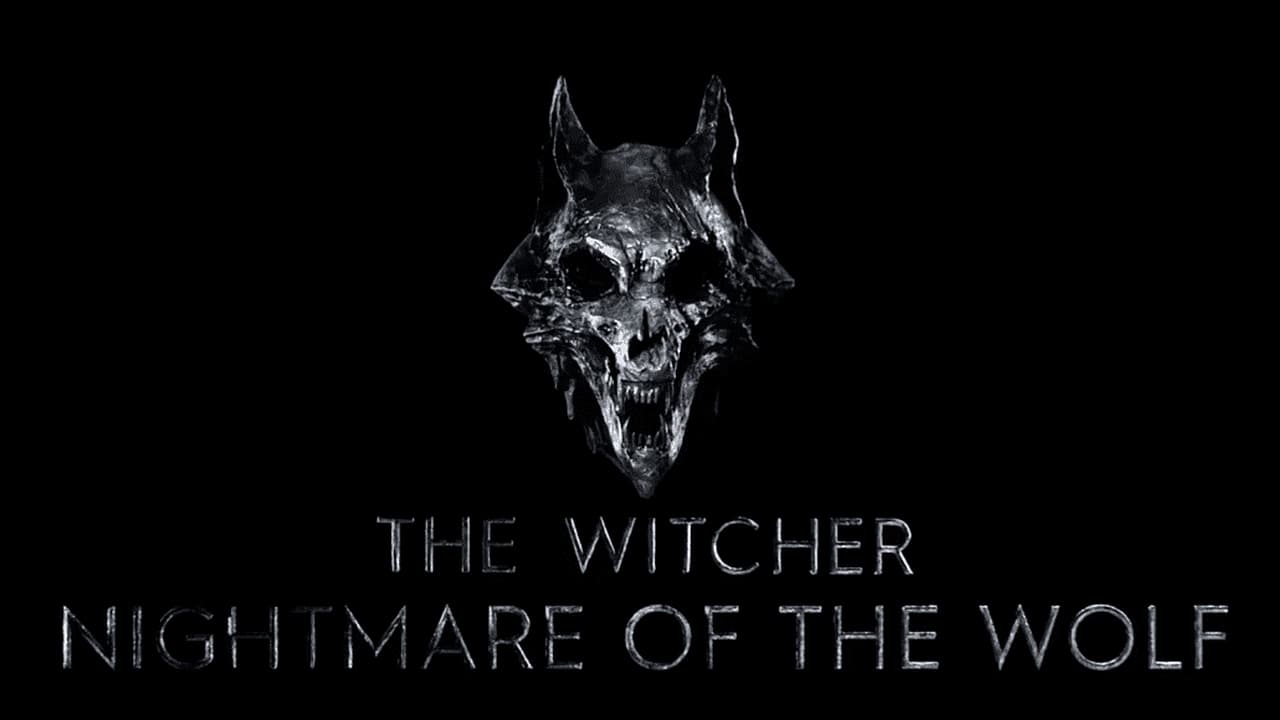
The Witcher: Nightmare of the Wolf
"Before the White Wolf, there was the Fox."

Long before Geralt of Rivia was grunting his way through bathtub scenes and political conspiracies, the Continent belonged to a very different kind of Witcher—one who actually seemed to enjoy his job. In the live-action series, we’re used to the dour, stoic, "wind’s howling" energy of a man who treats monster hunting like a particularly grim shift at a coal mine. But 2021’s The Witcher: Nightmare of the Wolf gives us a Vesemir who treats a Leshen contract like a night out on the town. It’s a refreshing pivot that proves the best way to expand a franchise isn’t always to go bigger, but to go faster and flashier.
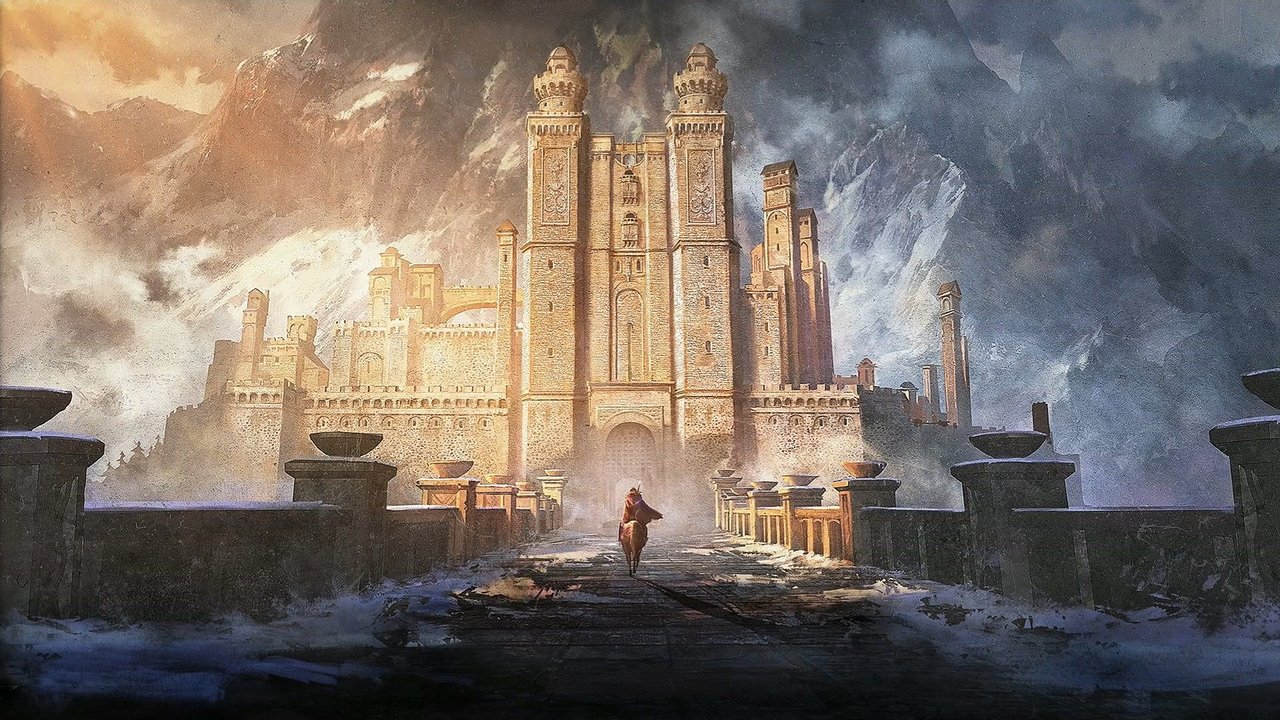
I watched this on my couch while a large house spider descended from the ceiling—a meta-commentary on the monsters on screen, I suppose—and I didn't even pause the movie to relocate the little guy. I was too locked into the opening sequence.
Swashbuckling in a World of Grime
The film is a prequel, focusing on a young, cocky Vesemir (voiced with effortless charisma by Theo James). Unlike the grizzled mentor we see in the books or the games, this Vesemir is a man who escaped the shackles of poverty for a life of gold, glory, and very expensive silk shirts. He’s a Witcher in an era where the profession was still thriving, even if the public’s hatred for "mutants" was beginning to reach a fever pitch.
The screenplay by Beau DeMayo—who would later go on to helm the excellent X-Men '97—smartly structures the film as a dual narrative. We see Vesemir’s harsh upbringing at Kaer Morhen under the brutal tutelage of Deglan (Graham McTavish) alongside a modern-day threat involving a new breed of hybrid monsters. It’s a classic origin story, but it avoids the "checklist" feeling of most prequels. We aren't just seeing how he got his swords; we’re seeing how he lost his heart.
The Studio Mir Magic
The real star here, however, is the animation. Produced by Studio Mir, the team behind The Legend of Korra and Voltron: Legendary Defender, the film brings a fluidity to the Witcher’s combat that live-action simply can't touch. The "Signs" (Witcher magic) are used here with a creativity that feels like a reward for long-time fans. When Vesemir uses Igni, it’s not just a puff of flame; it’s a tactical explosion that reshapes the battlefield.
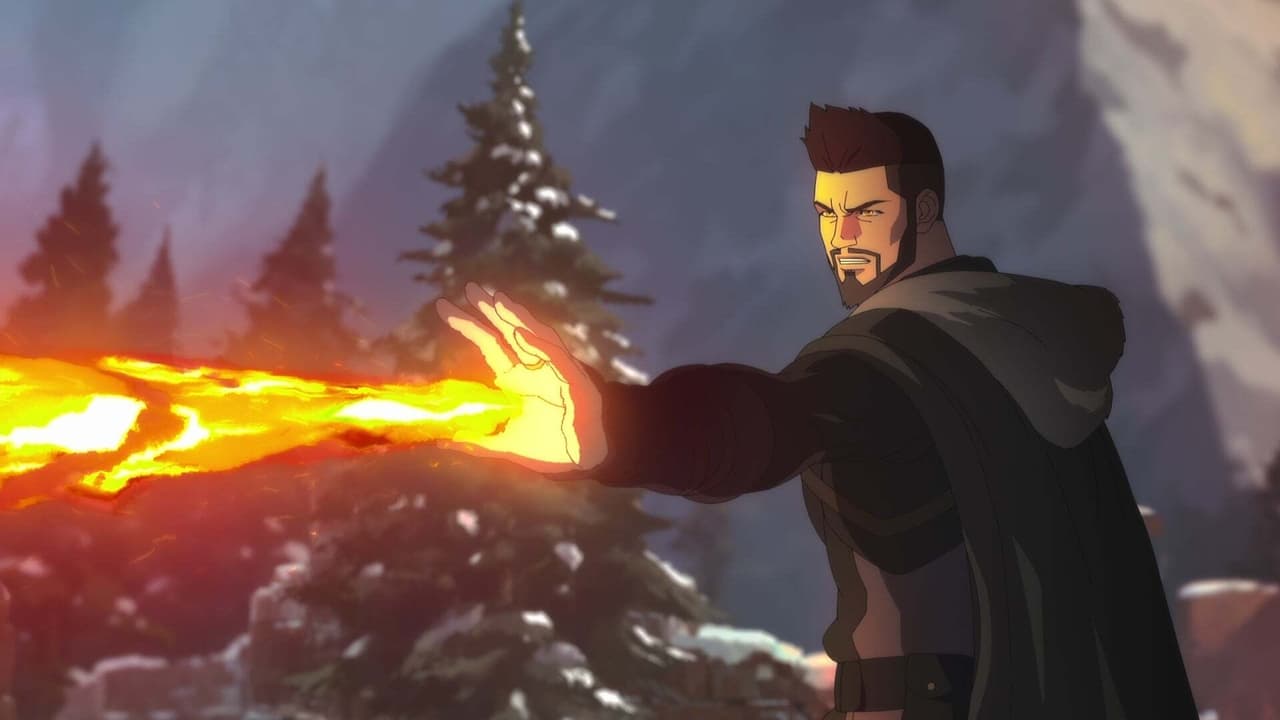
The action choreography is dizzying. There’s a sequence involving a carriage chase that makes most MCU third-act battles look like a PowerPoint presentation. It’s bloody, it’s fast, and it understands the "cool factor" of its world. The score by Brian D’Oliveira ditches the heavy Slavic folk of the main show for something more sweeping and cinematic, matching the film’s heightened, anime-inspired aesthetic.
One of the more interesting choices was the casting of Mary McDonnell as Lady Zerbst. She brings a regal, melancholic weight to the story that anchors the high-flying action in something human. Her chemistry with Theo James, even through voice acting, provides the emotional core that makes the final act’s carnage actually mean something.
A Franchise at its Peak?
Looking back from our current vantage point, Nightmare of the Wolf feels like a snapshot of a specific moment in the streaming wars. Released during that 2021 window when Netflix was aggressively trying to turn every IP into a "Universe," it represents the high-water mark of that strategy. Unlike some of the other spinoffs we’ve seen recently, this didn't feel like a cynical cash grab. It felt like a necessary piece of the puzzle, explaining why the Witchers were hated enough to be nearly wiped out.
Interestingly, Theo James had already voiced a tiny cameo as "Young Vesemir" in the Season 1 finale of the live-action show, a bit of forward-planning that is rare even in today's franchise-saturated market. Also, keep an ear out for Graham McTavish; the man is a fantasy MVP, having appeared in The Hobbit, House of the Dragon, and the live-action Witcher series (albeit as a different character). He brings a gravelly authority to Deglan that makes you understand why a young boy would choose a life of monster-killing over a life of safety.
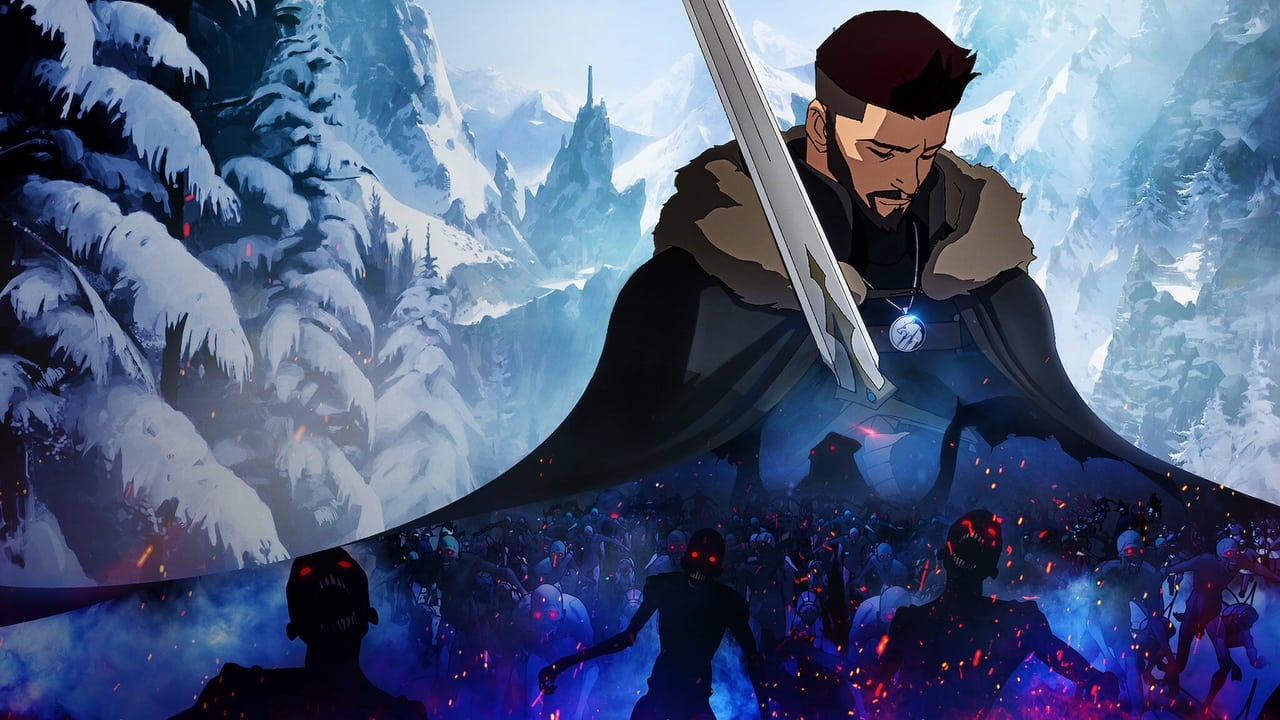
The film does occasionally lean into the "contemporary cinema" trap of over-explaining its lore, but it’s rescued by its sheer momentum. At 83 minutes, it’s lean, mean, and doesn't overstay its welcome. In an era where every blockbuster feels the need to push past the three-hour mark, a film that can deliver a complete character arc and three massive set pieces in under an hour and a half feels like a minor miracle.
Ultimately, Nightmare of the Wolf succeeds because it isn't trying to be The Lord of the Rings. It’s a gothic, action-heavy tragedy that understands exactly what it is. Geralt’s dad is way more fun than Geralt ever was, and seeing the "Golden Age" of Kaer Morhen fall into ruin provides a poignant backdrop for the entire series. It’s a stylish, blood-soaked romp that proves animation is often the best medium for the weird, wild world of the Continent. If you’ve been feeling the "franchise fatigue" lately, this is the perfect antidote—a short, sharp shock of high-fantasy adrenaline.
Wait for the final shot. If you’re a fan of the books or games, the reveal of a certain bald-headed trainee will give you the kind of nerd-chills that justify the whole experience. It’s a bridge between eras that actually holds its own weight.
Keep Exploring...
-
Justice League vs. Teen Titans
2016
-
Justice League Dark
2017
-
Justice League Dark: Apokolips War
2020
-
Mortal Kombat Legends: Scorpion's Revenge
2020
-
The Sea Beast
2022
-
Nimona
2023
-

My Hero Academia: Two Heroes
2018
-
The Seven Deadly Sins: Prisoners of the Sky
2018
-

My Hero Academia: Heroes Rising
2019
-
Miraculous World: New York, United HeroeZ
2020
-
Jujutsu Kaisen 0
2021
-
One Piece Film Red
2022
-
Miraculous: Ladybug & Cat Noir, The Movie
2023
-
Batman vs. Robin
2015
-

Boruto: Naruto the Movie
2015
-
The Boy and the Beast
2015
-
Raya and the Last Dragon
2021
-

Kung Fu Panda 4
2024
-
Resident Evil: Vendetta
2017
-
Demon Slayer -Kimetsu no Yaiba- The Movie: Mugen Train
2020