The Worst Person in the World
"Life doesn't start until you stop waiting for it."

I watched The Worst Person in the World on a Tuesday night while my radiator was making a rhythmic clicking sound that, for the first twenty minutes, I genuinely thought was part of the film’s jazz-flecked score. It’s that kind of movie—the sort of lived-in, slightly off-beat experience that makes you look at the mundane clutter of your own apartment with a new sense of poetic exhaustion.
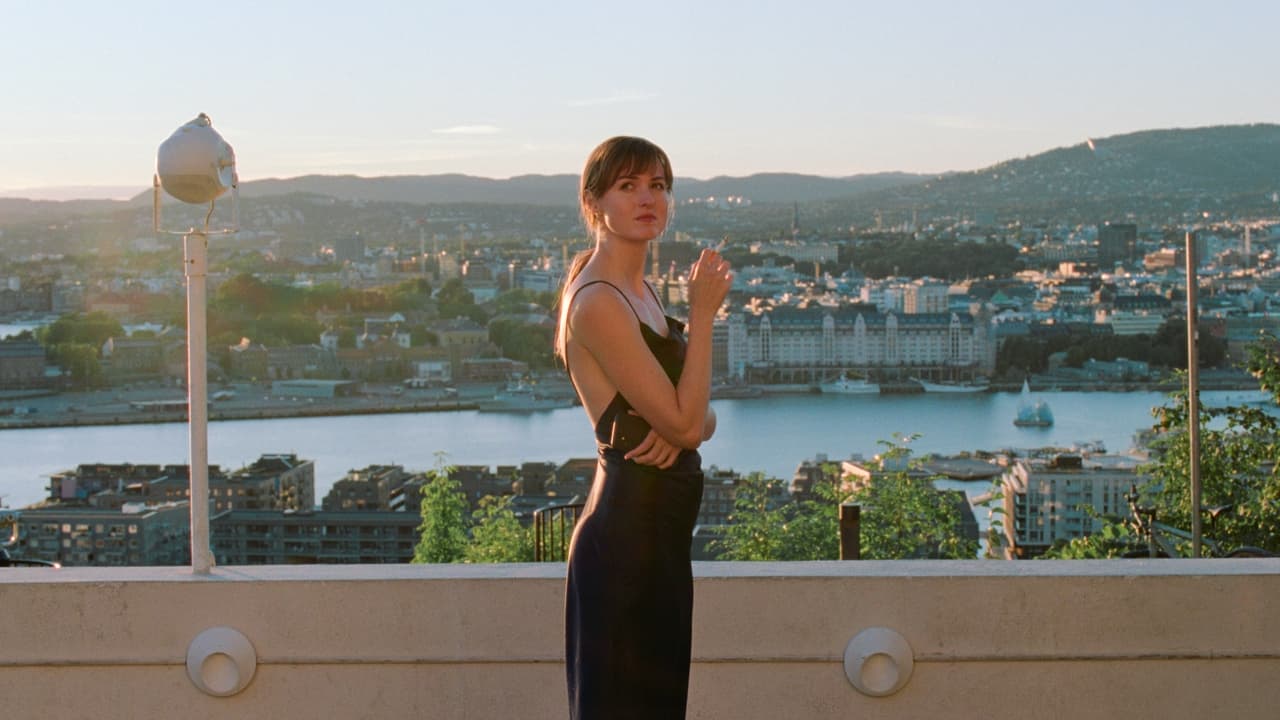
We’ve all been told that our twenties and thirties are for "finding ourselves," but Joachim Trier’s 2021 standout suggests that "finding yourself" is mostly just a series of awkward pivots and accidentally breaking people's hearts. It’s a film that feels remarkably "now," capturing that specific contemporary anxiety where having infinite choices feels less like freedom and more like a slow-motion panic attack.
The Professional Identity Crisis
The film follows Julie, played by Renate Reinsve in a performance so luminous and precise it’s hard to believe she was reportedly considering quitting acting the day before she landed the role. Julie is a chronic restarter. She begins in medical school because she’s smart, swerves into psychology because she’s interested in the mind, and then pivots to photography because she’s visual.
I’ve lived that life. I have a drawer full of abandoned hobbies—half-finished sourdough starters and a ukulele I can’t tune—so Julie’s indecision didn't feel like a character flaw to me; it felt like a mirror. Julie isn't actually the worst person in the world; she’s just the most honest person in the room about her own boredom. In an era where social media demands we curate a "personal brand" by age twenty-two, there is something profoundly rebellious about Julie’s refusal to stick to the script.
Running Through a Frozen World
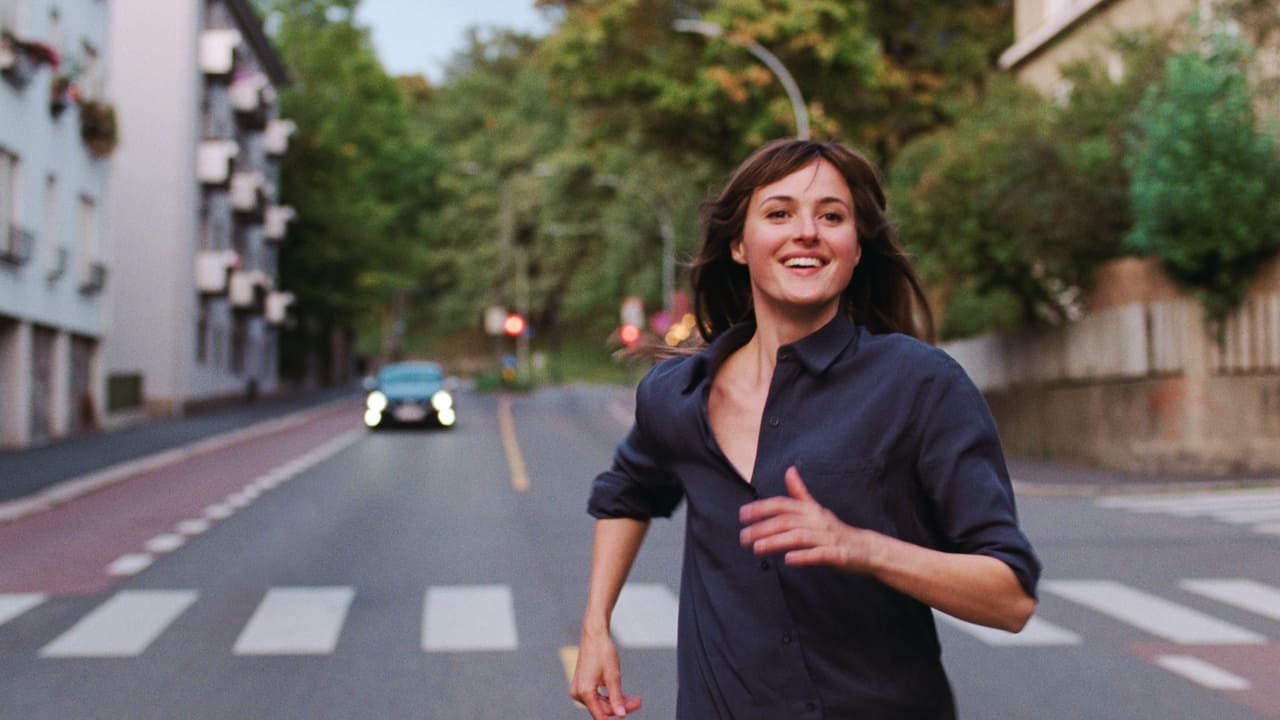
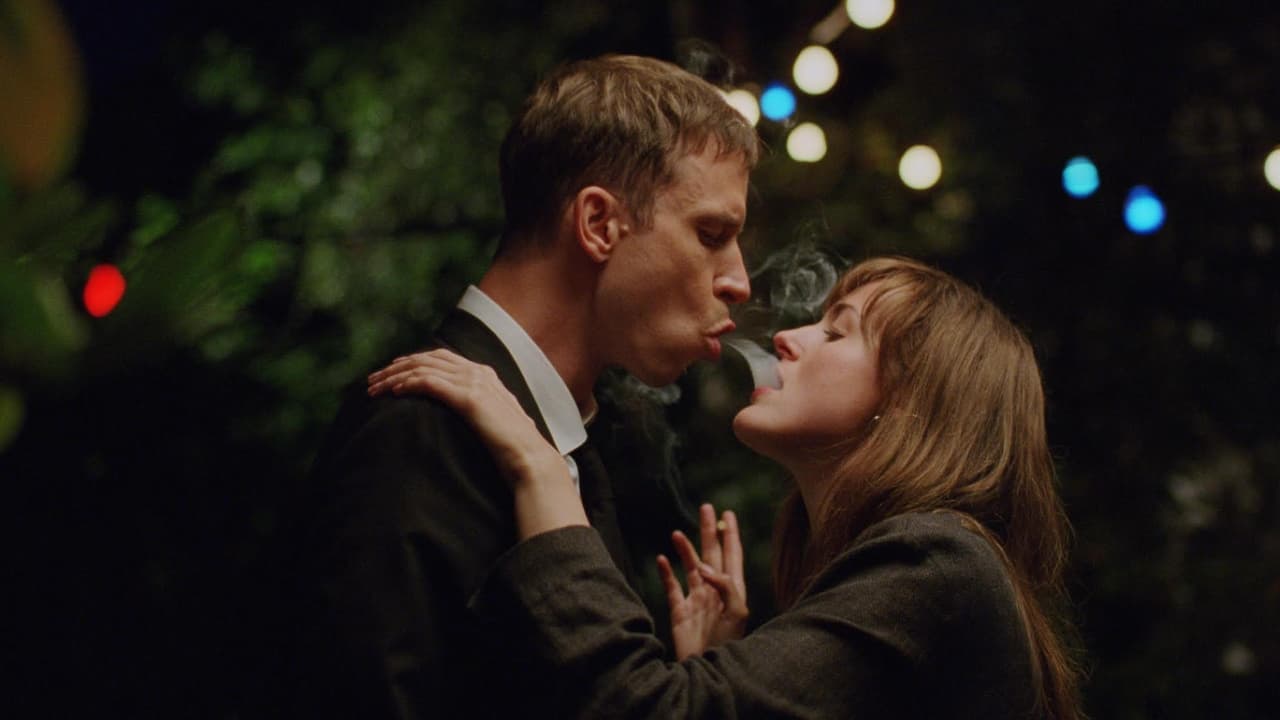
If you’ve seen a single frame of this movie on Instagram, it was likely the "time freeze" sequence. Julie, caught in the stasis of a long-term relationship with Aksel (Anders Danielsen Lie), flips a light switch and the entire city of Oslo grinds to a halt. She runs through the frozen streets to find Eivind (Herbert Nordrum), a man she met at a party and shared a night of "not-cheating" with (which, in its own way, was more intimate than actual cheating).
It’s a breathtaking piece of filmmaking that moves away from the gritty realism of the rest of the movie and dives straight into the surrealism of a crush. In a decade dominated by CGI multiverses and green-screen battles, Trier uses a relatively simple cinematic trick to capture something much larger: the feeling that the world should stop when you’re falling for someone new. It’s the high-water mark of contemporary romance, proving that we don’t need capes or dragons to feel a sense of epic scale—we just need the right lighting and a heavy dose of dopamine.
The Generational Friction
The heart of the drama, however, lies in the gap between Julie and Aksel. Aksel is an older comic book artist, a man of "physical objects" (records, books, printed pages) who belongs to a generation that defined itself by what it collected. Julie belongs to the era of the ephemeral, where everything is stored in a cloud she can’t touch.
Anders Danielsen Lie is devastating here. As the film moves into its final chapters and the tone shifts from a whimsical rom-com into a heavy, existential drama, he delivers a monologue about the loss of the physical world that wrecked me. He realizes that the culture he helped build is disappearing, much like his own relevance in Julie’s life. It’s a sobering reminder that growing up is really just the process of watching your favorite versions of yourself become obsolete.
The film avoids the easy "Team Aksel" or "Team Eivind" trap. Eivind is lovely, but he’s also a bit of a blank slate—a man who, like Julie, is drifting. The conflict isn't about which man is "better"; it's about Julie trying to figure out if she exists when there isn't a man around to perceive her.
Why It Matters Right Now
Released as the world was blinking its eyes and stumbling out of pandemic lockdowns, The Worst Person in the World hit a specific nerve. We spent two years wondering what we were doing with our lives, and then Julie showed up to tell us it’s okay to have no idea.
Trier and his co-writer Eskil Vogt have crafted a script that feels conversational and loose, yet it hits with the impact of a sledgehammer. They capture the specific vernacular of the 2020s—the way we talk about "cancel culture," feminism, and environmental guilt—without making it feel like a lecture. It’s just the background noise of being alive right now.
The film's 12-chapter structure (plus a prologue and epilogue) makes the 128-minute runtime fly by. It feels like flipping through a high-end photo album of someone’s most pivotal mistakes. By the time the credits rolled, I felt a strange sense of relief. Julie’s life is a mess, but it’s a beautiful, sun-drenched, Oslo-based mess. And if she can find a way to breathe through the uncertainty, maybe the rest of us can too.
This is a film that earns every bit of its hype. It’s a rare beast that manages to be intellectually stimulating and emotionally devastating while still being the kind of movie you want to tell your friends to watch immediately. It doesn't offer easy answers about career paths or soulmates, but it offers something better: the comfort of knowing that feeling lost is a perfectly valid way to spend your time._


Keep Exploring...
-
The Hating Game
2021
-

The Idea of You
2024
-
Anomalisa
2015
-
Thelma
2017
-
Bridget Jones's Baby
2016
-
Paterson
2016
-

Licorice Pizza
2021
-

Ticket to Paradise
2022
-

Beautiful Disaster
2023
-

Anora
2024
-
Sing Street
2016
-
The Ballad of Buster Scruggs
2018
-

To All the Boys: Always and Forever
2021
-

Through My Window: Across the Sea
2023
-
My Life as a Zucchini
2016
-
Battle of the Sexes
2017
-

The Man Who Invented Christmas
2017
-
Nothing to Hide
2018
-

Red Shoes and the Seven Dwarfs
2019
-

The Peanut Butter Falcon
2019