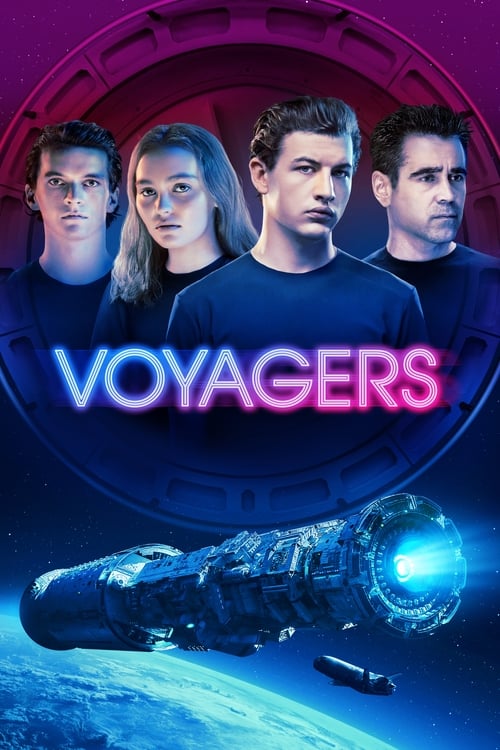
Voyagers
"A pristine laboratory for our messiest instincts."
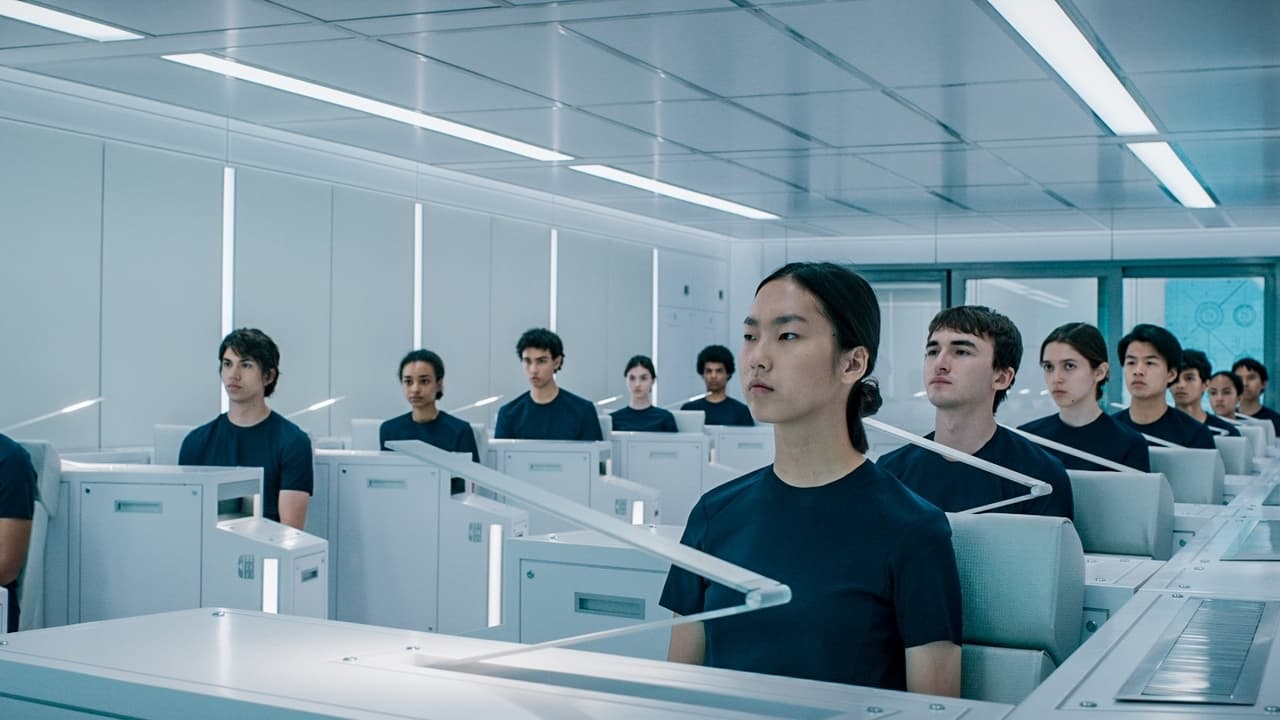
There is something deeply unnerving about a perfectly clean hallway. You know the type—white-on-white, lit by recessed LEDs that hum at a frequency just high enough to give you a headache. In Neil Burger’s Voyagers, the characters live in a world that is essentially a giant, flying IKEA showroom designed by people who hate color. I watched this for the first time on a Tuesday night while eating a bowl of cereal that had gone slightly soggy, and the contrast between my messy living room and the ship’s antiseptic perfection was the most interesting part of the first twenty minutes.
Released in April 2021, Voyagers arrived at a strange crossroads for cinema. We were just beginning to crawl out of our pandemic burrows, theaters were operating at half-capacity, and the "mid-budget original sci-fi" was becoming an endangered species. It’s a film that feels like a product of its era: isolated, paranoid, and obsessed with the idea that our base instincts are only a few skipped doses of medication away from ruining everything.
Lord of the Flies with LED Lighting
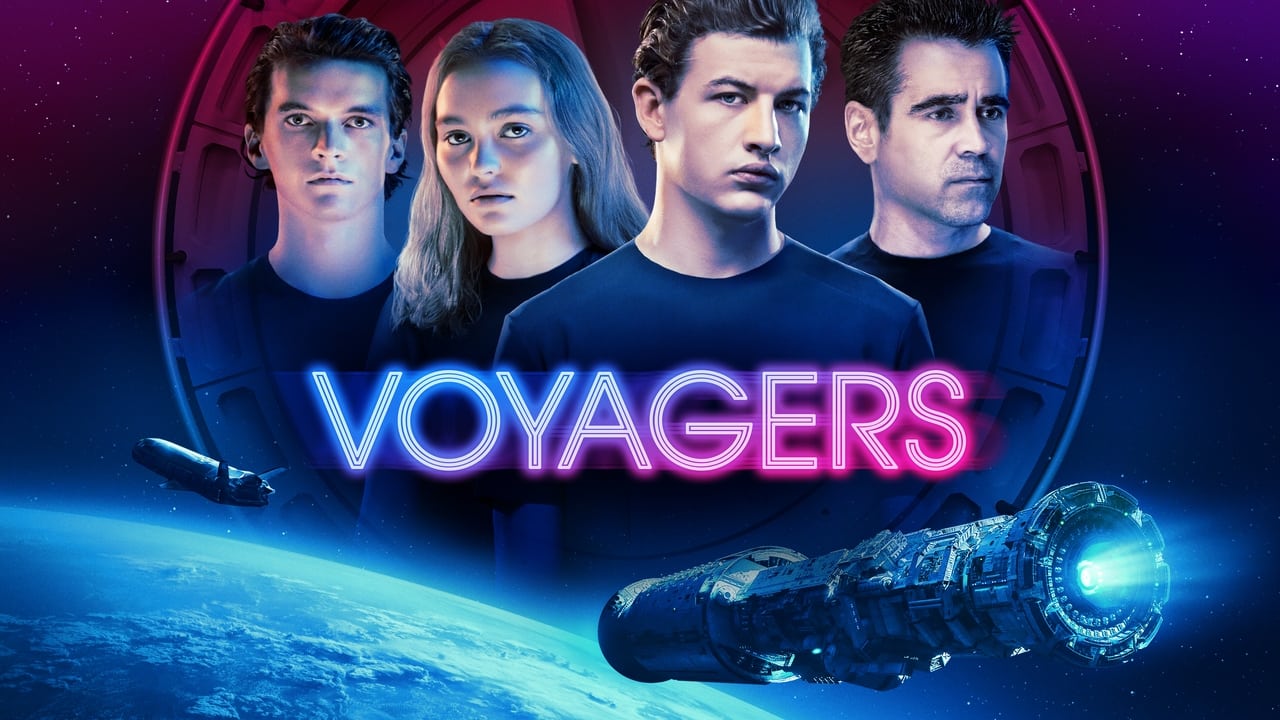
The "what if" at the heart of Voyagers is classic science fiction. Earth is dying, so we send a group of genetically engineered, super-intelligent kids on an 86-year journey to colonize a new planet. They won’t live to see the destination; their grandchildren will. To keep them from killing each other or getting distracted by things like "emotions" or "puberty," the mission director—played with a weary, fatherly melancholy by Colin Farrell (The Lobster, The Batman)—gives them "The Blue." It’s a daily supplement that suppresses desire, aggression, and basically anything that makes life worth living.
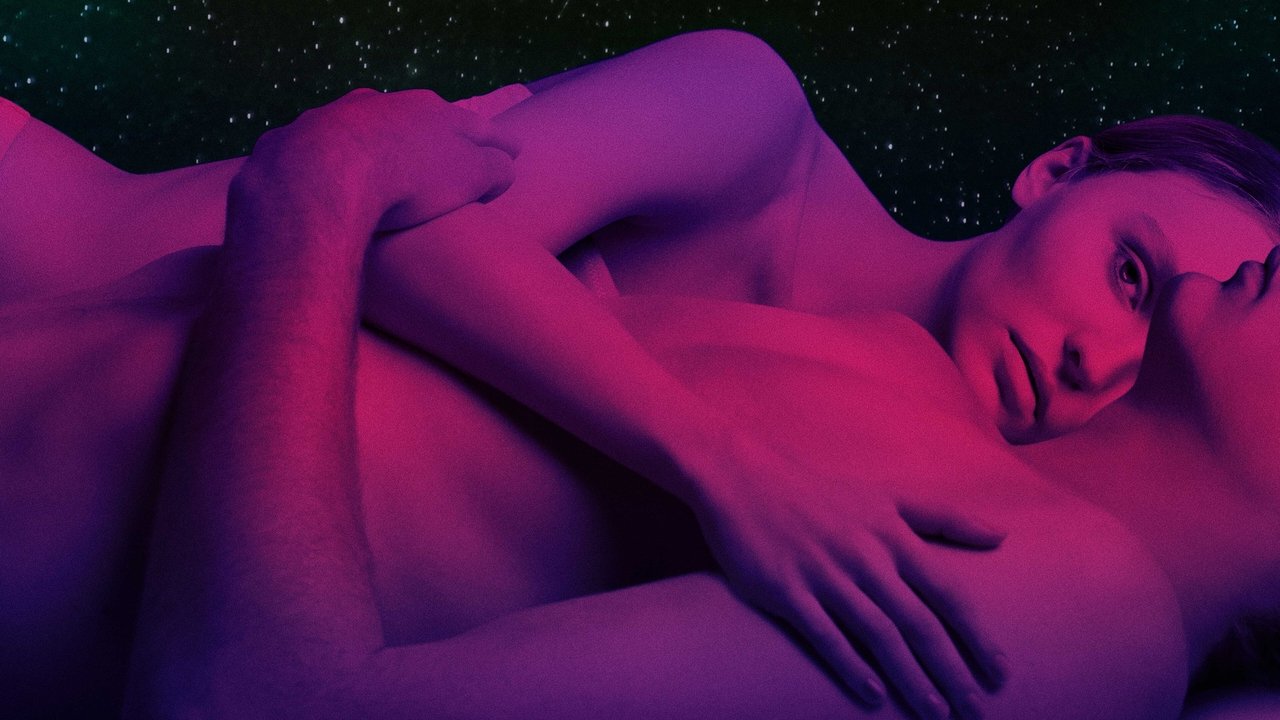
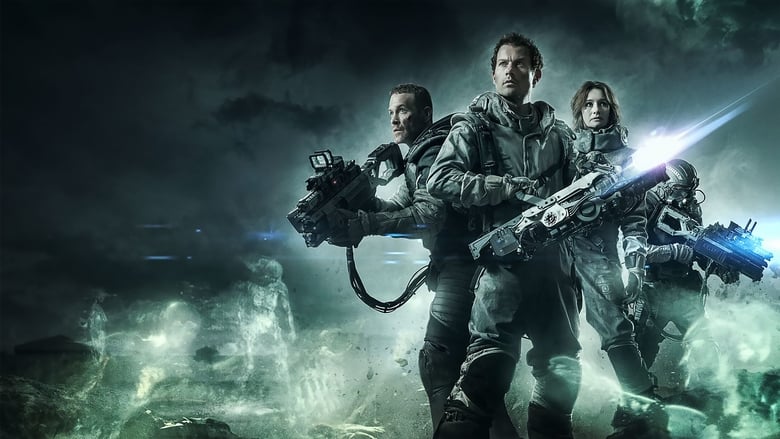
Of course, they stop taking it. Once Tye Sheridan (Ready Player One) and Fionn Whitehead (Dunkirk) discover the ruse, the ship goes from a disciplined laboratory to a pressure cooker. This is where the film earns its "Lord of the Flies in space" reputation. Without the drug, these kids experience their first taste of lust, anger, and fear all at once. It should be explosive, but for a long time, it just feels… quiet. Voyagers is essentially the most expensive ASMR video ever made about teenagers breathing heavily in hallways.
Primal Urges in a Vacuum
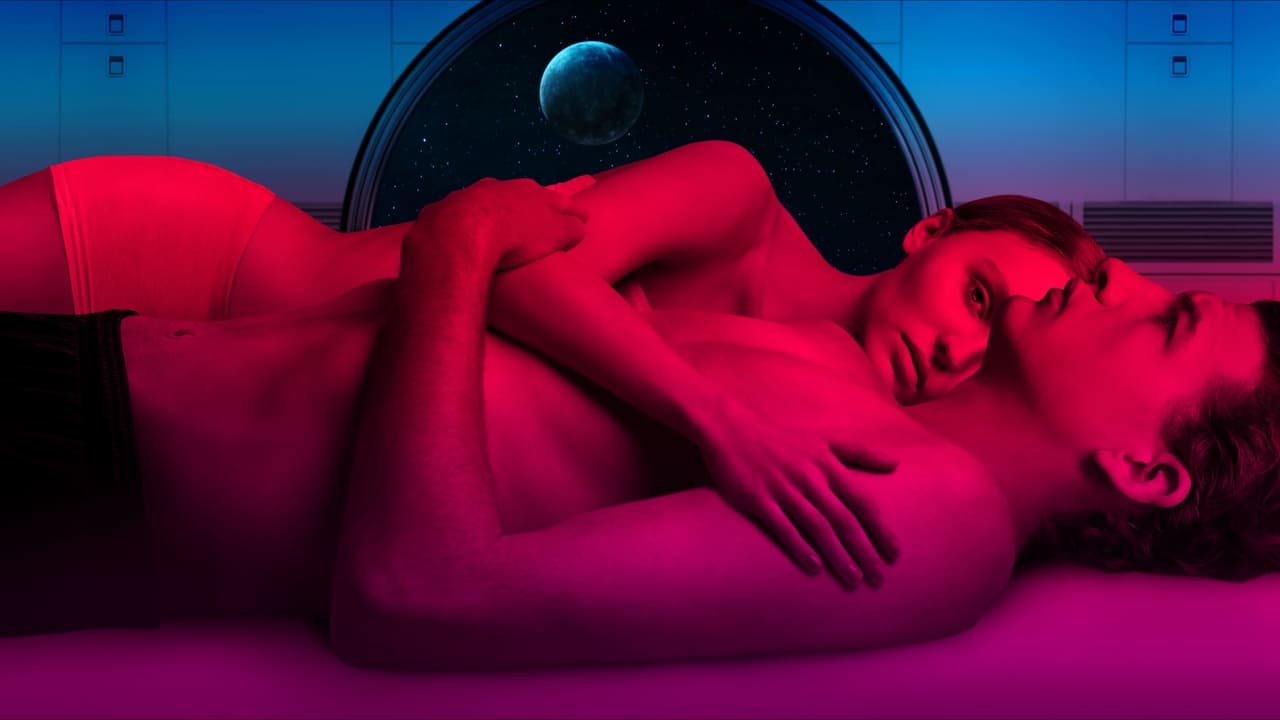
The cast does a lot of heavy lifting here. Tye Sheridan plays Christopher with a grounded, "nice guy" energy that serves as the film’s moral North Star. Opposite him, Fionn Whitehead is absolutely magnetic as Zac. While everyone else is trying to figure out how to feel, Zac decides that feeling "powerful" is the only thing that matters. He’s the first to realize that in a closed system with no rules, the loudest voice wins. Lily-Rose Depp (The Idol) rounds out the trio as Sela, though she often feels more like a prize to be won than a character with her own agency, which is one of the film’s more frustrating tropes.
The production design by Scott Chambliss is the real star. The ship, the Humanitas, is a masterpiece of claustrophobia. It’s built to be functional and boring, which makes the eventual descent into chaos feel even more transgressive. When the characters start running through the corridors, sweating and screaming, it feels like they’re literally defiling the set. Enrique Chediak’s cinematography captures this shift beautifully, moving from steady, clinical shots to a jittery, handheld energy as the social order breaks down.
Why it Vanished into the Void
Despite a solid premise and a talented young cast, Voyagers bombed spectacularly, recouping only about $4 million of its $20 million budget. It’s easy to see why it didn't spark a cultural conversation. In a post-#MeToo and post-pandemic world, the film’s exploration of toxic masculinity and mob mentality felt a bit "Science Fiction 101." We were already living through those conversations in real-time on social media; we didn't necessarily need a sanitized, sci-fi version of them.
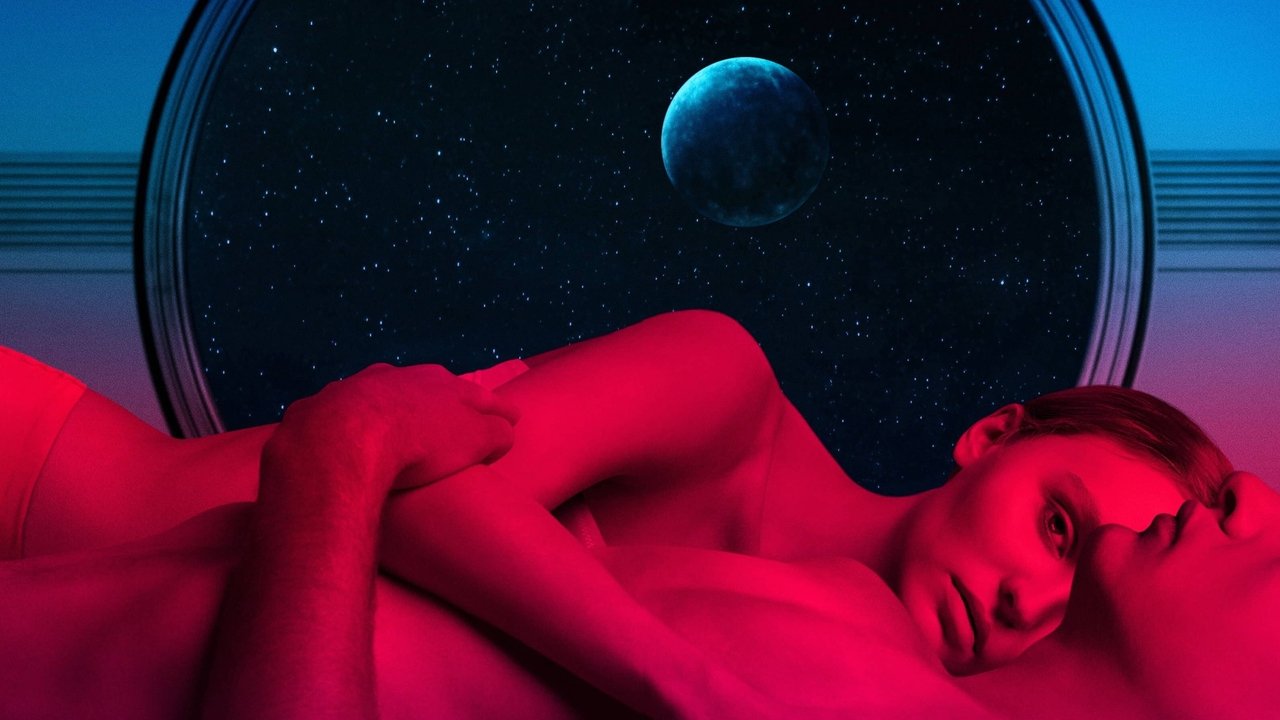
Interestingly, the film was shot back in 2019 in Romania. By the time it actually hit screens, the "YA Dystopia" trend—which director Neil Burger helped fuel with Divergent—was well and truly dead. Voyagers feels like a relic from 2014 that accidentally stumbled into the 2020s and forgot to bring a personality. It’s too "hard sci-fi" to be a popcorn thriller, but too shallow to be a philosophical masterpiece like Alex Garland’s Ex Machina.
There are flashes of brilliance, though. A sequence involving a repair mission outside the ship provides a genuine sense of vertigo, and the score by Trevor Gureckis does a fantastic job of building a sense of creeping dread. It’s a film that works best if you view it as a mood piece rather than a profound statement on human nature.
Ultimately, Voyagers is a fascinating failure. It’s a handsome, well-acted movie that simply doesn’t have much new to say about the "primitive nature" it claims to explore. It’s the kind of film you find on a streaming service on a rainy Sunday and don't regret watching, but you likely won't remember the characters' names by Tuesday. If you're a fan of clinical sci-fi aesthetics or want to see Fionn Whitehead chew some scenery, it's worth the 108 minutes. Just don't expect it to change your worldview—or your grocery list.