West Side Story
"The rumble is back, and it’s finally personal."
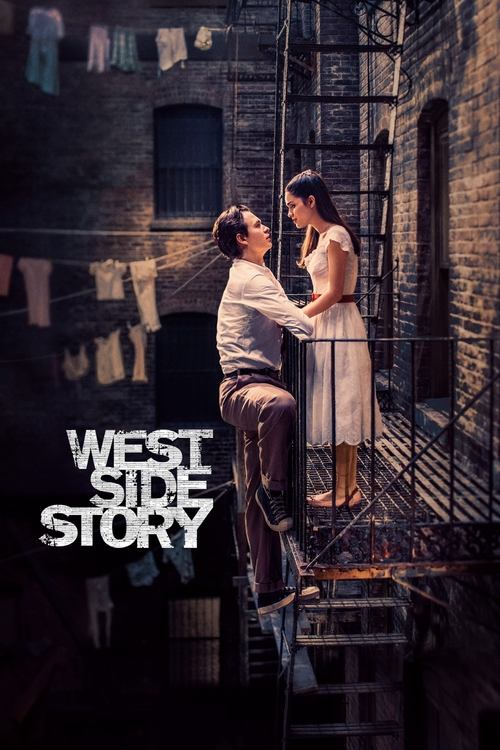
I’ll admit, when Steven Spielberg announced he was remaking a movie that already swept ten Oscars in 1961, my first thought was a very loud, very skeptical “Why?” It felt like trying to touch up the Mona Lisa with a fresh coat of Sherwin-Williams. But then I sat down in a half-empty theater—still wearing a mask and trying to ignore the fact that someone three rows down was eating an entire rotisserie chicken out of a Tupperware container—and within the first five minutes, I realized I’d been an idiot.
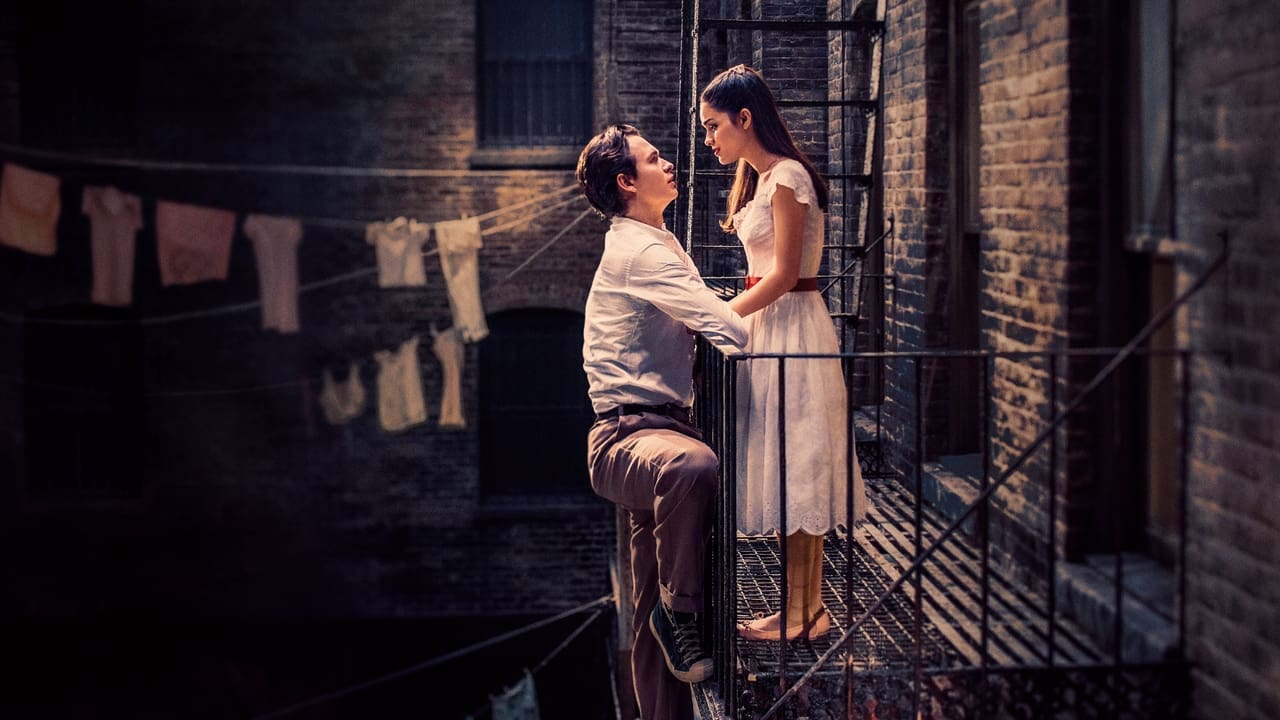
This isn’t just a "remake." It’s a restoration of a masterpiece that finally finds its teeth. Spielberg didn't just want to show off that he could direct a musical (which, let’s be honest, he absolutely can); he wanted to ground the tragedy of Tony and María in a New York that feels like it’s actually bleeding.
The Gritty Ghost of San Juan Hill
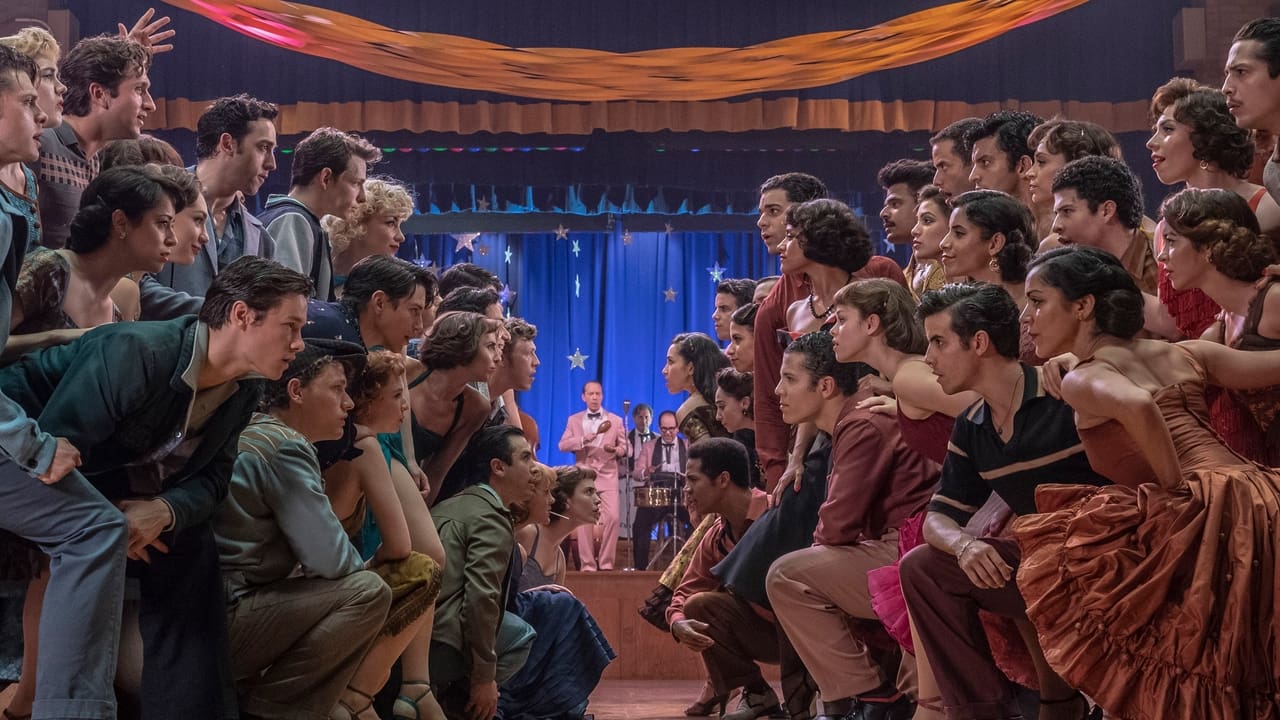
The first thing that hit me was the dirt. Usually, movie musicals are pristine, but Tony Kushner’s screenplay and Janusz Kamiński’s cinematography (he’s the guy who gave Saving Private Ryan that washed-out, gritty look) make the Upper West Side look like a literal war zone. The neighborhood is being demolished to make way for the Lincoln Center—the very place that would eventually house the arts—and our gangs are fighting over a pile of rubble that won't even belong to them in six months.
This context makes the rivalry between the Jets and the Sharks feel desperate rather than just theatrical. When Mike Faist (as Riff) and David Alvarez (as Bernardo) square off, they don't look like dancers; they look like two strays fighting over a scrap of meat in a condemned building. Mike Faist is the absolute revelation here. He plays Riff like a high-strung, malnourished ghost—a kid who knows he has no future and has decided to make that everyone else's problem. He is the most magnetic thing on screen, and honestly, the movie loses a bit of its soul every time he’s not in the frame.
A Voice for the 21st Century
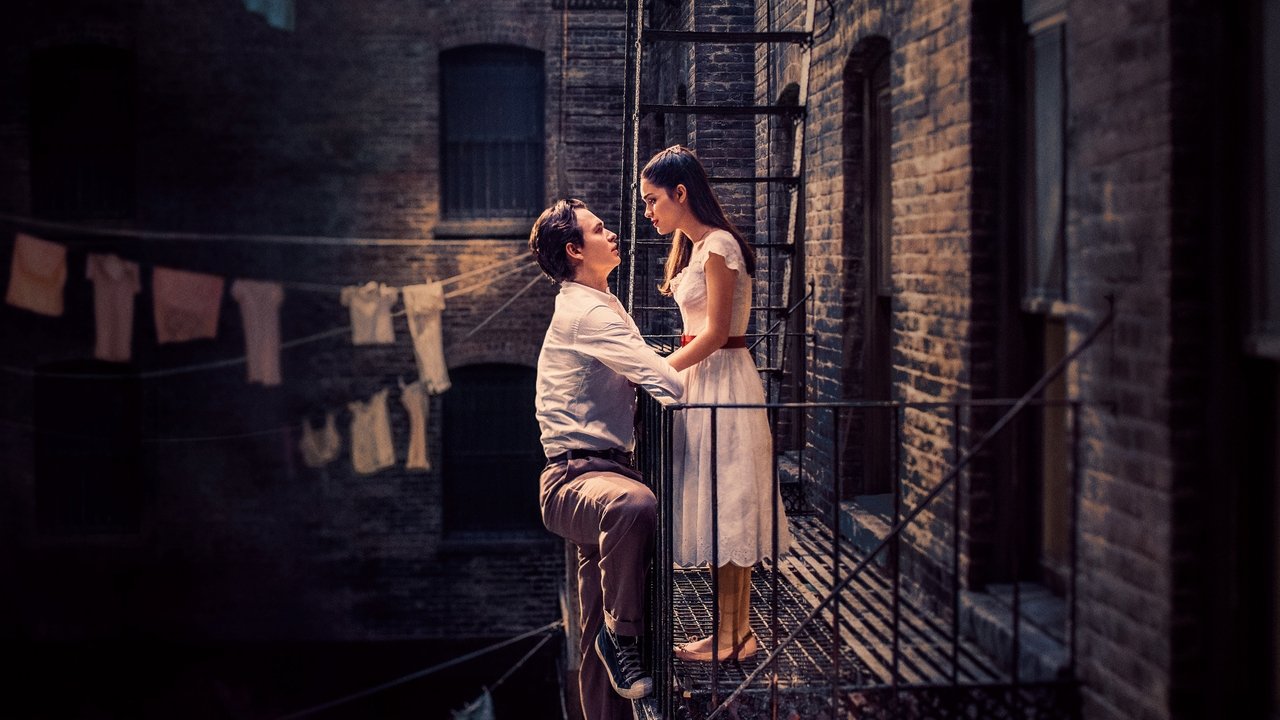
Let’s talk about the elephant in the room: the casting. For decades, the 1961 version has been a "love the art, acknowledge the flaws" situation because of the brownface used on the Puerto Rican characters. Spielberg fixed that from day one, casting Latinx actors and, crucially, making the choice not to subtitle the Spanish dialogue.
I loved that. It’s a bold, contemporary move that respects the audience and the characters. You don’t need a yellow caption to understand the frustration in Anita’s voice or the tenderness in María’s. Speaking of Anita, Ariana DeBose isn't just "good"—she’s an atmospheric event. Following in the footsteps of Rita Moreno (who shows up here in a heartbreaking new role as Valentina) is a Herculean task, but DeBose owns every inch of the screen. Her "America" is a masterclass in kinetic storytelling; it’s the best-directed musical sequence I’ve seen in twenty years.
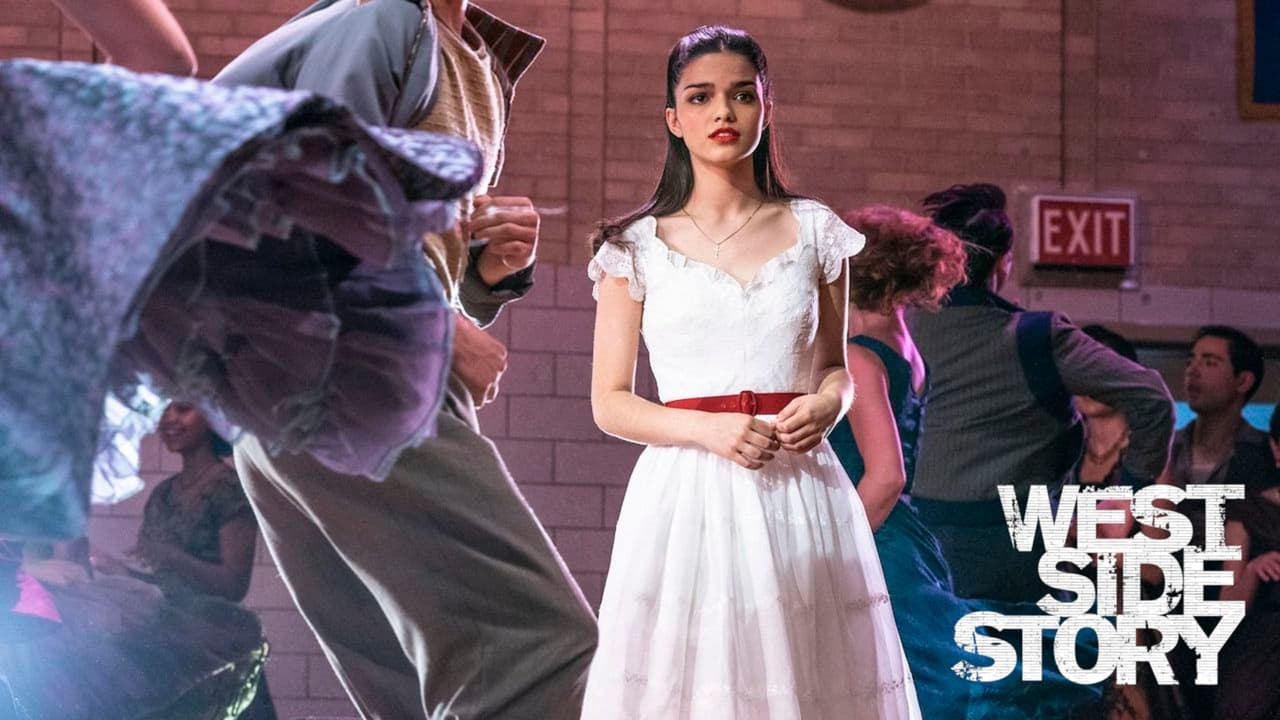
On the flip side, we have the central romance. Rachel Zegler has a voice that could shatter crystal and an earnestness that makes María’s "love at first sight" feel less like a trope and more like a fever dream. Then there’s Ansel Elgort. Look, he sings the notes beautifully, but standing next to the high-voltage energy of DeBose and Faist, Ansel Elgort has the screen presence of a very expensive, very well-polished doorstop. It’s the film's only real stumble; you’re watching a revolution happen in the streets, and Tony feels like he’s just waiting for his cue.
Behind the Rumble
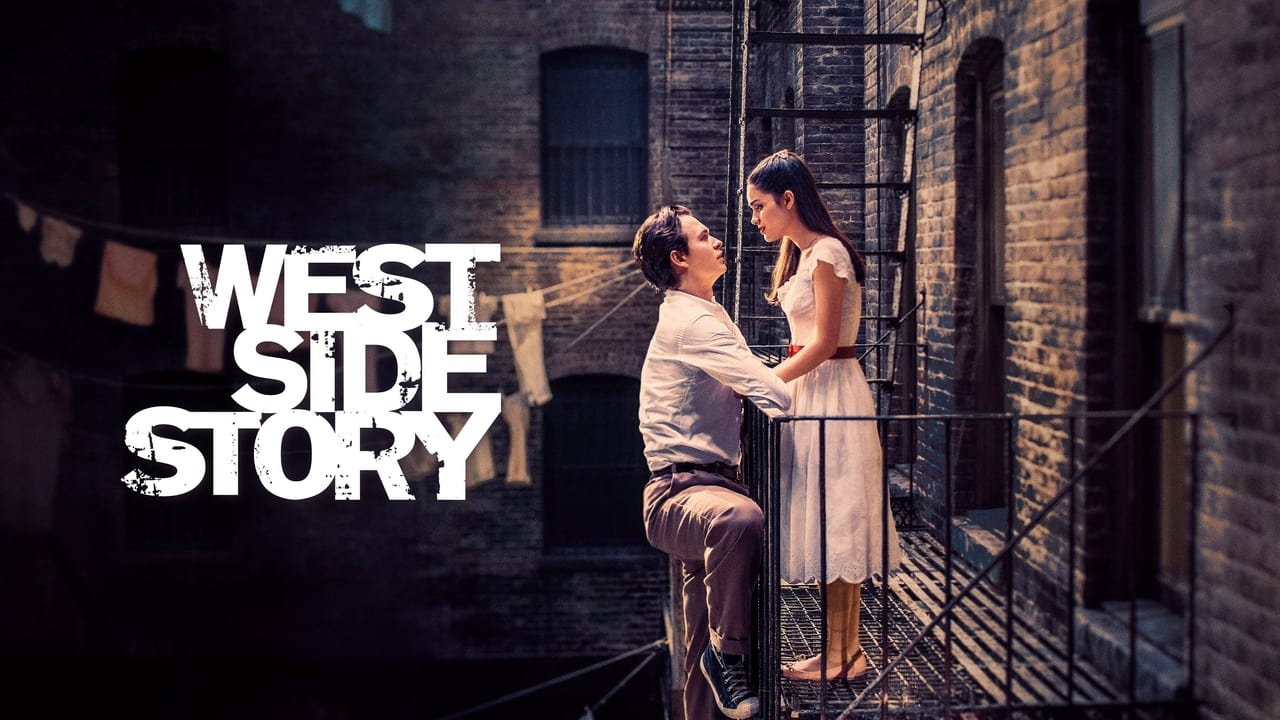
Interestingly, for a film that feels so fluid, the production was a bit of a pressure cooker. They filmed the "Cool" sequence in a Brooklyn warehouse during a massive heatwave with no air conditioning. If the actors look like they’re sweating through their souls, it’s because they were. Also, Rita Moreno—who is an executive producer here—reportedly had to step in and remind the younger actors that while they were playing "gangs," they needed to maintain the precision of the original Jerome Robbins-inspired choreography.
The film's box office performance was a bit of a tragedy in itself. Released in that weird December 2021 window when the Omicron variant was keeping everyone home, it didn't find the massive audience it deserved. It’s a "theatrical experience" that people mostly watched on Disney+, which is a shame because Kamiński’s lens flares and the booming orchestral score by Leonard Bernstein deserve a 50-foot screen.
This is Spielberg proving that even at this stage in his career, he can still find a new gear. It’s a film that respects its ancestors while pointing out exactly where they went wrong. It takes a 60-year-old story about tribalism and gentrification and makes it feel like it was written this morning. If you can get past the fact that the lead guy is a bit of a blank slate, you’re left with a gorgeous, heartbreaking, and fiercely energetic piece of cinema. It’s a reminder that some stories are worth retelling, as long as you have something new to say.
Keep Exploring...
-
Beating Hearts
2024
-
The Fabelmans
2022
-

The Bikeriders
2024
-
The Post
2017
-
Havoc
2025
-
Imperium
2016
-
Loving
2016
-
Mr. Right
2016
-
The Infiltrator
2016
-
The Light Between Oceans
2016
-
I Don't Feel at Home in This World Anymore
2017
-
Professor Marston and the Wonder Women
2017
-
The Discovery
2017
-
Can You Ever Forgive Me?
2018
-
Disobedience
2018
-
If Beale Street Could Talk
2018
-
The Guernsey Literary & Potato Peel Pie Society
2018
-
The Old Man & the Gun
2018
-
Under the Silver Lake
2018
-
The Aeronauts
2019