Willy's Wonderland
"Silence is golden, but blood is red."
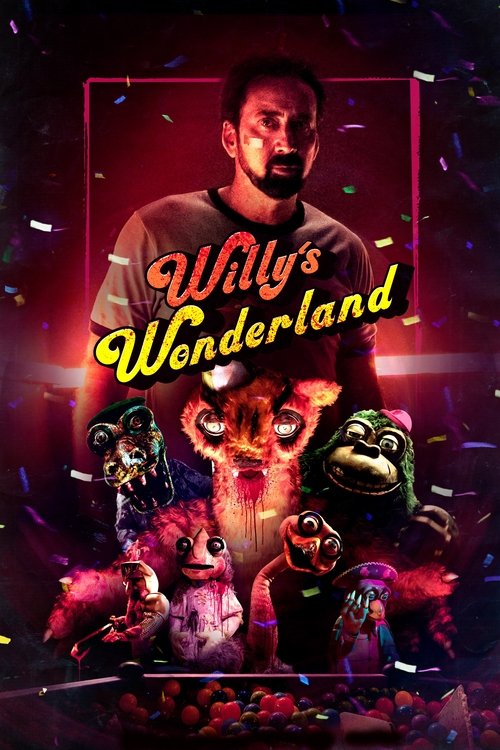
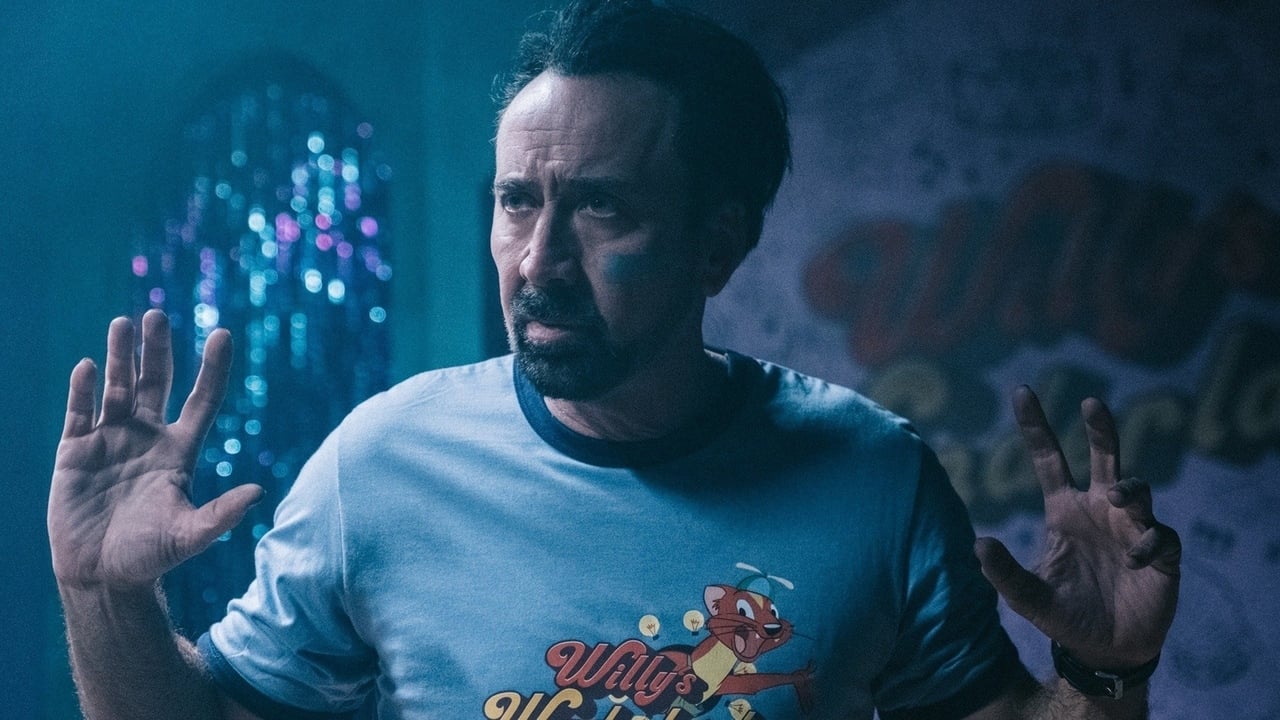
Nicolas Cage staring at a malfunctioning tire in the middle of nowhere feels like a metaphor for his entire career trajectory, yet in Willy’s Wonderland, that silence becomes his greatest weapon. There is something deeply satisfying about watching a film that knows exactly what it is and refuses to apologize for it. Released in the early months of 2021, when most of us were still trapped in our own domestic versions of an abandoned family fun center, this movie arrived like a chaotic gift from the VOD gods. It’s a film born of the current "Content Era," where high-concept "elevator pitches" are the currency of choice, and none are higher or weirder than "Nic Cage fights Five Nights at Freddy’s rip-offs."
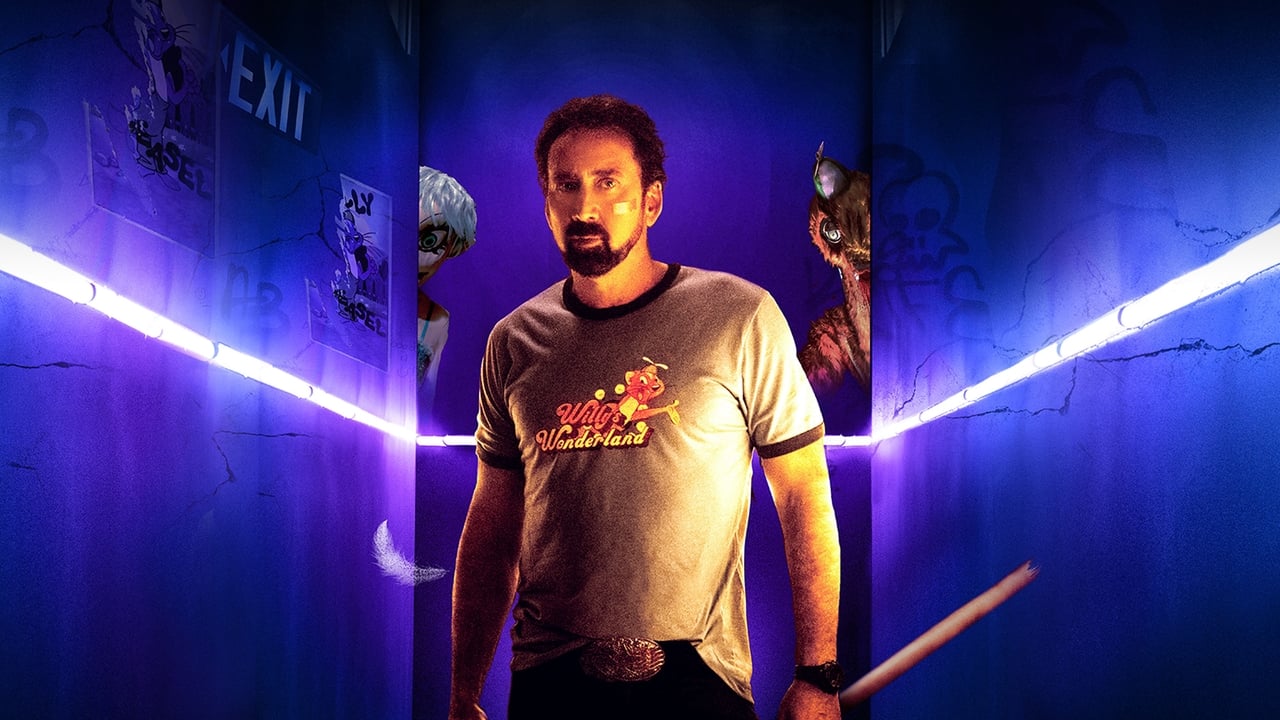
I watched this while nursing a lukewarm cup of peppermint tea that had a weird oily film on top, and strangely, that grimy sensation only enhanced the experience of watching Nicolas Cage scrub a grease-caked kitchen.
The Art of the Silent Beatdown
The most daring thing about Willy’s Wonderland isn't the possessed robotic weasel; it’s the fact that its lead actor doesn’t utter a single syllable for the entire 89-minute runtime. In an era where every blockbuster feels the need to explain its lore through tedious "info-dumps," Nicolas Cage (playing the character credited only as The Janitor) delivers a performance of pure physical discipline. He isn’t a victim; he’s an employee. He’s traded his labor for car repairs, and if that labor involves curb-stomping a murderous animatronic ostrich, so be it.
The film operates on a repetitive, almost ritualistic loop: clean, drink a "Punch Pop" energy drink, play pinball, kill a robot, repeat. It’s the cinematic equivalent of a gas station corn dog at 3 AM—objectively terrible for you, but exactly what your soul demands. Director Kevin Lewis leans into the absurdity, treating the Janitor’s mandatory break times with more reverence than the actual horror sequences. When the alarm on the Janitor’s watch goes off, the fighting stops. It doesn't matter if a mechanical siren is trying to eat his face; he has a high score to beat on the pinball machine.
Practical Grime and Neon Nightmares
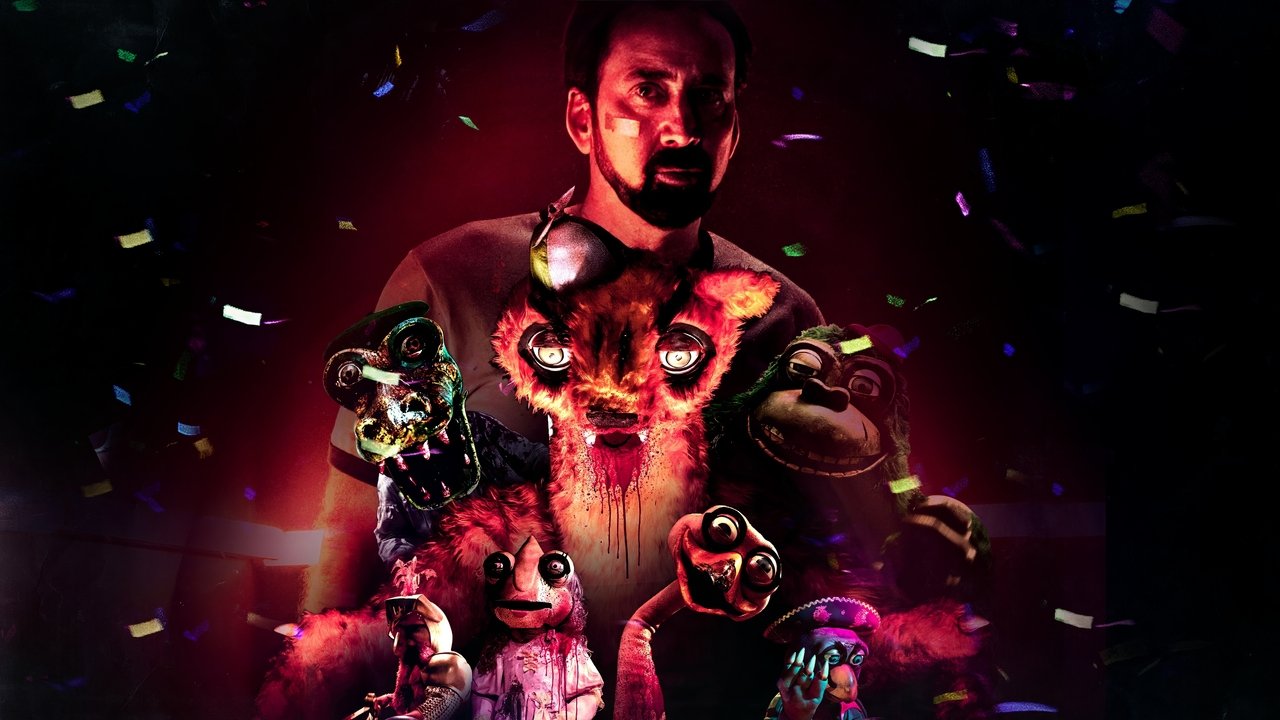
While we live in a period saturated with seamless, often weightless CGI, Willy’s Wonderland succeeds by sticking to its low-budget guns. The animatronics—Willy Weasel, Arty Alligator, Siren Sara—are clearly people in suits, but that’s the point. There is a tactile, heavy quality to the monsters that CGI just can’t replicate. They look like they smell of damp fur and hydraulic fluid. Apparently, the production raided a Halloween store with a $50 budget (or at least it feels that way), but it works because it grounds the supernatural threat in a reality we all recognize: the uncanny creepiness of a "Chuck E. Cheese" after the lights go out.
The supporting cast, led by Emily Tosta as the rebellious Liv, does their best to provide the "plot," but let’s be honest: they are mostly there to be fodder. Beth Grant pops up as the local Sheriff, adding a dash of veteran gravitas to a script that otherwise looks like it was written on a grease-stained napkin. The film touches on the "small town with a dark secret" trope—a staple of contemporary horror like Stranger Things—but it doesn't get bogged down in it. It knows you’re here to see the guy from Face/Off (1997) and Mandy (2018) rip a robotic spine out.
A Pandemic-Era Cult Curiosity
There is a specific kind of joy in discovering a film that should have been a disaster but somehow manages to stick the landing through sheer force of personality. Willy’s Wonderland was filmed in just 20 days in an old bowling alley in Georgia, and that rushed, claustrophobic energy translates to the screen. It arrived during a moment when "franchise fatigue" was starting to set in, offering a weird, standalone alternative to the Marvel-fication of the multiplex.
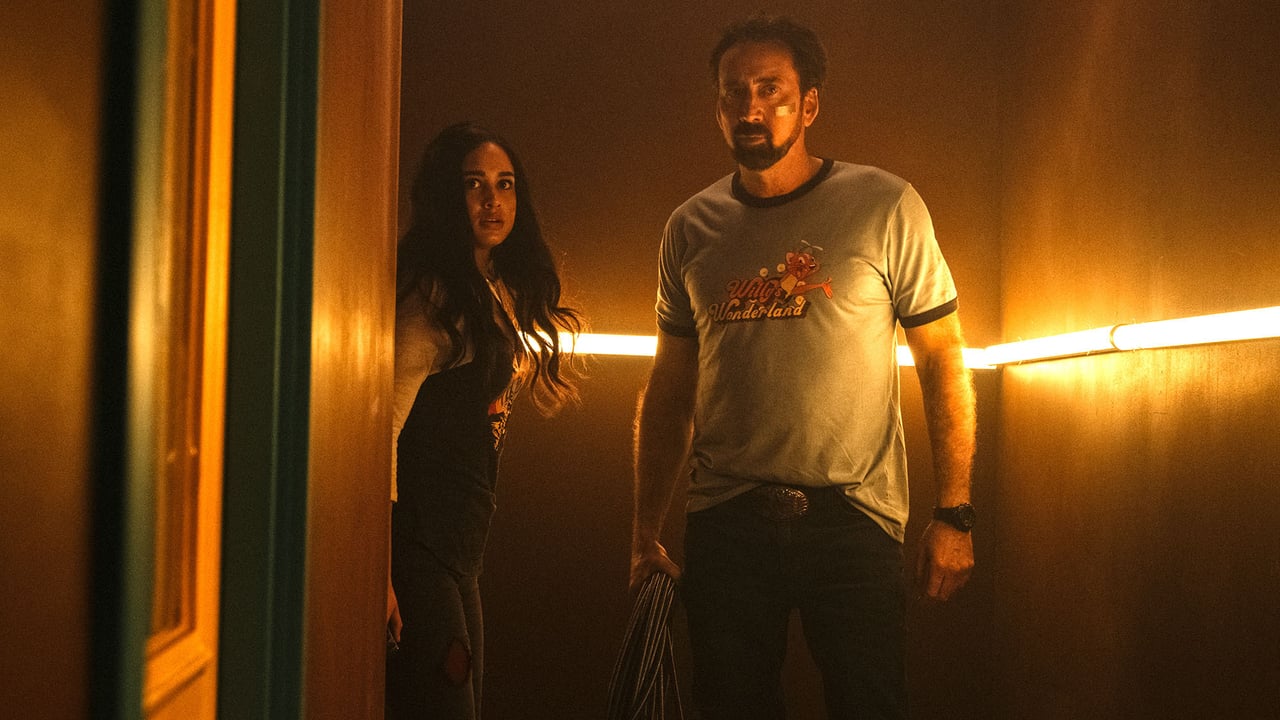
Interestingly, Cage himself was a producer on the project, and it was his specific creative choice to remain silent. The original script by G.O. Parsons had dialogue, but Cage realized the character was more mythic—a silent force of nature—without it. It’s this kind of "weird-pro" instinct that has made Cage’s recent output, from Pig (2021) to The Unbearable Weight of Massive Talent (2022), so fascinating to track. He’s no longer just a "meme" actor; he’s a curator of the strange.
This isn't a film for everyone, and it certainly isn't "high art." It’s a loud, neon-soaked B-movie that benefits immensely from the current trend of "elevated B-horror." If you go in expecting a deep exploration of the human condition, you’ll be disappointed. But if you want to see a man passionately clean a bathroom and then beat a mechanical gorilla to death with a mop handle, you’ve found your new favorite movie. It’s a lean, mean, and wonderfully stupid slice of contemporary cult cinema.

Keep Exploring...
-

Color Out of Space
2020
-

Morgan
2016
-
The Other Side of the Door
2016
-
Cult of Chucky
2017
-

Assassination Nation
2018
-
Hell Fest
2018
-
The Strangers: Prey at Night
2018
-
Haunt
2019
-
The Prodigy
2019
-
Gretel & Hansel
2020
-

Hellraiser
2022
-

The Invitation
2022
-

Watcher
2022
-

Abigail
2024
-

Immaculate
2024
-

MaXXXine
2024
-
The Long Walk
2025
-
Wolf Man
2025
-

Before I Wake
2016
-
Friend Request
2016