Wrath of Man
"Vengeance has a very low pulse."
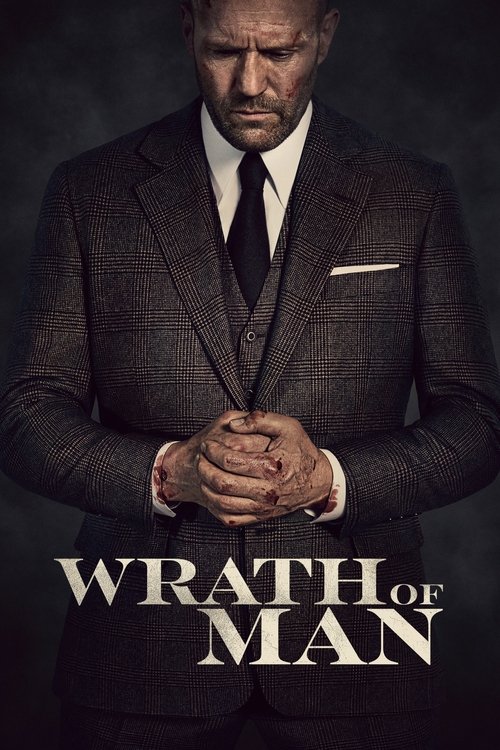
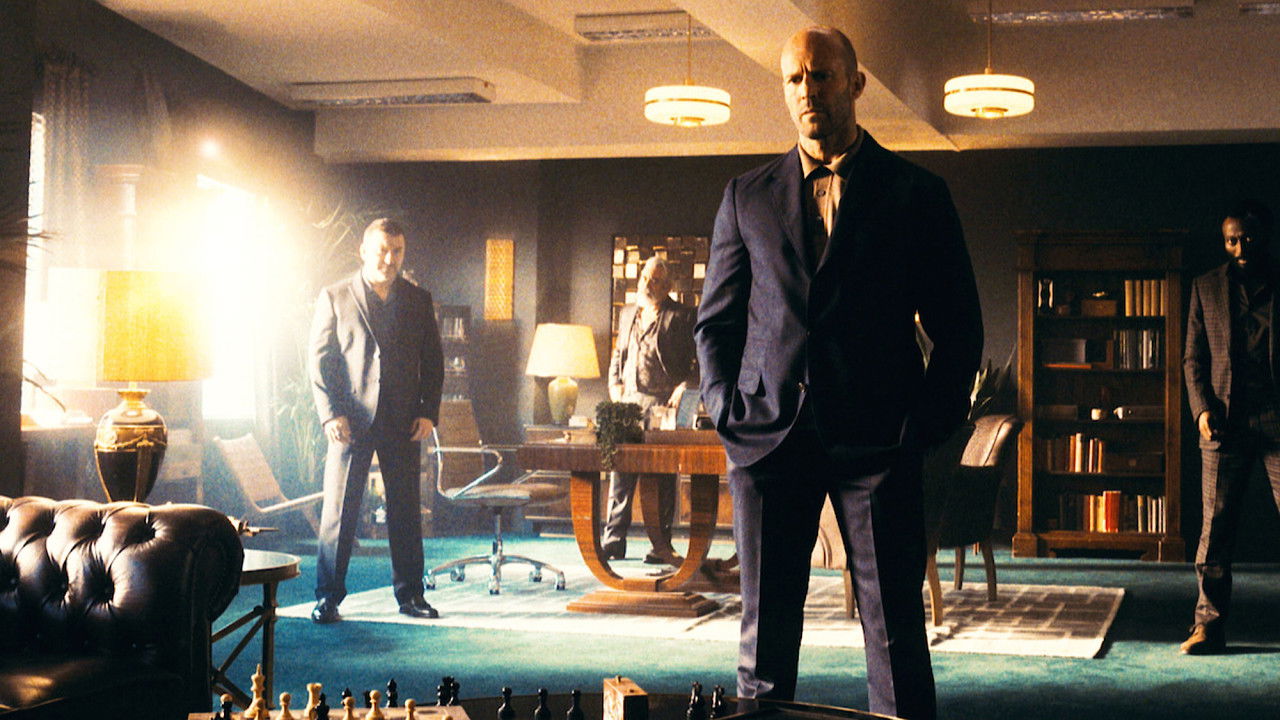
The first thing I noticed about Wrath of Man wasn't the violence or the stoic face of Jason Statham. It was the sound. Most Guy Ritchie movies greet you with a wink, a pint of lager, and a fast-talking cockney narrator. This one greets you with a cello—a low, mournful, vibrating groan that feels like it’s trying to shake the fillings out of your teeth. I watched this while drinking a lukewarm seltzer that tasted vaguely of a battery, and honestly, the metallic aftertaste perfectly complimented the steely, industrial coldness on screen.
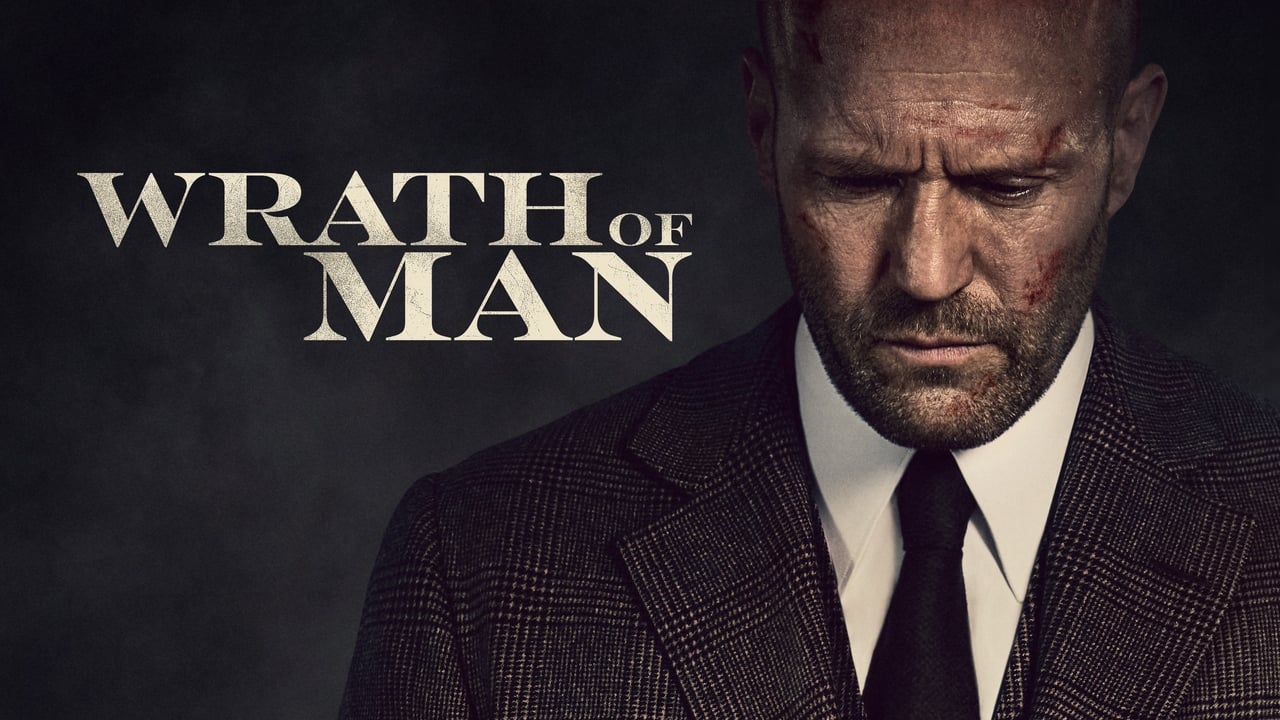
Released in May 2021, Wrath of Man arrived at a strange crossroads for cinema. We were just beginning to crawl back into theaters, blinking at the big screen after a year of laptop viewing, and Ritchie decided to give us the least "fun" movie of his career. This isn't the hyper-kinetic, split-screen gymnastics of Snatch or the stylized swagger of The Gentlemen. This is a grim, linear-adjacent heist flick that treats Los Angeles like a slaughterhouse and Jason Statham like the captive bolt pistol.
The Return of the Granite Jaw
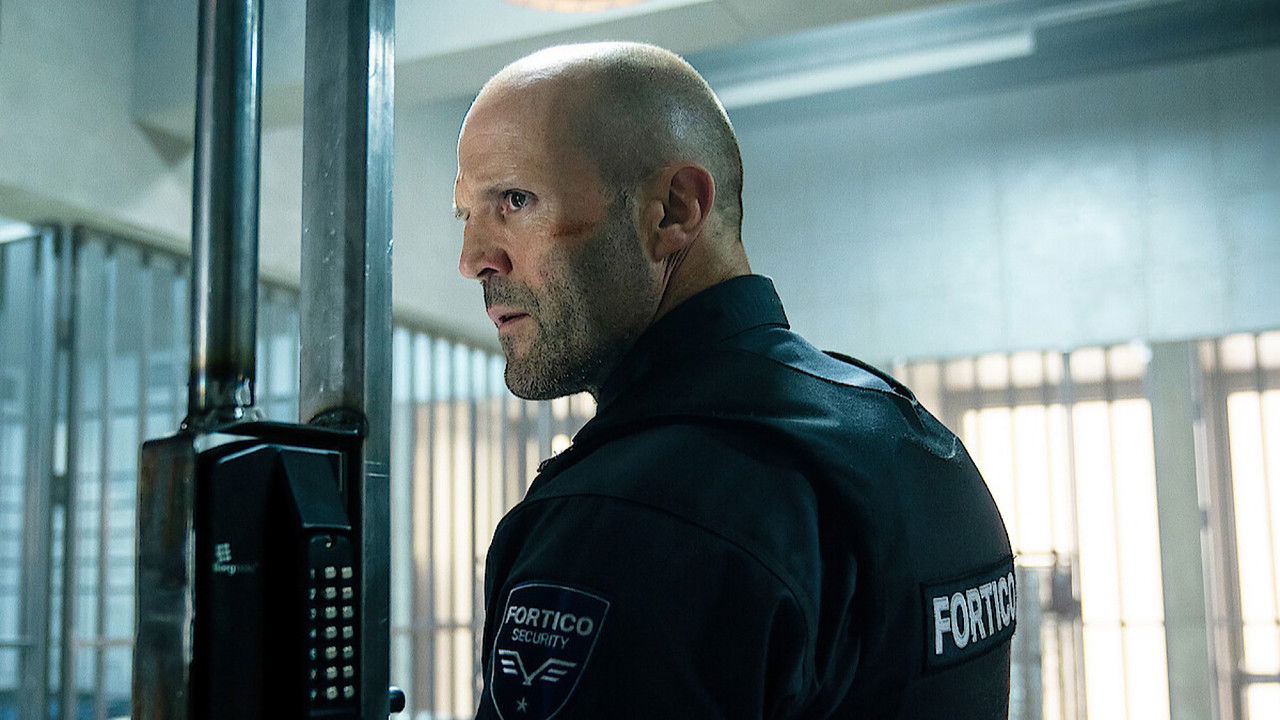
The plot is deceptively simple, then it isn't. Statham plays Patrick Hill, a man who joins an armored truck company in Los Angeles. His coworkers call him "H." He’s a bit of a mystery—quiet, overqualified, and seemingly bored by the prospect of getting robbed. When a heist inevitably happens, H doesn’t just defend the truck; he executes the robbers with the surgical precision of a man who has spent his life studying the anatomy of a gunfight.
His coworkers, played with blue-collar grit by Holt McCallany (as Bullet) and a wonderfully twitchy Josh Hartnett (as "Boy Sweat" Dave), start asking the obvious question: Who the hell is this guy? I’m convinced Statham’s skin is actually made of burnished pewter in this movie. He doesn't act so much as he looms. It’s a performance of pure, unadulterated menace that reminds us why he and Ritchie were such a potent duo back in the late 90s. After 15 years apart, they’ve traded the "geezer" humor for a heavy, existential dread that feels much more at home in the 2020s.
A Heist Movie Drowned in Cello Notes

What makes this more than just a standard "Statham punches things" movie is the structure. Ritchie breaks the film into chapters, jumping back and forth in time to show us the same inciting incident from three different perspectives. We see the crime, we see the grief, and then we see the professional military precision of the villains—led by a chillingly pragmatic Jeffrey Donovan and a genuinely loathsome Scott Eastwood.
Eastwood, playing the impulsive Jan, is the perfect foil for Statham’s stillness. While Statham is a glacier, Eastwood is a live wire with no insulation. The film’s greatest trick is making you root for a literal crime boss to dismantle a squad of disgruntled veterans. It’s a morally gray landscape where the "good guys" are just the ones who aren't currently murdering innocent bystanders. The film leans into the "Dark Drama" modifier hard; there are no quips here. Even the jokes feel like they’ve been sharpened into shivs.
Stuff You Might Have Missed
Behind the scenes, Wrath of Man is a fascinating bit of international recycling. It’s a remake of the 2004 French film Le Convoyeur (Cash Truck), but Ritchie strips away the European arthouse sensibilities and replaces them with American heavy metal.
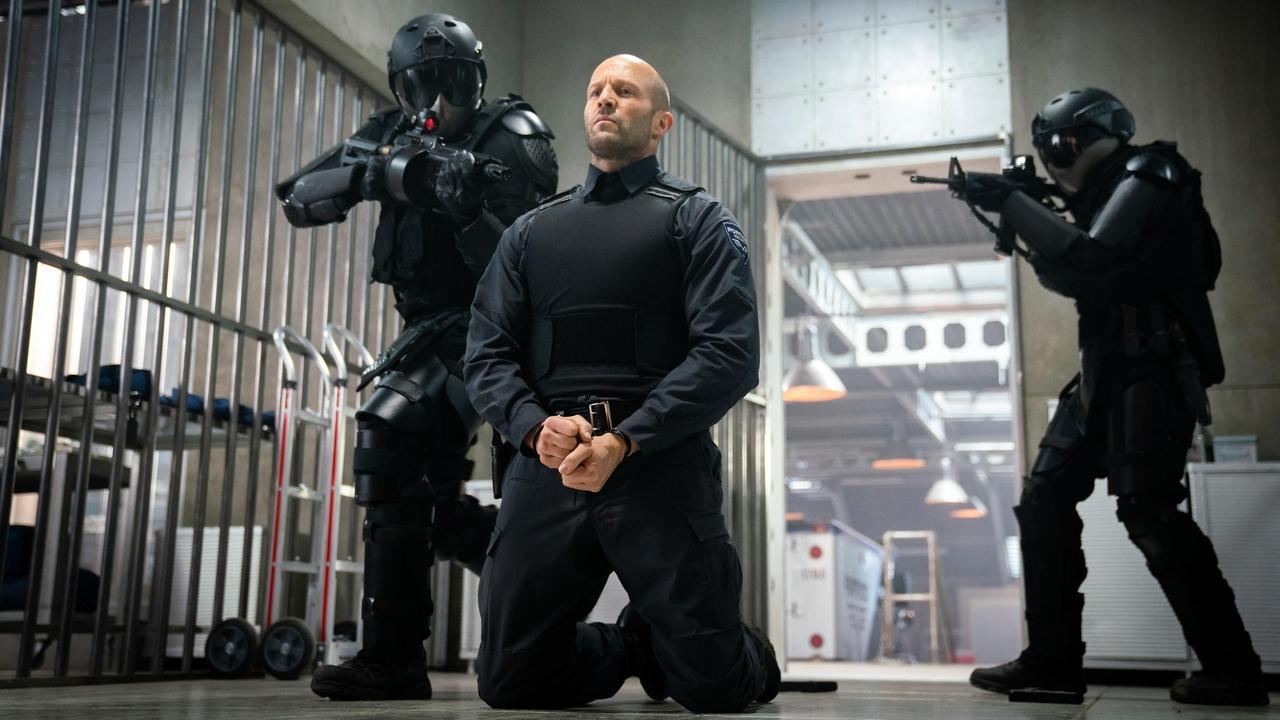
The Reunion: This was the first time Statham and Ritchie worked together since Revolver in 2005. They basically invented a genre together, and seeing them reunite for something this somber felt like a statement of maturity. The Post-Pandemic Push: It was one of the first major titles to test the theatrical waters when "capacity limits" were still a dinner-table conversation. It over-performed, proving people were hungry for something that felt substantial and "big screen" worthy. The Hartnett Renaissance: Josh Hartnett’s casting was a stroke of genius. He plays a guy who thinks he’s an alpha but turns into a puddle of nerves the second a bullet whizzes by. It’s a great bit of deconstructive casting for a former heartthrob. The Soundscape: Composer Chris Benstead allegedly used a lot of low-frequency industrial sounds to create that oppressive atmosphere. It’s a "Dark" film not just visually, but aurally. * The Guns: Unlike most action movies where everyone has infinite ammo, the firearm handling here is remarkably grounded. They used real tactical consultants to ensure the reloads and movements felt like professional mercenary work, not Hollywood flash.
Wrath of Man isn't going to win any awards for sentimental depth, but it is an incredibly effective piece of atmospheric pulp. It’s a movie about the weight of a grudge and the mechanics of a robbery, stripped of all the usual cinematic sugar. In an era of neon-soaked John Wick clones, Ritchie’s decision to go grey, cold, and brutal feels almost revolutionary. It’s a film that knows exactly what it is: a blunt instrument. If you’re in the mood for a movie that feels like a heavy door slamming shut, this is the one. It doesn't ask for your love; it just demands your attention.
Keep Exploring...
-

Snowden
2016
-
Guy Ritchie's The Covenant
2023
-
Patriots Day
2016
-

Uncut Gems
2019
-

Promising Young Woman
2020
-

The House That Jack Built
2018
-
El Camino: A Breaking Bad Movie
2019
-

The Devil All the Time
2020
-

Shot Caller
2017
-
Sherlock: The Abominable Bride
2016
-
Dogman
2018
-

Shoplifters
2018
-

The Gentlemen
2020
-
The Accountant
2016
-
The Outfit
2022
-
Bad Times at the El Royale
2018
-
The Highwaymen
2019
-

Ambulance
2022
-

The Beekeeper
2024
-

Miss Sloane
2016