Wrong Turn
"The woods have eyes, but they aren't looking for lunch."
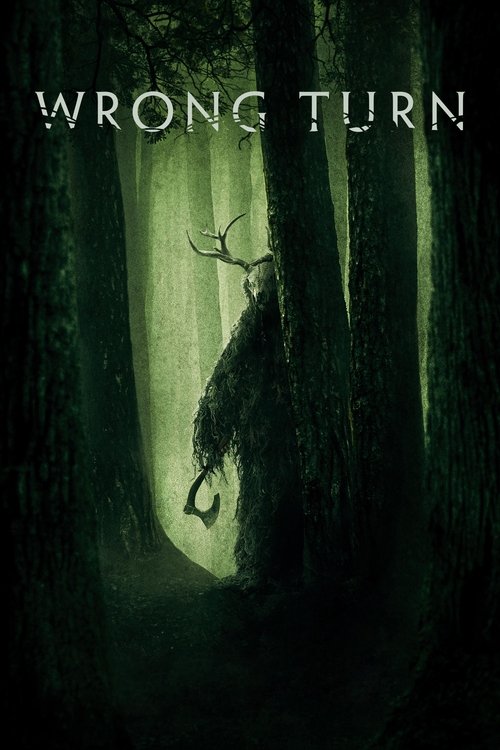
I walked into the 2021 reimagining of Wrong Turn expecting the cinematic equivalent of a greasy, lukewarm burger: familiar, slightly trashy, and populated by the same inbred cannibal mutants I’ve been avoiding since 2003. Imagine my surprise when, about forty minutes in, the movie dropped the slasher tropes entirely and pivoted into a bizarre, socio-political folk-horror nightmare. I watched this on my laptop while hiding from a particularly persistent rainstorm, periodically distracted by a spider crawling across my windowsill that I refused to kill because, honestly, the movie made me feel bad for trespassing on anyone's territory.

This isn't the Wrong Turn you remember. Gone are Three Finger and his giggling brothers. In their place is "The Foundation," a community of mountain dwellers who checked out of American society before the Civil War and have been living a rugged, merciless existence in the Appalachian wilderness ever since. Directed by Mike P. Nelson, who previously gave us the post-apocalyptic The Domestics, this version feels distinctly "now." It trades the mindless gore-fest for a conversation about cultural polarization, though it still finds plenty of time to crush a few skulls along the way.
Subverting the Slasher Script
The setup is classic—perhaps too classic. A group of diverse, wealthy urbanites (the "New Yorkers") head to a small town in Virginia to hike the Appalachian Trail. They are smug, they are judgmental, and they are warned by the locals to stay on the path. Naturally, they don't. They’re looking for a "hidden" fort, but what they find is a series of Rube Goldberg-style log traps that turn their scenic hike into a frantic scramble for survival.
What I found fascinating here is how the screenplay, written by Alan B. McElroy (the man who actually wrote the original 2003 film), plays with our assumptions. For the first act, we're led to believe these mountain dwellers are just the latest iteration of the "hillbilly horror" trope. But as Charlotte Vega’s Jen and her friends are captured and brought before the Foundation’s council, the movie shifts gears. Bill Sage, playing the leader John Venable with a terrifying, bearded stoicism, argues that they are the civilized ones, and the hikers are the barbaric intruders. It’s basically a Reddit argument about gentrification played out with sharpened stakes and animal-skull masks.
A New Kind of Final Girl
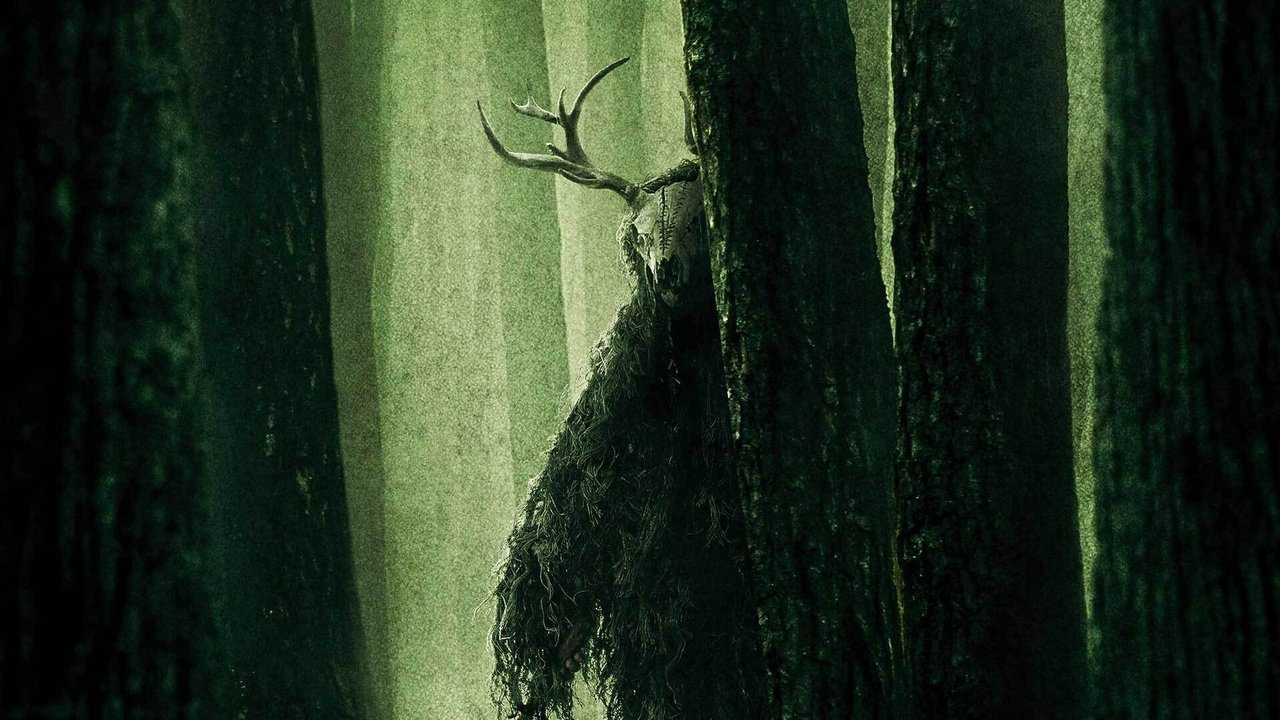
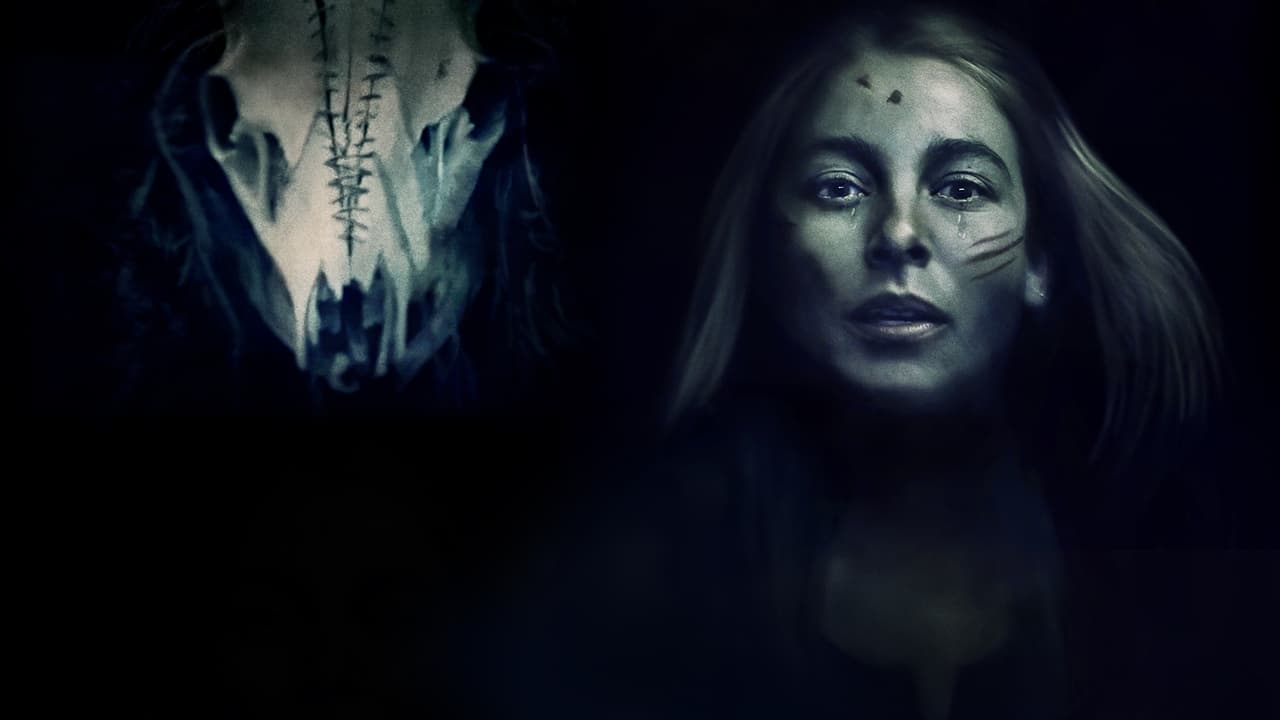
Charlotte Vega is the standout here. In a genre often filled with interchangeable victims, her Jen Shaw has a genuine arc. She doesn't just survive; she adapts. There’s a ruthlessness to her performance that emerges in the second half of the film, especially once the plot jumps ahead and we see the cost of her "integration" into the Foundation. She carries the emotional weight of the film’s mid-point twist, which is far more psychological than I expected from a franchise that once featured a scene of a mutant eating a woman’s eye.
The supporting cast, including Adain Bradley and Emma Dumont, do fine work as the "city kids," but they are primarily there to serve as the friction between two worlds. The real tension comes from the clash of ideologies. In an era defined by political polarization, the film leans hard into the idea that neither side truly understands the other. The "villains" aren't supernatural or even necessarily evil; they’re just operating on a set of rules that haven't changed in 150 years. Honestly, the most unrealistic part of the movie is the idea that a group of Gen Z hipsters would survive more than twenty minutes without Wi-Fi, let alone in a survivalist cult.
The Brutality of the Woods
Technically, the film is a major step up from the later, direct-to-video sequels of the original franchise. Nick Junkersfeld’s cinematography captures the Appalachians as something both beautiful and oppressive. The use of practical effects is surprisingly restrained but impactful when it counts. One particular scene involving a "trial" and a very large mallet stayed with me long after the credits rolled—not because of the gore, but because of the cold, bureaucratic way the violence was handled.

Interestingly, this film was released during that strange pandemic tail-end where theatrical windows were collapsing and everything felt like a "Premium VOD" experiment. It’s a shame it didn't get a wider theatrical run, as the sound design—the snapping of twigs, the distant, haunting calls of the Foundation—deserves a big room. It’s also worth noting that Alan B. McElroy returning to his own creation just to tear it down and rebuild it as a folk-horror piece is a move I wish more franchise creators would make. He clearly had no interest in repeating himself, and while some legacy fans were annoyed by the lack of mutants, I found the change of pace refreshing.
The film does stumble in its final act, stretching the runtime a bit thin and leaning into a "triple-ending" structure that feels like it’s trying too hard to shock the audience one last time. However, the very final sequence—set to a haunting, slowed-down cover of a classic folk song—is a genuine banger. It’s a mean, clever little coda that cements the film as its own beast. If you're looking for the mindless fun of the 2003 version, you might be disappointed, but if you want a horror film that actually tries to engage with the messy, tribalistic reality of the 2020s, this is a turn worth taking. It’s a sturdy, well-acted survival thriller that proves there’s still life in the old woods, even if the monsters have traded their mutations for a very strict set of bylaws.

Keep Exploring...
-
Before I Wake
2016
-
Morgan
2016
-
The Other Side of the Door
2016
-
Creep 2
2017
-
Cult of Chucky
2017
-
Wish Upon
2017
-
Assassination Nation
2018
-
Hell Fest
2018
-
Tau
2018
-
The Perfection
2018
-
The Strangers: Prey at Night
2018
-
Haunt
2019
-
Polaroid
2019
-
Secret Obsession
2019
-
The Prodigy
2019
-
The Silence
2019
-
Brahms: The Boy II
2020
-
Color Out of Space
2020
-
Gretel & Hansel
2020
-

Synchronic
2020