13 Exorcisms
"Sometimes the devil is in the details of puberty."

There is a specific, damp kind of dread that only Spanish horror seems to get right. It’s a texture—a mix of ancient stone walls, flickering fluorescent lights, and the suffocating weight of Catholic guilt that feels much heavier than the breezy jump-scare fests we usually get from Hollywood. I stumbled upon 13 Exorcisms on a rainy Tuesday while wearing mismatched socks—one wool, one cotton, which was far more distracting than it should have been—and found myself sucked into a story that feels like it was born in a confessional booth and raised on a diet of post-pandemic anxiety.
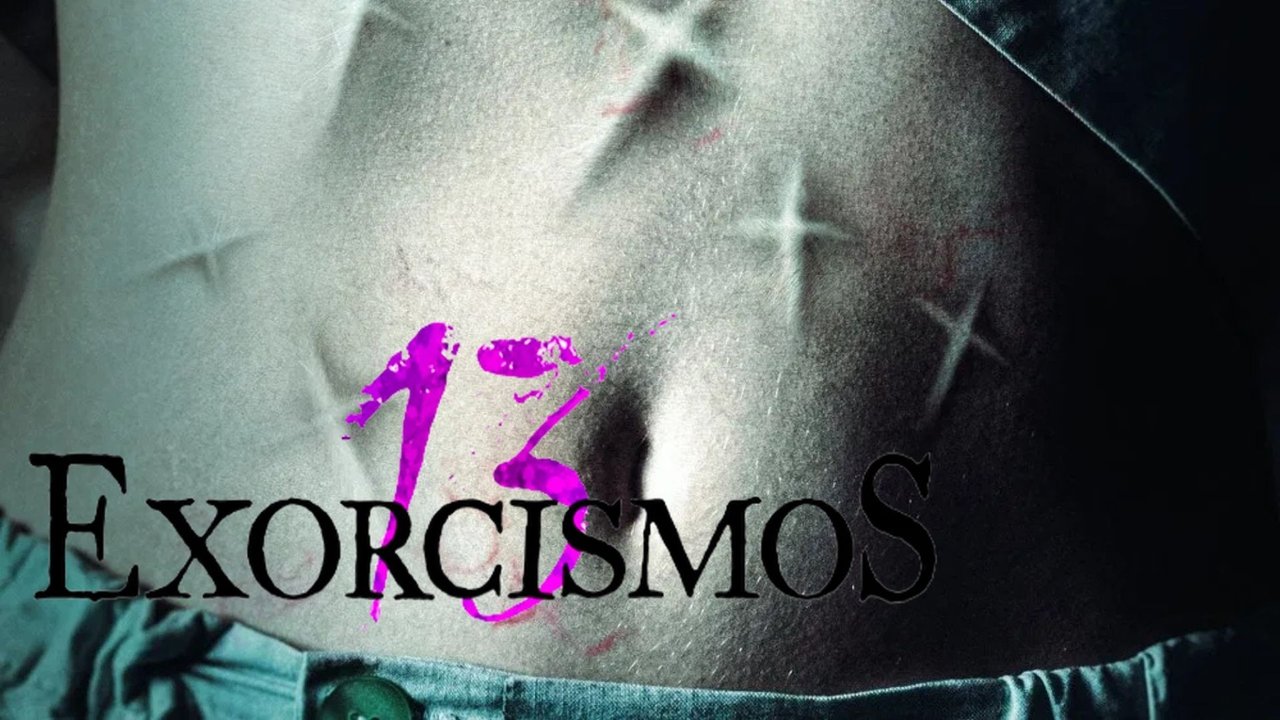
Released in late 2022, this film arrived at a weird time for cinema. We were just starting to crawl out of our houses, blinking at the sunlight, only to find the streaming services absolutely glutted with "elevated" horror. While everyone was talking about the latest A24 head-trip, this gritty little Spanish production from the producers of the terrifying Veronica (2017) quietly slipped into theaters and then onto digital platforms, largely unnoticed by the masses. It’s a shame, because while it doesn't reinvent the wheel, it certainly knows how to make that wheel squeak in a way that’ll keep you up at night.
The Shadow of the Séance
The setup is classic "horror movie 101": a group of teenagers, a séance on Halloween, and a girl who starts seeing things that aren't there. But María Romanillos, who plays our lead, Laura, manages to anchor the cliché in something painfully real. She doesn’t just look "possessed"; she looks like a teenager who is being physically and mentally dismantled by a world she doesn’t understand. In the current era of cinema, where we’re constantly deconstructing tropes, 13 Exorcisms plays it surprisingly straight, leaning into the terrifying possibility that the ritual worked.
What I found most compelling wasn't the supernatural pyrotechnics, but the domestic claustrophobia. Laura’s family, led by Ruth Díaz as her mother Carmen, represents that specific brand of religious fervor that turns a home into a prison. The film captures a very "now" conversation about mental health versus spiritual warfare. Are we watching a girl lose her mind, or is something truly reaching out from the void? It’s basically Veronica’s less-popular cousin who went to Catholic school and never learned how to party.
A Ritual in the Digital Age
When the "authorized" help finally arrives in the form of Padre Olmedo, played with a weary, granite-faced authority by the legendary José Sacristán, the movie shifts gears. José Sacristán is a titan of Spanish cinema, and seeing him bring such gravitas to a genre film is a treat. He’s not a superhero priest; he’s a man doing a job he clearly hates but feels he must do.
The direction by Jacobo Martínez—making his feature debut here—is surprisingly confident. He uses the camera to shrink the space around Laura, making the suburban setting feel as gothic as a medieval cathedral. In an era where CGI often robs horror of its tangibility, the practical-leaning effects here feel "crunchy" and grounded. There’s a scene involving a bathroom mirror that made me actually put down my spoon—and for context, I was eating soggy Cocoa Puffs, and I never stop eating Cocoa Puffs.
The film was inspired by the real-life "Burgos Case" from 2014, the last officially sanctioned exorcism in Spain. Knowing that this isn't just a riff on William Friedkin’s The Exorcist but is rooted in a relatively recent legal and spiritual scandal gives it a disturbing edge. It’s a reminder that even in our hyper-connected, smartphone-obsessed world, there are corners of society where the old ways still hold a terrifying amount of power.
Why It Slipped Through the Cracks
So why did a movie with this much pedigree and a solid $1.8 million box office (decent for a local production) vanish from the conversation? Part of it is "exorcism fatigue." Between the Conjuring universe and the endless "The [Insert Name] Exorcism" titles on Netflix, audiences are skeptical of the sub-genre. Furthermore, the streaming-first strategy for international horror often means these films lose their "event" status the moment they leave the festival circuit.
13 Exorcisms doesn't have the flashy, meme-able moments of a movie like Smile or the high-concept hook of Talk to Me. It’s a somber, traditionalist piece of craft that values atmosphere over TikTok-friendly scares. It’s the kind of movie you find at 1 AM and feel like you’ve discovered a secret. It’s not perfect—the ending feels a bit rushed, as if they ran out of incense and holy water in the final ten minutes—but it’s an effective, moody piece of contemporary Spanish Gothic.

If you're looking for a film that pushes the boundaries of the genre, this might feel a bit safe. However, if you want a well-acted, atmospheric chiller that understands the psychological toll of belief, it’s a solid find. It’s a reminder that sometimes the scariest thing isn't the demon in the room, but the people who think they know how to get rid of it. Grab some snacks, find a pair of matching socks, and give this Spanish oddity a look.
Keep Exploring...
-

The Wasteland
2021
-

Venus
2022
-

Sister Death
2023
-

Apocalypse Z: The Beginning of the End
2024
-

Cargo
2017
-

Ghost Stories
2018
-

The Perfection
2018
-

The Possession of Hannah Grace
2018
-

Secret Obsession
2019
-

The Room
2019
-

The Silence
2019
-

His House
2020
-

The Craft: Legacy
2020
-

The Lodge
2020
-

Aftermath
2021
-

Antlers
2021
-

Gaia
2021
-

Hypnotic
2021
-

Lamb
2021
-

Meander
2021
-

The Advent Calendar
2021
-

The Boy Who Killed My Parents
2021
-

The Cursed
2021
-

The Girl Who Killed Her Parents
2021