A Man Called Otto
"Kindness is a neighborhood watch."
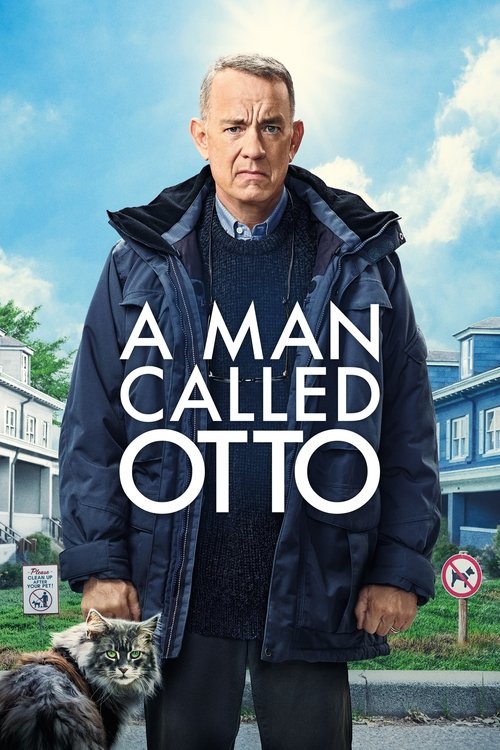
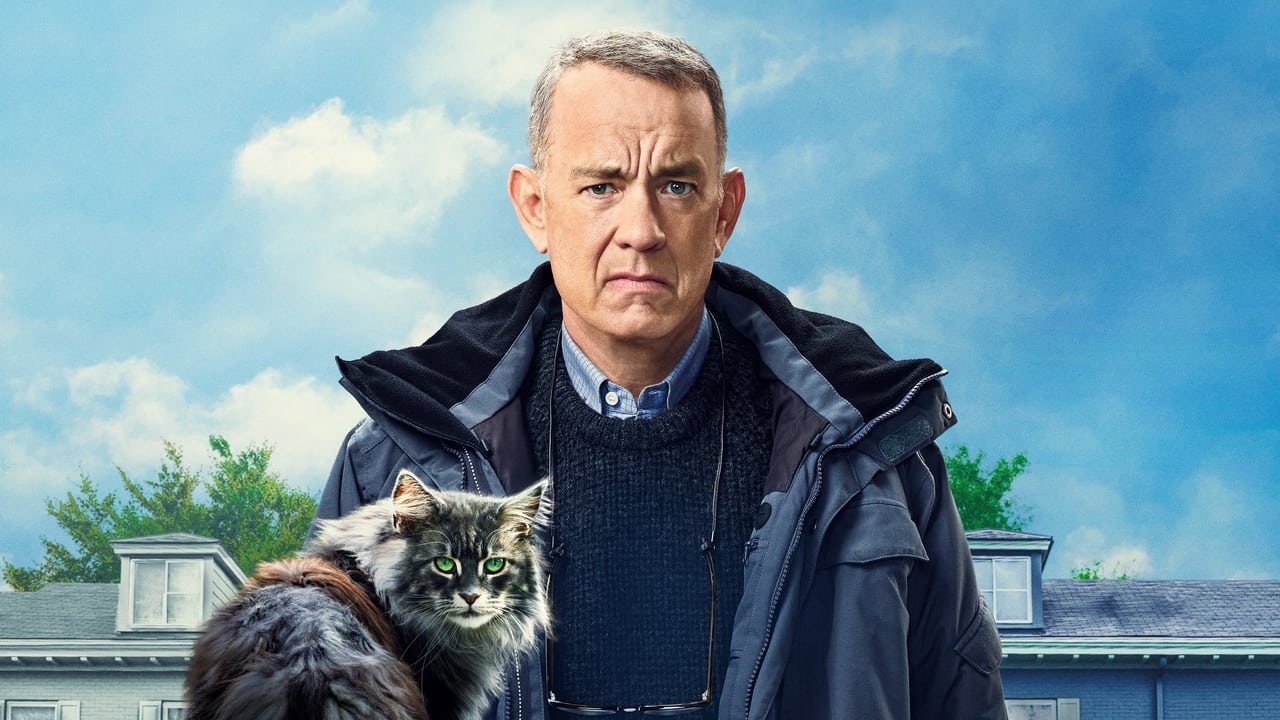
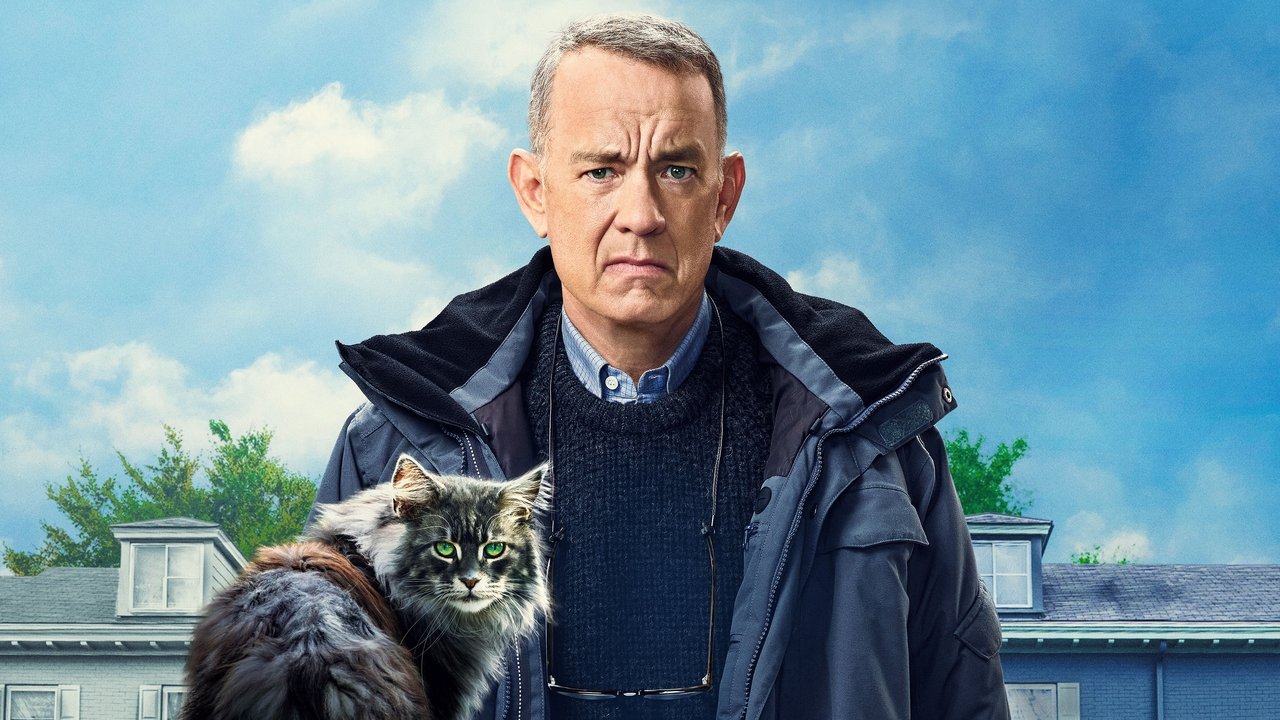
There is a specific, agonizing brand of retail hell reserved for the man who tries to buy exactly five feet of rope when the store policy only recognizes sales by the yard. In the opening minutes of A Man Called Otto, we see Tom Hanks—the man who survived a deserted island with a volleyball and stormed the beaches of Normandy—getting into a verbal fistfight with a teenage cashier over a few cents of "miscalculated" twine. It is a perfect, petty introduction. It tells us everything we need to know about Otto Anderson: he is a man whose world has shrunk to the size of a property line, and he is determined to defend that line with the ferocity of a cornered badger.
I watched this film on a Tuesday afternoon while my apartment’s radiator was letting out a rhythmic, metallic clanking that sounded suspiciously like a ghost trying to play the spoons, and honestly, that mechanical annoyance put me in the perfect headspace for Otto’s brand of misery.
The Neighborhood of Lost Souls
In this Americanized reimagining of the Swedish hit A Man Called Ove, the setting shifts to a snowy, grey-scale Pittsburgh. The film arrives in a post-pandemic landscape where "the neighborhood" feels like a fragile, almost extinct concept. Otto is a widower who has decided to check out of life, literally, but his suicide attempts are constantly thwarted by the sheer, unadulterated clumsiness of the living.
Enter Marisol, played with a brilliant, caffeinated energy by Mariana Treviño. She is the pregnant neighbor who doesn’t see a grouch; she sees a man with a ladder and a hex key set. The film’s philosophical weight sits right here, in the tension between Otto’s desire for the cold silence of the grave and Marisol’s refusal to let him be lonely. It’s a meditation on the fact that we are often saved not by grand gestures, but by the annoying, persistent needs of other people. Hollywood’s obsession with cleaning up European grit for American palates usually ends in a sugary mess, but Otto manages to keep just enough vinegar to stay interesting.
Performance and the "America's Dad" Tax
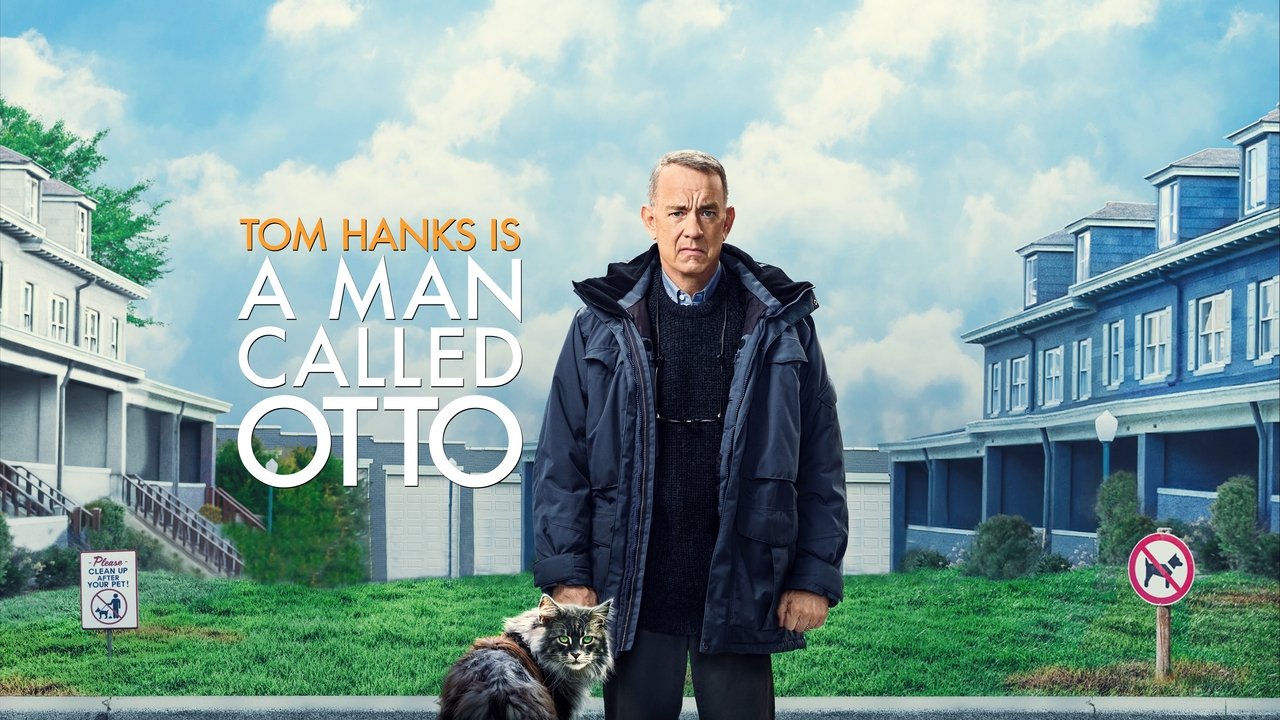
We have to talk about the Tom Hanks of it all. There is an inherent risk in casting the most likable man in cinematic history as a guy who yells at stray cats. For the first twenty minutes, you’re waiting for the "Hanks-ness" to break through the scowl. But as the film progresses, you realize he isn’t playing a caricature; he’s playing a man suffering from a literal and metaphorical enlarged heart.
The supporting cast provides the necessary warmth to keep the film from sliding into a nihilistic pit. Manuel Garcia-Rulfo is charmingly inept as Tommy, the "it’s-just-one-more-thing" neighbor, while Cameron Britton brings a soft-edged sweetness to Jimmy, the local fitness enthusiast. However, it’s the relationship between Otto and Malcolm (Mack Bayda), a transgender youth who was a student of Otto’s late wife, that feels most "of the moment." It’s a quiet, understated subplot that addresses contemporary themes of acceptance without feeling like it’s checking a corporate box. It works because it’s rooted in Otto’s respect for "doing things the right way," and in Malcolm’s eyes, Otto is the only adult who isn't full of it.
The Evolution of a Modern Grump
Interestingly, this story has its own cult-like trajectory. The original novel by Fredrik Backman was a word-of-mouth sensation before becoming a 2015 Swedish film that earned two Oscar nominations. Fans of the original property are notoriously protective of the story’s "Discovery Story"—the way it traveled from a niche blog to a global phenomenon.
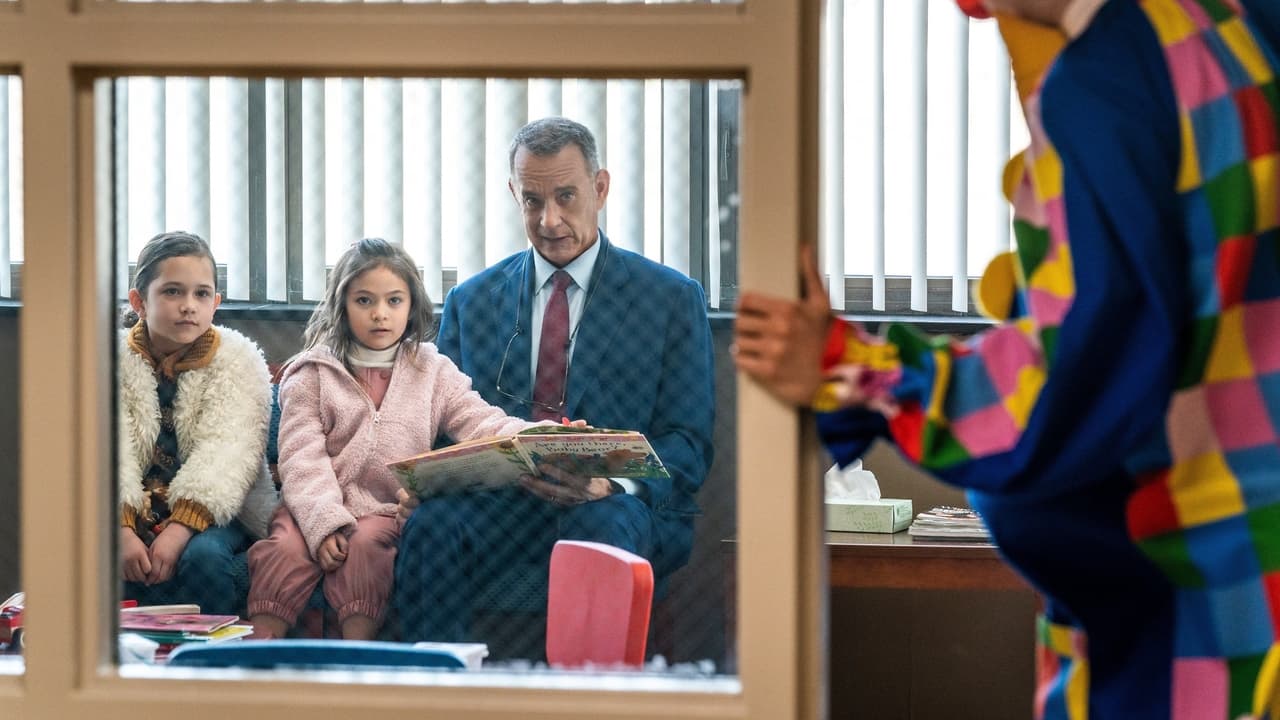
Apparently, the production was a bit of a family affair; the younger version of Otto seen in flashbacks is played by Truman Hanks, Tom’s actual son. It was director Marc Forster’s idea, as they needed someone who shared Tom’s specific physical mannerisms without relying on the de-aging CGI that has become the slightly uncanny-valley norm in contemporary Disney-era blockbusters.
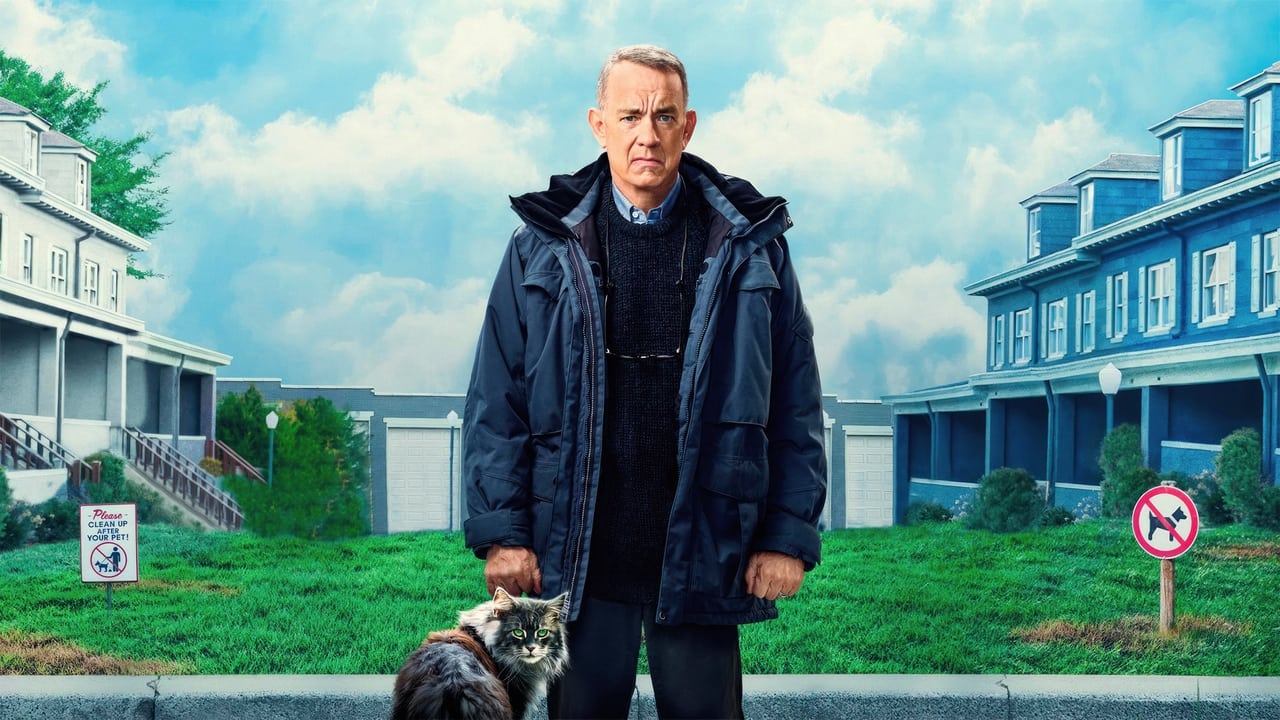
The film also underwent a "car culture" translation. In the original Swedish version, the lifelong feud was between a Saab driver and a Volvo driver. For the American audience, this was swapped for Chevy versus Ford. It’s a small detail, but it speaks to the film’s understanding of a specific type of masculine identity—one where the brand of truck you drive is a moral manifesto. It’s a quirky bit of trivia that fans of the original obsess over, much like how Smeagol, the professional cat actor who plays Otto’s feline companion, reportedly had more "diva" moments on set than the human leads.
A Man Called Otto doesn't reinvent the wheel, but it does show you exactly how to change one in the freezing rain. It’s a drama that understands that grief isn’t just a feeling; it’s a chore. While it occasionally leans too hard into the sentimental score by Thomas Newman, the core of the film remains a thoughtful look at what we owe our neighbors.
I left the film feeling a strange urge to go outside and organize my recycling bins. It’s a testament to the film’s power that it makes being a responsible, slightly cranky citizen feel like a heroic act. If you’re looking for a movie that validates your inner curmudgeon while gently suggesting you might want to buy someone a tray of chicken mole, this is your stop. It’s a mid-budget adult drama that reminds us that in an era of digital isolation, the most radical thing you can do is knock on someone’s door.
Keep Exploring...
-
Instant Family
2018
-
Christopher Robin
2018
-
Another Round
2020
-
American Made
2017
-

Cars 3
2017
-
Vice
2018
-
Don't Look Up
2021
-
Babylon
2022
-
Love, Simon
2018
-

Greyhound
2020
-
The Holdovers
2023
-
The Call of the Wild
2020
-
King Richard
2021
-
The Woman King
2022
-

Gran Turismo
2023
-
Stranger Than Fiction
2006
-
I, Tonya
2017
-
The Big Sick
2017
-
The Disaster Artist
2017
-
BlacKkKlansman
2018