Aftersun
"The devastating weight of things left unsaid."
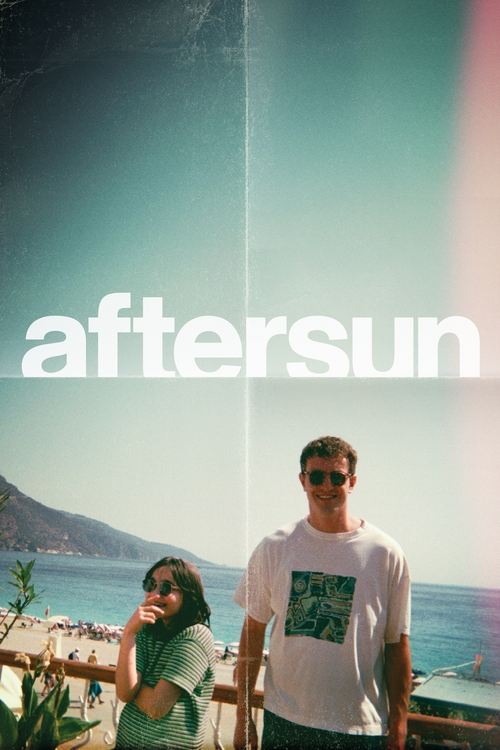
Some movies wait for you to come to them. They don’t shout, they don’t throw jump scares at you, and they certainly don’t explain their own plot in the third act. They just sit there, shimmering like heat haze on a Turkish tarmac, waiting for you to realize that your heart has been quietly breaking for the last hour. I watched Aftersun for the second time on a humid Tuesday evening while nursing a lukewarm glass of oat milk that had developed a weird skin on top, and somehow, that small, domestic unpleasantness made the film’s sharp edges cut even deeper.
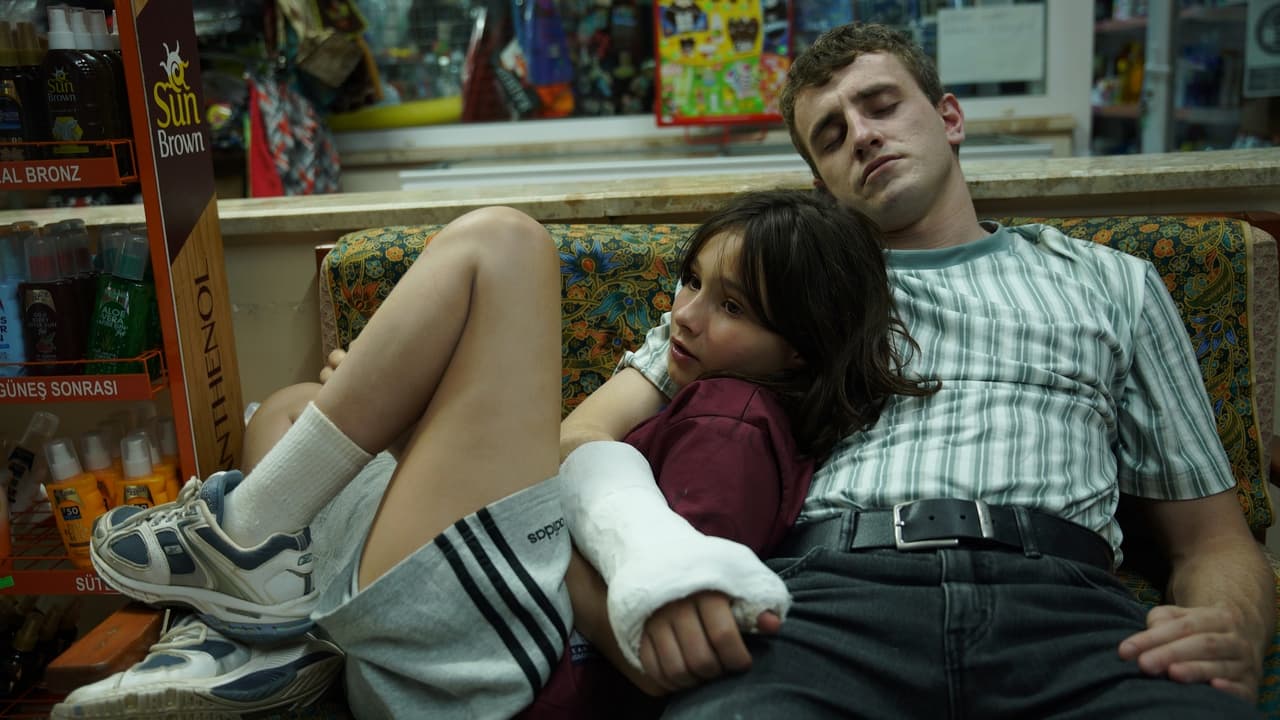
Released in 2022, Charlotte Wells’ debut feature is a masterclass in what I like to call "emotional archaeology." In an era where big-budget franchises like the MCU are struggling with "multiverse fatigue" and everything feels polished to a corporate sheen, Aftersun feels like a miracle. It’s a small, handheld, deeply personal story that reminds me why we still need the theatrical experience—or at least, why we still need movies that respect our intelligence enough to let us fill in the blanks.
The Texture of a Fading Polaroid
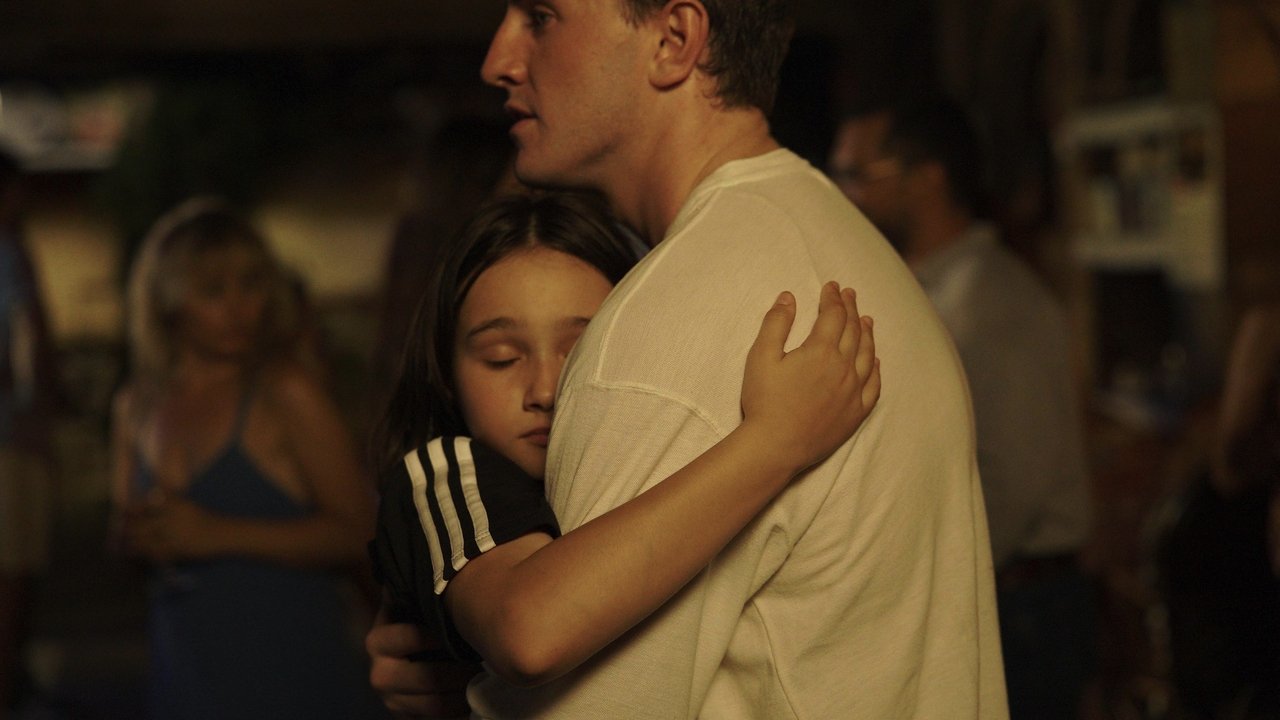
The setup is deceptively simple. Calum (Paul Mescal, who many of us first fell for in Normal People) is a young, charming, and clearly struggling father taking his eleven-year-old daughter, Sophie (Frankie Corio), on a budget holiday to Turkey in the late 1990s. They lounge by the pool, they go paragliding, they sing karaoke. It looks like a home movie, and indeed, much of the film is seen through the grain of a MiniDV camcorder.
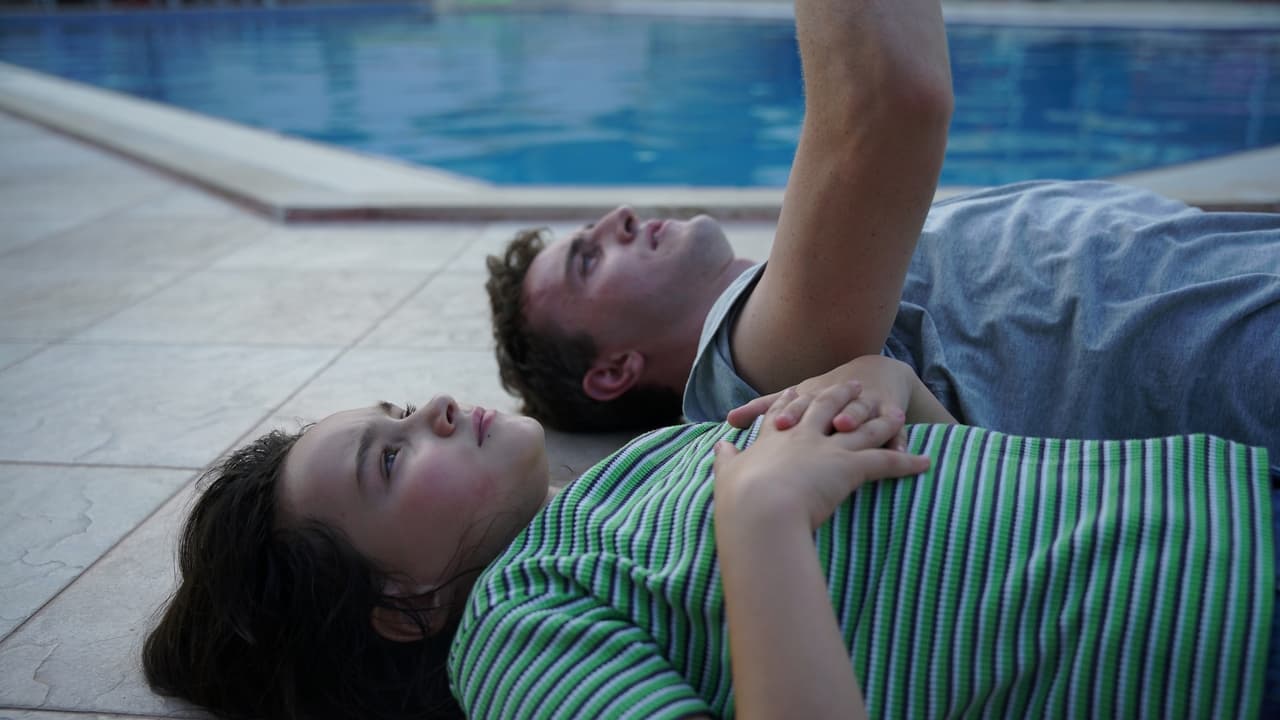
But there’s a persistent, low-frequency hum of dread beneath the sunshine. Charlotte Wells uses the camera not just to record the holiday, but to show us the "glitch" in the memory. We see Calum through Sophie’s eyes—the fun, "cool" dad—and then we see him when she’s not looking. It’s in those moments, where Paul Mescal collapses into a silent, racking sob or stands precariously on a balcony railing, that the film’s true weight lands. The film is essentially a 100-minute panic attack disguised as a travel brochure.
The Language of the Unseen
What makes Aftersun a quintessential contemporary drama is its refusal to "check boxes." There is no big revelation about why Calum is hurting. There’s no flashback to a traumatic event. It treats depression not as a plot point, but as a climate—a weather system that he is trying, desperately, to keep Sophie from noticing.
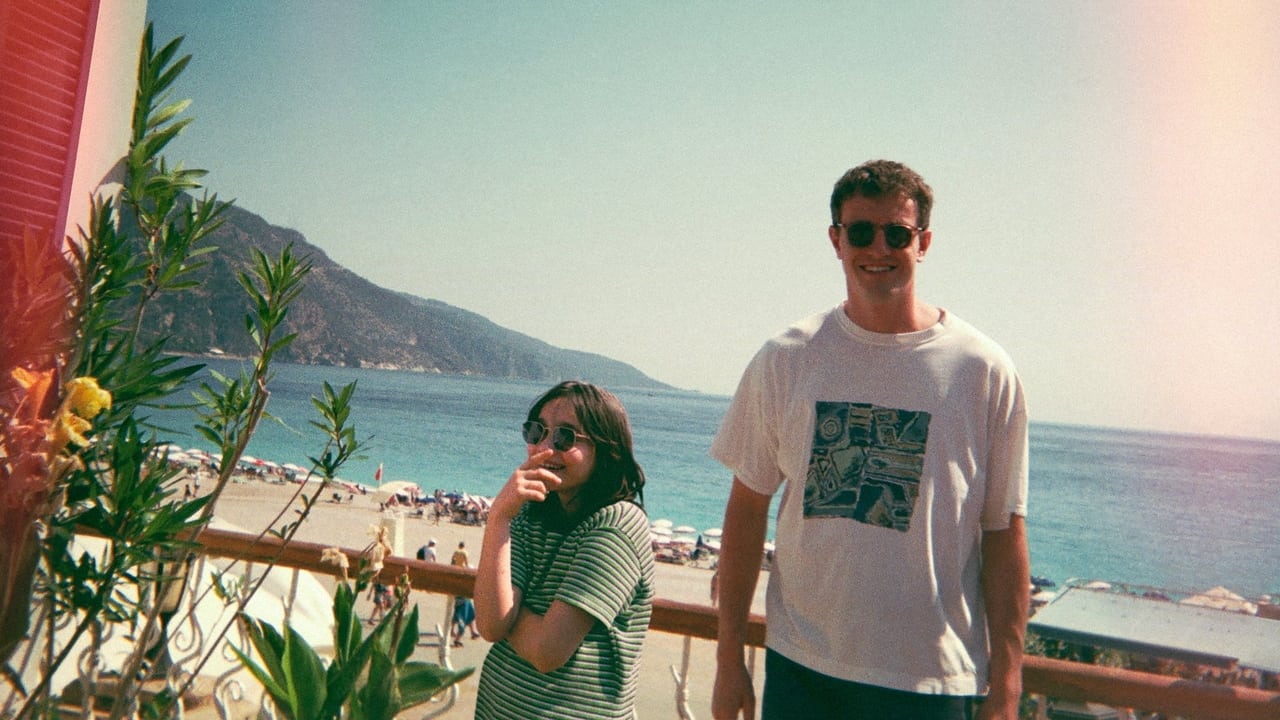
The chemistry between Paul Mescal and newcomer Frankie Corio is the kind of lightning-in-a-bottle casting that directors dream of. Apparently, the two of them spent two weeks together at the resort before the crew even arrived, just hanging out and building a real rapport. It shows. Their banter doesn't feel scripted; it feels like the shorthand language only a parent and child can share. Frankie Corio is a revelation here, capturing that specific age where you’re starting to see the cracks in the adults around you but don't yet have the tools to name what you're seeing.
A Strobe-Lit Purgatory
Every now and then, the film cuts away from the 90s sunshine to a dark, strobe-lit dance floor where an adult Sophie (Celia Rowlson-Hall) tries to reach out to a man who looks exactly like the Calum from her childhood. It’s a bold, cerebral choice that could have felt pretentious in lesser hands. Here, it feels like a literal representation of memory. Adult Sophie is trying to reconcile the man she loved with the "troubled man she didn't know," as the tagline suggests.
The use of music is equally brilliant. I’ll never be able to hear David Bowie and Queen’s "Under Pressure" again without thinking of this film’s climax. It’s not just a needle drop; it’s a soul-crushing collision of two different timelines. Charlotte Wells and her editor, Blair McClendon, create a rhythmic tension that makes you feel like you’re falling through time along with the characters. It’s a reminder that in our current streaming-saturated market, where everything is designed to be "background noise," some films still demand—and earn—your absolute silence.
Stuff You Didn't Notice

If you look closely at the scene where Calum is at the rug shop, the film’s financial context actually adds a layer of quiet tragedy. The rug he buys is far too expensive for a man who is clearly struggling, a desperate attempt to buy something that lasts when he knows he won’t. Behind the scenes, the production was a collaboration between PASTEL (Barry Jenkins’ company) and BBC Film, showing how vital these mid-budget pipelines are for original voices.
It’s also worth noting that the score by Oliver Coates uses heavily processed, slowed-down snippets of 90s pop hits, making the sounds of the era feel like ghosts haunting the present. It’s those small, technical details that elevate Aftersun from a "sad movie" to a piece of art that stays in your system like a sunburn that won't fade.
This isn't a film you watch for a "fun time at the movies," but it is one you watch to feel profoundly human. It’s a story about the private lives of our parents and the way we carry our grief like a hidden tattoo. By the time the final shot rolls—a simple, devastating pan that bridges the past and the present—you realize you haven't just watched a movie; you've lived through someone else's most cherished, painful secret. It’s a stunning achievement for everyone involved, and a clear signal that Charlotte Wells is one of the most important directors of our current era.
Keep Exploring...
-
Clouds
2020
-
If Anything Happens I Love You
2020
-

The Banker
2020
-
Palmer
2021
-
The Fallout
2021
-
The Iron Claw
2023
-

A Taxi Driver
2017
-
BPM (Beats per Minute)
2017
-
God's Own Country
2017
-
I Want to Eat Your Pancreas
2018
-
On My Skin
2018
-
The Boy Who Harnessed the Wind
2019
-
The Specials
2019
-
A Whisker Away
2020
-
Evangelion: 3.0+1.0 Thrice Upon a Time
2021
-
The Hand of God
2021
-
Close
2022
-
RRR
2022
-
Suzume
2022
-
One Life
2023