All Quiet on the Western Front
"In the mud, there are no heroes."
The first thing that hits you isn’t the mud or the muzzle flashes; it’s the sound. Three distorted, industrial notes—BAM-BAM-BAM—reverberating like the heartbeat of a dying machine. It’s the score by Volker Bertelmann (who also did the haunting work on Lion), and it’s arguably the most terrifying sound in modern cinema. It doesn’t scream "historical epic"; it screams "impending doom." I watched this on a Tuesday night while eating a lukewarm bowl of leftover pad thai, and the contrast between my climate-controlled comfort and the screen’s unrelenting misery felt borderline obscene.
The Industrialization of Death
Director Edward Berger makes a choice in the opening ten minutes that sets the tone for everything to follow. We don’t start with our protagonist, Paul. We start with a soldier named Heinrich. We see his terror, his charge, and his inevitable end. Then, we follow his uniform. We watch it get stripped from his corpse, washed in giant vats of bloody water, mended by a row of seamstresses, and finally handed to Paul (Felix Kammerer) as if it were brand new. When Paul points out a name tag already inside, the officer just rips it out and calls it a "size issue."
This is the "War as a Factory" aesthetic that defines this 2022 adaptation. While Sam Mendes’ 1917 felt like a high-wire act of technical wizardry, Berger’s film feels like an autopsy. It’s a contemporary look at a century-old story that feels disturbingly relevant in our current era of renewed European conflict and rising nationalism. It refuses to give you the "war is hell, but at least we’re brothers" comfort that Hollywood usually leans on. In this movie, it makes 1917 look like a theme park ride.
Faces in the Mud
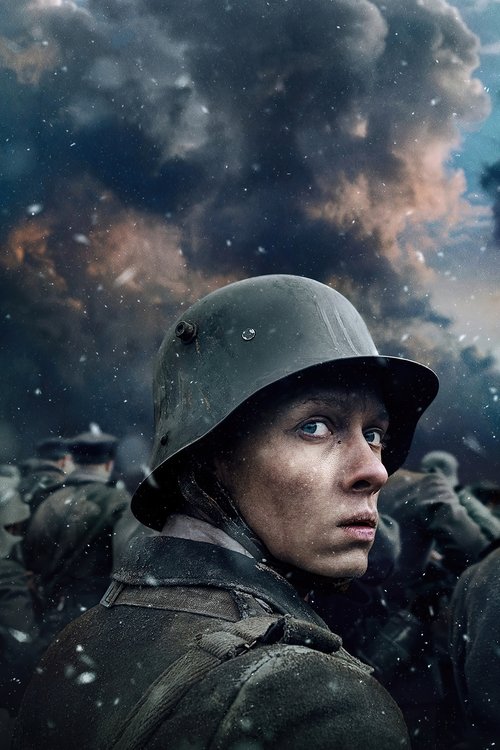
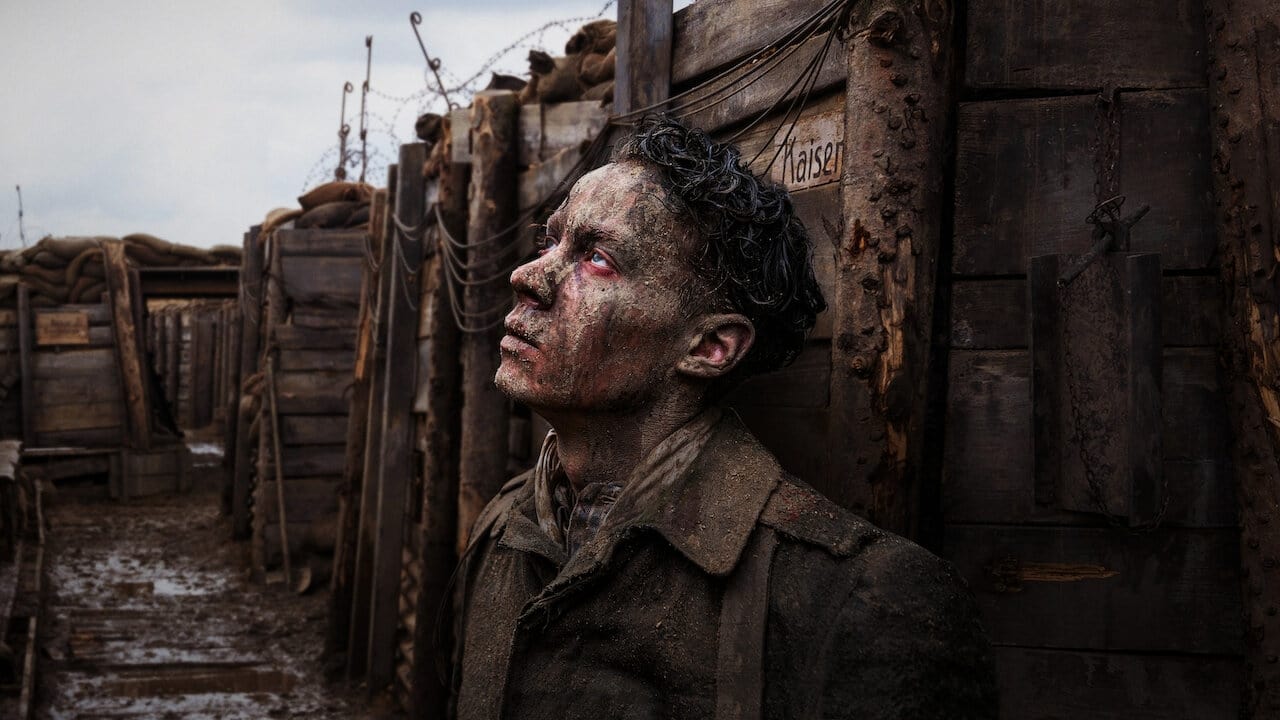
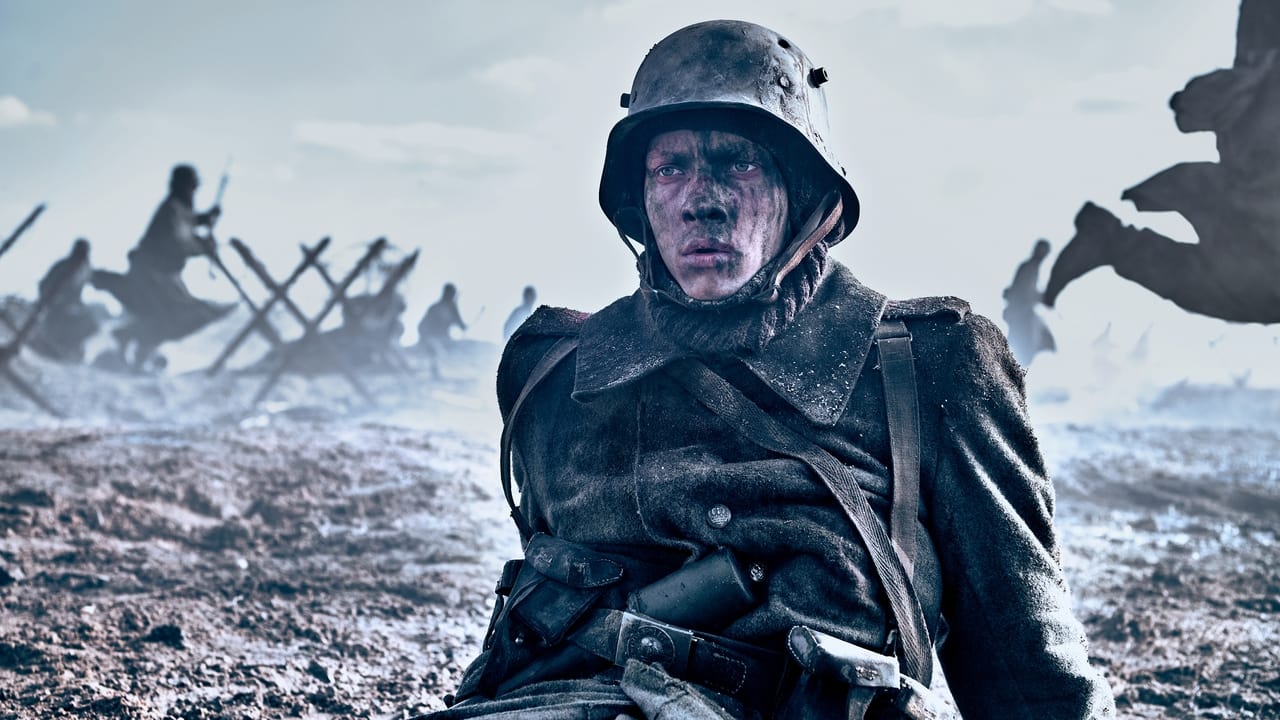
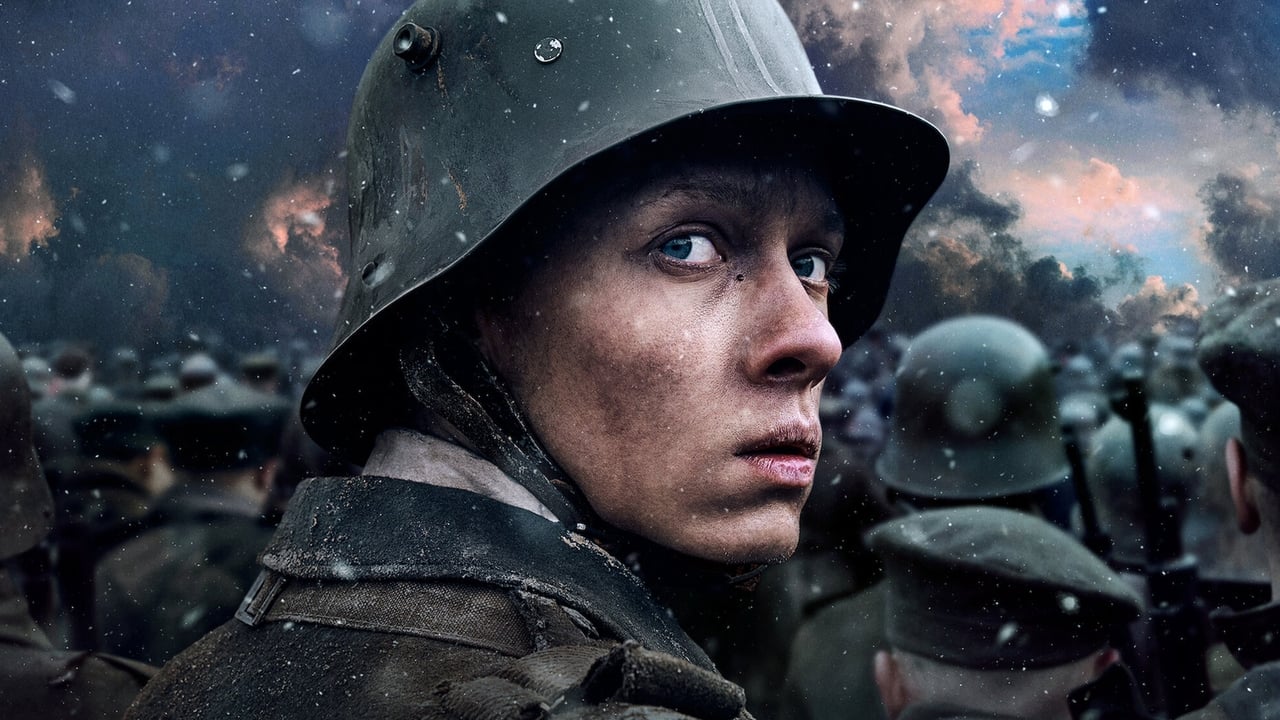
The heavy lifting here falls on Felix Kammerer, a Viennese stage actor making his film debut. It’s a transformative performance in the most literal sense. At the start, he has the wide-eyed, doughy face of a boy who thinks he’s going on a grand adventure. By the end, his face is a cracked mask of dried mud and thousand-yard stares. There’s a scene where he’s trapped in a crater with a dying French soldier that is genuinely difficult to sit through. It’s long, quiet, and agonizingly intimate.
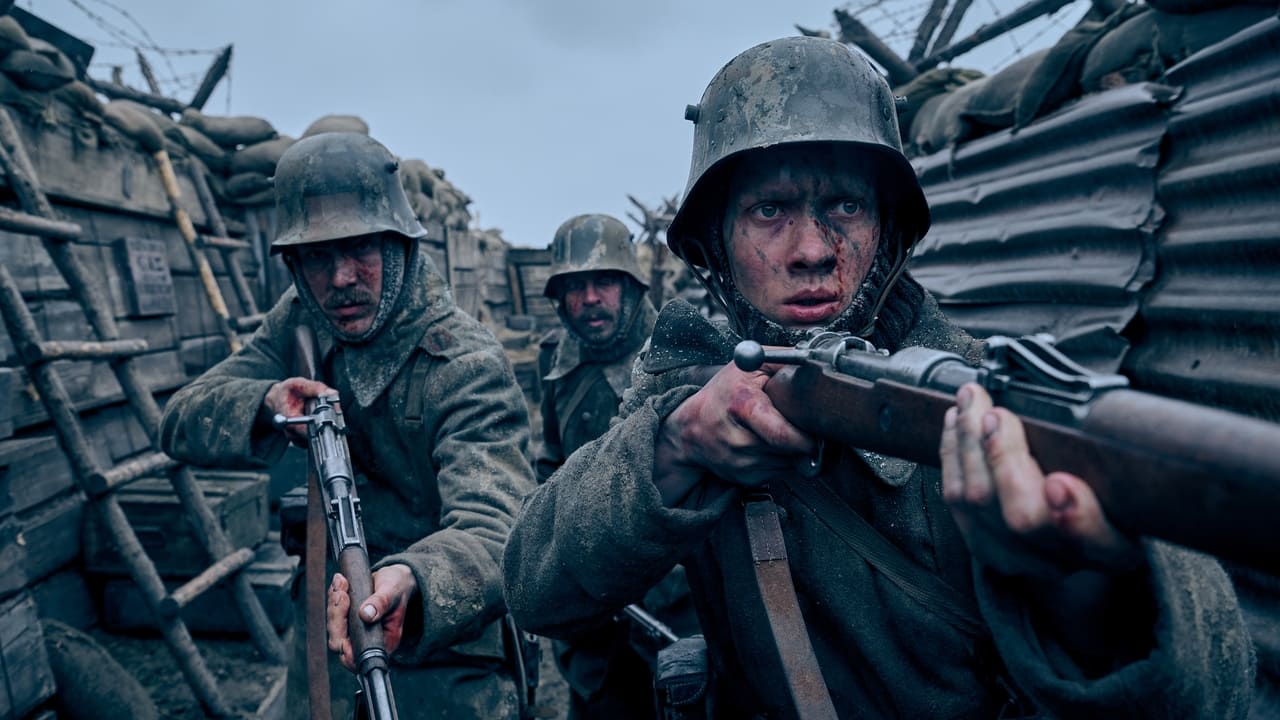
The chemistry he shares with Albrecht Schuch, who plays the veteran "Kat" Katczinsky, provides the film's only soul. Schuch is fantastic here—he’s the guy who knows how to survive, not because he’s a super-soldier, but because he knows how to steal a goose and stay warm. Their bond isn’t romanticized; it’s a desperate, clutching necessity. When they talk about their lives back home, it doesn't feel like "character development" in a screenplay sense; it feels like two drowning men trying to remember what air tastes like.
Streaming Scale and Visual Power
It’s interesting to look at this as a Netflix production. In an era where "straight to streaming" can sometimes imply a certain cheapness or lack of vision, All Quiet on the Western Front is the counter-argument. The $20 million budget goes incredibly far here. James Friend’s cinematography is staggering, capturing the Western Front in shades of slate gray, bruised purple, and fire-orange. He uses the LED volume technology (similar to The Mandalorian) in ways that feel organic rather than plastic, creating a sense of scale that feels truly suffocating.
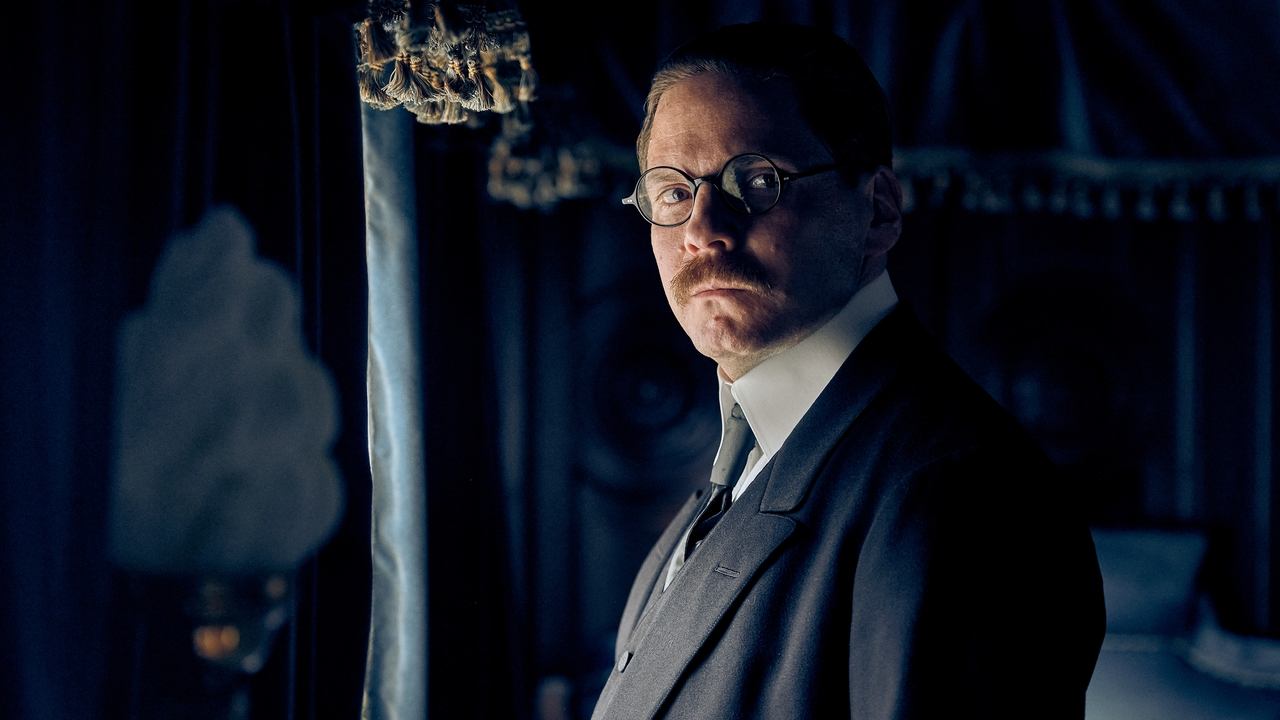
One thing that genuinely surprised me was the inclusion of the armistice negotiations, led by Daniel Brühl (whom you’ll recognize from Rush or as Zemo in the MCU). Some purists felt this distracted from the boots-on-the-ground focus of Remarque’s novel, but I think it adds a necessary layer of cynicism. Watching well-fed men argue over the placement of a comma while Paul and his friends are being liquidated in a trench five miles away is a quintessential contemporary touch. It’s about the disconnect between those who start wars and those who have to finish them.
Stuff You Didn't Notice
That jarring three-note score? Volker Bertelmann played it on his great-grandmother’s old harmonium. He purposely distorted the sound to make it feel like a "huge, rusty machine" coming for the soldiers. The production actually dug real trenches in the Czech Republic, and the actors spent weeks living in the mud to get that specific, bone-deep exhaustion. Felix Kammerer reportedly carried about 90 pounds of gear during the filming of the charge sequences. Despite being the most famous German novel of all time, this 2022 version is actually the first time a German production company has adapted the story for the screen. The tanks you see—the French Saint-Chamonds—are terrifyingly accurate replicas. In real life, German soldiers had never seen anything like them, and the film captures that "prehistoric monster" vibe perfectly.
This isn't a "fun" watch, and I won't pretend it is. It’s a grueling, 147-minute descent into the worst parts of the human experience. But in a cinematic landscape often dominated by "safe" IP and franchise bloat, seeing a film with this much conviction and craft is a jolt to the system. It’s a drama that earns every ounce of its heaviness, reminding me that while technology changes, the stupidity of human ego remains a constant. It’s a harrowing, essential piece of modern filmmaking that I never want to see again, yet I’m so glad I did.
Keep Exploring...
-
The Zone of Interest
2023
-
The King
2019
-

The Zookeeper's Wife
2017
-
13 Hours: The Secret Soldiers of Benghazi
2016
-
Т-34
2018
-
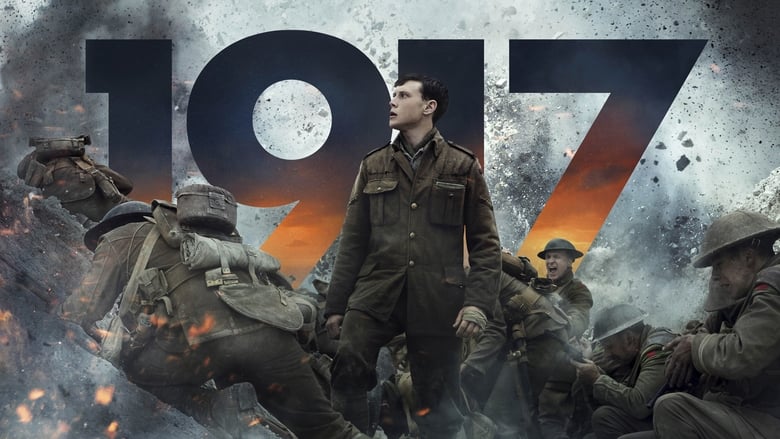
1917
2019
-
Just Mercy
2019
-
Conclave
2024
-

Land of Mine
2015
-
Hacksaw Ridge
2016
-
Midway
2019
-

The Irishman
2019
-

Greyhound
2020
-
Killers of the Flower Moon
2023
-
Das Boot
1981
-
Patriots Day
2016
-
Snowden
2016
-
The Outpost
2020
-
Emancipation
2022
-
Spartacus
1960