Black Panther: Wakanda Forever
"A kingdom in mourning, a world on the brink."
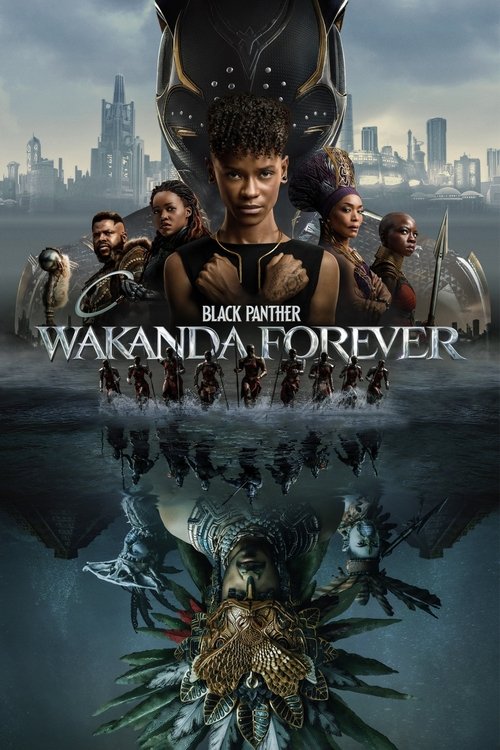
The silence was the first thing that got me. If you’ve spent any time in a theater over the last decade, you know the Marvel Studios fanfare—that triumphant, brassy swell that signals it’s time to turn off your brain and watch things explode. But when I sat down for Black Panther: Wakanda Forever, the logo played in total, suffocating silence, a montage of Chadwick Boseman’s T’Challa that made the guy in the row behind me stop rustling his popcorn bag. I was eating a pack of overly salty pretzel bites that left my mouth feeling like a desert, which, ironically, made the shimmering underwater scenes of Talokan look incredibly refreshing later on.
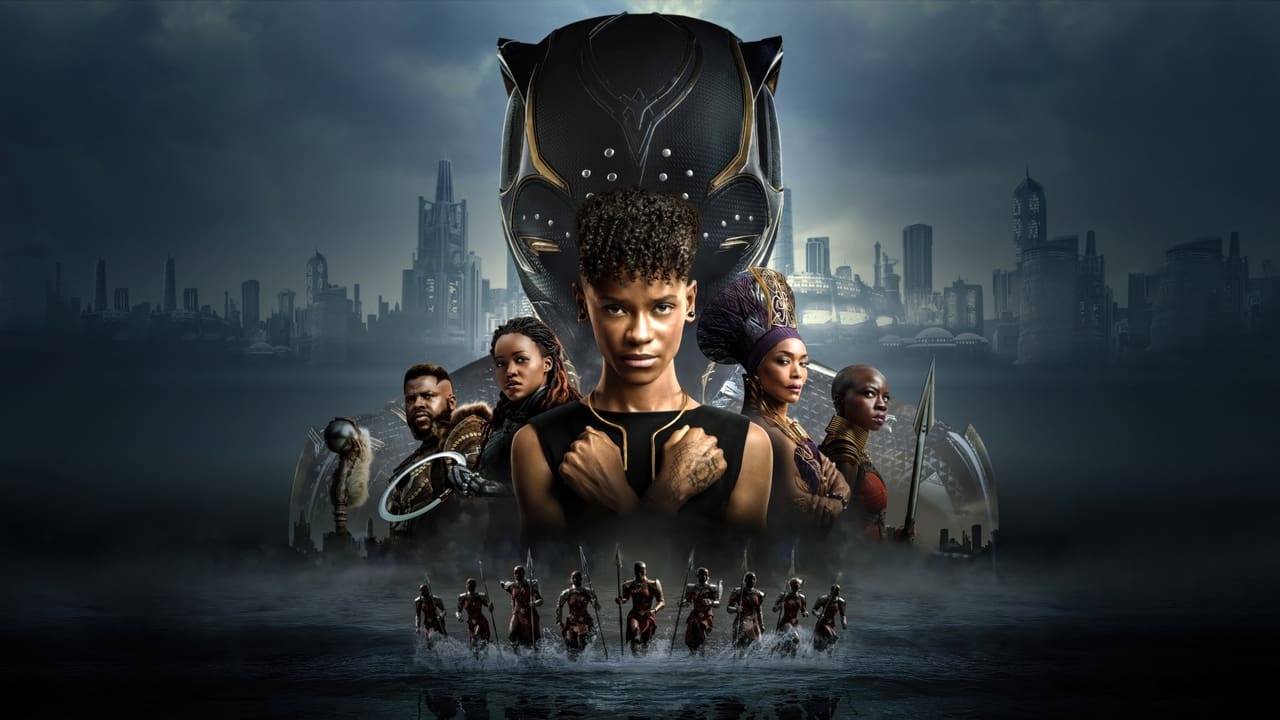
This isn’t just a sequel; it’s a 162-minute public wake. Following the tragic real-world passing of Boseman, director Ryan Coogler (who also gave us the excellent Creed) was tasked with the impossible: making a billion-dollar blockbuster while navigating genuine, bone-deep grief. In an era of franchise saturation where "content" often feels like it’s being squeezed out of a toothpaste tube, Wakanda Forever feels startlingly human. It’s a film that has to be a memorial, a political thriller, and a superhero origin story all at once. It mostly succeeds, even when the heavy machinery of the Marvel Cinematic Universe starts to creak under the weight.
The Weight of the Crown
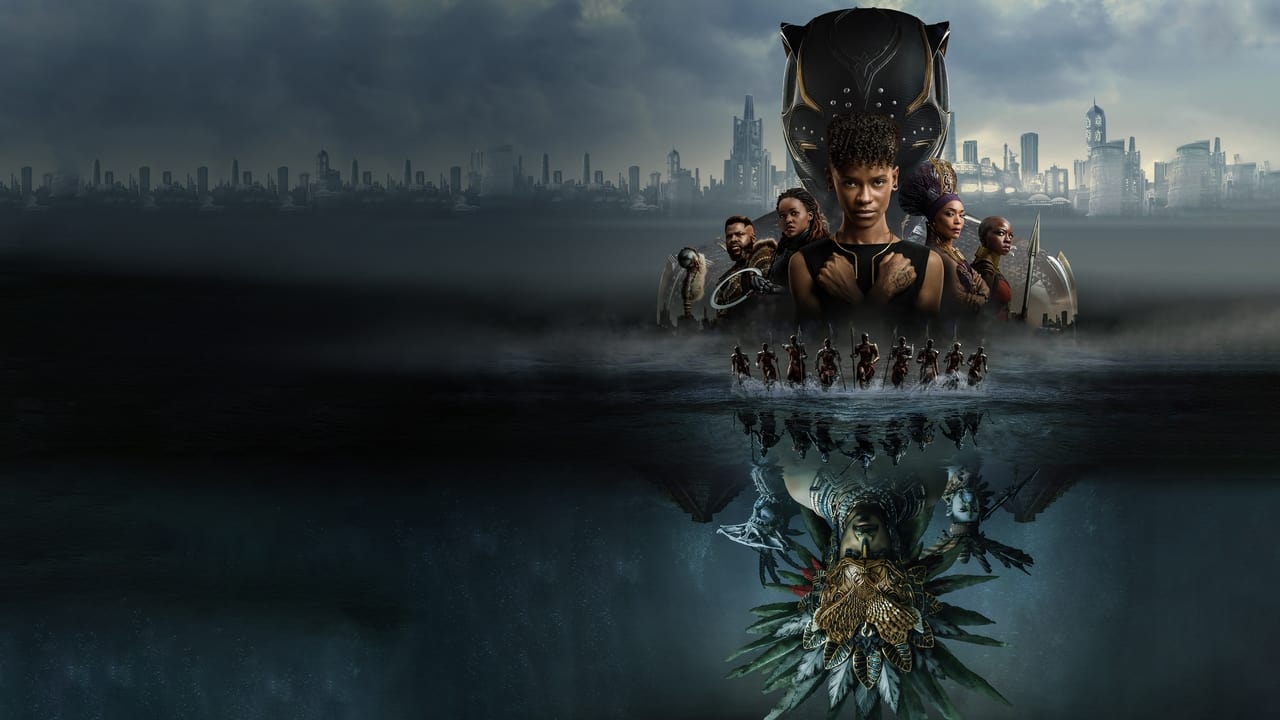
The story picks up with the death of King T’Challa from an undisclosed illness, leaving Queen Ramonda (Angela Bassett) and Princess Shuri (Letitia Wright) to lead a nation that the rest of the world is suddenly very eager to pillage. Angela Bassett is the absolute spine of this movie. She delivers a performance so regal and fierce that she could probably command a standing ovation just by reading a grocery list. Her "I have given everything" speech is the kind of high-drama moment that these movies usually shy away from in favor of quips.
But the world doesn't let them mourn in peace. Enter Namor, played by Tenoch Huerta Mejía with a simmering, righteous intensity. Instead of the "Sub-Mariner" of the comics who often looked like an angry guy in green Speedos, Coogler reimagines him as the leader of Talokan, an underwater civilization rooted in Mayan culture. It’s a brilliant pivot. Huerta makes Namor one of the most compelling antagonists in recent memory because his "villainy" is just extreme protectionism. Tenoch Huerta has more charisma in one pointed ear than most MCU villains have in their entire CGI-bloated bodies.
Action with a Pulse

When the action kicks in, it feels different than the typical "sky-beam" finale we’ve grown tired of. The choreography focuses on the clash of technologies—Wakandan vibranium-tech versus the raw, brutal strength of the Talokanil, who use water-filled grenades and ride whales into battle. The bridge sequence, where Danai Gurira’s Okoye takes on Namor’s warriors, is a standout. It’s shot with a clarity by Autumn Durald Arkapaw (Loki) that allows you to actually see the footwork and the impact of the spears.
However, being a product of the current "franchise dominance" era means the film can’t just be a personal story. It’s forced to introduce Riri Williams (Dominique Thorne), a tech genius who essentially serves as a setup for a future Disney+ series. The Ironheart subplot feels like a mid-movie commercial for a streaming service, and while Thorne is charming, her presence feels like a mandate from the corporate gods rather than a narrative necessity. It’s a symptom of the modern blockbuster: even at a funeral, you have to network for your next job.
Crafting the Kingdom
Behind the scenes, the production was a bit of a gauntlet. Apparently, Tenoch Huerta didn't actually know how to swim when he was cast as the king of the ocean—he just told Coogler he’d "never drowned" before, which is the kind of audition energy I can respect. The film also faced massive hurdles when Letitia Wright suffered a serious on-set injury involving a stunt rig, which shut down production for months.
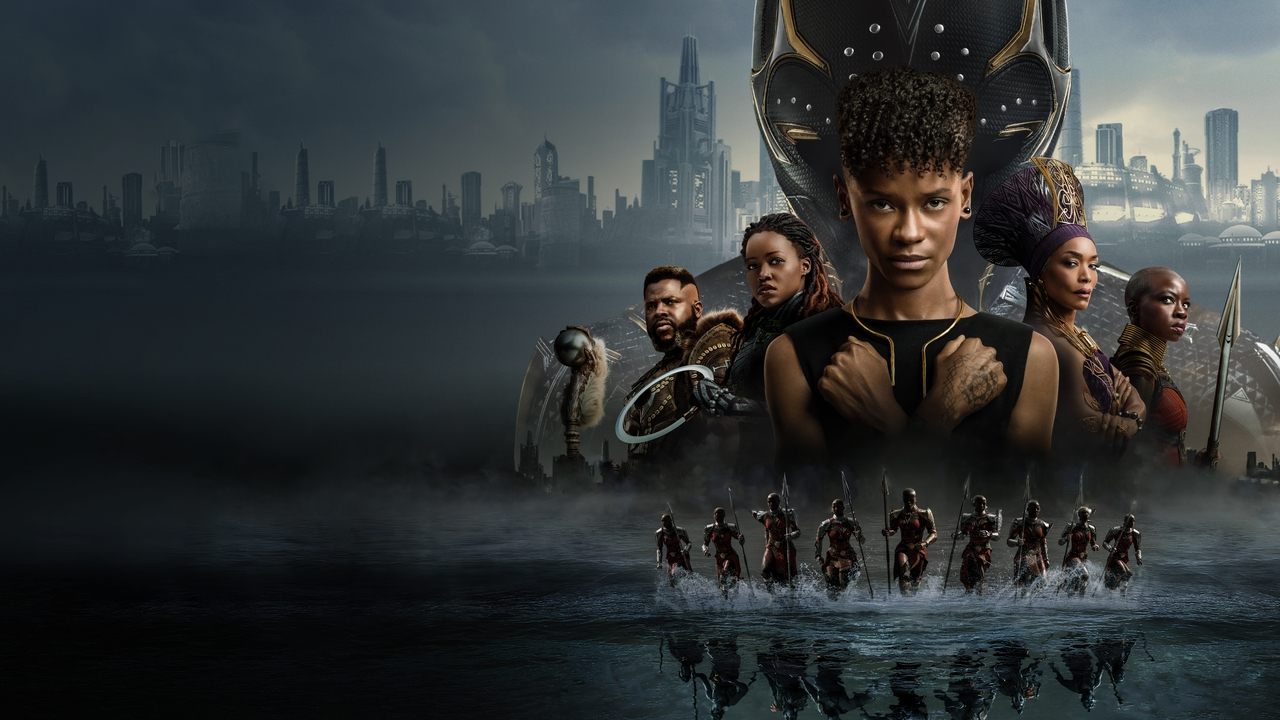
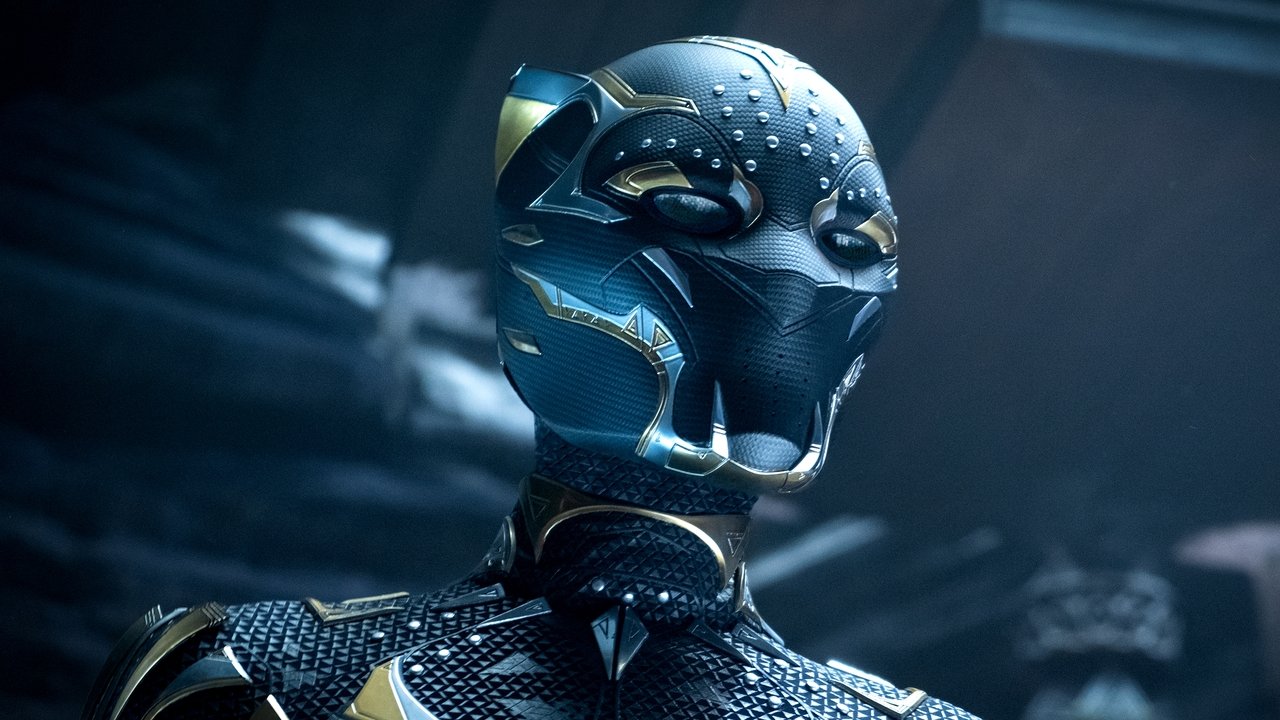
Visually, the film is a feast. Ruth Carter, who won an Oscar for the first film, returns with costumes that are even more intricate here. The use of 3D-printed elements and traditional African and Mayan motifs makes the world feel lived-in and tactile. Even the score by Ludwig Göransson (Oppenheimer) shifts beautifully between the heavy talking drums of Wakanda and the haunting, synth-heavy "siren songs" of the Talokanil.
Ultimately, Wakanda Forever is a messy, beautiful, overlong, and deeply moving experience. It’s a film that tries to do too much because it exists in a cinematic ecosystem that demands "more," but its heart is in exactly the right place. Shuri's transition into the suit feels earned, but the movie is actually much better before she puts it on. It’s a rare blockbuster that understands that the most powerful thing you can show an audience isn't a punch, but the quiet, shaking hands of someone trying to move on.
I walked out of the theater feeling a bit drained, honestly. It’s not a "fun" movie in the traditional sense, but it’s a significant one. In an age where we’re constantly told to look forward to the next installment, the next post-credits scene, and the next big crossover, this film dares to ask us to sit still for a moment and just feel the loss of what came before. It’s a heavy lift, but Wakanda carries it.
Keep Exploring...
-

Black Panther
2018
-
Star Wars: The Last Jedi
2017
-
Sinners
2025
-
Guardians of the Galaxy Vol. 2
2017
-
Spider-Man: Homecoming
2017
-
Thor: Ragnarok
2017
-
Ant-Man and the Wasp
2018
-
Bumblebee
2018
-
Jurassic World: Fallen Kingdom
2018
-
Maze Runner: The Death Cure
2018
-
Rampage
2018
-
Ready Player One
2018
-
Captain Marvel
2019
-
Spider-Man: Far From Home
2019
-
Spider-Man: No Way Home
2021
-
Venom: Let There Be Carnage
2021
-

Avatar: The Way of Water
2022
-

Guardians of the Galaxy Vol. 3
2023
-
Godzilla x Kong: The New Empire
2024
-
Venom: The Last Dance
2024