Blacklight
"The government’s fixer just became their biggest problem."
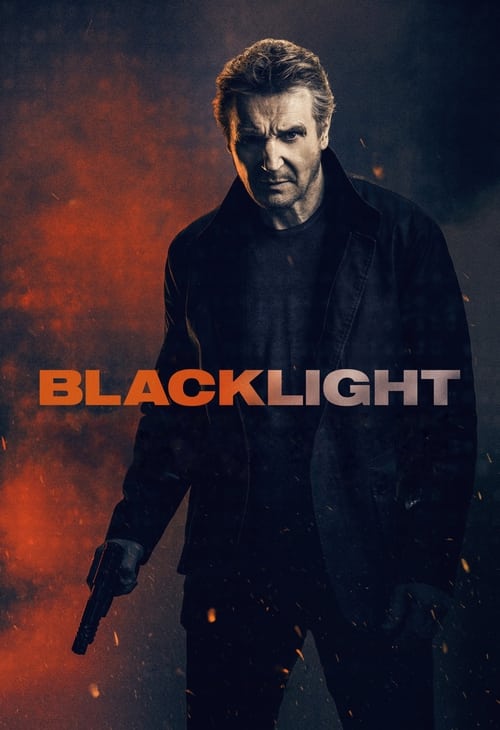
There is a specific, low-stakes comfort in a late-career Liam Neeson thriller, much like the comfort found in a slightly stale bag of airport pretzels. You know exactly what you’re getting: the gravelly voice, the long coat, and the "particular set of skills" that inevitably leads to a series of middle-aged men being punched in very grey hallways. I watched Blacklight on a rainy Tuesday while my cat was aggressively trying to eat a plastic shopping bag in the corner of the room, and honestly, the frantic crinkling sound provided more genuine tension than the first forty minutes of this film.
The Neeson-Industrial Complex
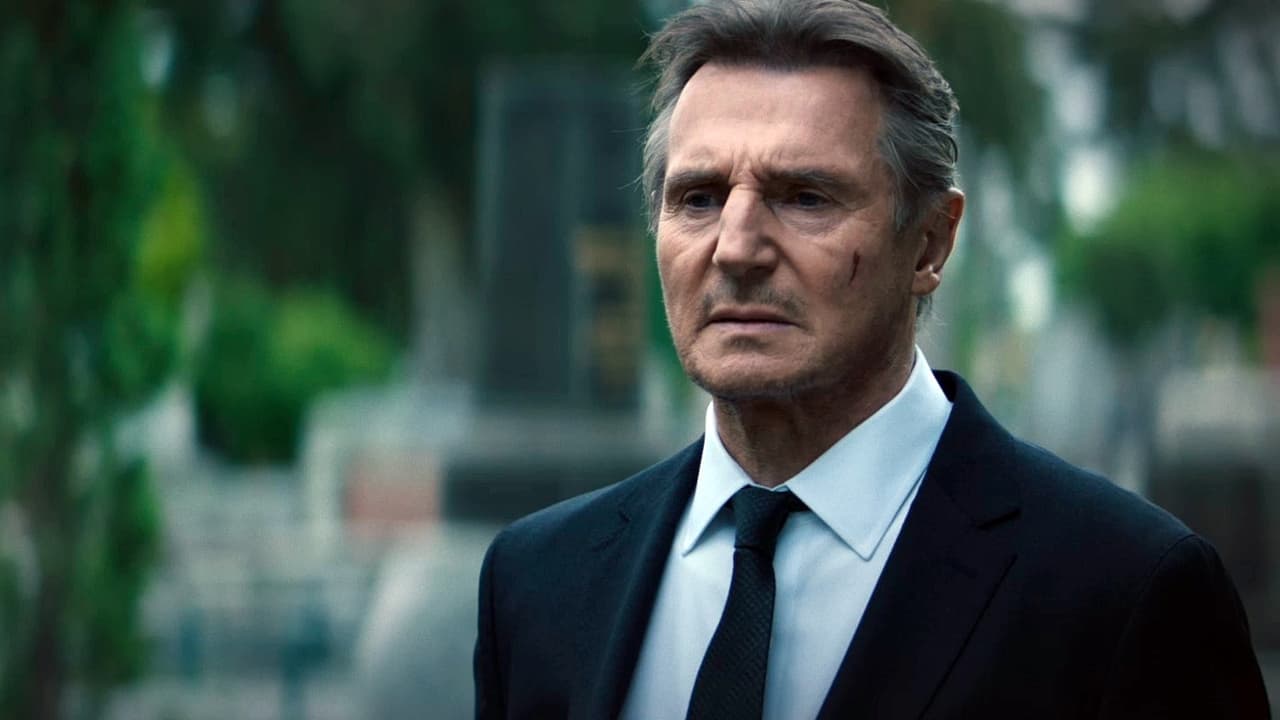
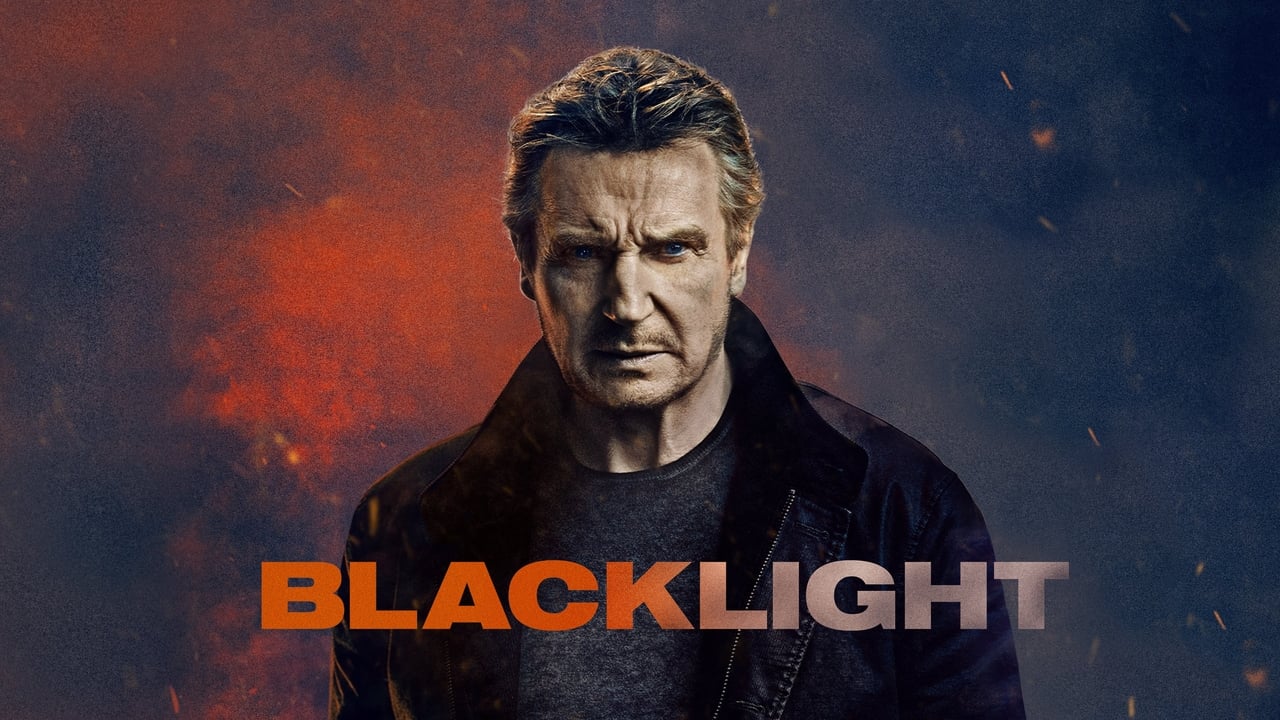
By the time Blacklight arrived in 2022, the "Neeson-genre" had become its own self-sustaining ecosystem. Here, we find Liam Neeson playing Travis Block, a "fixer" for the FBI who specializes in pulling undercover agents out of situations when they start losing their minds. It’s a role Neeson could play in his sleep, and at times, it feels like he might be. The film attempts to lean into the contemporary era of government distrust and whistleblowing, but it does so with the grace of a sledgehammer.
What’s fascinating about this particular entry in the Neeson canon is how it highlights the "Streaming Era" identity crisis. Despite a $43 million budget and a theatrical release, Blacklight has the distinct visual DNA of a "content" dump—the kind of movie that exists to populate the "Trending Now" rail on a streaming service rather than capture the cultural zeitgeist. It’s polished but sterile, lacking the gritty texture that made Taken (2008) or even the chilly mystery of Unknown (2011) feel like events. Speaking of Unknown, this film marks a reunion between Neeson and Aidan Quinn, who plays FBI Director Gabriel Robinson. While it’s fun to see these two veterans square off, their chemistry is buried under a script that feels like it was assembled by a semi-sentient algorithm from 2014.
Melbourne in a Trench Coat
One of the most distracting elements of Blacklight is its geography. The film is set in Washington, D.C., but it was filmed almost entirely in Melbourne, Australia, during the height of the pandemic. As someone who appreciates production design, I found myself playing a distracting game of "Spot the Australian Architecture." The filmmakers do their best to hide it with tight shots and stock footage of the Capitol, but D.C. has never looked quite this much like a deserted Victoria business district.
This production hurdle actually bleeds into the action choreography. In an era where John Wick and Extraction have raised the bar for practical stunt work, Blacklight feels strangely lethargic. There is a garbage truck chase sequence early on that should be a highlight, but it’s hampered by editing that feels like a series of unfortunate accidents. The "physics" of the action often feel weightless, relying on quick cuts to hide the fact that our protagonist is pushing 70. There’s a lack of "crunch" to the violence; it’s action for people who find Bourne movies too overstimulating.
Behind the scenes, director Mark Williams (who also worked with Neeson on Honest Thief) seems to be aiming for a 70s conspiracy thriller vibe, like All the President's Men if Robert Redford had a handgun. But the script by Nick May doesn't have the intellectual teeth to make the conspiracy—Operation Unity—feel like a real threat. It’s the standard "shadowy government program killing civilians" trope that we’ve seen executed with much more flair in the Mission: Impossible franchise or even the MCU’s Winter Soldier.
The Whistleblower’s Dilemma
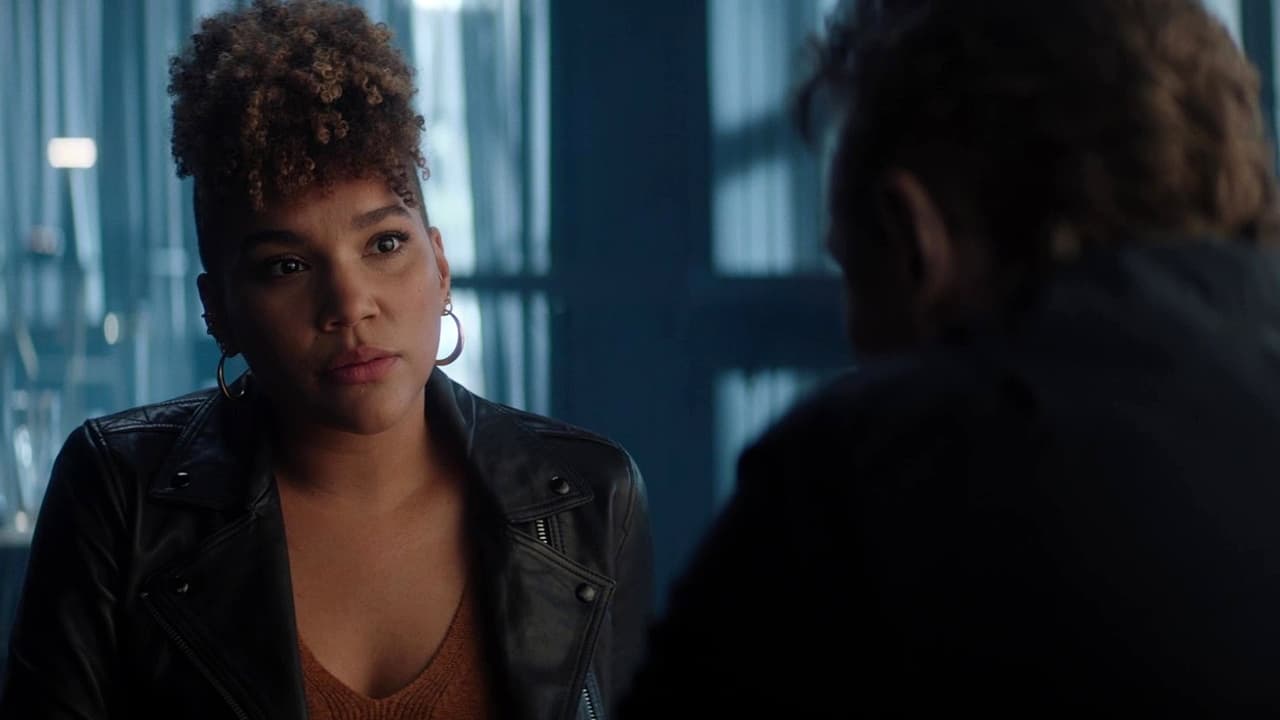
The film tries to inject some modern relevance through Emmy Raver-Lampman (of The Umbrella Academy fame), who plays Mira Jones, a persistent journalist trying to uncover the truth. She’s the highlight of the supporting cast, bringing a much-needed spark of energy to scenes that otherwise consist of men in suits talking about "the greater good." Her dynamic with Taylor John Smith, who plays a haunted agent, is where the film’s emotional core supposedly lies, but it’s constantly sidelined for Block’s domestic drama involving his daughter (Claire van der Boom) and his granddaughter.
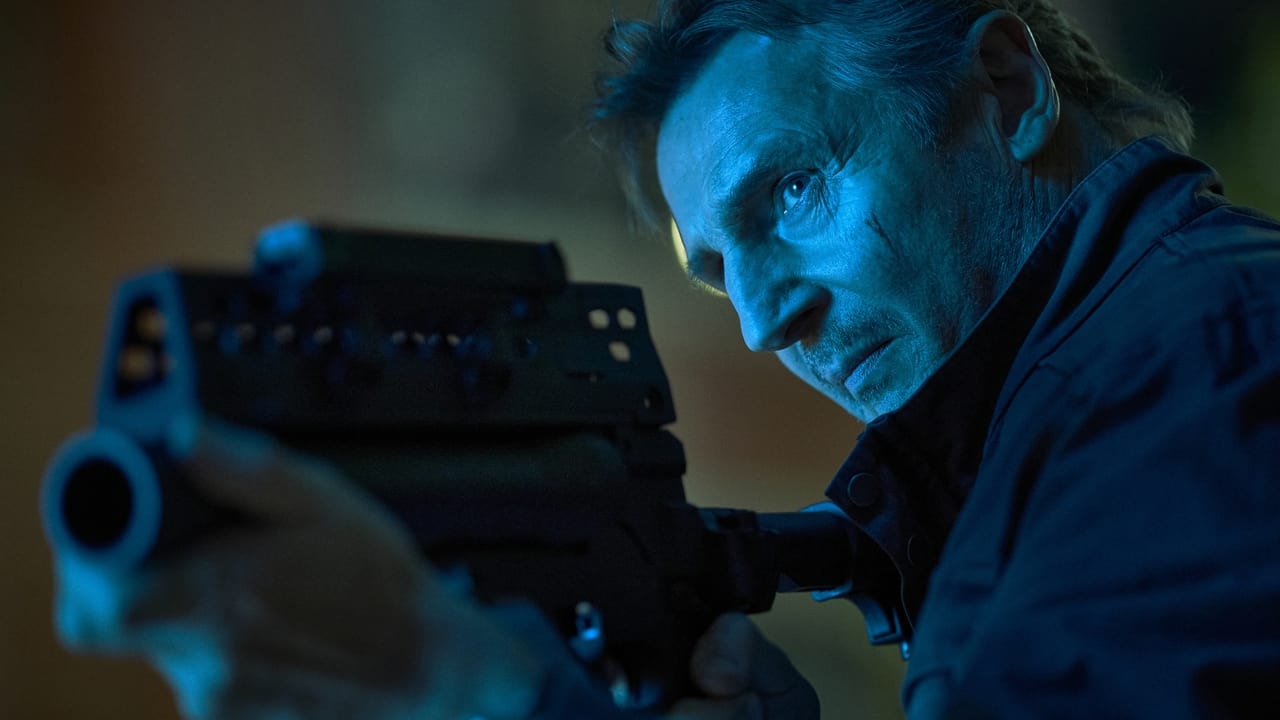
The subplot about Block's OCD and his obsession with "securing the perimeter" of his granddaughter’s life is actually the most interesting part of the movie. It hints at a character study about the psychological toll of a life spent in the shadows. Unfortunately, the movie isn't interested in being a character study; it wants to be a thriller, yet it is about as clandestine as a neon-lit elephant. By the time the third act rolls around, the conspiracy is resolved with such suddenness that I actually checked my remote to see if I’d accidentally skipped a chapter.
Blacklight arrived at a moment when franchise fatigue and the pandemic's impact on movie-going were at their peak. It’s a film that says very little about the "now," despite its themes of political corruption and journalist integrity. It’s simply another brick in the wall of Neeson’s late-career output—functional, forgettable, and perfectly fine if you’re looking for something to watch while you fold laundry or, as in my case, keep a cat from suffocating on a grocery bag.
Ultimately, Blacklight is the cinematic equivalent of a placeholder. It fills 104 minutes without demanding much from your brain, offering a few flashes of the old Neeson magic before fading into the grey Melbourne-as-D.C. mist. It’s not a disaster, but in an era where we have so many high-octane options at our fingertips, it feels like a relic of a formula that’s finally running out of gas. If you're a Neeson completionist, you've already seen this; if you aren't, you probably don't need to.

Keep Exploring...
-
Honest Thief
2020
-
Retribution
2023
-
Kin
2018
-
The Hurricane Heist
2018
-
The Marksman
2021
-
Memory
2022
-

The 355
2022
-

Expend4bles
2023
-
The Mummy
2017
-
Robin Hood
2018
-
Gemini Man
2019
-
Beast
2022
-
Kraven the Hunter
2024
-

Kidnap
2017
-
Overdrive
2017
-
Sleepless
2017
-
A-X-L
2018
-
The Girl in the Spider's Web
2018
-

Elevation
2024
-
The Ice Road
2021