Chip 'n Dale: Rescue Rangers
"The meta-crossover event that actually hates itself."
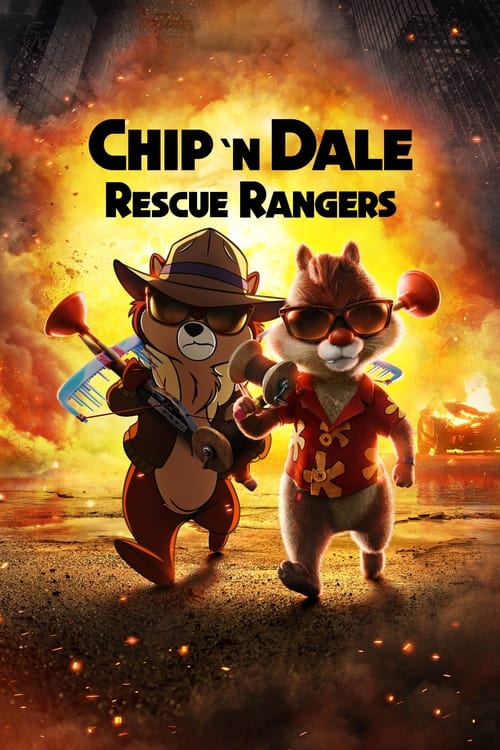
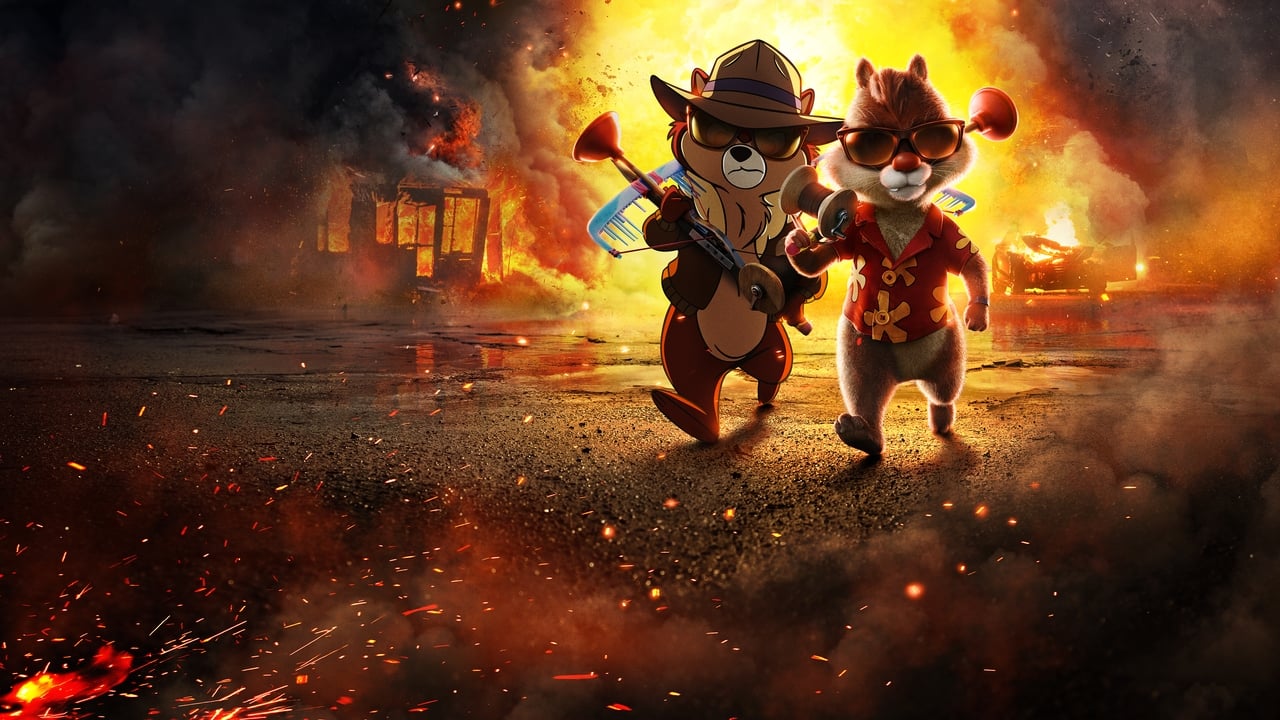
I watched this movie on a Tuesday afternoon while trying to ignore the fact that I’d accidentally bought "pulp-heavy" orange juice, and let me tell you, navigating those unexpected citrus chunks felt oddly appropriate for a film that is essentially a 99-minute pile of glorious, jagged debris. Chip 'n Dale: Rescue Rangers is not the movie you think it is. It isn’t a reboot, and it certainly isn’t a "family film" in the traditional, safe-for-work-and-sanity sense. It is, instead, a corporate-mandated acid trip that somehow slipped through the Disney filters while the executives were busy counting Marvel receipts.
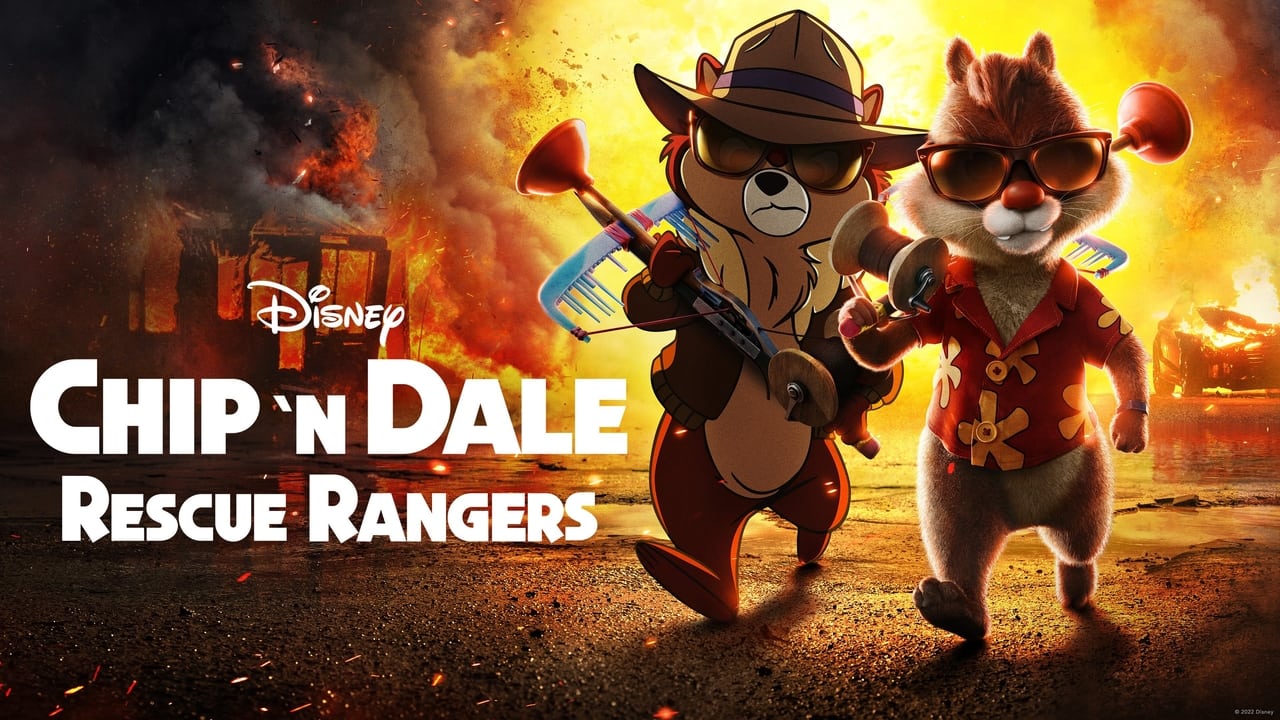
In an era of relentless franchise fatigue, where every legacy sequel feels like a desperate attempt to resuscitate a corpse, director Akiva Schaffer (one-third of The Lonely Island) has done something radical. He’s made a movie that treats its own intellectual property with the same reverence a cat treats a cardboard box: he plays with it for a bit, then proceeds to shred it into tiny, unrecognizable pieces.
The Valley of the Uncanny
The plot finds our titular chipmunks decades after their 1980s heyday. Chip (John Mulaney) is a weary insurance salesman living a life of quiet, flat-animation desperation. Dale (Andy Samberg) has had "CGI surgery"—a terrifyingly clever metaphor for aging actors getting Botox to stay relevant—and spends his days at sad nostalgia conventions alongside second-tier characters like the original "Ugly Sonic" (voiced with perfect, self-loathing gravel by Tim Robinson).
When their old pal Monterey Jack (Eric Bana) gets "bootlegged"—a process where toons are kidnapped and physically altered to bypass copyright laws—the estranged duo has to reunite. It’s a noir mystery set in a world where Who Framed Roger Rabbit is the foundational text, but the vibe is less "classic cinema" and more "late-night Wikipedia rabbit hole."
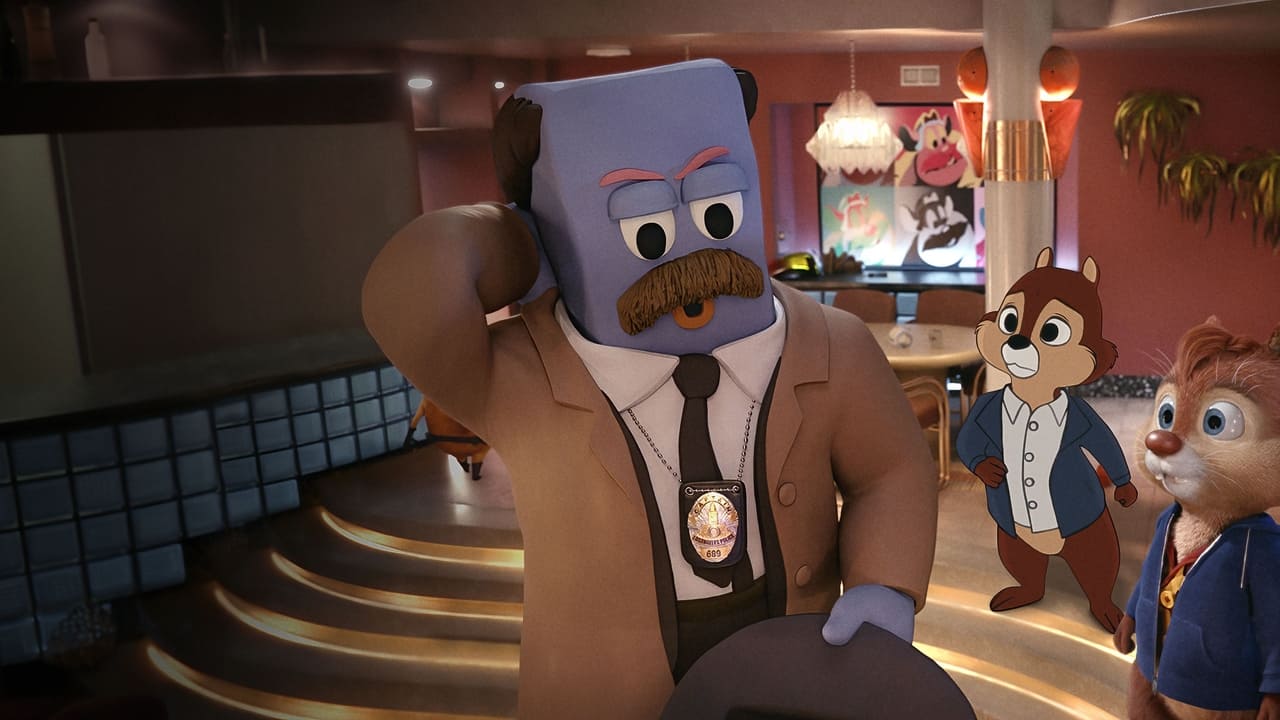
The sheer audacity of the cameos here is staggering. This isn’t just Disney patting itself on the back; it’s a chaotic mashup of animation styles that should never exist in the same frame. We’re talking 1980s cel-shading rubbing shoulders with early 2000s "Robert Zemeckis-style" motion capture and modern high-def rendering. It’s the visual equivalent of a car crash in a crayon factory, and I mean that as the highest possible compliment.

A Masterclass in Meta-Cynicism
What makes this work for a contemporary audience is its refusal to be sincere. We live in a post-modern, post-ironic, post-everything landscape, and Akiva Schaffer knows that we know the "Disney formula" is a well-oiled machine. By leaning into the "bootleg" concept, the film creates a brilliant satire of the very industry that funded it. Will Arnett voices the villain, Sweet Pete—a middle-aged, disgruntled Peter Pan who was discarded by the studio the moment he hit puberty. It’s dark, it’s biting, and it’s the weirdest thing Disney has allowed in fifty years.
The chemistry between Mulaney and Samberg is what anchors the madness. Mulaney brings his signature "anxious accountant" energy to Chip, while Samberg plays Dale as a lovable, deluded striver who just wants to be back in the spotlight. Their banter feels improvised and lived-in, likely a result of their real-world comedy history. They aren't playing chipmunks; they’re playing two washed-up actors who happen to be three inches tall and covered in fur.
I found myself pausing the frame every five minutes just to see what was hiding in the background. Is that a poster for a Batman vs. ET movie? Is that a "Lumière" from Beauty and the Beast looking like he’s seen things no candle should ever see? The film rewards the obsessive-compulsive viewer, the kind of person who spent the pandemic over-analyzing background details in The Mandalorian.
Why Did This Disappear?
Despite the "Rescue Rangers" brand, this film basically vanished into the Disney+ abyss shortly after its release. It didn't get a wide theatrical run—the $623,190 box office figure provided in the production notes is a tragic reflection of a limited release strategy that favored the "streaming-first" mandate of the early 2020s. It’s a shame, because the scale of the world-building and the density of the jokes deserve a big screen.
The film also navigates the tricky waters of representation and industry politics with a surprisingly sharp edge. It treats "toons" as a marginalized class of performers, highlighting the disposability of talent in the age of digital replacement. It’s a theme that feels incredibly prescient given the current conversations around AI and de-aging technology. KiKi Layne plays the human lead, Ellie, with a straight-faced sincerity that provides a necessary foil to the animated insanity. She’s essentially us: a fan who grew up on the show, now forced to reckon with the messy, commercial reality of her heroes.
If you missed this when it dropped during the streaming glut of 2022, you owe it to your inner child—and your outer cynic—to track it down. It’s a rare example of a legacy sequel that has something to say about the vacuum of nostalgia, even as it uses that same nostalgia to pay the bills. It’s funny, it’s ugly, it’s inventive, and it features a rapping chipmunk sequence that I’m still trying to scrub from my brain. Go watch it before the lawyers finally realize what’s in it and bury it in the vault forever.
Keep Exploring...
-
Zootopia 2
2025
-
Storks
2016
-
Scooby-Doo! Return to Zombie Island
2019
-
The Lego Ninjago Movie
2017
-
Smallfoot
2018
-
Missing Link
2019
-
The Angry Birds Movie 2
2019
-
DC League of Super-Pets
2022
-

Hotel Transylvania: Transformania
2022
-
Olaf's Frozen Adventure
2017
-
Early Man
2018
-
Nimona
2023
-
Ferdinand
2017
-
Toy Story 4
2019
-
Migration
2023
-
The Super Mario Bros. Movie
2023
-
Asterix: The Secret of the Magic Potion
2018
-
Red Shoes and the Seven Dwarfs
2019
-
Chicken Run: Dawn of the Nugget
2023
-
The Lego Movie 2: The Second Part
2019