Close
"The heaviest weight is the silence left behind."
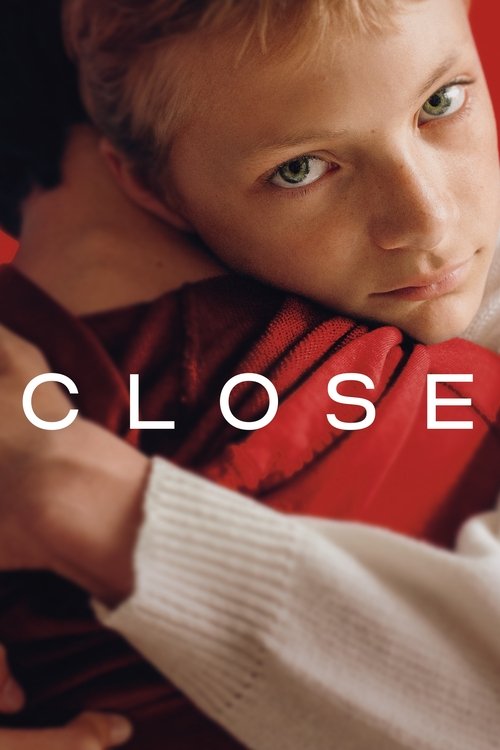
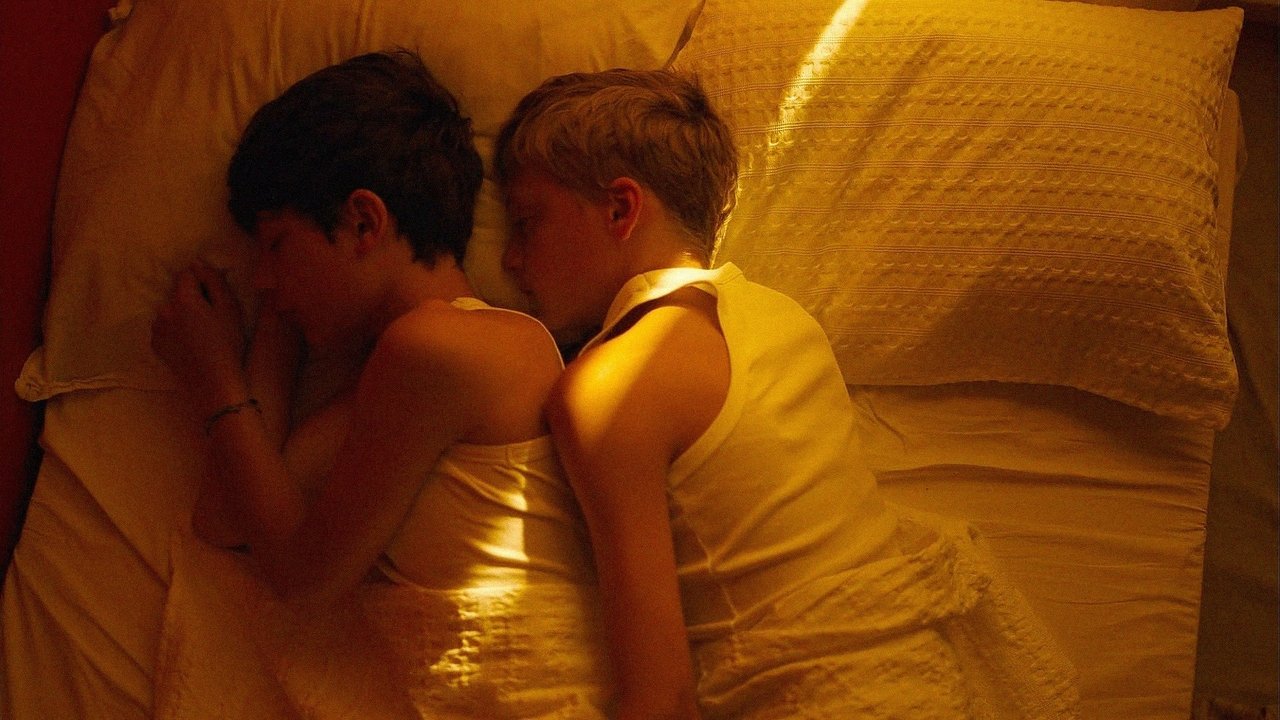
The film opens with a sound I can still hear if I close my eyes: the synchronized, rhythmic panting of two boys running through a tunnel. It’s the sound of a private universe. Léo and Rémi, both thirteen, share a bond so tactile and unselfconscious that they seem to occupy the same skin. They nap with heads on shoulders; they wrestle in the grass; they whisper secrets in a bedroom that feels like a sanctuary.
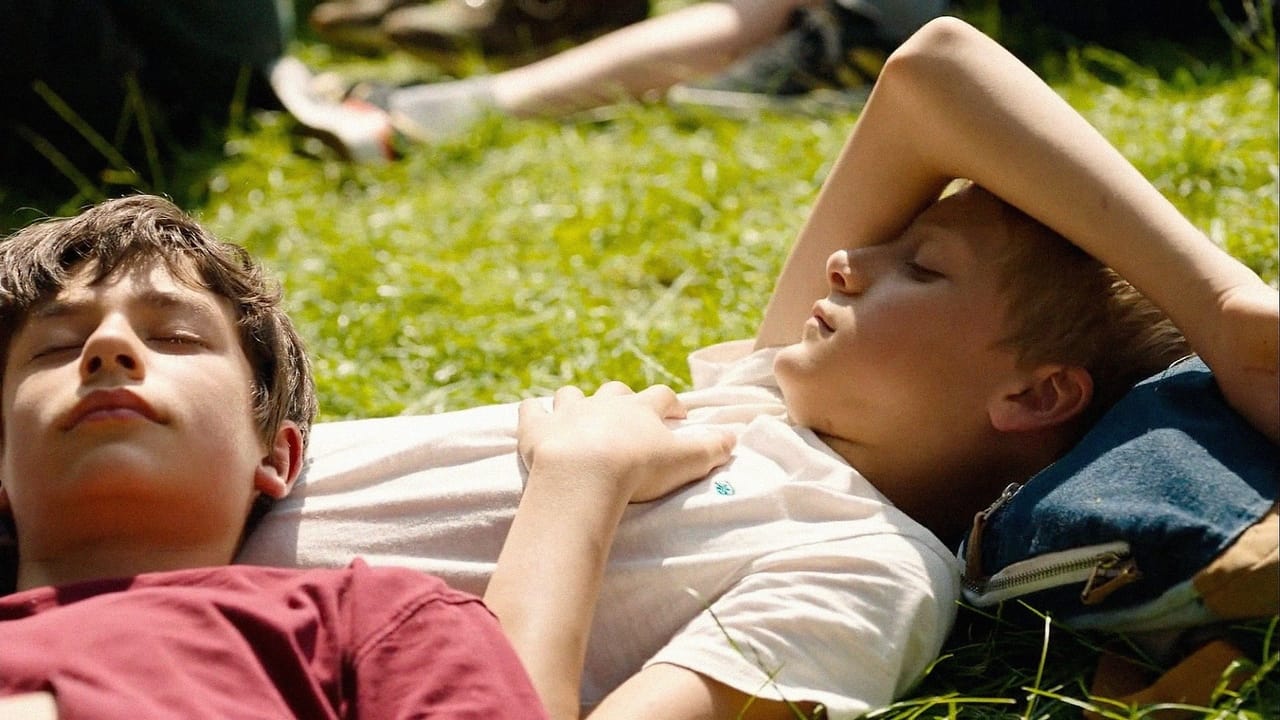
I watched Close in a drafty independent theater where the radiator hummed like a low-budget sci-fi effect, and for the first twenty minutes, I felt a genuine sense of dread. Not because the film is a thriller—it isn’t—but because in our current cultural moment, we’ve become conditioned to look at such pure, platonic intimacy between young men and immediately reach for a label. We want to categorize it, to sexualize it, or to "solve" it. Director Lukas Dhont knows this, and he uses that societal impulse as the very engine of the film's tragedy.
The Policing of a Boy’s Heart
When the boys start secondary school, the "outside world" finally gets a vote on their friendship. It starts with a simple, almost casual question from a group of girls: "Are you together?" The fallout is quiet but seismic. Léo, played by newcomer Eden Dambrine with a face that registers every micro-fracture of anxiety, begins to pull away. He joins the ice hockey team—a sport defined by padding, aggression, and rigid boundaries—while Rémi (Gustav De Waele) remains tethered to their old, soft world of music and shared naps.
What makes this contemporary drama so biting is how it captures the specific brand of 2020s social pressure. It’s not a film about overt "bully" caricatures; it’s about the subtle, atmospheric shaming that tells boys their vulnerability is a liability. I found myself frustrated with Léo, then immediately guilty for that frustration. He’s a child reacting to a script he didn’t write, performing a version of masculinity he thinks will keep him safe. The tragedy of the film is that Léo thinks he’s growing up, but he’s actually just building a cage.
The Harvest of Grief
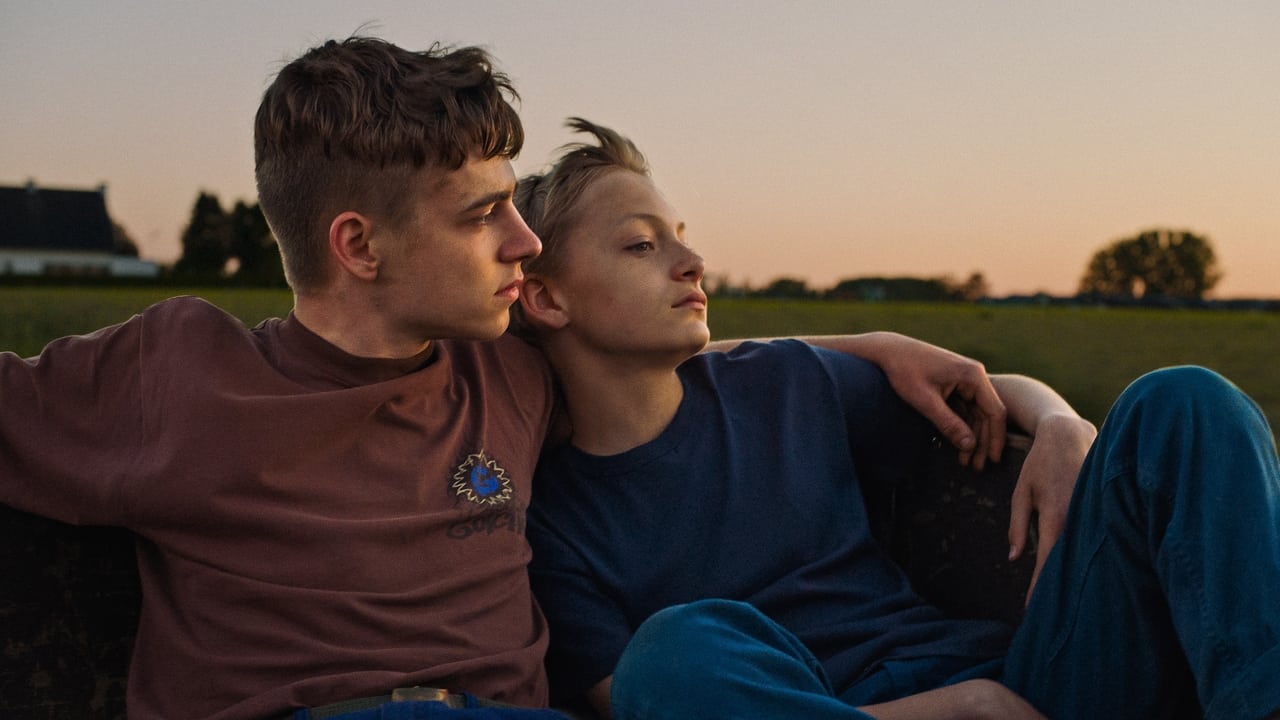
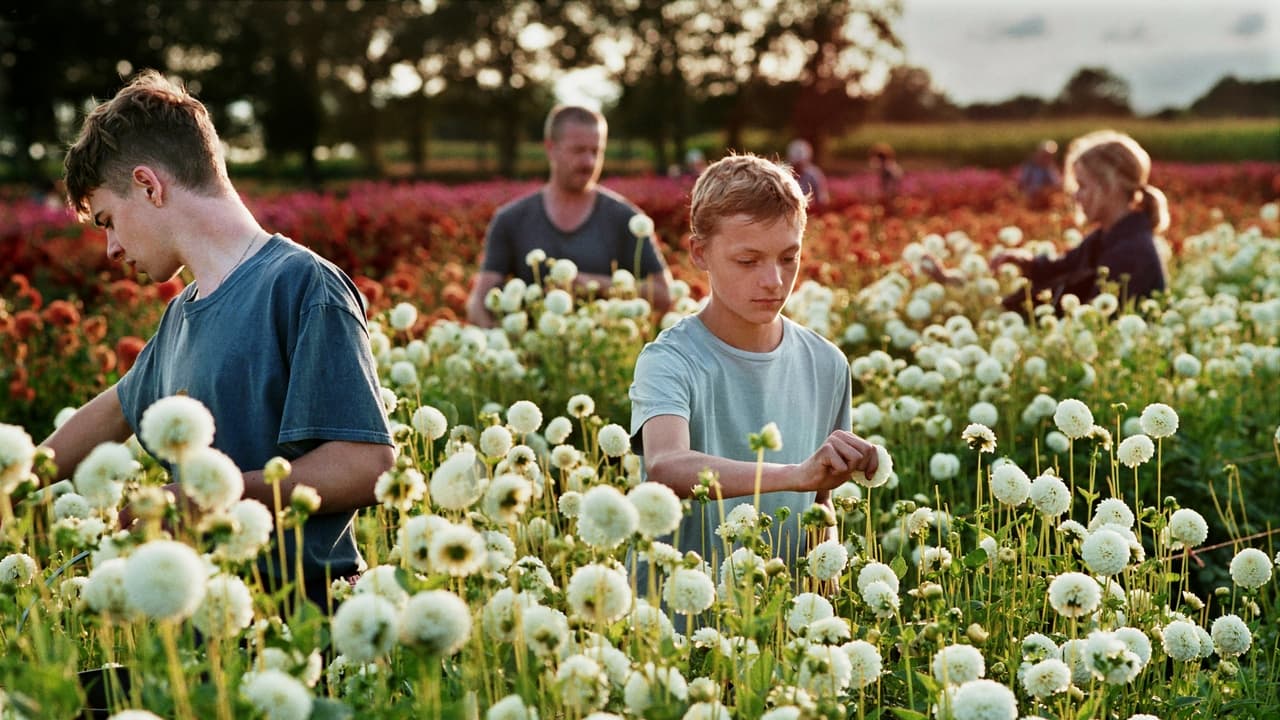
Dhont uses the setting of Léo’s family farm—vast fields of dahlias—as a breathtaking visual metaphor. The cinematography by Frank van den Eeden captures these flowers in riotous, saturated colors during the summer of the boys' peak closeness. But when the relationship begins to fray, the mechanical harvesters arrive. Watching those beautiful, fragile blooms being chewed up by industrial machinery is an image that hits harder than any line of dialogue. It’s cerebral filmmaking that doesn't feel like a lecture; it feels like a bruise.
Speaking of things that hit hard, the performance by Émilie Dequenne as Rémi’s mother, Sophie, is one of the most staggering pieces of acting I’ve seen in years. There is a scene late in the film involving a car ride that I suspect will be studied in acting classes for decades. She manages to convey a level of maternal intuition and devastating restraint that left the theater so quiet you could hear the guy three rows back trying (and failing) to suppress a sob.
It’s worth noting that Lukas Dhont actually discovered Eden Dambrine on a train. Apparently, the director saw the young boy talking to his friends and was so struck by his expressive face that he asked him to audition right then and there. It’s the kind of "star is born" story that sounds like a PR myth, but once you see the film, you understand. Dambrine carries the second half of the movie with a silent, haunting intensity that most veteran actors would kill for.
A Mirror for the Modern Moment
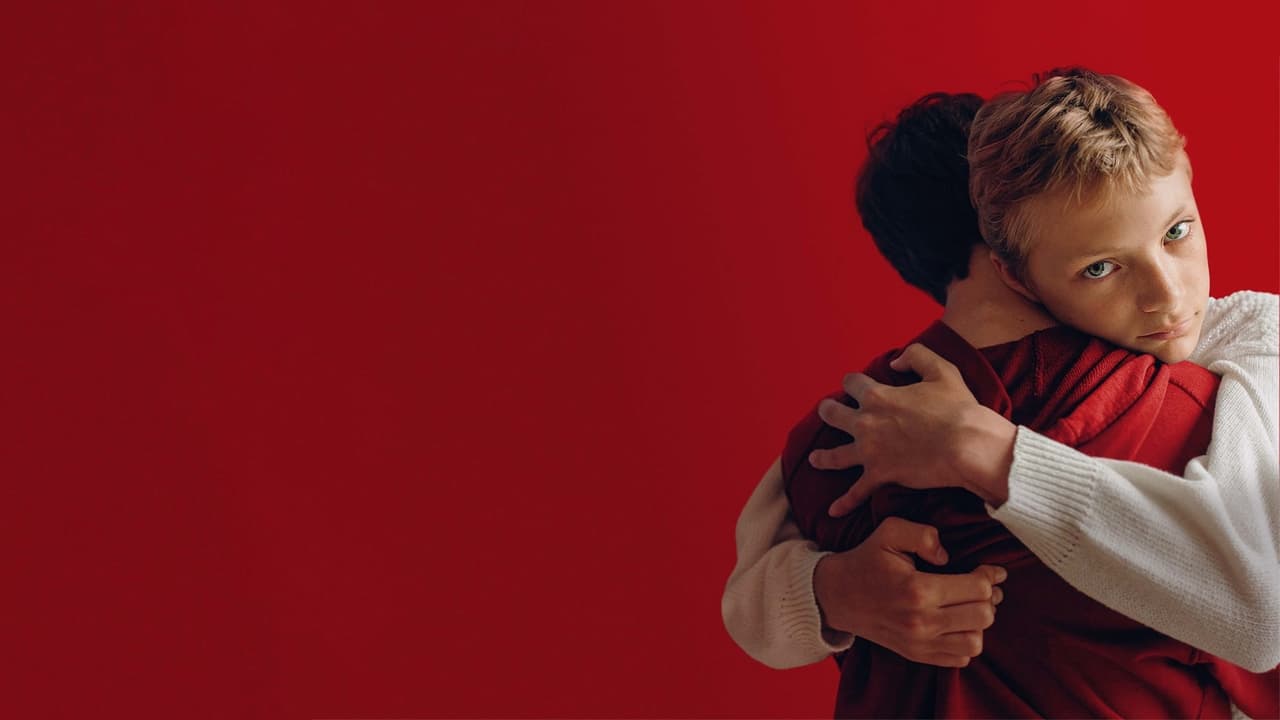
Close is a film that demands you look at how we treat the emotional lives of boys right now. In an era of "masculinity influencers" and polarized discourse about gender, this movie arrives as a whispered, heartbreaking plea for the right to be soft. It doesn't offer easy answers or a tidy moral. Instead, it asks: what do we lose when we teach children that intimacy is something to be feared?
I went into this expecting a "sad movie," but I came out feeling like I’d been through an exorcism. It’s a beautifully shot, intellectually rigorous examination of the moment childhood ends—not because of age, but because of the world’s intrusion. If you don’t cry during the final ten minutes, you might actually be a Roomba. It is a masterwork of restraint and emotional honesty that deserves every bit of the festival buzz it generated.
This isn't just a "coming-of-age" story; it's a "coming-of-grief" story that captures the specific, sharp pain of a first heartbreak—the kind that has nothing to do with romance and everything to do with losing your mirror image. It’s a difficult watch, but a necessary one. Just do yourself a favor: bring a pack of tissues and maybe a friend you haven't hugged in a while. You're going to need both.
Keep Exploring...
-
A Taxi Driver
2017
-
BPM (Beats per Minute)
2017
-
God's Own Country
2017
-

I Want to Eat Your Pancreas
2018
-
On My Skin
2018
-
The Boy Who Harnessed the Wind
2019
-
The Specials
2019
-
A Whisker Away
2020
-
Clouds
2020
-
If Anything Happens I Love You
2020
-

The Banker
2020
-
Evangelion: 3.0+1.0 Thrice Upon a Time
2021
-
Palmer
2021
-
The Fallout
2021
-
The Hand of God
2021
-
Aftersun
2022
-
RRR
2022
-
Suzume
2022
-
One Life
2023
-
Perfect Days
2023