Crimes of the Future
"The evolution of desire is under the knife."

I watched this in a room that was exactly two degrees too cold, which felt entirely appropriate for a movie where everyone looks like they’re made of damp marble and heavy wool. There is a specific kind of "Cronenberg Cold" that permeates his best work, and after a twenty-year hiatus from the "body horror" subgenre he practically invented, David Cronenberg returned in 2022 to remind us that nobody does surgical eroticism quite like him. While the rest of the multiplex was drowning in the neon saturation of the MCU’s Doctor Strange in the Multiverse of Madness, Cronenberg was over in the corner quietly showing us a child eating a plastic wastebasket.
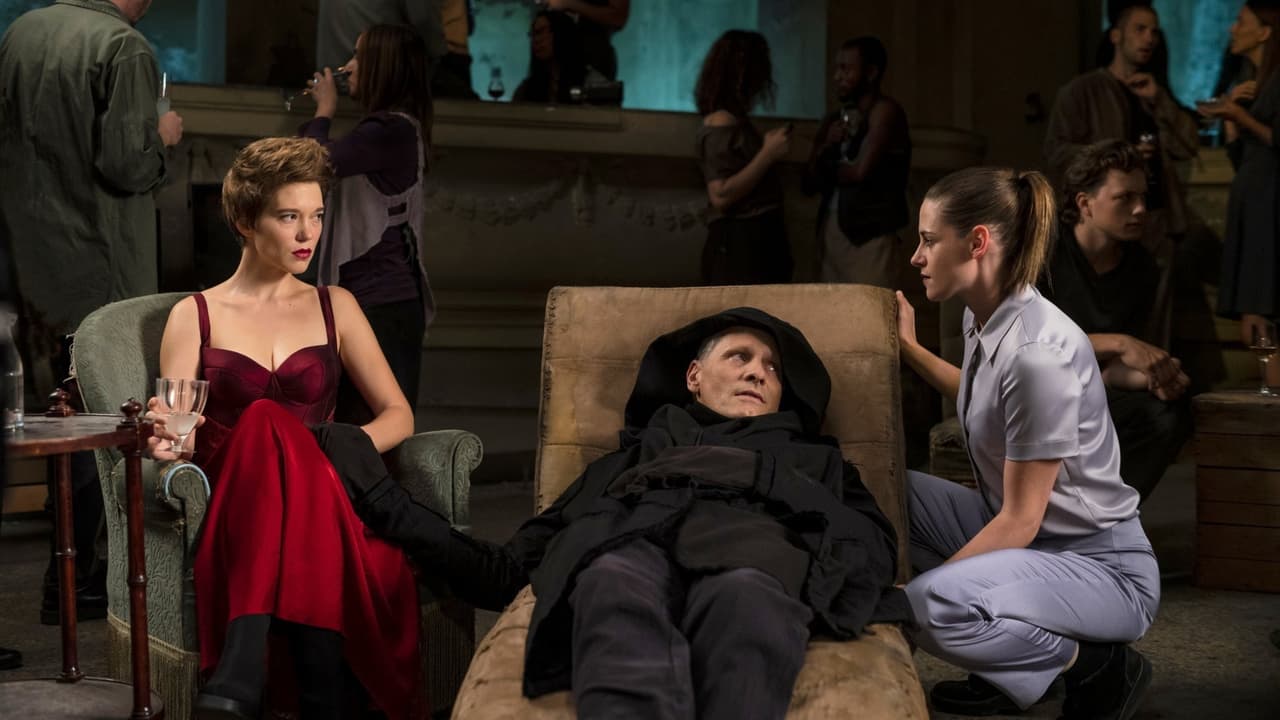
Crimes of the Future isn't a remake of his 1970 film of the same name, but it feels like a spiritual homecoming. We’re dropped into a world where the human body has begun "accelerating" its evolution. Pain has mostly vanished, infection is a thing of the past, and people are starting to grow new, "spontaneous" organs with no known function. Viggo Mortensen (who previously worked with the director on A History of Violence and Eastern Promises) plays Saul Tenser, a performance artist who turns his own runaway mutations into high-art spectacles. Alongside his partner Caprice, played by the luminous Léa Seydoux, he hosts gallery shows where she surgically removes his new organs in front of a hushed, tuxedoed crowd.
The Bureaucracy of the Flesh
What makes this feel like a 2020s film rather than a 90s relic is the suffocating sense of bureaucracy that surrounds the weirdness. In an era where we’re constantly told to "register" every aspect of our digital lives, the film introduces the National Organ Registry. This is where we meet Timlin, played by Kristen Stewart in a performance that can only be described as controlled-explosion-via-whisper. She is a nervous, twitchy bureaucrat who becomes instantly infatuated with Tenser’s work.
The chemistry between Viggo Mortensen and Kristen Stewart is fascinatingly uncomfortable. When Timlin leans in and utters the film’s iconic line—"Surgery is the new sex"—it doesn't feel like a cheesy tagline. It feels like a genuine, terrifying realization of where this society is headed. Stewart’s energy is the perfect foil to Mortensen’s gravelly, hooded-cloak performance. Saul Tenser spends most of the movie hacking and wheezing, looking like a man who is allergic to the very air of the future, yet he’s the world’s biggest celebrity. It’s basically an ASMR video for people who find scalps enticing.
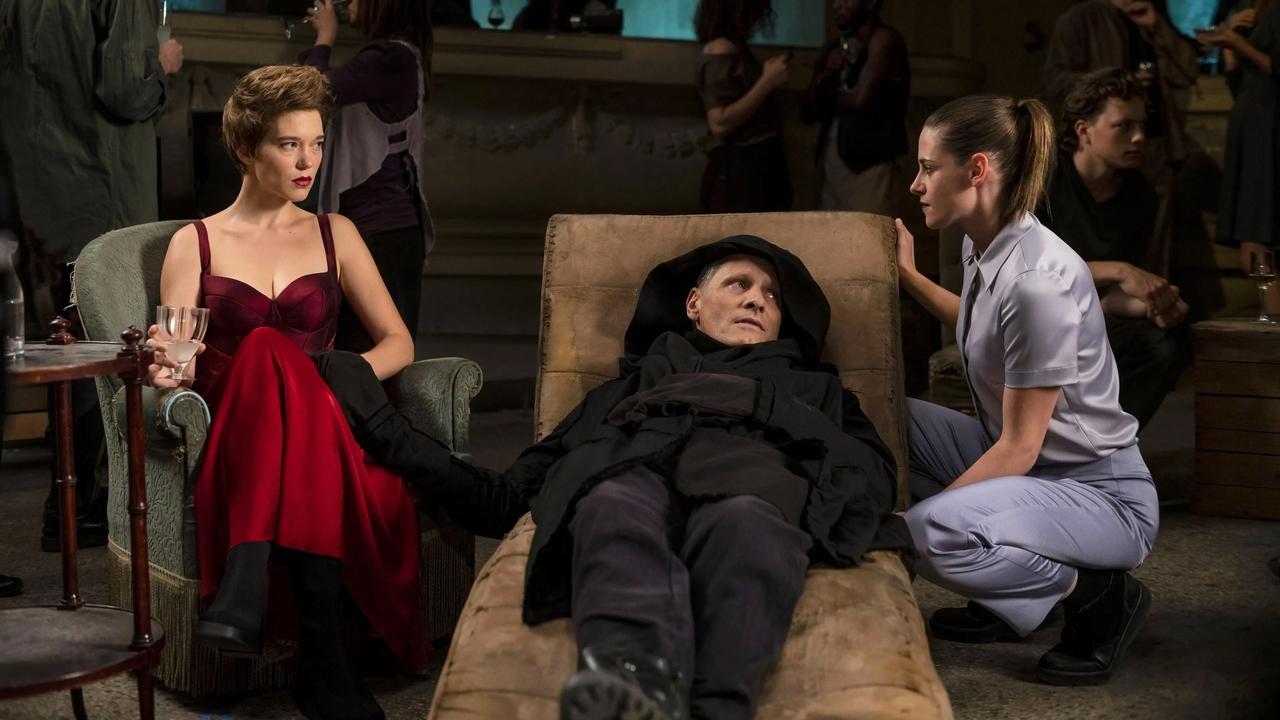
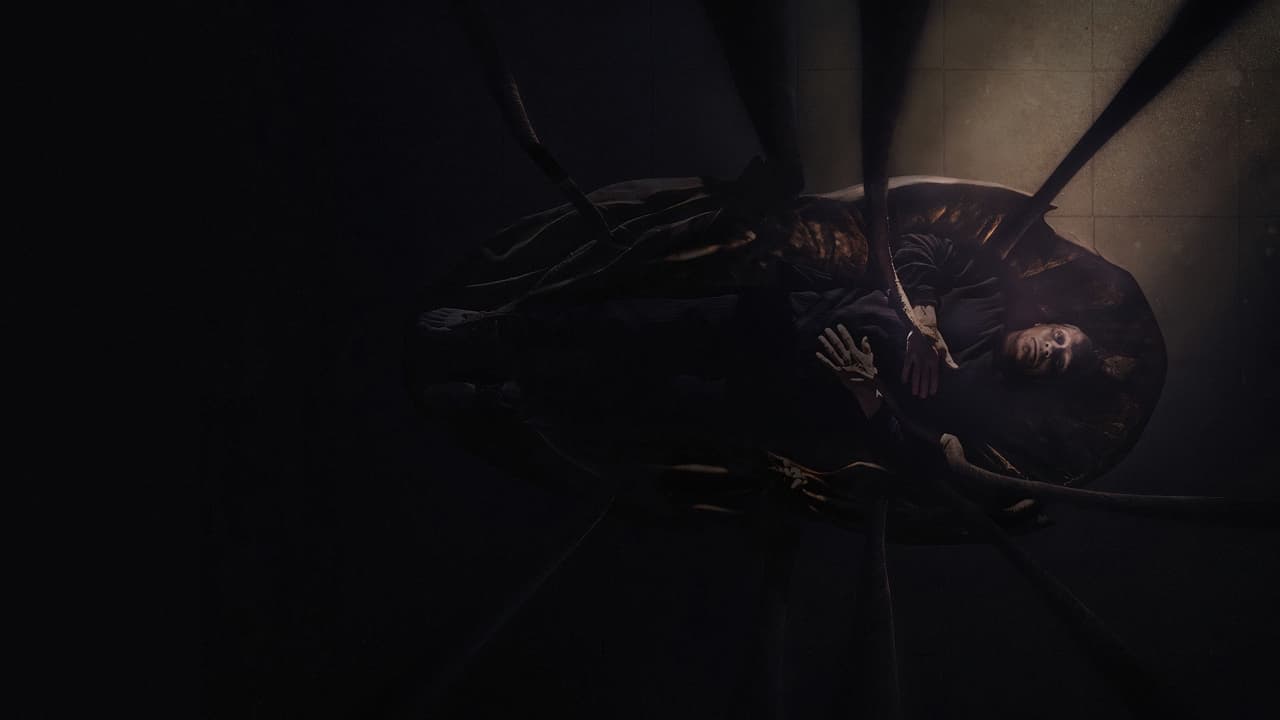
The world-building here is top-tier "lo-fi" sci-fi. There are no holographic screens or flying cars. Instead, we get organic, bone-like furniture—the "Orchid Bed" and the "Breakfasteater" chair—that looks like it was harvested from a giant insect. These practical effects, a hallmark of Cronenberg’s legacy, feel heavy and real in a way that modern CGI rarely manages. When Caprice uses a remote-control "Sark" machine to operate on Saul, you can practically smell the sterile, metallic tang of the room.
Evolution in the Plastic Age
Beneath the zippers and the scalpels, the film is grappling with something very contemporary: climate anxiety. A sub-plot involves a radical group of "plastic eaters" who have modified their digestive tracts to consume human waste. In a world currently obsessed with microplastics in our blood and the terrifying pace of environmental change, Cronenberg’s suggestion that we might simply evolve to eat the trash is both cynical and weirdly optimistic.
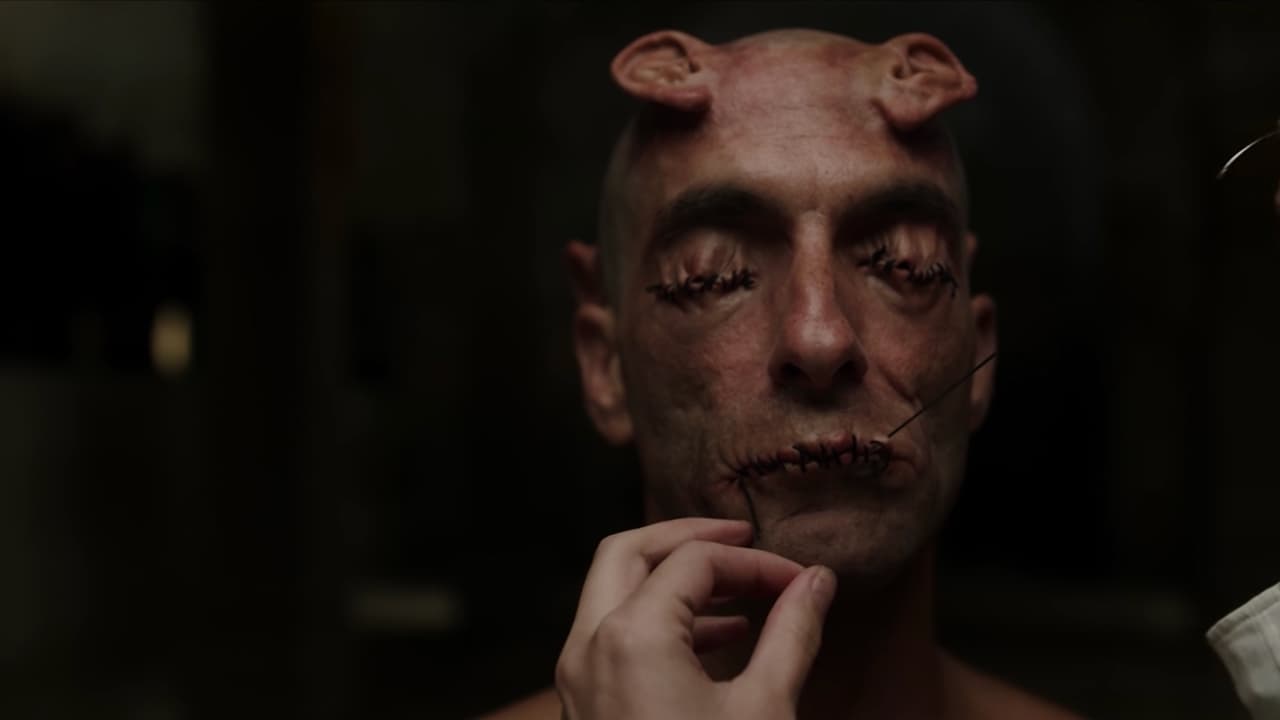
It’s a film about what it means to be human when the "human" part is constantly shifting. Léa Seydoux is the emotional anchor here; while Saul is the canvas, she is the artist, and her struggle to find meaning in the mutations gives the film a soul it might otherwise lack. The cinematography by Douglas Koch captures Athens (where it was filmed) as a crumbling, timeless necropolis, while Howard Shore—longtime Cronenberg collaborator—delivers a score that feels like a heavy, velvet shroud.
The film didn't set the box office on fire, earning a measly $4.5 million against a $27 million budget. It’s easy to see why. This isn't "fun" in the traditional sense. It’s slow, it’s talky, and it’s deeply preoccupied with things that most people go to the movies to forget. But for those of us who missed the days when horror was allowed to be intellectual and weirdly sensual, it was a godsend. It’s a movie for people who think a zipper on a torso is the height of fashion.
Despite the niche subject matter, I found myself thinking about Saul Tenser’s breakfast chair for a week after the credits rolled. It’s a film that demands you sit with your discomfort and ask why it’s there in the first place. Whether it’s a masterpiece or just a very expensive fetish video is up for debate, but in a landscape of safe, predictable blockbusters, I’ll take the guy eating the trash can every single time. It’s a reminder that even in the streaming era, there’s still room for the "New Flesh" to make us squirm.

Keep Exploring...
-
The Discovery
2017
-

Color Out of Space
2020
-
Titane
2021
-

The Long Walk
2025
-
Crash
1996
-

10 Cloverfield Lane
2016
-
Cargo
2017
-

Extinction
2018
-
Tau
2018
-

The Perfection
2018
-
The Room
2019
-

The Vast of Night
2019
-
Synchronic
2020
-

The Lodge
2020
-
Oxygen
2021
-
The Platform 2
2024
-

eXistenZ
1999
-
Morgan
2016
-

Z for Zachariah
2015
-
Before I Wake
2016