Decision to Leave
"A cliffside plunge into the depths of desire."
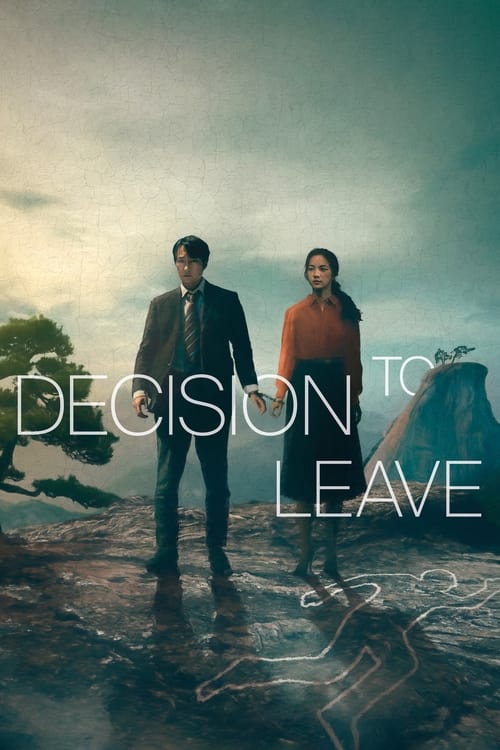
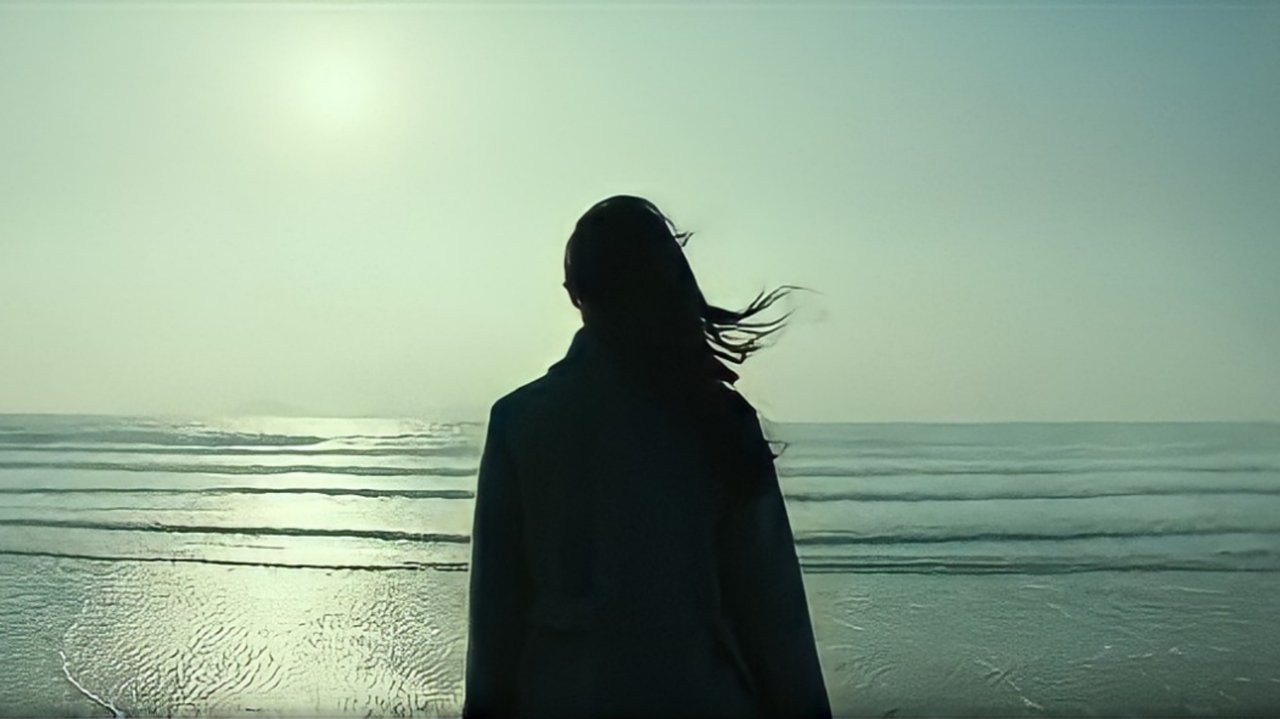
I watched Decision to Leave on my laptop while my neighbor was power-washing their driveway, and the rhythmic, aggressive drone of the water weirdly synced up with the film’s recurring ocean waves. It was a happy accident, but it highlighted something fundamental about Park Chan-wook’s latest: it is a movie that demands you drown in it.
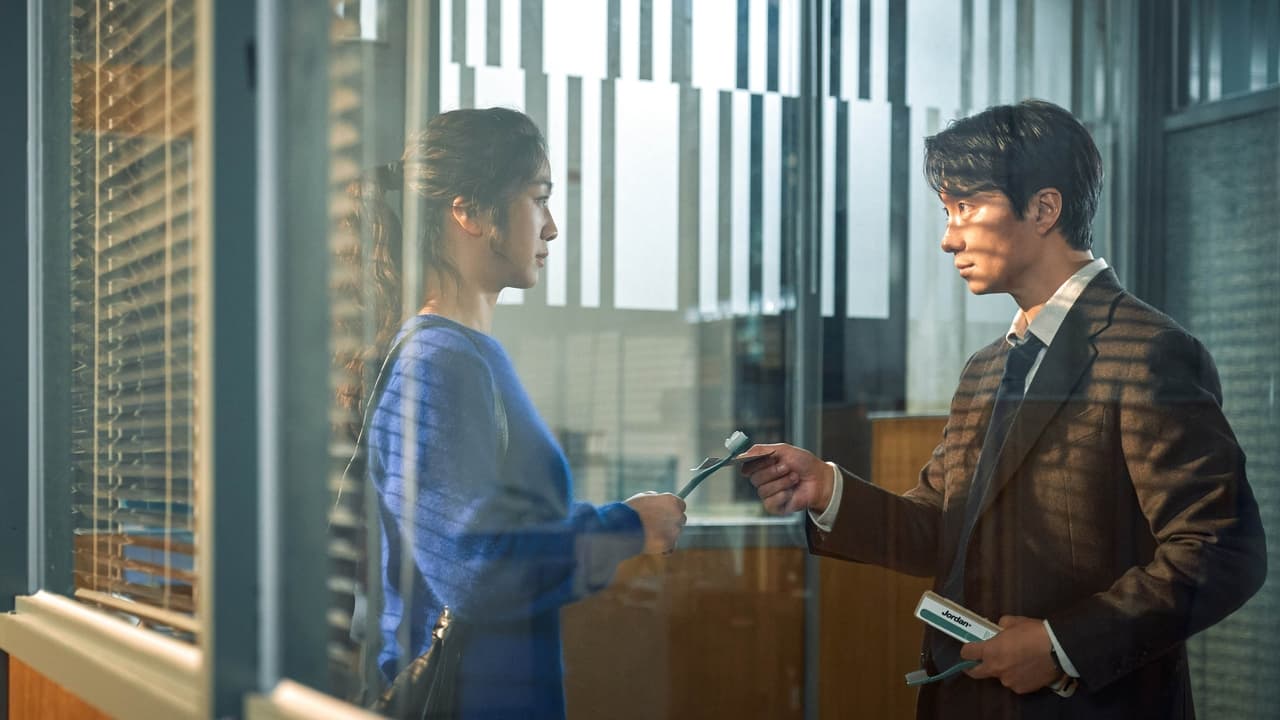
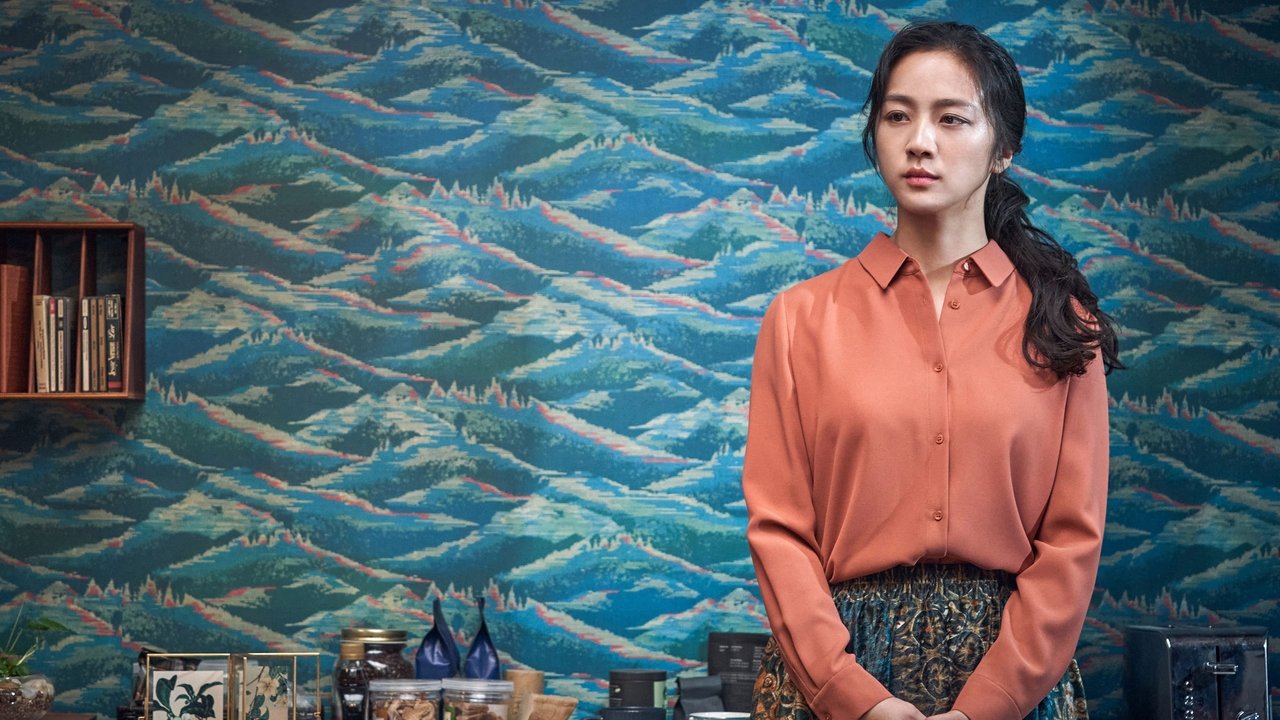
We live in an era of "distracted viewing." We scroll through TikTok while a $200 million blockbuster plays in the background, treated more like wallpaper than art. But this film? If you look away to check a text, you haven’t just missed a plot point; you’ve missed the precise way a character’s pupils dilated or the way the light shifted on a specific, tauntingly blue-green dress. It’s a film that re-teaches you how to pay attention.
The High Stakes of Insomnia
The setup feels like a classic noir, but the execution is purely 2022. Park Hae-il plays Jang Hae-joon, a restless, insomniac detective who is "clean"—meaning he’s polite, well-dressed, and carries around a portable kit to clean up crime scenes. He’s the kind of guy who wants the world to be orderly. Then he meets Song Seo-rae (Tang Wei), the widow of a man who just plummeted off a mountain.
She isn't crying. In fact, she’s almost amused.
What follows isn't a "whodunnit" in the traditional sense—it’s a "why am I so obsessed with her?" Most contemporary thrillers rely on a twist that recontextualizes the plot, but Park Chan-wook (working again with the brilliant co-writer Chung Seo-kyung) isn't interested in pulling the rug out from under you. He wants to wrap the rug around you and set it on fire. The chemistry between Tang Wei and Park Hae-il is extraordinary because it’s built on observation. He watches her through binoculars; she watches him watching her. It’s a romance built on surveillance, which feels incredibly poignant in our current age of digital footprinting and social media stalking.
Love in the Age of Google Translate
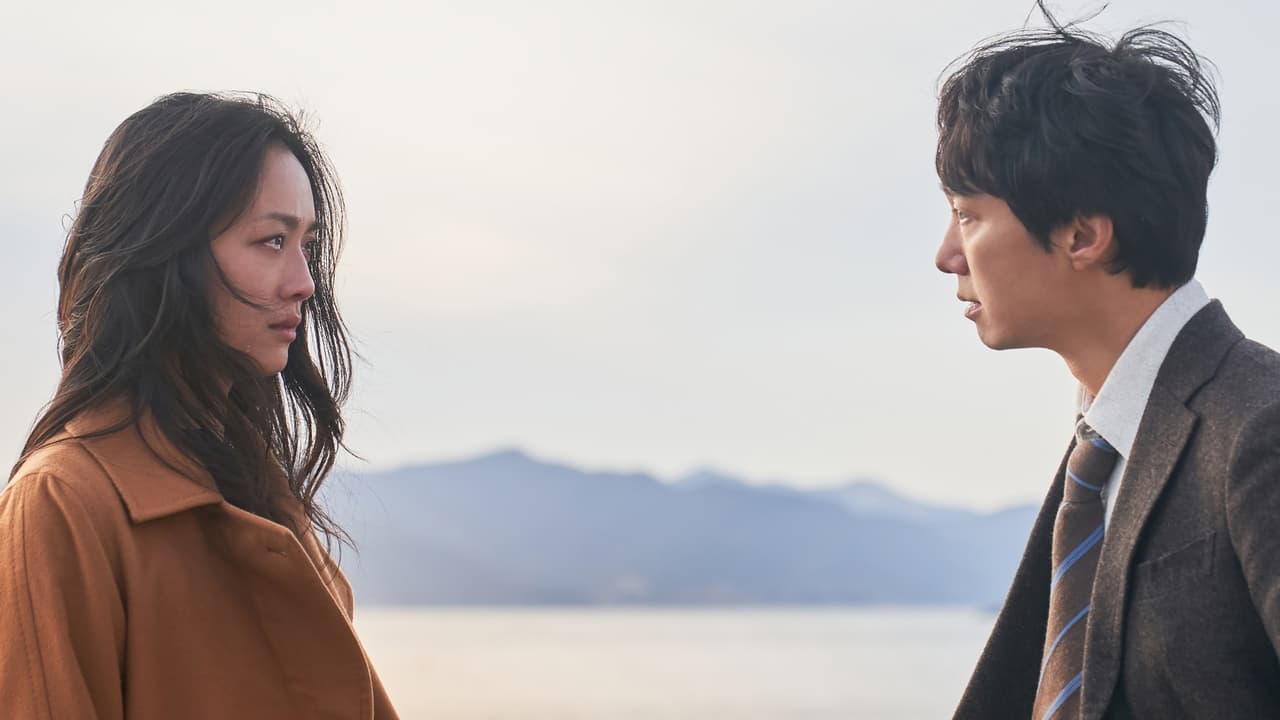
What struck me most was how Park Chan-wook integrates modern technology. Usually, seeing a smartphone on screen is a mood-killer in a "serious" drama. Here, it’s the heartbeat. Seo-rae is a Chinese immigrant whose Korean is precise but formal, and when she gets emotional, she speaks into a translation app.
There’s a devastating delay in their communication—the time it takes for the mechanical AI voice to repeat her passion in a flat, monotone Korean. It’s a brilliant metaphor for the gap between two people who can never truly know each other. Tang Wei gives a performance that is basically a slow-motion car crash of the soul; she is haunting, manipulative, and deeply vulnerable all at once. I haven't been able to stop thinking about the way she uses her phone to record her thoughts, turning her device into a digital diary of a crime—or a love letter.
The cinematography by Kim Ji-yong is equally restless. There are these "impossible" POV shots—looking out from the inside of a dead man’s eye as a fly crawls across it, or transitions where Hae-joon suddenly appears in the room he’s observing from miles away. It’s flashy, sure, but it serves the internal logic of a man whose professional boundaries are dissolving into a mist of romantic obsession.
A Pivot Toward Restraint
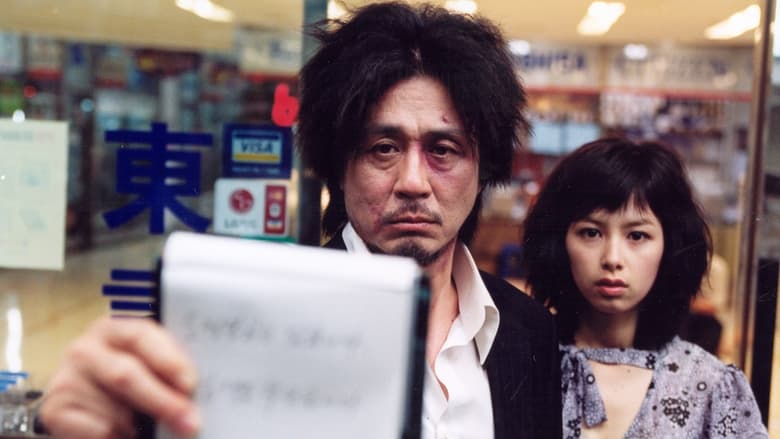
For those who know Park Chan-wook from the hammer-swinging brutality of Oldboy (2003) or the lush, erotic puzzles of The Handmaiden (2016), Decision to Leave might feel surprisingly chaste. There is very little "action" and no explicit sex. Instead, the intimacy is found in the way he applies Chapstick to her lips or how they coordinate their breathing while stakeout-watching.
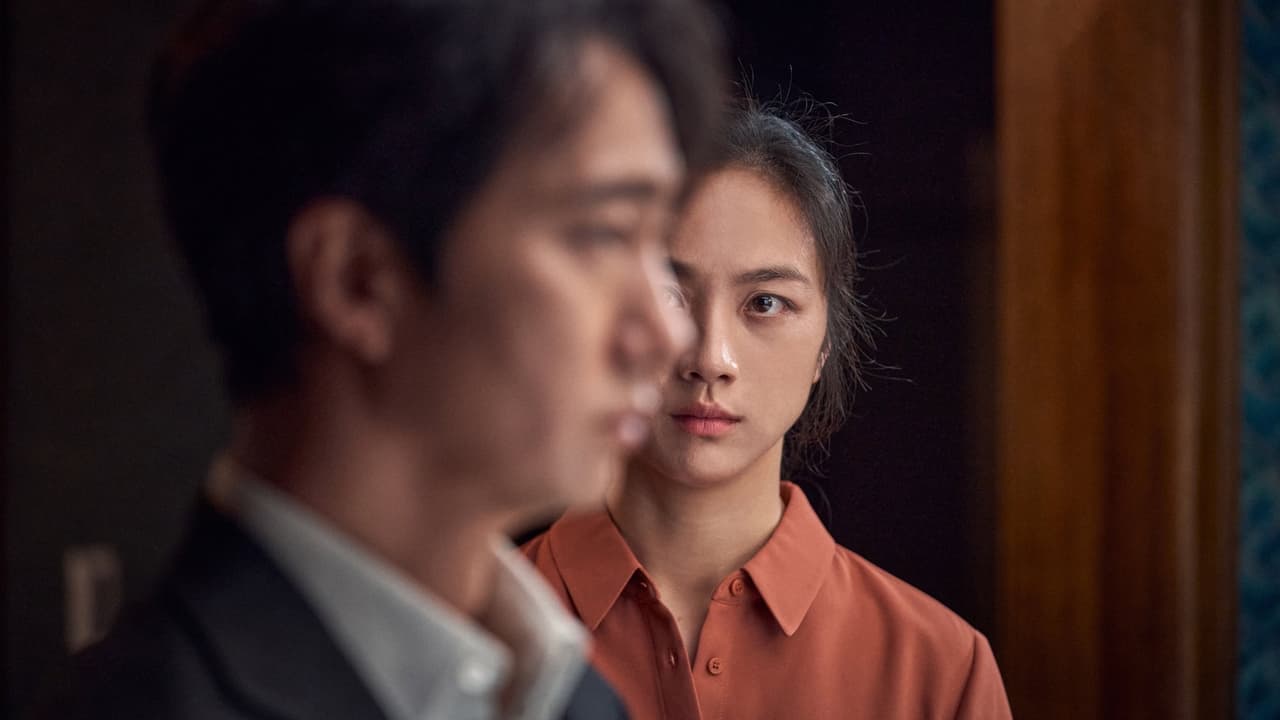
I found this restraint far more "intense" than any of his earlier gore. It’s a mature film that understands that the most violent thing you can do to a person is make them fall in love with someone who will eventually ruin them. In an industry currently obsessed with "Legacy Sequels" and the safety of the Marvel Cinematic Universe, seeing a master filmmaker take a massive swing at a quiet, mid-budget romantic thriller felt like a gift. It didn't need a multiverse or a post-credits scene to justify its existence; it just needed the sound of the tide coming in.
The final act is a masterclass in atmospheric dread. I won’t spoil the ending, but I will say that the film’s original tagline—"The closer you look, the harder you fall"—is a threat, not a promise. By the time the credits rolled, I felt like I had been held underwater for two hours. It’s the kind of film that lingers in the back of your brain like a song you can't quite remember the lyrics to, making you want to go back and watch it again immediately just to see what you missed while you were blinking.
Decision to Leave is a reminder that the most dangerous mountains aren't made of rock, but of the secrets we keep from the people we love. It’s a gorgeous, heartbreaking, and technically flawless piece of cinema that proves Park Chan-wook is still operating on a level most directors can't even see with binoculars. If you’re tired of the same old formulas, let this one pull you under. You won't regret the dive.
Keep Exploring...
-

The Handmaiden
2016
-
Oldboy
2003
-
Forgotten
2017
-
Burning
2018
-
The Call
2020
-
Marrowbone
2017
-
Mirage
2018
-

The Professor and the Madman
2019
-

Black Box
2021
-
The Outfit
2022
-

Missing
2023
-

The Accountant²
2025
-

Lady Vengeance
2005
-
Thirst
2009
-
Victoria
2015
-

The Gangster, the Cop, the Devil
2019
-
To Catch a Thief
1955
-
Marnie
1964
-
Get Out
2017
-
The Discovery
2017