Disenchanted
"Be careful what you wish for, Princess."
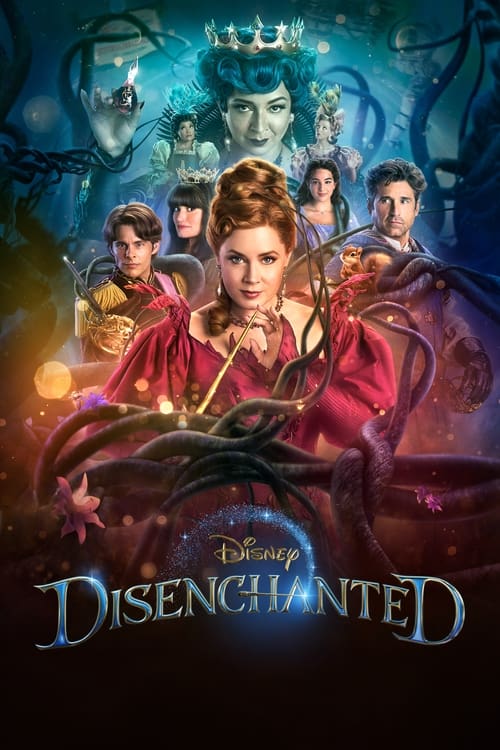
Fifteen years is a geologic era in the world of Hollywood franchises. When Enchanted twirled into theaters in 2007, it was a breath of fresh air—a clever, satirical, yet earnest deconstruction of the Disney Princess trope that launched Amy Adams into the stratosphere. By the time Disenchanted finally materialized on Disney+ in late 2022, the landscape of cinema had shifted from theatrical dominance to the bottomless hunger of the streaming algorithm. Gone was the sun-drenched novelty of Times Square; in its place was a digital-heavy suburban landscape that feels strangely smaller, despite the "magical" stakes.

I watched this sequel on a Tuesday night while trying to peel a remarkably stubborn navel orange. By the time I finally cleared the pith from the fruit, I realized I’d been more engaged with the citrus struggle than with the opening twenty minutes of Giselle’s new life. That’s the tragedy of Disenchanted: it’s a film that tries so hard to capture lightning in a bottle for a second time that it ends up smelling like ozone and desperation.
The Suburbia Syndrome
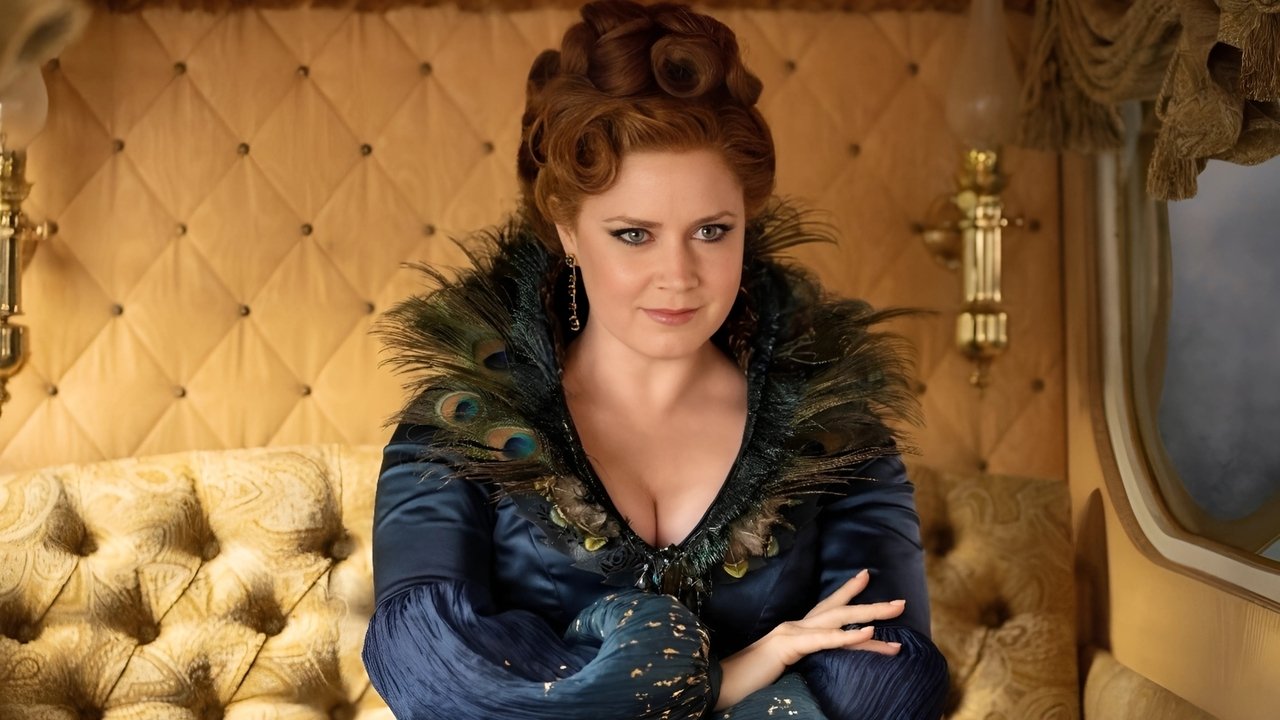
The premise actually has legs: Giselle, now a mother of two and struggling with a moody teenage Morgan (played by newcomer Gabriella Baldacchino, replacing Rachel Duff), decides that NYC has lost its luster. She drags Patrick Dempsey’s Robert—who looks perpetually tired, perhaps reflecting the actor’s own thoughts on returning to this well—out to the fixer-upper town of Monroeville. When the "real world" refuses to provide a "happily ever after," Giselle uses an Andalasian wishing wand to turn the town into a literal fairy tale.
The twist is the film’s strongest card. Because Giselle is a stepmother, the magic dictates she must become the wicked stepmother. Watching Amy Adams flip between her sugary, bird-calling self and a scenery-chewing villainess is a delight. She clearly understood the assignment, even if the script was still being graded. She battles for dominance against the local queen bee, Malvina Monroe, played by Maya Rudolph. Rudolph is a comedic titan, but here she feels boxed in by a role that demands she be "Disney Evil" without the sharp satirical edge that made the first film's villain work.
The Streaming Era Aesthetic
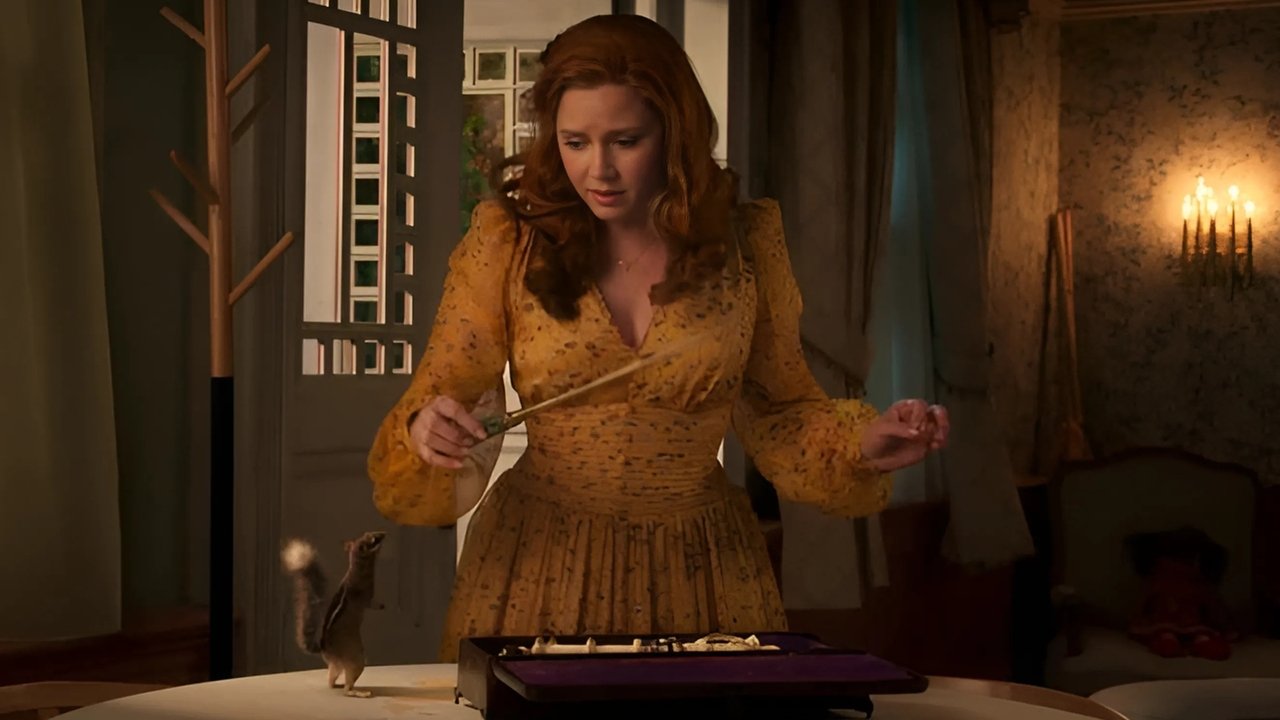
There is an undeniable "streaming sheen" to Disenchanted that I found distracting. While the original film felt like a big, bright cinematic event, this sequel often feels like a high-budget Disney Channel Original Movie having a mid-life crisis. The lighting is flat, and the CGI Monrolasia—while colorful—lacks the tactile charm of the 2007 production. It’s a symptom of the post-pandemic streaming boom: movies designed to look "good enough" on an iPad while you’re folding laundry.
Even the return of James Marsden as Prince Edward feels like a missed opportunity. Marsden is a gifted physical comedian, and his brief appearances are the only times the movie truly recaptures that specific, earnest lunacy of Andalasia. Unfortunately, he’s mostly sidelined so the film can focus on a series of musical numbers by Alan Menken and Stephen Schwartz. While "Badder"—a villain duet between Adams and Rudolph—is a campy highlight, none of the songs have the "earworm" longevity of "That’s How You Know."
A Legacy Sequel in a Crowded Room
In this era of franchise saturation, Disenchanted struggles to justify its existence beyond being "content" for a subscription service. It touches on contemporary themes—the difficulty of parenting in a digital age, the loss of childhood wonder—but it smothers them under a layer of plot contrivances. The film’s release strategy also hurt it; by skipping theaters, it missed the chance to be a multi-generational event, instead becoming something people "checked out" over Thanksgiving weekend and forgot by December.
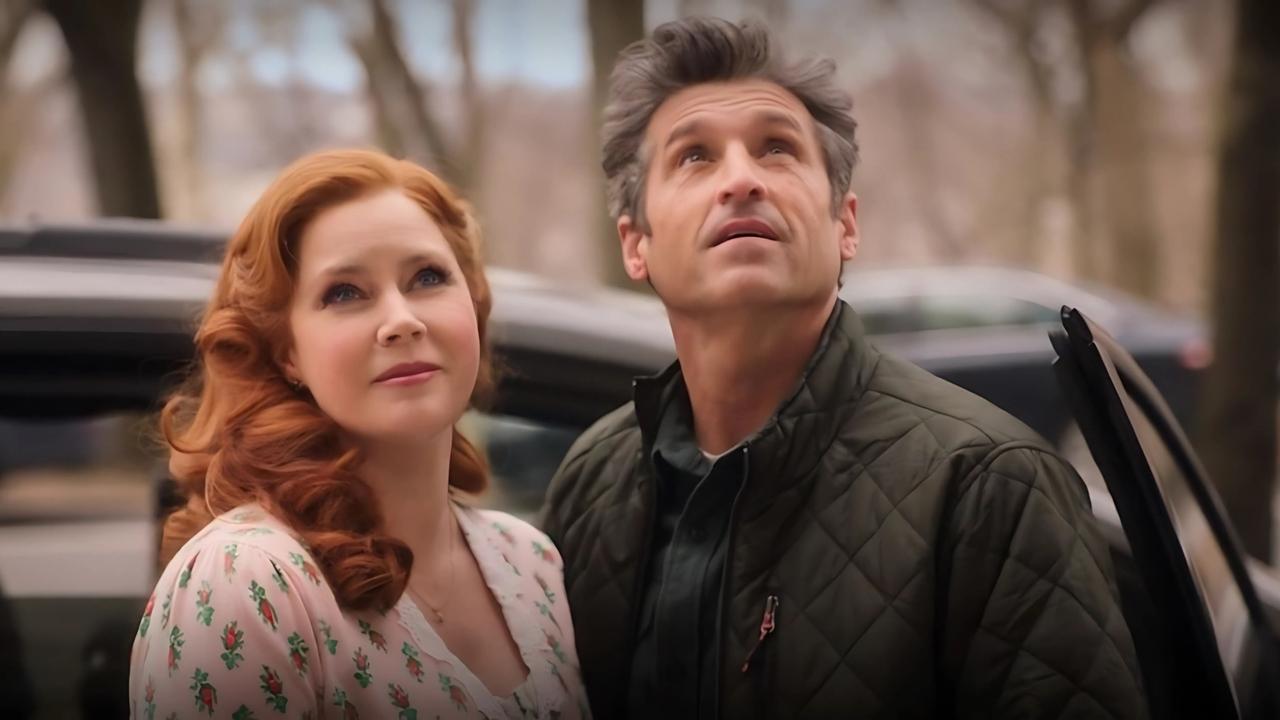
Behind the scenes, the production faced the grueling reality of COVID-19 protocols while filming in Ireland (which stood in for suburban New York). This might explain why some of the ensemble scenes feel a bit disconnected, as if the actors were being kept at a careful distance. Despite the hurdles, the film does make a genuine effort toward representation, casting Gabriella Baldacchino as a more grounded, relatable lead for the younger generation, though her character often gets lost in the swirl of Giselle’s magical breakdown.
Ultimately, Disenchanted is a harmless, occasionally charming footnote to a much better movie. It’s the cinematic equivalent of a store-bought birthday cake: it looks the part, it’s sweet enough to get you through the afternoon, but you’ll probably regret the second slice. Amy Adams remains a national treasure for her commitment to the bit, but even her magic wand can’t quite fix a script that feels more like a corporate mandate than a fairy tale. It’s worth a watch if you’re a die-hard fan of the original, but don't expect to be swept off your feet.
Keep Exploring...
-

Enchanted
2007
-
Olaf's Frozen Adventure
2017
-
Goosebumps 2: Haunted Halloween
2018
-
Scooby-Doo! Return to Zombie Island
2019
-
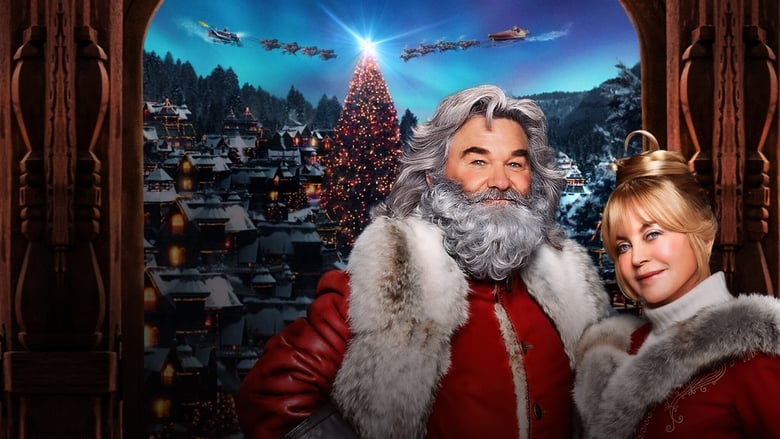
The Christmas Chronicles: Part Two
2020
-
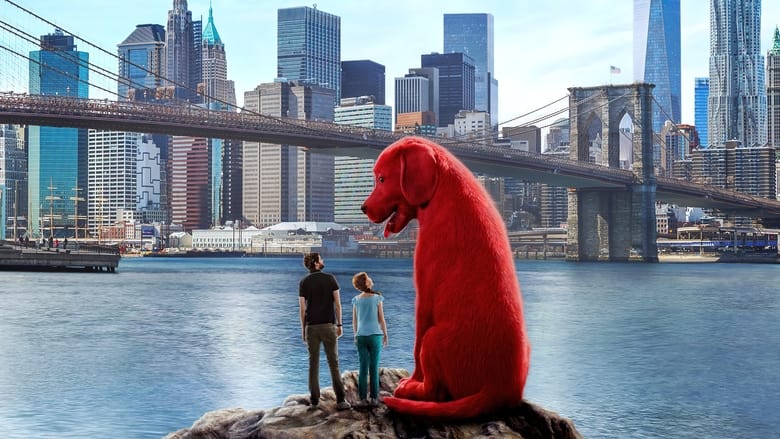
Clifford the Big Red Dog
2021
-
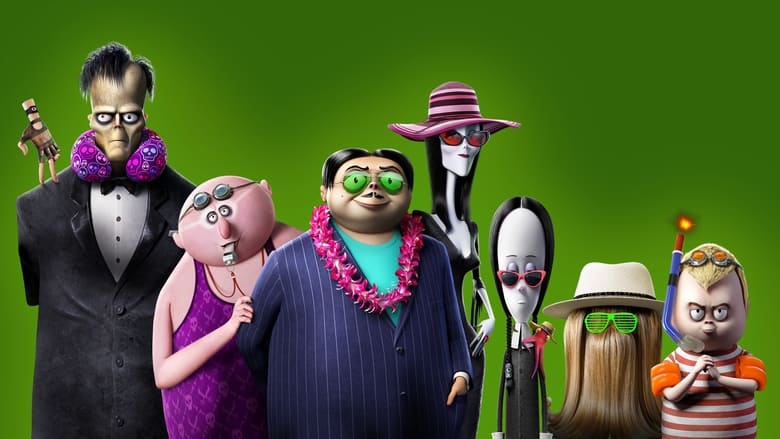
The Addams Family 2
2021
-
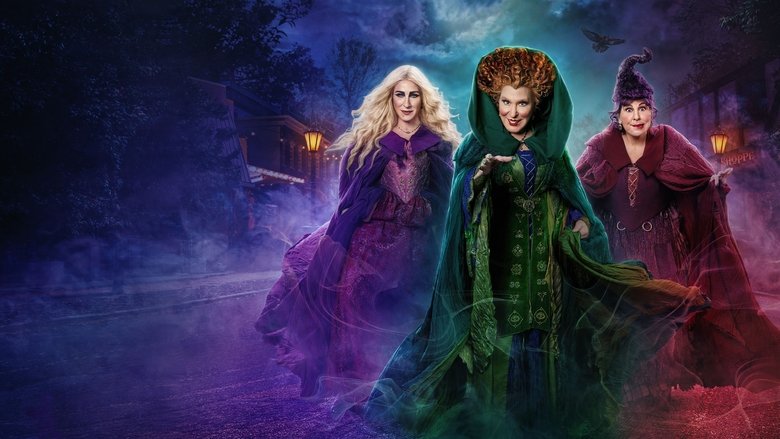
Hocus Pocus 2
2022
-
Slumberland
2022
-
Ruby Gillman, Teenage Kraken
2023
-
Trolls Band Together
2023
-

IF
2024
-

What Men Want
2019
-
A Cinderella Story: If the Shoe Fits
2016
-
The Willoughbys
2020
-
Bedtime Stories
2008
-
Nine Lives
2016
-

A Dog's Purpose
2017
-
Hotel Transylvania 3: Summer Vacation
2018
-
Mary Poppins Returns
2018