Dog
"Healing is a long, hairy road."
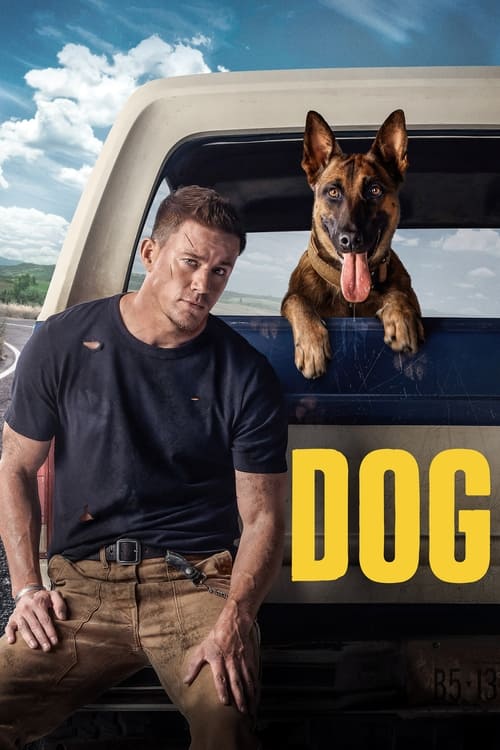
If you walked into the theater in 2022 expecting a slapstick romp about a man getting hit in the groin by a Belgian Malinois, you probably left feeling a bit more "therapy-adjacent" than anticipated. Dog arrived at a curious time in our cinematic landscape—a moment when the industry was still clutching its pearls over whether audiences would ever return for anything that wasn't wearing a cape or holding a lightsaber. Channing Tatum’s directorial debut (co-directed with Reid Carolin) proved that there is still a massive appetite for the "mid-budget movie," provided it has a soul, a slightly grumpy lead, and a very talented four-legged co-star.
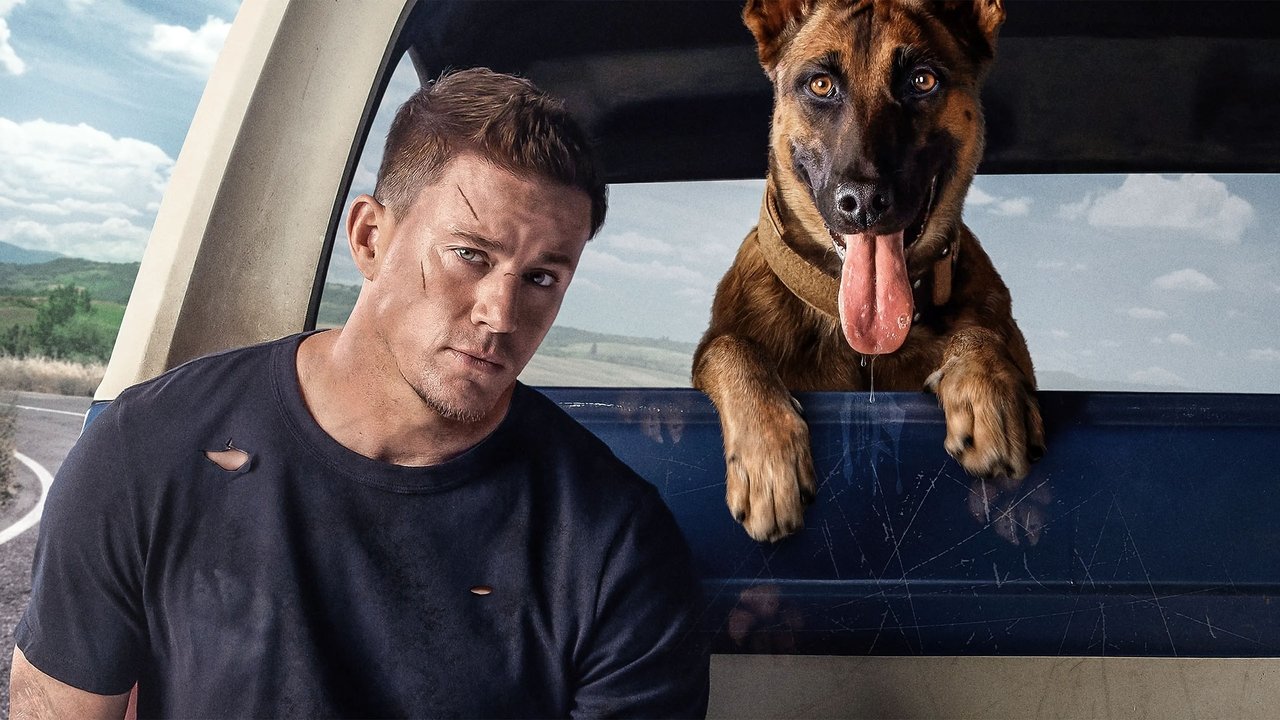
I watched this while trying to untangle a particularly stubborn knot in my shoelace, which felt strangely metaphorical for the emotional mess on screen. It’s a film that wears its heart on its sleeve, but it’s a sleeve that’s been chewed through and buried in the backyard.
Not Your Average Good Boy
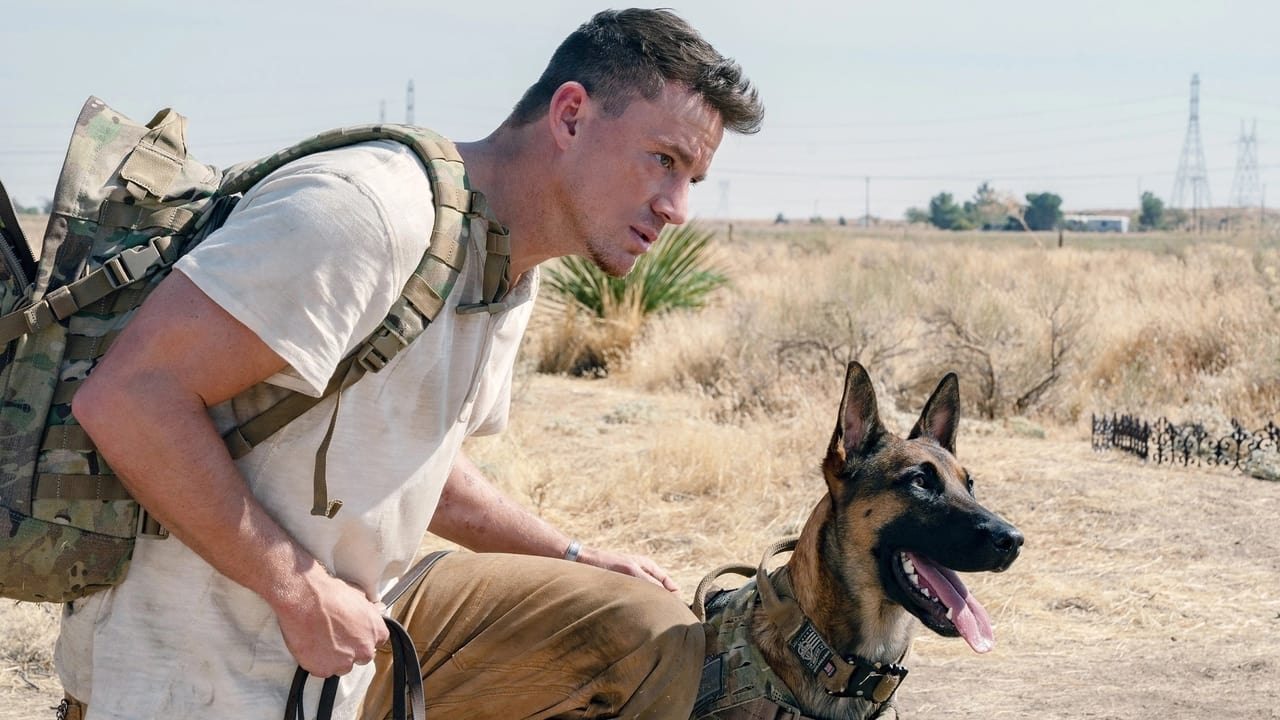
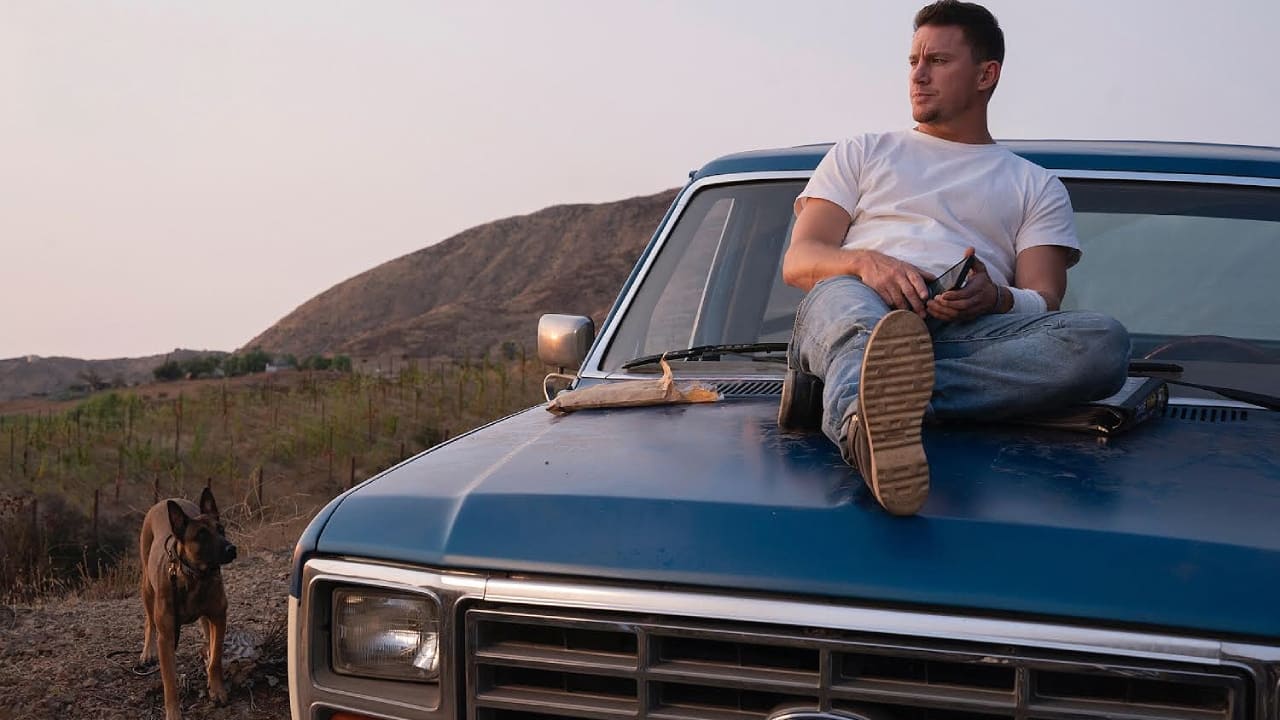
The setup is deceptively simple: Jackson Briggs (Channing Tatum) is a former Army Ranger sidelined by a brain injury that’s left him chasing a "shadow" of his former life. To get back into the game—specifically a private security contract in Pakistan—he has to do one last favor: drive Lulu, a Belgian Malinois who served in his unit, to the funeral of her late handler. The catch? Lulu is traumatized, aggressive, and currently slated for "retirement" (the permanent kind) once the funeral is over.
What follows is a Pacific Coast Highway road trip that hits the expected beats of the genre but subverts the tone. This isn’t Marley & Me. Lulu isn’t a precocious pet; she’s a war veteran with the same jagged edges as Briggs. Channing Tatum does some of the best work of his career here by essentially playing a man who is terrified of his own vulnerability. He treats Lulu with a mix of professional respect and genuine frustration, and the movie is at its best when it lets them just exist in a cramped Ford Bronco together. It’s a movie that understands that sometimes, 'man’s best friend' is actually just a hairy mirror for your own unwashed psychological laundry.
The Magic of the Mid-Budget Movie
In the current era of cinema, we see a lot of "algorithm-first" filmmaking. Studios often seem to be checking boxes to ensure a film plays well in every possible global territory simultaneously. Dog feels refreshingly specific. It’s small-scale, it’s character-driven, and it cost a modest $20 million to make. Seeing it rake in nearly $85 million was a victory for anyone who misses the days when movies could just be movies—not entries in a "multiverse" or "cinematic universe."
Behind the scenes, the project was deeply personal for Tatum. It was inspired by his own dog, also named Lulu, who passed away in 2018. That affection shines through, even when the script (penned by Reid Carolin) dips into some slightly goofy territory. There’s a sequence involving a "psychic" couple in Portland that feels like it belongs in a much broader comedy, but the film manages to right the ship because the core relationship is so grounded.
The cinematography by Newton Thomas Sigel captures the hazy, golden beauty of the West Coast without making it look like a car commercial. He treats the interior of the truck like a confessional booth. I found myself focusing on the way Lulu’s ears flicked at the sound of a zipper—a tiny detail that speaks volumes about her hyper-vigilance. It’s a "small" movie that feels big because the stakes—two broken souls trying to find a reason to keep going—are universal.
Road Trip Blues and PTSD
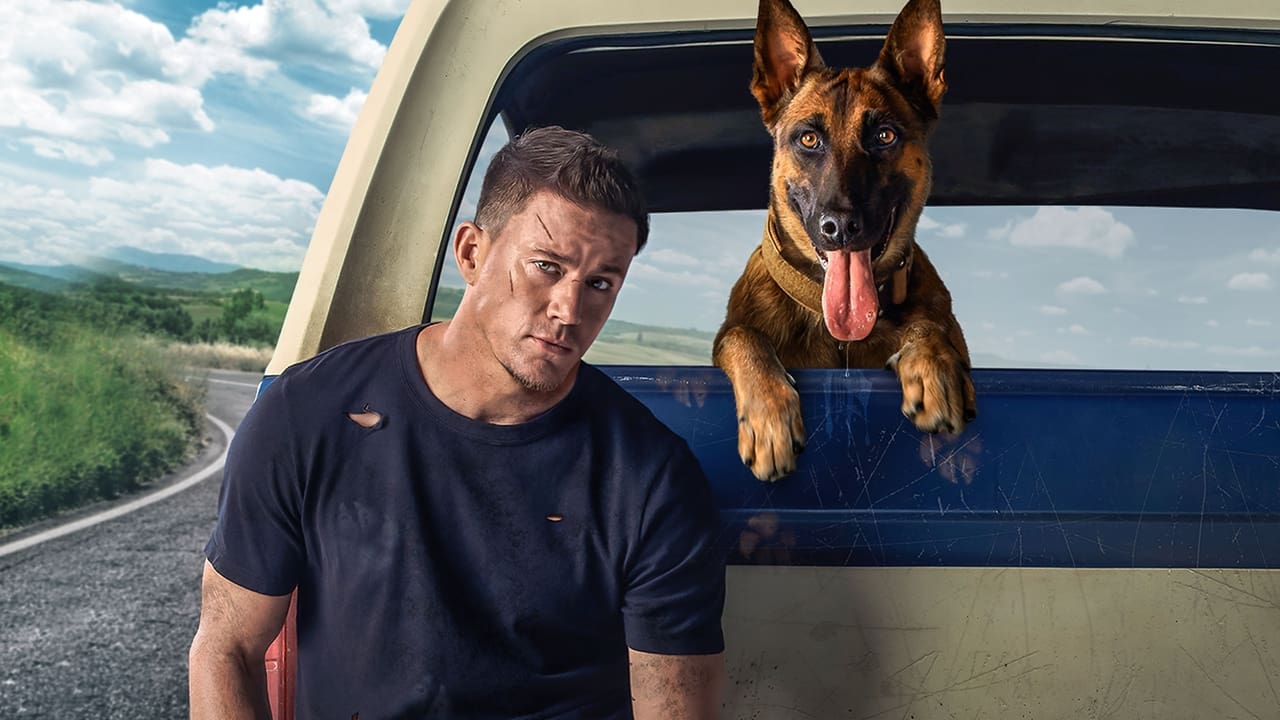
While the marketing leaned heavily into the "comedy" side of the drama-comedy split, the film is actually quite heavy. It touches on the way the military often discards its human and animal assets once they’ve been "used up." There’s a recurring theme of being "fit for human company," and Tatum plays the indignity of a soldier reduced to working at a deli counter with a quiet, simmering resentment. It's the cinematic equivalent of a warm blanket that someone accidentally spilled a little bit of whiskey on—it’s cozy, but there’s a sharp, stinging reality underneath.
The supporting cast, while brief in their appearances, adds necessary texture. Luke Forbes brings a grounded gravity to the scenes involving the fallen soldier’s family, reminding us that the funeral isn't just a plot device; it's a hole in a community. The film avoids being a total "weeper," though. It earns its emotional moments through silence rather than soaring strings, despite the presence of a score by the legendary Thomas Newman.
Is it predictable? Sure. You can probably guess where the Bronco is heading from the first ten minutes. But in an era where everything feels like it’s being over-explained or over-produced, there’s something genuinely comforting about a well-told story that respects its audience enough to let a dog’s growl serve as dialogue. It’s a film about the long, slow process of coming home—not just to a place, but to yourself.
The film succeeds because it doesn't try to be more than it is. It’s a sturdy, emotional journey that benefits from Channing Tatum’s charisma and a truly standout performance from the three dogs who played Lulu. It manages to address the weight of veteran trauma without becoming a lecture, keeping the focus squarely on the bond between two survivors. If you’re looking for a road movie with teeth, this is a trip worth taking.

Keep Exploring...
-

Battle of the Sexes
2017
-

Welcome to Marwen
2018
-
The Peanut Butter Falcon
2019
-

Beautiful Disaster
2023
-

Kinds of Kindness
2024
-
I Don't Feel at Home in This World Anymore
2017
-

The Man Who Invented Christmas
2017
-
Can You Ever Forgive Me?
2018
-
Nothing to Hide
2018
-
Dolemite Is My Name
2019
-
The Dirt
2019
-
Riders of Justice
2020
-
Fatherhood
2021
-
The Hating Game
2021
-

The Worst Person in the World
2021
-

There's Still Tomorrow
2023
-

The Idea of You
2024
-
Anomalisa
2015
-
Dope
2015
-

Smallfoot
2018