Dragon Ball Super: Super Hero
"The cape makes the man, but the foster-dad makes the hero."
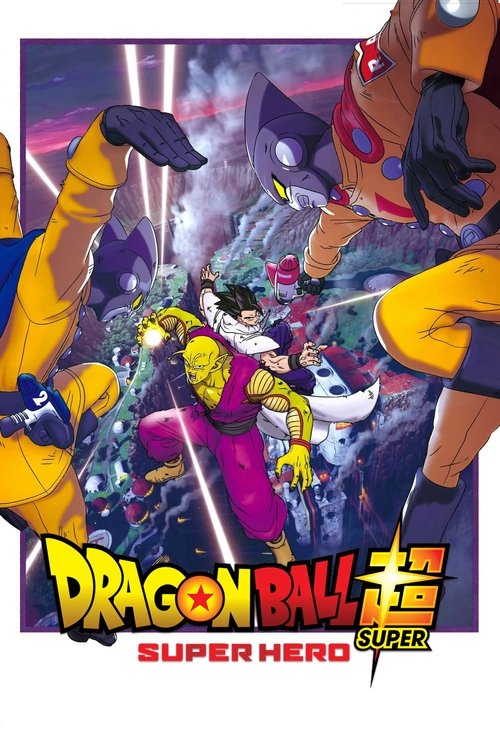
There is a specific kind of exhaustion that comes from watching two middle-aged space gods punch each other into mountains for thirty years. Don’t get me wrong, I grew up on the "Screaming-until-your-hair-glows" diet, but by the time we hit the 2020s, the Goku-and-Vegeta show started to feel like a high-speed treadmill. We were moving fast, but were we actually going anywhere? That’s why Dragon Ball Super: Super Hero felt like such a massive relief. I watched this in a theater where the air conditioning was set to "Tundra," huddled in a hoodie that smelled faintly of old popcorn, and for the first time in a decade, I wasn’t waiting for a blue-haired Saiyan to show up and save the day.
The 3D Elephant in the Room
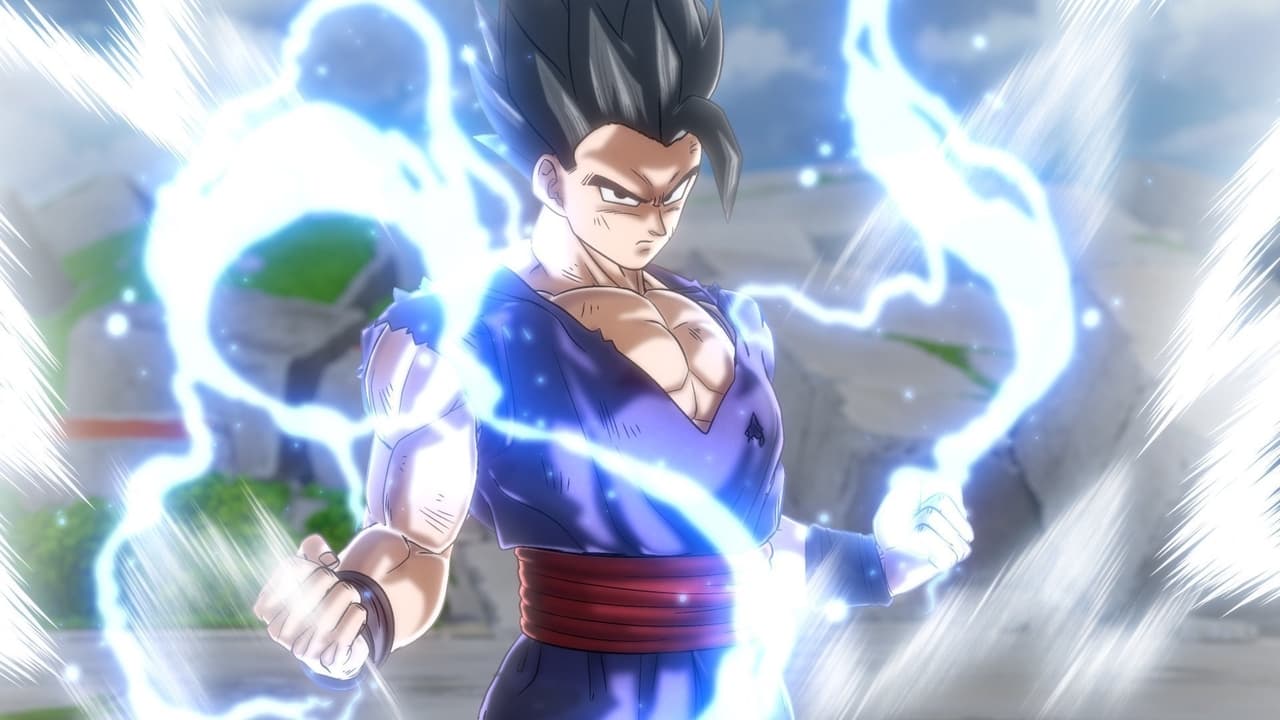
The most immediate thing anyone noticed about this release—and the source of a million frantic social media threads—was the shift to full 3D CGI. In an era where "the Volume" and seamless digital doubles are the industry standard, anime has often struggled to cross that uncanny valley without looking like a PlayStation 2 cutscene. Director Tetsuro Kodama (who previously worked on the visuals for Dragon Ball Super: Broly) takes a massive gamble here.
Surprisingly, it works. By leaning into a "non-photorealistic" rendering style, the film manages to keep the expressive, jagged lines of Akira Toriyama's iconic character designs while gaining a fluidity in combat that traditional 2D often lacks. The camera moves with a frantic, roving energy that makes the fight choreography feel three-dimensional rather than just a series of static background plates. It’s a bold statement in a franchise that has traditionally been the bastion of hand-drawn aesthetics, and it signals a shift in how Toei Animation wants to position its global IPs for a contemporary audience that expects cinematic depth.
The Surrogate Fatherhood of Namekians
If you asked me what this film is actually about, I’d tell you it’s a domestic comedy that occasionally explodes. The heart of the story isn't the return of the Red Ribbon Army or their new shiny Androids, Gamma 1 (Hiroshi Kamiya) and Gamma 2 (Mamoru Miyano); it’s the relationship between Toshio Furukawa's Piccolo and Gohan (Masako Nozawa).
The film leans heavily into the long-running fan joke that Piccolo is a better father to Gohan than Goku ever was. I loved the mundane details of Piccolo’s life—his weird house, his struggle to use a smartphone with giant green fingers, and his genuine frustration that Gohan has traded his gi for a research lab. There’s a quiet, cerebral theme running through their bickering: the idea that brilliance without vigilance is a trap. Gohan is a scholar, a man of peace, but the film asks if you can truly be a "super hero" if you’ve forgotten how to stand your ground. It’s a legacy sequel that actually cares about the legacy of its characters' souls, not just their power levels.
The Philosophy of the Cape
The inclusion of the Gamma androids introduces a surprisingly thoughtful question about the nature of justice. Dr. Hedo (Miyu Irino), the grandson of the infamous Dr. Gero, isn't a cackling villain; he’s a nerd obsessed with the aesthetic of heroism. The Gammas aren't built to be evil; they are built to be "super heroes," complete with capes, dramatic poses, and onomatopoeia that appears in mid-air when they punch.
It’s a clever meta-commentary on the superhero saturation we’re currently living through. In an era where every blockbuster features a masked vigilante, the film asks: what happens when the "bad guys" genuinely believe they’re the heroes? The Gammas are delightful precisely because they are sincere. Their conflict with Piccolo and Gohan isn't a clash of "Good vs. Evil," but a tragic misunderstanding fueled by propaganda—a very 2022 vibe, if you ask me. Apparently, Akira Toriyama actually forgot that the word "Super" was already in the series title when he named the movie, leading to the redundant Super: Super Hero, but that accidental silliness fits the film's playful, self-aware energy.
Stuff You Might Have Missed
The production of this film was a bit of a rollercoaster, even beyond the CGI shift. It was originally slated for an earlier release but was pushed back due to a massive hack at Toei Animation, making it one of the many films of this era defined by digital-age disruptions.
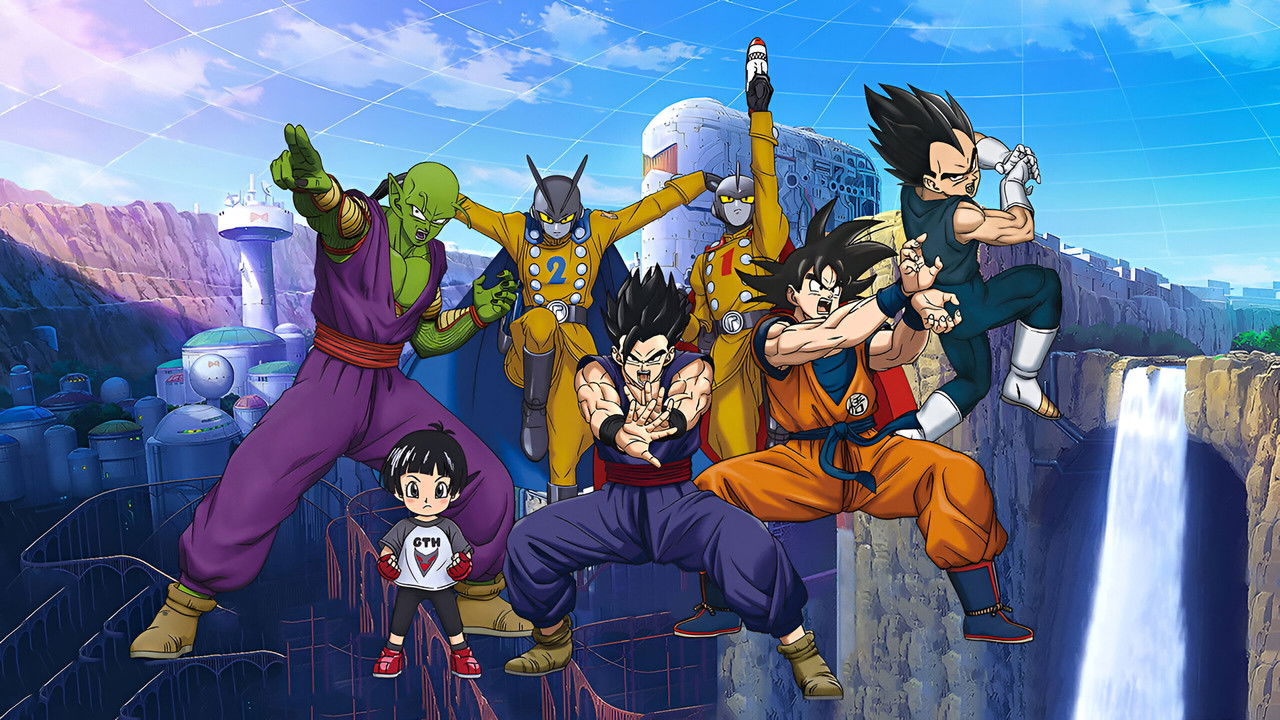
Fans of the original Japanese run were also treated to a lovely bit of continuity: Yuko Minaguchi returned to voice both Videl and a young Pan. There's also a recurring gag involving Oreos—or "Chocolate Cookies"—which was a specific request from Toriyama to give Dr. Hedo a relatable, quirky vice. And keep an eye on the background of Piccolo’s house; the plushies he receives as gifts are a direct nod to the "Penmaru" character from Toriyama's other works.
My personal favorite bit of trivia? The film’s focus on Gohan and Piccolo was a deliberate pivot after the producers realized that Broly had pushed Goku and Vegeta to their absolute limit. They needed to scale down to scale up emotionally. It was a risk to sideline the franchise’s mascots, but as a result, the stakes felt more personal than they had in years. Goku is basically a deadbeat dad who happens to be able to bench-press a planet, and seeing the film finally acknowledge that was immensely satisfying.
This isn't just another entry in a never-ending franchise; it’s a vibrant, funny, and surprisingly moving look at what it means to step out of someone else's shadow. By focusing on the "second string" characters, it finds a heart that the more cosmic entries often lack. The CGI might take five minutes to get used to, but once the capes start flapping and the internal transformations kick in, you’ll realize this is the most "Dragon Ball" the series has felt in a long time. It’s a joyful reminder that even after thirty years, there are still new ways to make us cheer for a man in a purple jumpsuit and a cape.
Post-Credit Reflection
The film manages to balance its heavy nostalgia for the Red Ribbon Army with a fresh, digital-forward look that feels right for the 2020s. It’s a rare legacy sequel that doesn't just recycle the past but uses it to build a bridge to a new generation of fans—represented perfectly by the spunky, three-year-old Pan. Whether you're here for the "Special Beam Cannon" or the touching mentor-student dynamics, it's a hell of a ride. Just don't expect Goku to do the heavy lifting for once.
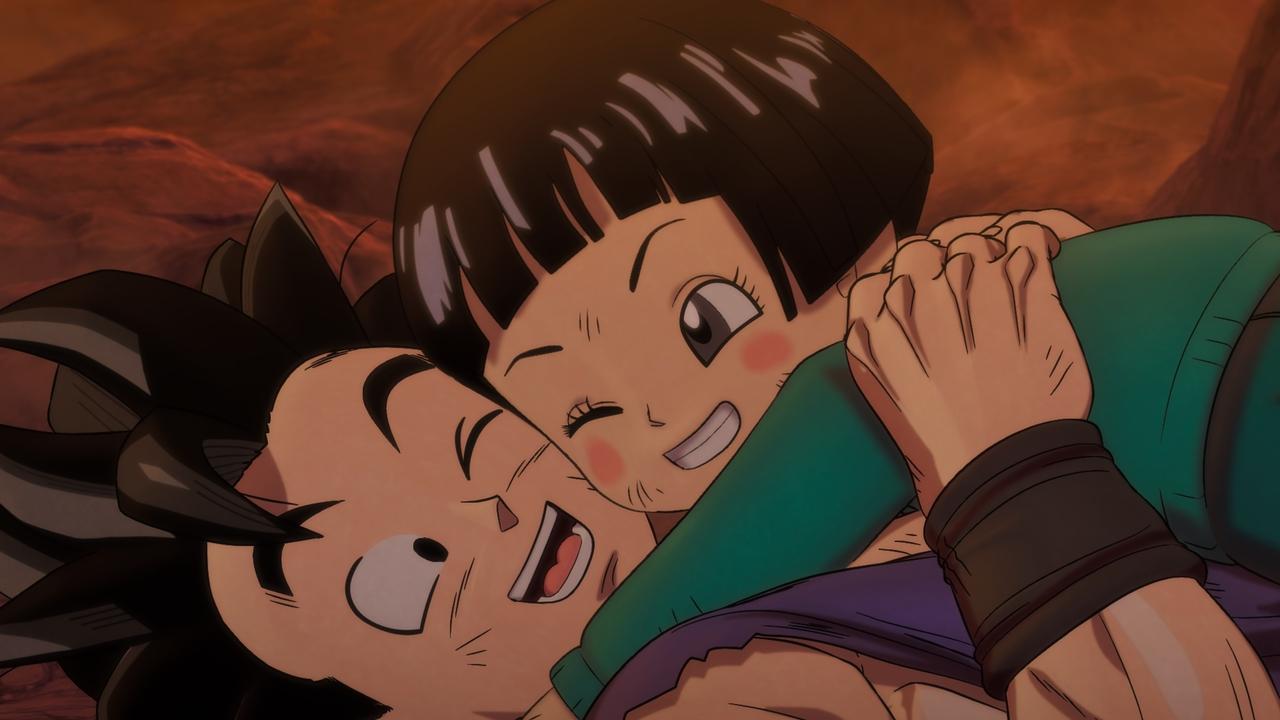
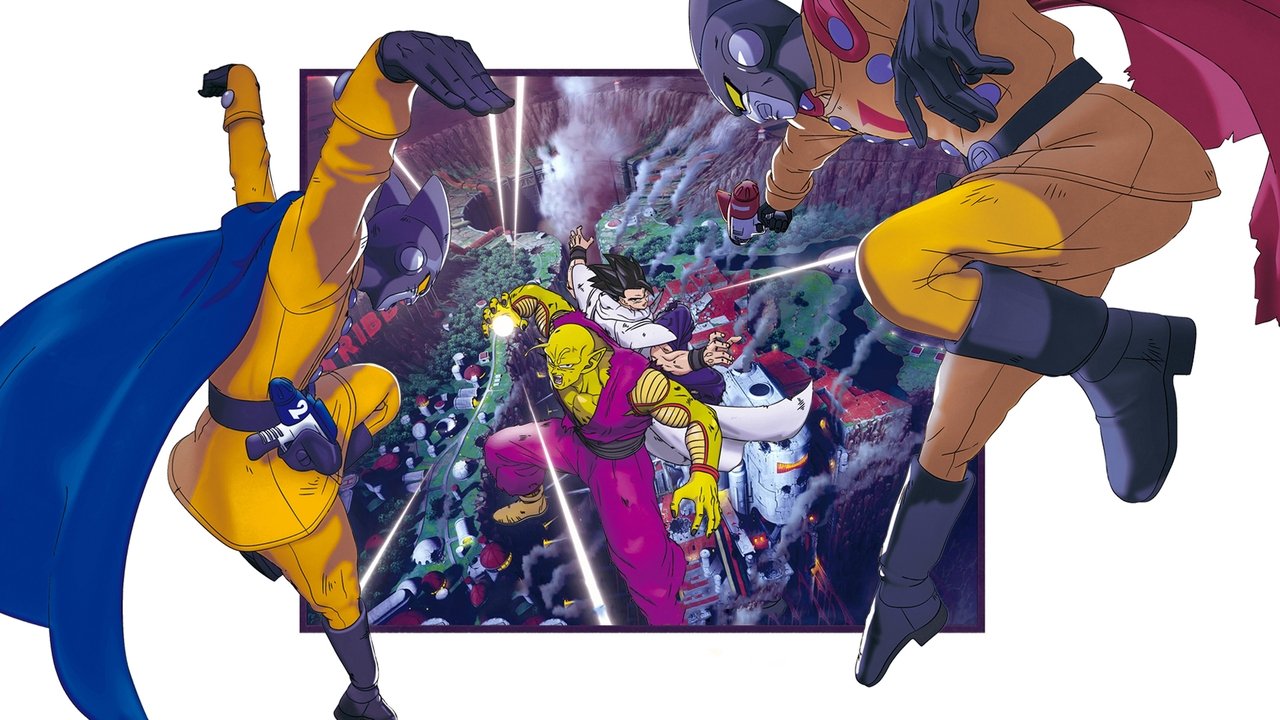
Keep Exploring...
-

Dragon Ball Super: Broly
2018
-
Dragon Ball Z: Resurrection 'F'
2015
-
Evangelion: 3.0+1.0 Thrice Upon a Time
2021
-

Dragon Ball Z: Fusion Reborn
1995
-

Spider-Man: Across the Spider-Verse
2023
-
Raya and the Last Dragon
2021
-
Resident Evil: Vendetta
2017
-
Resident Evil: Death Island
2023
-
Akira
1988
-
My Hero Academia: Two Heroes
2018
-
The Seven Deadly Sins: Prisoners of the Sky
2018
-
My Hero Academia: Heroes Rising
2019
-
Demon Slayer -Kimetsu no Yaiba- The Movie: Mugen Train
2020
-
Jujutsu Kaisen 0
2021
-
The Boy and the Beast
2015
-
Justice League Dark
2017
-
Spider-Man: Into the Spider-Verse
2018
-
Teen Titans Go! To the Movies
2018
-
Superman: Red Son
2020
-
Teenage Mutant Ninja Turtles: Mutant Mayhem
2023