Elvis
"The gold suit glitters, but the cage is real."
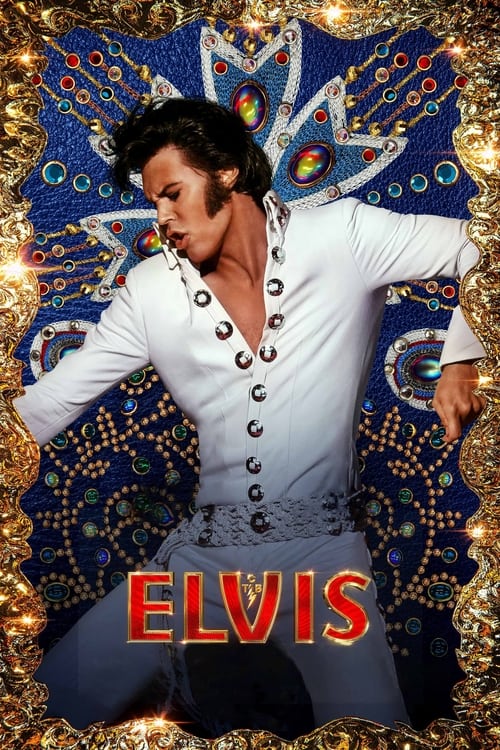
I walked into the theater with a large bucket of popcorn that had an alarming amount of artificial butter flavoring on it—the kind that stays on your fingers for three days—and honestly, that felt like the only appropriate way to prepare for a Baz Luhrmann film. You don’t go to a Luhrmann production for a quiet, understated history lesson. You go because you want to be hit in the face with a glitter cannon while someone screams operatically in your ear.

Released in 2022, Elvis arrived at a strange crossroads for cinema. We were just starting to crawl back into theaters post-pandemic, and the industry was terrified that if a movie didn't have a cape or a lightsaber, it was doomed to die on a streaming platform. Then came this $85 million fever dream about the King of Rock & Roll, told through the eyes of a guy who looked like a melting candle made of ham. It shouldn't have worked, but it became a genuine theatrical event, proving that audiences still crave big, loud, messy stories told with an actual pulse.
The Butler and the Beast
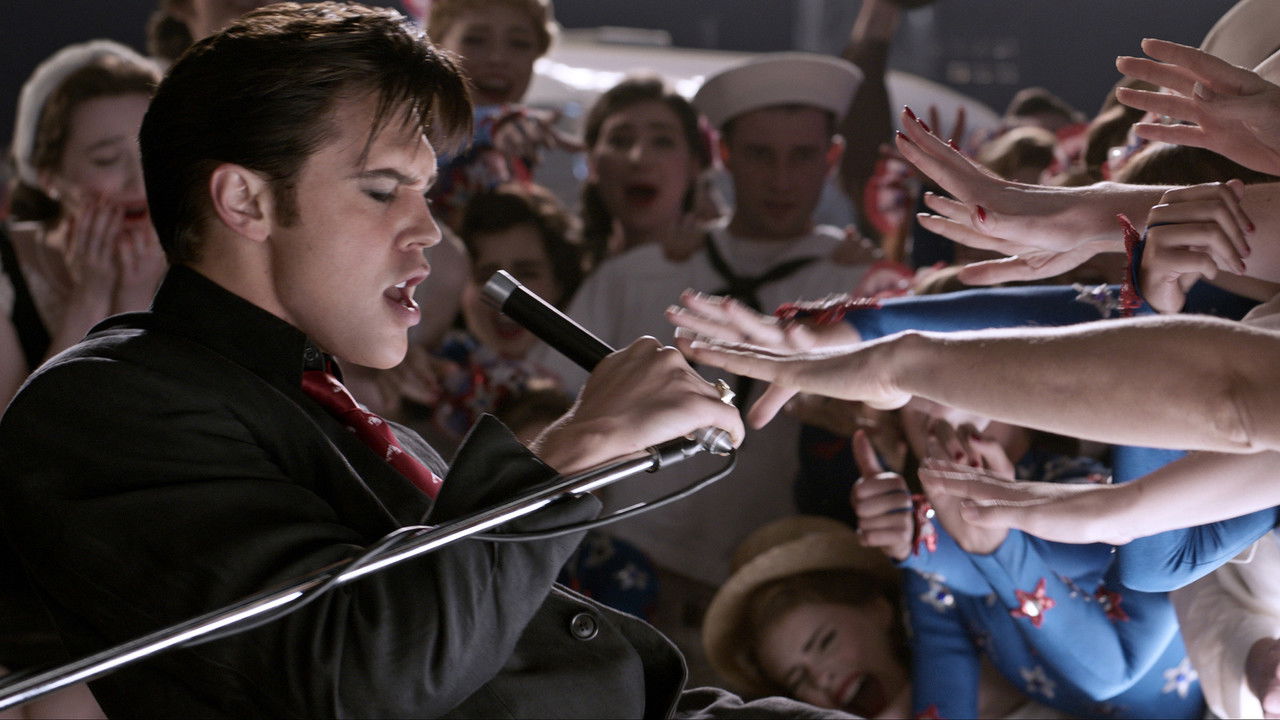
Let’s get the obvious out of the way: Austin Butler doesn't just play Elvis Presley; he seems to have undergone some kind of soul-transference. I remember the social media cycle when he was cast—lots of "Who is the kid from The Carrie Diaries?" and "He’s too pretty." But the second he steps onto that stage at the Louisiana Hayride, all the skepticism evaporates. He captures that specific, terrifying magnetism that made 1950s parents think their daughters were being possessed by demons.
It’s a performance of total physical commitment. Apparently, Butler didn't see his family for three years while prepping, and we all spent the next two years joking about how he couldn't drop the voice during his Oscar campaign. But watching him on screen, you see why. He’s carrying the weight of a man who was simultaneously the most famous person on earth and a total prisoner.
Then there’s Tom Hanks. Oh, boy. Tom Hanks as Colonel Tom Parker is a choice that borders on a war crime. Encased in more latex than a tire factory and wielding an accent that sounds like a Dutch person trying to impersonate a Southern aristocrat while eating a marshmallow, he is the "Beast" to Butler’s "Beauty." Initially, I found it distracting. I kept waiting for Forrest Gump to emerge from the folds of that neck prosthetic. But as the movie grinds on, you realize why Luhrmann did it. Parker isn't a real person here; he’s the villain in a fractured fairy tale. He’s the carny who found a golden goose and decided to pluck every single feather until the bird bled out.
A Modern Remix of History
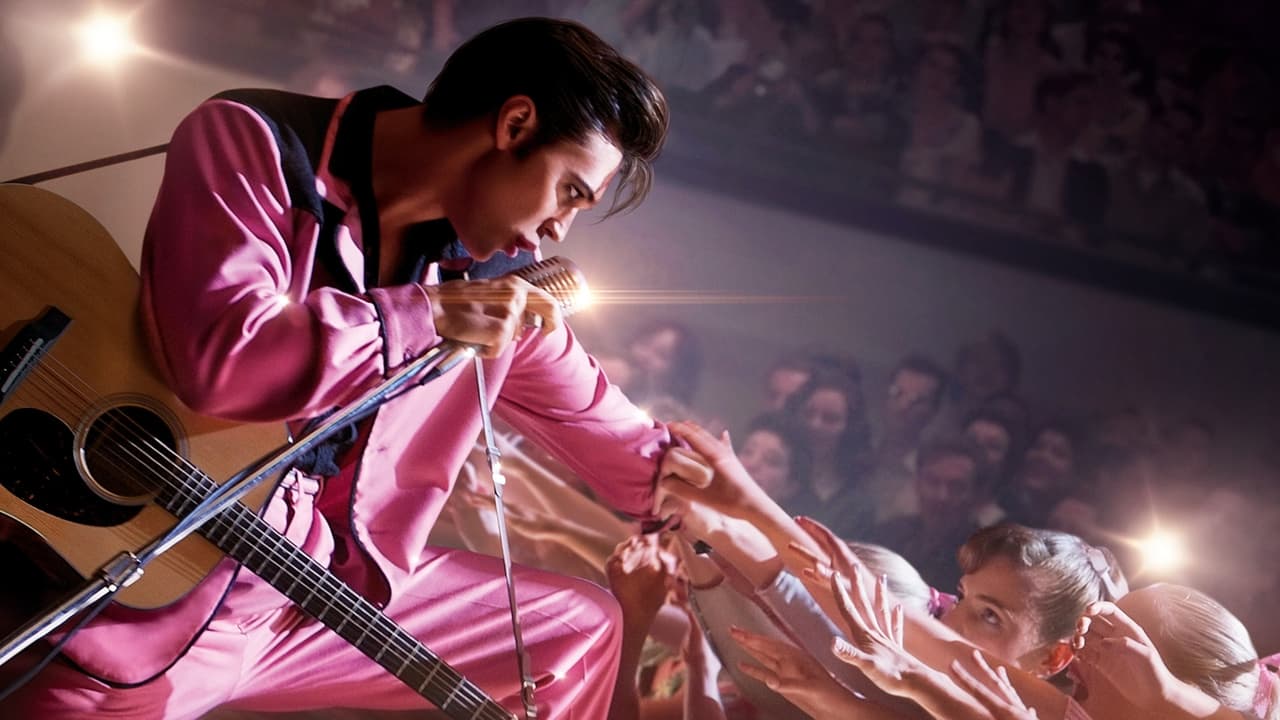
In our current era of biopics, there’s a tendency to be "Wikipedia-accurate"—dry, chronological, and ultimately boring. Baz Luhrmann, who previously gave us the neon-drenched Romeo + Juliet and the dizzying The Great Gatsby, has no interest in accuracy. He wants to show you how the music felt.
I loved the way the film integrates contemporary sounds into the 1950s landscape. Seeing Elvis walk through Beale Street while Doja Cat’s "Vegas" samples "Hound Dog" shouldn't work. It should be an anachronistic mess. Instead, it bridges the gap for a modern audience, reminding us that in 1954, this music was the cutting edge. It wasn't "oldies"; it was dangerous, fresh, and revolutionary.
The film also does a decent job—better than many previous Elvis projects—of acknowledging where this sound came from. Seeing a young Elvis peering through the slats of a tent at a Pentecostal revival or watching Kelvin Harrison, Jr. as B.B. King injects the necessary context: Elvis was a sponge for Black music and culture. While the movie leans into the "superhero origin story" vibe a bit hard, it doesn't shy away from the fact that Elvis was a product of a very specific, segregated American moment.
The Vegas Gilded Cage
The final act of the film is a descent into a very sparkly circle of hell. The International Hotel in Las Vegas becomes a recurring nightmare, a place where the King is trapped by the Colonel’s gambling debts. These scenes are sweaty, frantic, and genuinely heartbreaking. Olivia DeJonge does what she can with the role of Priscilla, but like most women in Luhrmann’s films, she’s mostly there to look concerned from the sidelines while the man spirals.
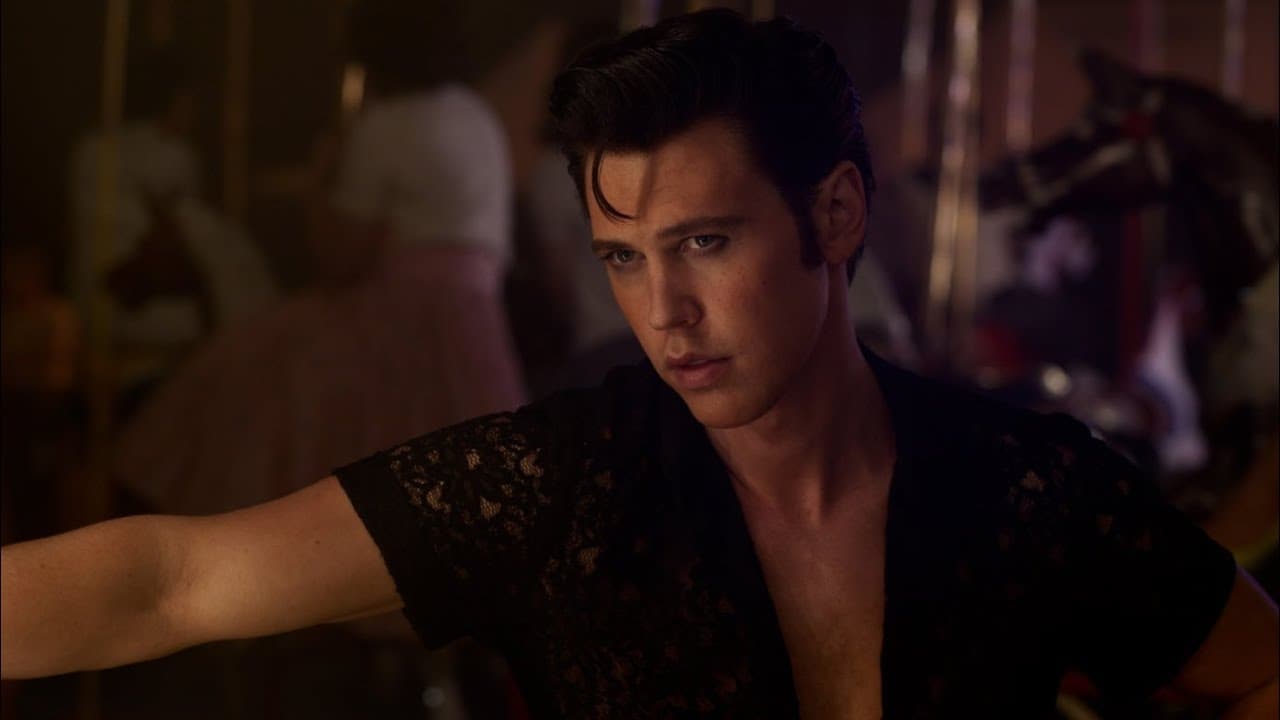
The editing in these sequences is enough to give you a migraine if you aren't prepared, but it perfectly captures the claustrophobia of superstardom. One moment you’re at the top of the world, and the next, you’re being injected with "vitamin" shots just so you can stagger onto a stage and sing "Suspicious Minds" for the 800th time. It’s a tragic, glittering downward slide that feels incredibly relevant in an era where we still watch our idols burn out in real-time on social media.
One of the coolest details I found out later was that the production had to shut down because Tom Hanks became the first major celebrity to test positive for COVID-19 back in March 2020. That event felt like the start of the "current era" of cinema, and there’s something poetic about Elvis being the film that helped welcome people back to the big screen once the dust settled.
Ultimately, Elvis succeeds because it refuses to be small. It’s a loud, flamboyant, deeply flawed, and wildly entertaining spectacle that understands its subject better than a more "grounded" film ever could. By the time the credits rolled and the real footage of a bloated, fading Elvis singing "Unchained Melody" appeared on screen, I was genuinely moved. It’s a reminder that beneath the jumpsuits and the hairspray, there was a man who just wanted to sing, caught in the gears of an industry that wanted to sell him. If you can handle the Luhrmann chaos, it’s a ride worth taking. Just maybe go easy on the theater popcorn butter.
Keep Exploring...
-
Moulin Rouge!
2001
-
The Post
2017
-
Bob Marley: One Love
2024
-

Judy
2019
-
Ip Man 4: The Finale
2019
-
Darkest Hour
2017
-
A Star Is Born
2018
-
Downton Abbey
2019
-
Rocketman
2019
-

The Great Gatsby
2013
-

Straight Outta Compton
2015
-
Australia
2008
-
Everest
2015
-

Hacksaw Ridge
2016
-

Sully
2016
-

Romeo + Juliet
1996
-
All Eyez on Me
2017
-
A Beautiful Day in the Neighborhood
2019
-
Dolemite Is My Name
2019
-

Ip Man 3
2015