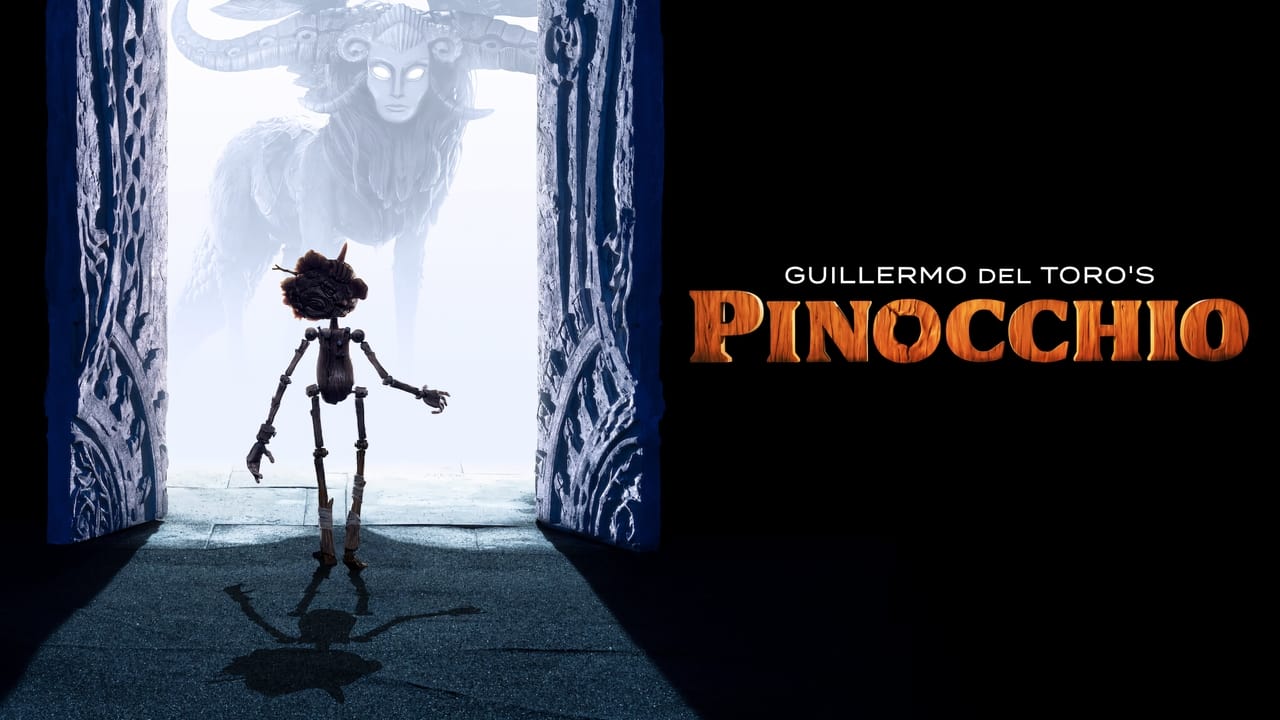
Guillermo del Toro's Pinocchio
"To be real is to be mortal."
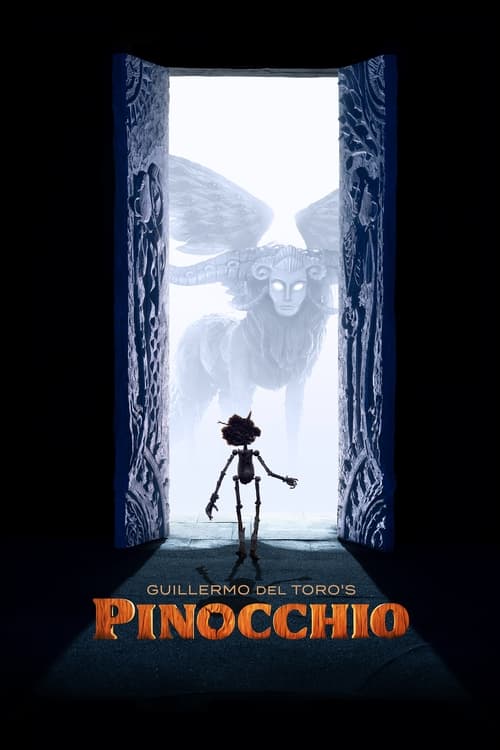
Forget the sugary-sweet strings and the "wishing upon a star" routine. When Guillermo del Toro finally got his hands on the story of the wooden boy—a project he spent fifteen years trying to get off the ground—he didn't make a fairy tale. He made a manifesto about the beauty of being broken. I watched this on my laptop while nursing a bowl of slightly burnt popcorn that tasted vaguely of charcoal, which, in a weird way, felt like the most appropriate way to consume a movie where the protagonist is literally born from a lightning-struck tree and a father’s drunken grief.
The Puppet and the Patriot
Set against the grim, graying backdrop of Mussolini’s Italy, this version of Pinocchio asks a much more uncomfortable question than its predecessors: Who is the real puppet? On one hand, you have Gregory Mann voicing Pinocchio, a chaotic, unrefined bundle of pine who refuses to follow any rules. On the other, you have an entire nation of "real" people marching in lockstep, wearing identical uniforms, and surrendering their will to a "Il Duce."
The film suggests that disobedience is actually the most human thing we can do. While the Disney version punished Pinocchio for his wanderlust, Del Toro celebrates it. In an era where we’re constantly bombarded by "franchise fatigue" and carbon-copy blockbusters, seeing a story that treats a child’s rebellion as a virtue feels incredibly timely. It’s a middle finger to the idea of the "perfect soldier" or the "perfect son," delivered via a stop-motion puppet who doesn't even have ears for half the movie.
Craftsmanship in the Age of Algorithms
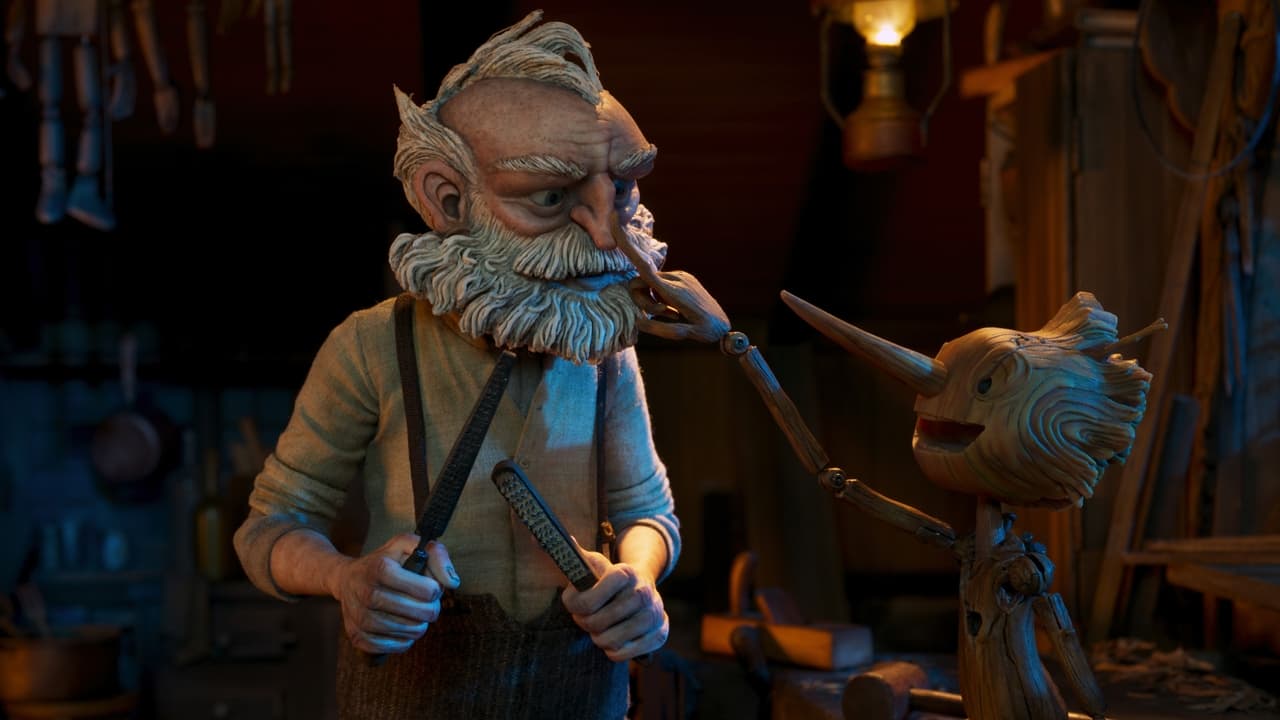
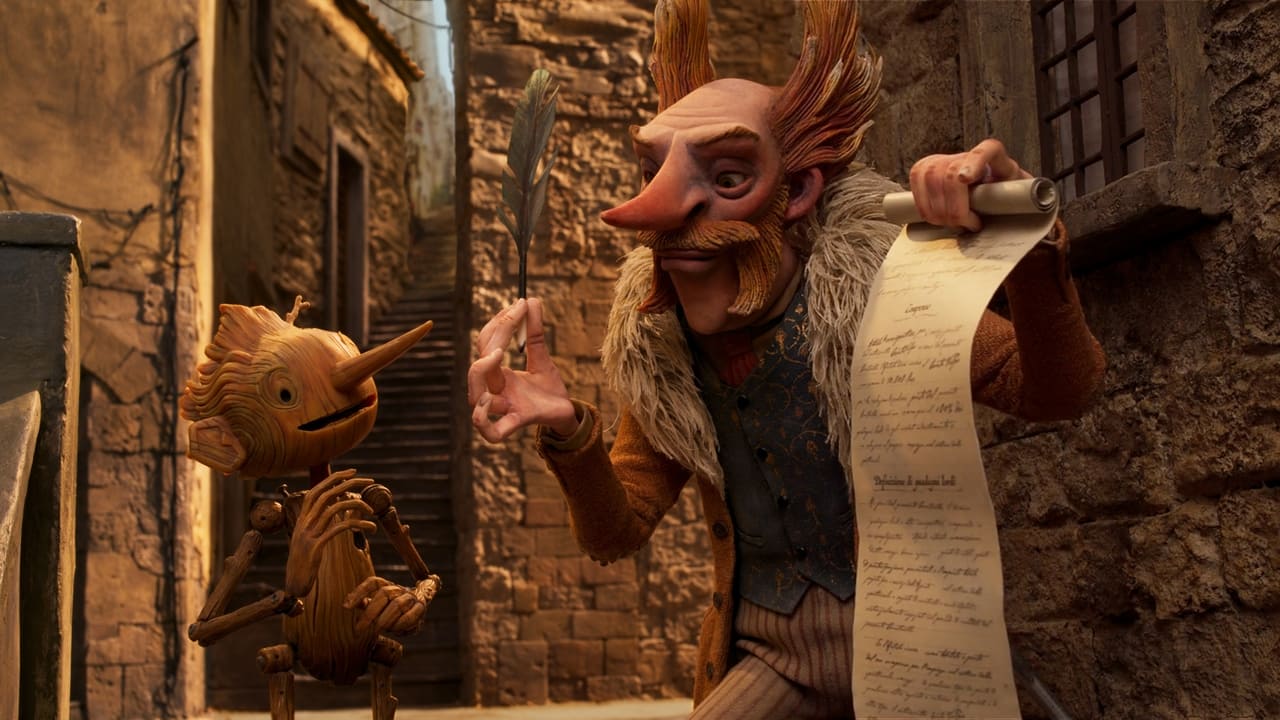
In a digital landscape where seamless CGI has become so ubiquitous it often feels weightless, the tactility here is staggering. You can practically feel the wood grain. Working alongside co-director Mark Gustafson, Del Toro utilized the wizards at ShadowMachine to create something that feels heavy and permanent. The performances are equally grounded. David Bradley (who many of us know as the crusty Filch from Harry Potter) gives a performance as Geppetto that is so raw it actually hurts to watch. Geppetto’s initial grieving process involves a liter of wine and some very questionable carpentry, and Bradley captures that desperate, messy love with every crack in his voice.
Then there’s Ewan McGregor as Sebastian J. Cricket. Instead of a moralizing conscience, he’s a pompous, struggling writer who lives in Pinocchio’s heart—literally, he moves into a hole in the wood. McGregor brings a charm that keeps the film from sinking too deep into its own melancholy. He’s also the victim of the film’s best running gag: The Cricket gets flattened so many times he should basically be a pancake by the second act.
The Prestige of the Passion Project
This film arrived in 2022 as a definitive "prestige" release for Netflix, part of that late-year push for awards glory that streaming services have mastered. It wasn't just a win for the fans; it was a win for the medium. The film swept the major awards, eventually taking home the Oscar for Best Animated Feature, which was a massive deal because Del Toro used his platform to constantly remind us that "Animation is cinema."
The behind-the-scenes journey is its own kind of drama. Del Toro pitched this to every major studio for over a decade, and they all said no because it was "too dark" or "too political." It took the deep pockets of the streaming era and the creative freedom of the post-pandemic industry to let this weird, philosophical, anti-fascist puppet show exist. Cate Blanchett notably wanted to be in the film so badly that when all the human roles were filled, she agreed to voice Spazzatura—the mistreated, screeching monkey. It’s a testament to the respect Del Toro commands that an Oscar-winner spent her time making primate noises in a recording booth.
A Mortality Worth Having
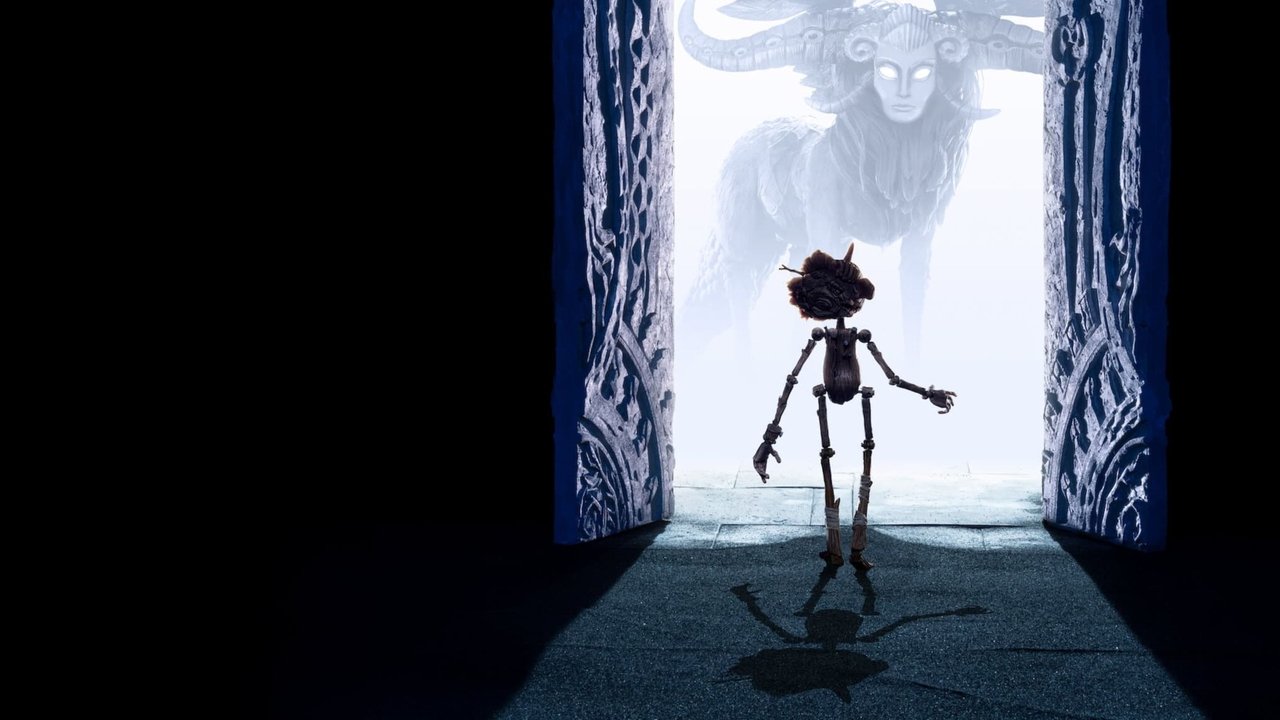
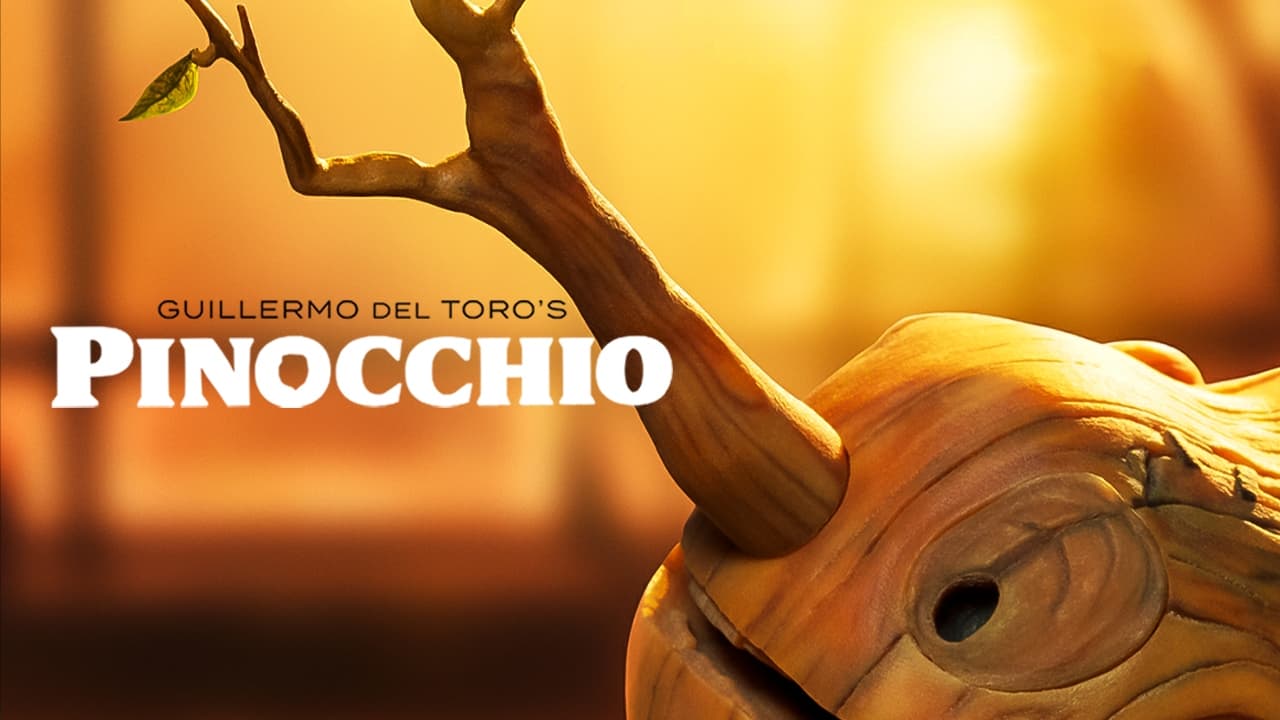
The score by Alexandre Desplat (the genius behind The Shape of Water) avoids the big, bombastic Broadway numbers in favor of something more delicate and hummable. It supports the film's most "cerebral" pivot: the idea that Pinocchio’s immortality is a curse. By introducing the character of Death (voiced by a chillingly ethereal Tilda Swinton), the film argues that life only has meaning because it ends.
This isn't just a movie for kids, though I think kids would appreciate its honesty. It’s a film for anyone who has ever felt like they didn't fit the mold their parents—or their country—carved for them. It’s a story about the messy, splinter-filled reality of love. In a world of polished, plastic entertainment, Del Toro gave us something made of wood and soul, reminding me that even in our darkest moments, there is a certain "realness" in refusing to be what others expect of us.
The film ends on a note that is both quiet and devastatingly beautiful, refusing to give us the easy "happily ever after" we’ve been conditioned to expect. It understands that being "real" isn't about the flesh on your bones, but the weight of the memories you leave behind. As I finished my charcoal-flavored popcorn, I found myself staring at the credits for a long time, thinking about my own splinters. This isn't just a remake; it’s a reclamation of a classic, proving that some stories are worth telling for fifteen years until you finally get them right.
Keep Exploring...
-
Frankenstein
2025
-
The Shape of Water
2017
-
Suzume
2022
-
The Wild Robot
2024
-
The Boy and the Beast
2015
-

My Hero Academia: Two Heroes
2018
-
How to Train Your Dragon: Homecoming
2019
-
Justice League Dark: Apokolips War
2020
-
Wolfwalkers
2020
-
Raya and the Last Dragon
2021
-
The Boy and the Heron
2023
-
Soul
2020
-
Batman vs. Robin
2015
-

My Hero Academia: Heroes Rising
2019
-
Weathering with You
2019
-
A Whisker Away
2020
-

Flow
2024
-
Finch
2021
-

Captain Fantastic
2016
-
Inside Out
2015