Kimi
"The algorithm heard everything. Now it’s talking back."
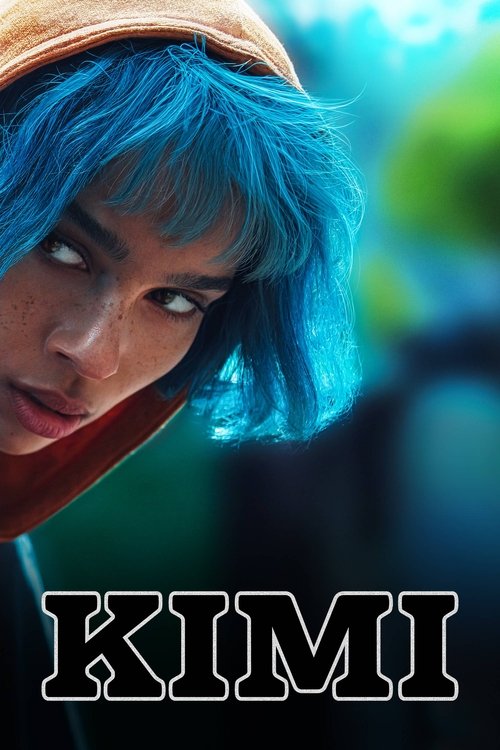
Imagine the sound of a voice muffled by a digital filter, a glitchy audio wave that shouldn't exist, and the terrifying realization that you’re the only person on the planet who knows a crime has been committed. That’s the high-wire act Steven Soderbergh sets up in Kimi, a film that feels less like a traditional Hollywood thriller and more like a panic attack caught on a high-definition sensor. I watched this while my own robot vacuum was banging rhythmically against my desk, and honestly, that mechanical "thump-thump" added a layer of domestic dread that made me want to throw my smart speaker out the window.
The Paranoia of the Smart Home
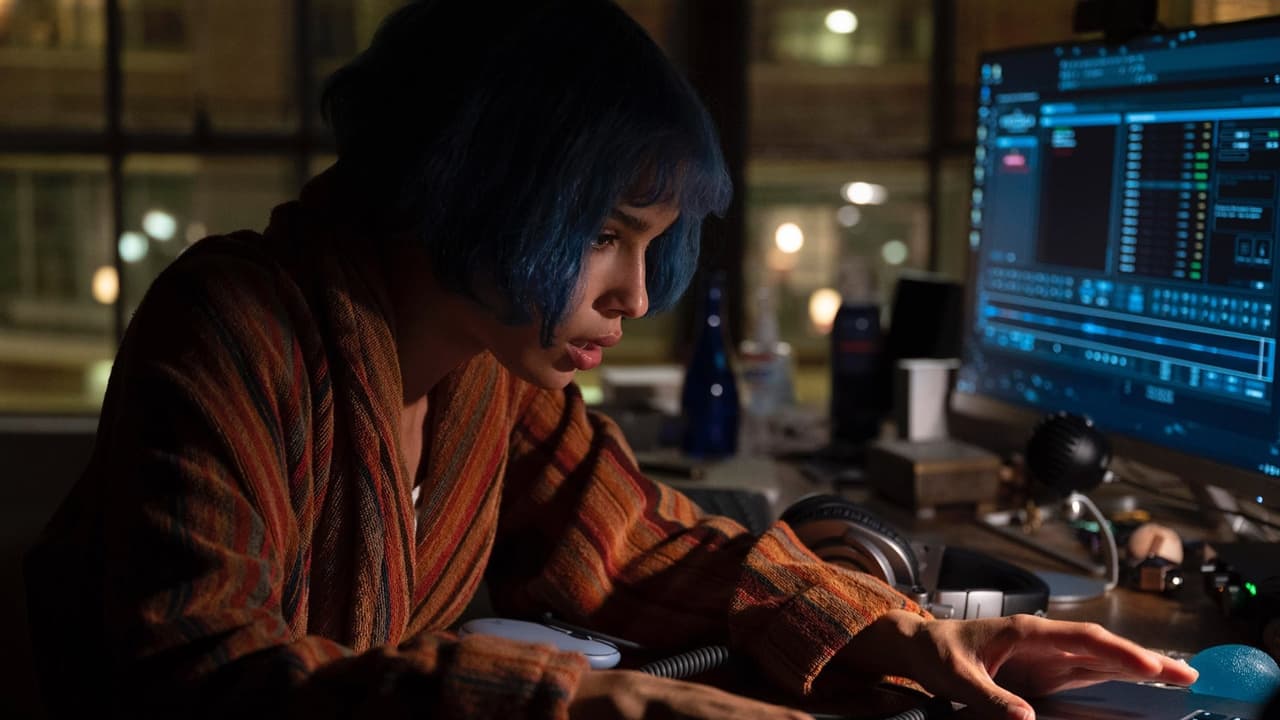
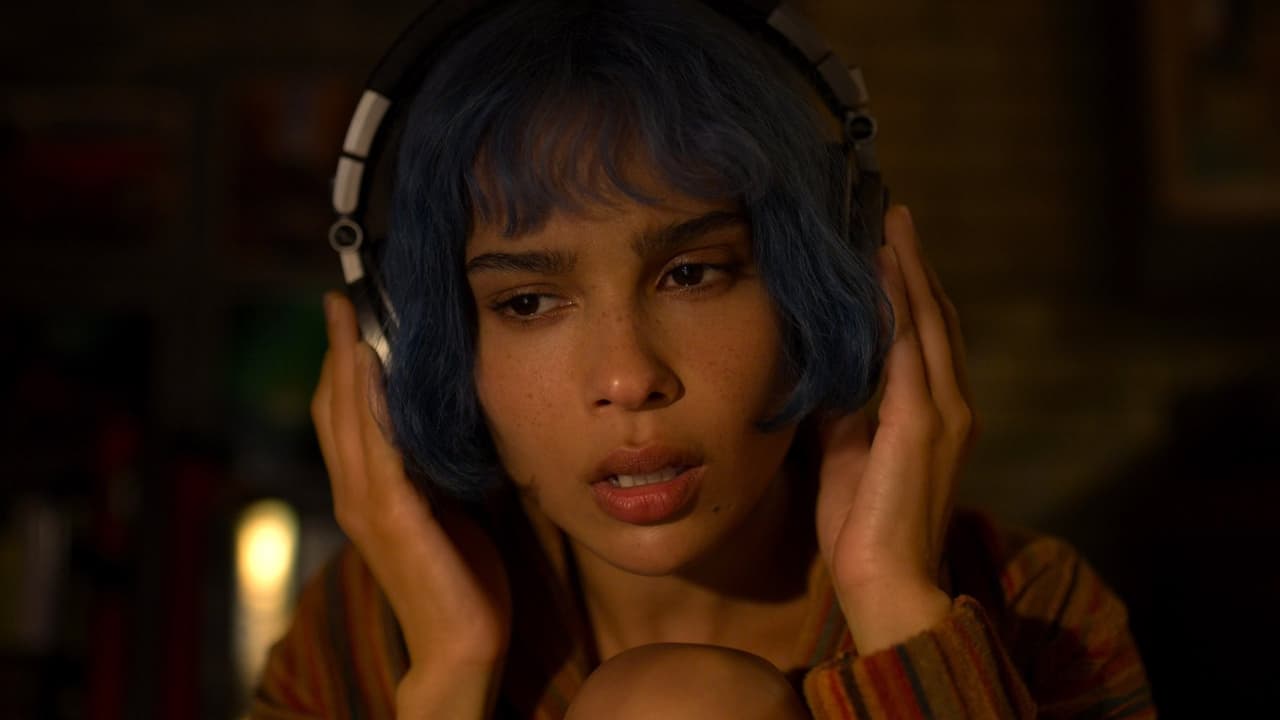
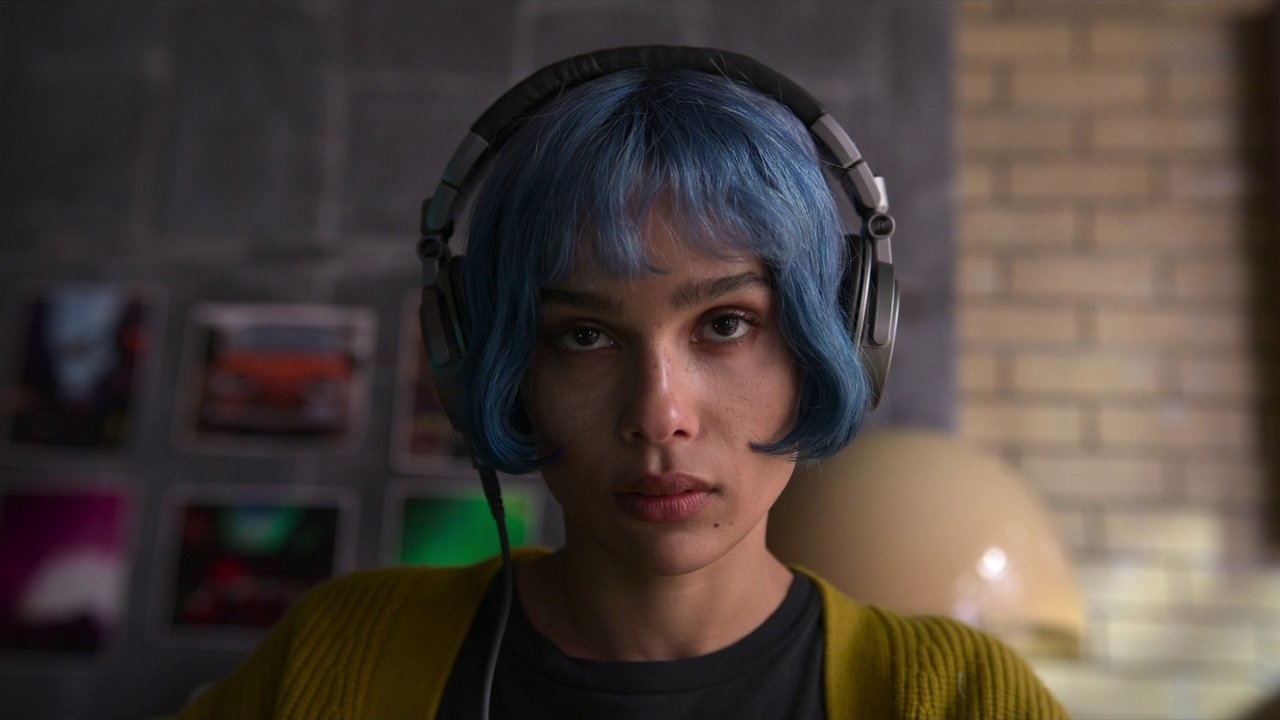
We’ve all had that moment where we mention "cat food" in a private conversation and suddenly every ad on our phone is for Friskies. Kimi takes that low-level modern anxiety and turns it into a lethal game of cat and mouse. Zoë Kravitz (who recently donned the cowl in The Batman) stars as Angela Childs, a tech worker with severe agoraphobia who spends her days scrubbing audio data for "Kimi," a fictional Siri-clone that relies on human listeners to fix its errors. Angela is our eyes and ears, trapped in a gorgeously lit Seattle loft that becomes increasingly claustrophobic as she uncovers a recording of what sounds like a violent assault.
What I love about Angela is that she isn’t a "movie" agoraphobic. She isn't just quirky; she’s functional within her own strict boundaries until the world demands she cross them. Kravitz gives a performance that is all in the eyes and the frantic, precise movements of her hands. She communicates more with a sharp intake of breath than most actors do with a three-page monologue. When she finally has to step outside to report the crime to her corporate overlords, the film shifts from a stationary character study into a frantic, wide-angle nightmare.
The Soderbergh Machine
Steven Soderbergh, the man who gave us the slick coolness of Ocean’s Eleven and the gritty realism of Traffic, is working at his most efficient here. Working from a lean script by David Koepp—the legendary screenwriter behind Jurassic Park and Panic Room—Soderbergh proves once again that he can do more with a small budget and a digital camera than most directors can do with $200 million. Apparently, the film was shot for a modest $3.5 million, which is basically the catering budget on a Marvel set.
Because it was filmed during the heart of the pandemic, the movie utilizes the "new normal" perfectly. Masks aren't a political statement here; they are just part of the landscape, adding to Angela’s sense of isolation and the general feeling that the world is a sterile, dangerous place. Soderbergh acts as his own cinematographer (under his usual pseudonym Peter Andrews) and his own editor (as Mary Ann Bernard). This allows the film to move with a singular rhythm. He makes movies like he’s running a heist, and we’re the ones getting away with the goods. The pacing is relentless, clocking in at a tight 89 minutes—a refreshing change of pace in an era where every blockbuster feels the need to push the three-hour mark.
A Modern Rear Window
While the film clearly draws inspiration from Alfred Hitchcock’s Rear Window or Brian De Palma’s Blow Out, it feels distinctly "now." It tackles the streaming era head-on, originally dropping as an HBO Max exclusive. It understands that our primary source of terror isn't a man with a knife in the bushes; it’s the data we willingly surrender to corporations every time we say, "Hey, Kimi, play some lo-fi beats."
The supporting cast, including Byron Bowers and Jaime Camil, do a great job of filling out the world, but this is the Zoë Kravitz show through and through. The climax of the film takes a turn that might feel a bit "Home Alone" for some, but I found it incredibly satisfying. It rewards the audience for paying attention to the layout of Angela’s apartment and her obsessive-compulsive routines. There’s a specific use of a staple gun that had me cheering, which is a weird thing to admit, but here we are.
If there’s a flaw, it’s that the corporate villains feel a bit like cardboard cutouts compared to the rich, interior life of our protagonist. Derek DelGaudio is effectively creepy as the tech CEO, but the conspiracy itself is standard-issue "greedy rich guys." However, in a thriller this fast, you don't need the villains to be Shakespearean; you just need them to be a credible threat to the person you're rooting for.
Kimi is a sharp, jagged little pill of a movie. It doesn't overstay its welcome, it doesn't try to explain the "meaning of life," and it features a lead performance that anchors every frame. It’s the kind of mid-budget adult thriller that used to fill theaters in the 90s but has now found a comfortable, if slightly nerve-wracking, home on our television screens. Just maybe turn your Alexa off before you hit play.
You won't walk away from this feeling like you've seen a life-changing epic, and that’s perfectly fine. Sometimes you just want a movie that knows exactly what it is and executes that vision with surgical precision. It’s a reminder that while the tech around us is constantly evolving, the basic human fear of being seen—and the moral courage required to see others—remains the same.
***
Keep Exploring...
-
Black Bag
2025
-
Unsane
2018
-

Crooked House
2017
-
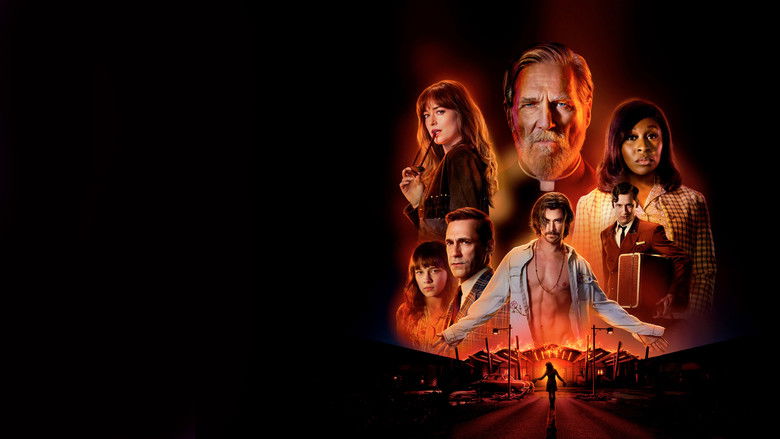
Bad Times at the El Royale
2018
-
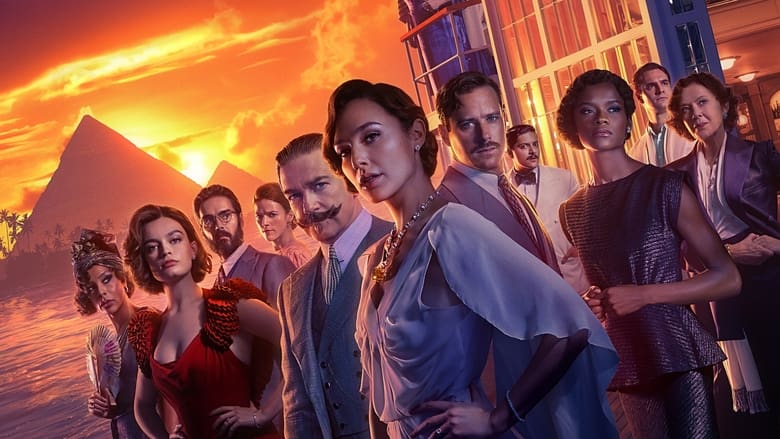
Death on the Nile
2022
-
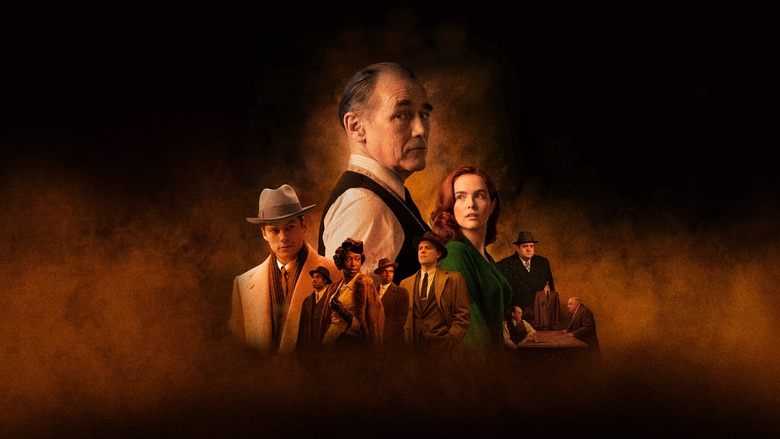
The Outfit
2022
-
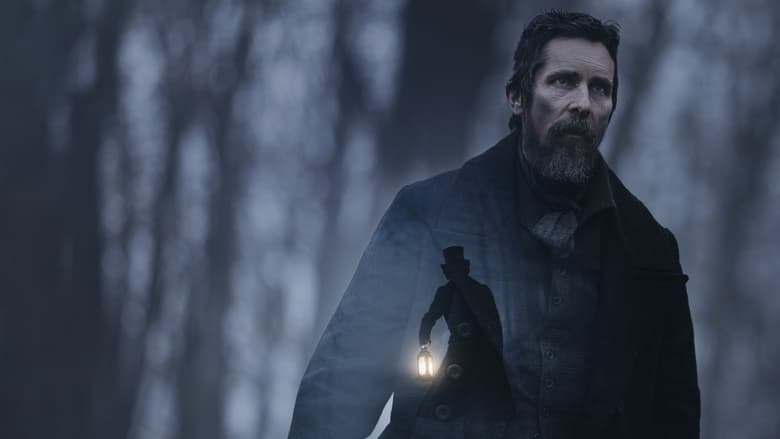
The Pale Blue Eye
2022
-
Luther: The Fallen Sun
2023
-

Reptile
2023
-
Longlegs
2024
-
Now You See Me: Now You Don't
2025
-

The Accountant²
2025
-
Emily the Criminal
2022
-

Woman of the Hour
2024
-
The Girl in the Fog
2017
-
Everybody Knows
2018
-
A Haunting in Venice
2023
-

Traffic
2000
-
Logan Lucky
2017
-
The Killing of a Sacred Deer
2017