Lightyear
"The hero who launched a thousand toy chests."
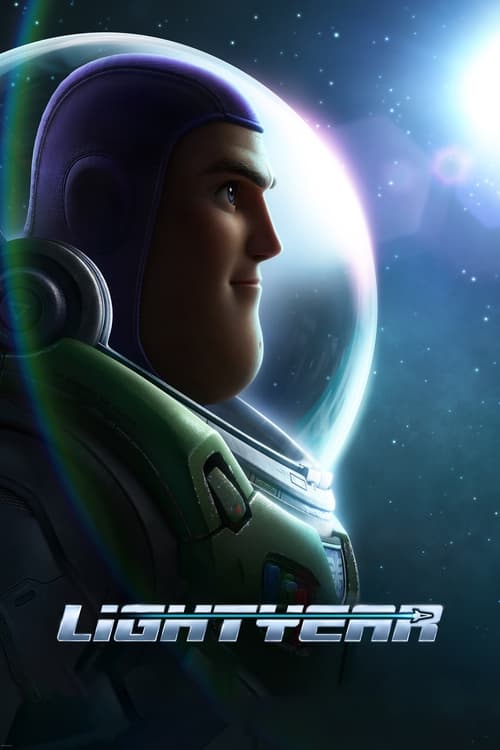
Imagine being a seven-year-old in 1995, clutching a bucket of buttery popcorn, and seeing a hyper-realistic, emotionally bruising sci-fi epic about the crushing weight of failure and the relativistic effects of near-light-speed travel. That is the premise Pixar handed us with Lightyear: this is the movie that made Andy fall in love with the Space Ranger. Except, let’s be honest—if Andy saw this in the mid-90s, he wouldn’t have asked for a toy; he would have asked for a therapist and a physics textbook.
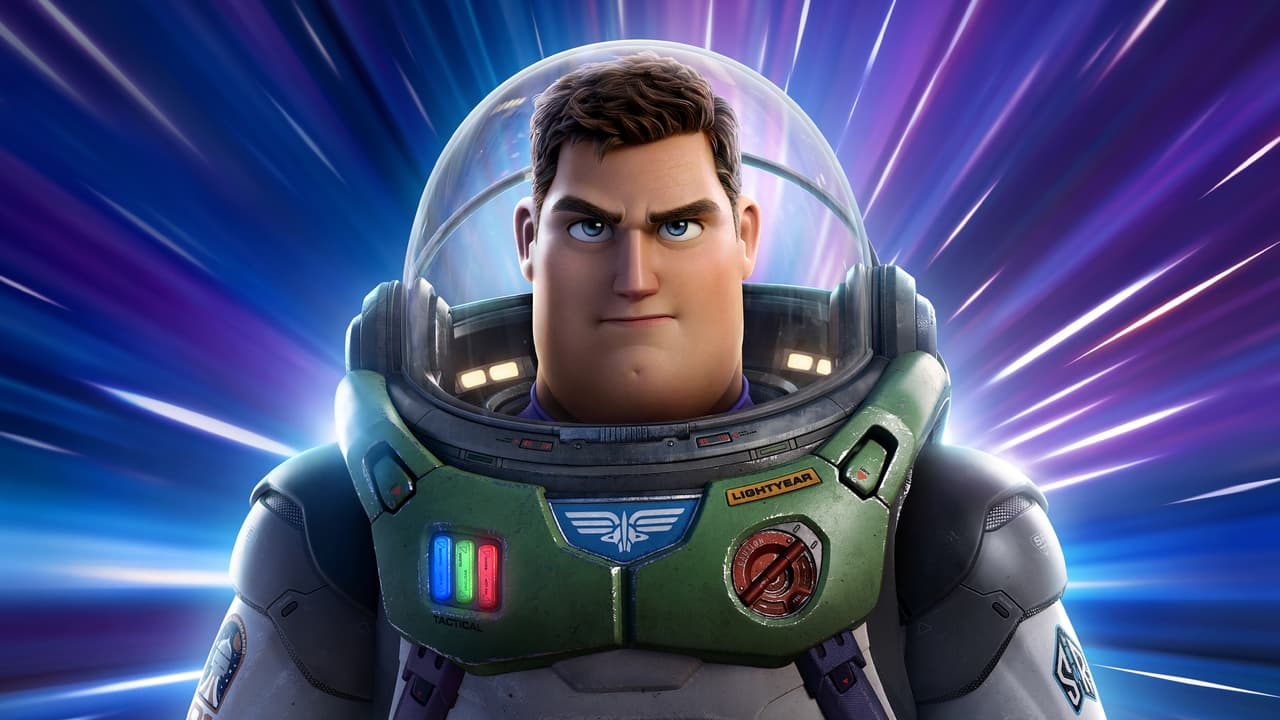
I watched this on a Sunday afternoon while my cat, Barnaby, spent ten minutes trying to hunt a particularly stubborn dust mote, and honestly, Barnaby had more successful mission-parameters than Buzz did in the first act. It’s a strange, beautiful, and deeply conflicted movie that feels like it’s trying to exist in three different decades at once.
Relativistic Stakes and Toy Chest Origins
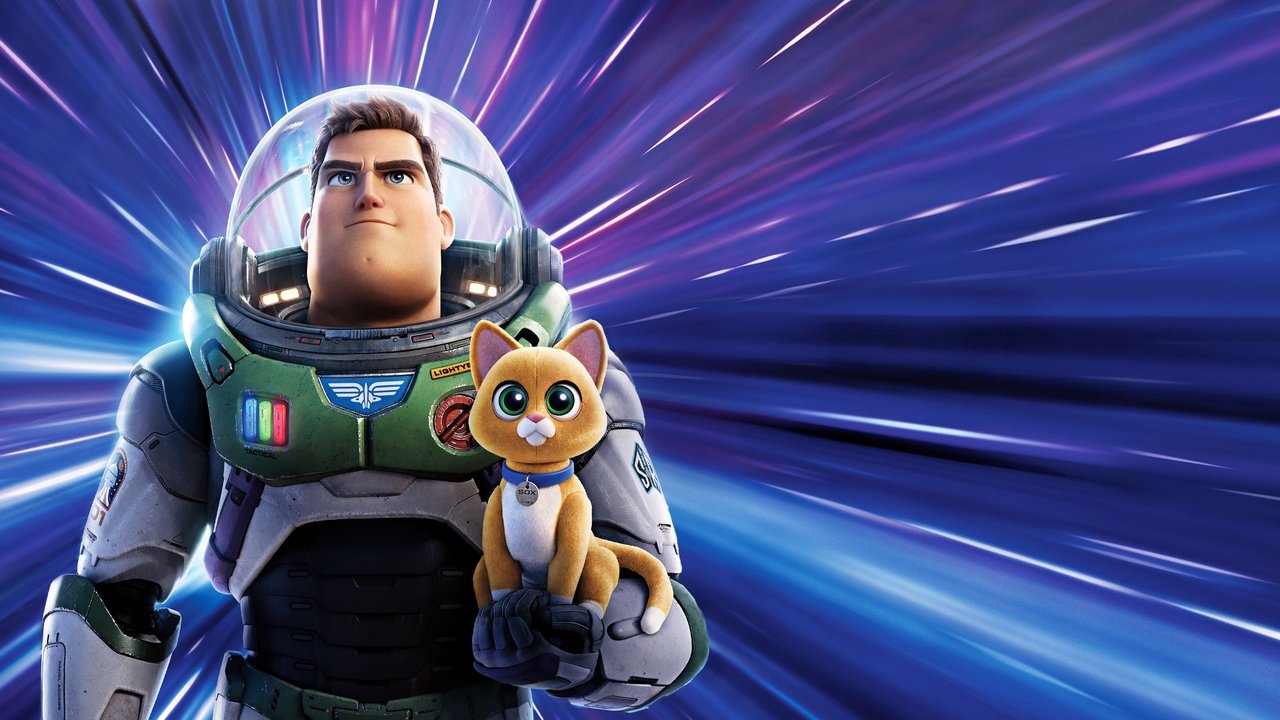
Directed by Angus MacLane (who co-directed Finding Dory), Lightyear departs from the Toy Story playland to give us "hard" science fiction. We follow Buzz—voiced here by Chris Evans—as he accidentally strands his massive crew on a hostile planet. His penance is a series of test flights to achieve hyperspeed, but there’s a catch: every four-minute flight he takes results in four years passing for everyone else on the ground.
This is where the movie shines. It captures that "NASA-punk" aesthetic—lots of chunky buttons, heavy flight suits, and a world that feels "lived-in" rather than "rendered." The score by Michael Giacchino (The Batman, Up) swells with the kind of heroic brass that makes you want to salute a flag you don't even belong to. But there's a heavy melancholy here. Buzz watches his best friend, Alisha Hawthorne (Uzo Aduba), live a full, happy life while he remains obsessed with "fixing" his mistake. It’s a surprisingly mature look at how perfectionism can be a prison, even if that prison has a cool spaceship.
The Sox Factor and the Evans Evolution
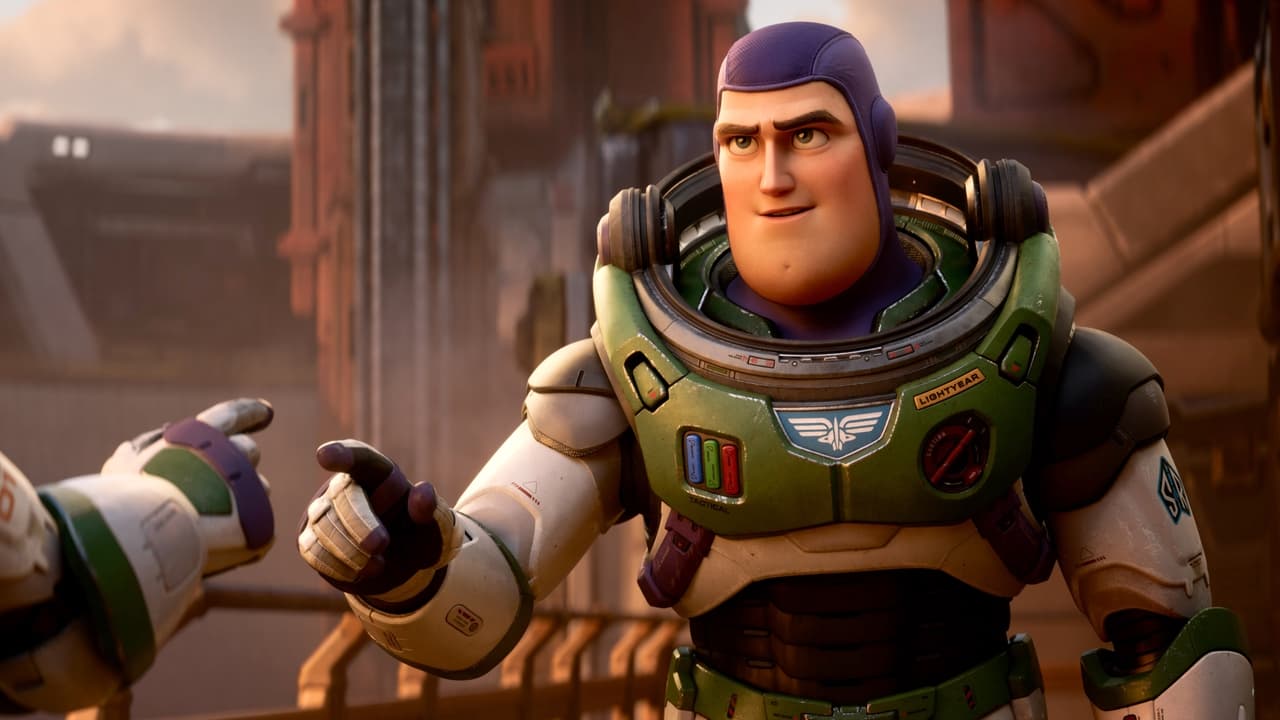
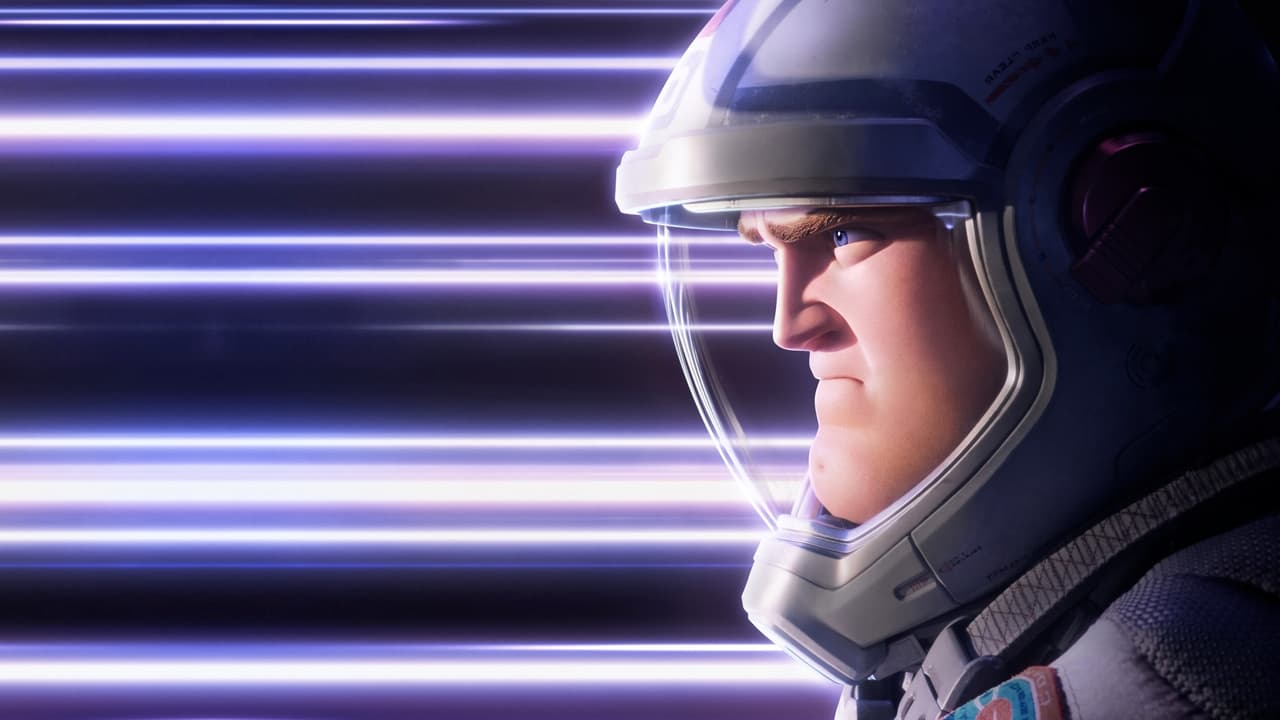
The biggest hurdle for many was the voice. Tim Allen’s Buzz was a delusional toy who thought he was a hero; Chris Evans is playing the hero who happens to be a bit of a literal-minded dud. Evans brings a "Captain America" earnestness that works, but the movie really belongs to the supporting cast. Keke Palmer is fantastic as Izzy Hawthorne, bringing a frantic, infectious energy that keeps the middle act from sagging into the mud.
However, the undisputed MVP is Sox, a robotic therapy cat voiced by Peter Sohn. In an era of cynical sidekicks, Sox is a masterclass in comedic timing and "cute but capable" design. Whether he’s making "white noise" to help Buzz sleep or calculating complex hyperdrive equations, Sox provides the soul that the movie occasionally loses when it gets too bogged down in its own lore. Taika Waititi and Dale Soules round out a "ragtag" squad of recruits, though their bumbling antics sometimes feel like they’re from a much broader, sillier movie than the one Chris Evans is starring in. The movie’s internal logic is a bit like a LEGO set missing the instructions; you can see how the pieces should fit, but the final build feels slightly wobbly.
A Space Ranger in the Age of Franchise Fatigue
Released in 2022, Lightyear faced a steep climb. It was Pixar’s first theatrical return after the pandemic-era streaming releases of Soul, Luca, and Turning Red. There was a massive amount of "discourse" involving the casting and a brief, blink-and-you’ll-miss-it moment of representation that became a lightning rod for social media debates. But looking back on it now, the real struggle was franchise fatigue. Audiences weren't sure if they wanted a gritty reboot of a toy. Lightyear is basically Interstellar for people who still use a nightlight.
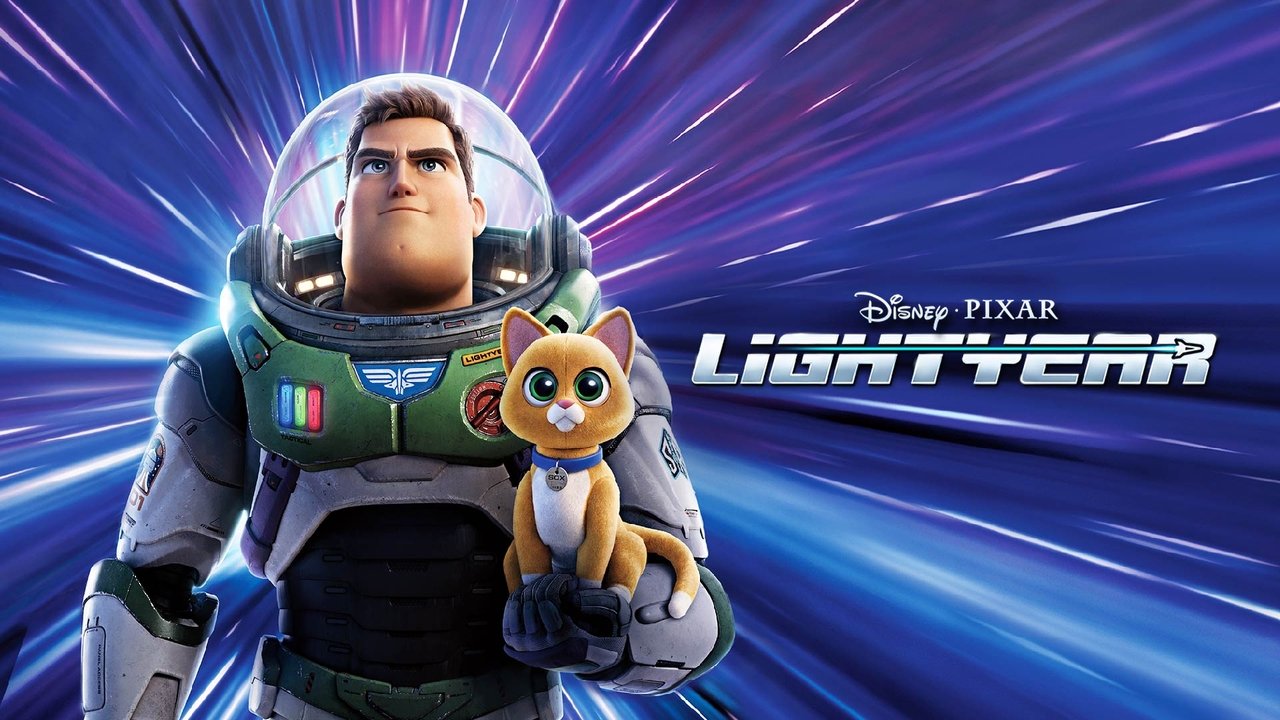
Interestingly, the film is already finding its legs as a minor cult favorite among sci-fi nerds. People are obsessively cataloging the background details—like the fact that the "IVAN" autopilot system stands for "Internal Virgin Air Navigation," or how the design of Zurg (James Brolin) pays homage to classic Japanese mecha. The production team actually visited NASA’s Johnson Space Center to study "solid-surface" modeling, which is why the tech feels so tactile. There’s a devoted group of fans who argue that the "Zurg twist" (which I won't spoil, but it’s a doozy) is a brilliant subversion of hero worship, even if mainstream audiences found it confusing.
At its heart, Lightyear is a gorgeous experiment. It’s Pixar trying to make a 70s-style space adventure with 21st-century tech. It doesn't always land the triple-axel, and it lacks the effortless magic of the original Toy Story trilogy, but it’s a fascinating artifact of a studio trying to evolve its biggest IP. It’s a movie about a man out of time, which is fitting, because Lightyear itself feels like it’s still waiting for its "right" moment to be appreciated.
In the grand hierarchy of Pixar, this lands somewhere in the middle—technically flawless but emotionally a bit distant. It’s a bold swing into "hard" sci-fi that prioritizes atmosphere over the usual heart-string-tugging we expect from the studio. While it might not have conquered the box office, there is a specific kind of magic in seeing Buzz Lightyear finally take flight in a world that feels as big as his legend. If you can get past the "why does this exist?" question, there’s a genuinely thrilling adventure waiting at the edge of the galaxy.
Keep Exploring...
-
Space Jam: A New Legacy
2021
-
Onward
2020
-

Luca
2021
-
DC League of Super-Pets
2022
-

Minions: The Rise of Gru
2022
-
Strange World
2022
-
Ice Age: Collision Course
2016
-
Cars 3
2017
-
Ferdinand
2017
-
Abominable
2019
-
Spies in Disguise
2019
-
The SpongeBob Movie: Sponge on the Run
2020
-
Trolls World Tour
2020
-
Raya and the Last Dragon
2021
-

The Boss Baby: Family Business
2021
-

Hotel Transylvania: Transformania
2022
-
The Good Dinosaur
2015
-
Toy Story of Terror!
2013
-
The Lego Movie 2: The Second Part
2019
-
Home
2015