Luckiest Girl Alive
"Some secrets are too sharp to swallow."
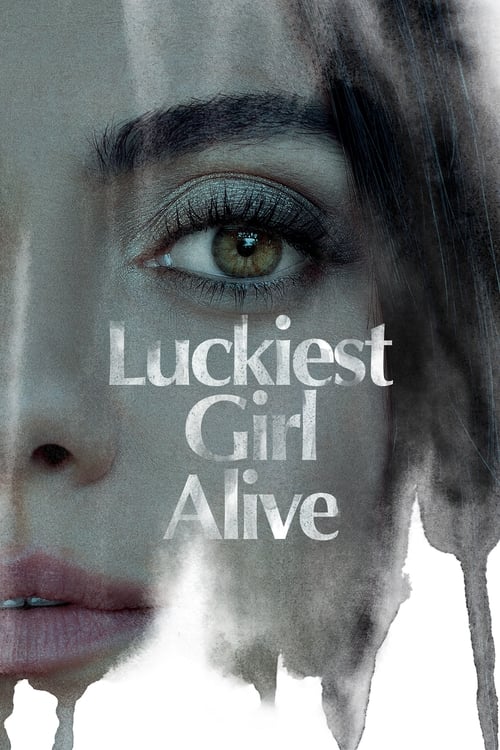
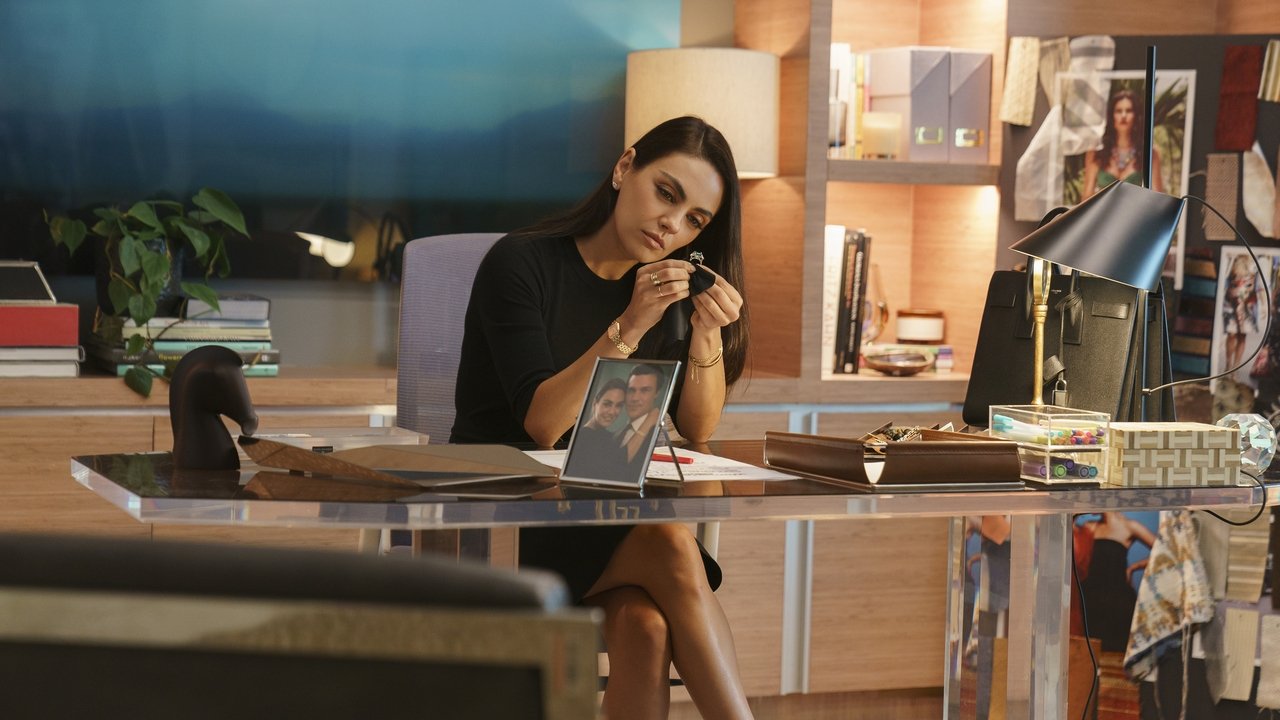
The opening frames of Luckiest Girl Alive involve a very expensive knife, a very expensive engagement ring, and a very vivid fantasy of blood splatter. It’s the kind of high-gloss, "prestige trash" aesthetic that Netflix has spent the last five years perfecting, but beneath the shimmering surface of Ani Fanelli’s curated Manhattan life lies something significantly more jagged. I watched this on a Tuesday evening while nursing a lukewarm peppermint tea and eating a protein bar that tasted like chalky cardboard—the exact kind of joyless "wellness" snack I imagine Ani would force herself to enjoy to maintain her sample-size waistline.

Ani, played with a serrated edge by Mila Kunis, is a woman who has weaponized her own identity. She’s an editor at The New York Times Magazine (a pivot from the book’s Cosmo-esque Women's Bible), she’s about to marry a human polo mallet named Luke (Finn Wittrock, doing his best "I have a hedge fund and no soul" performance), and she’s one promotion away from the life she’s clawed for. But then a documentary filmmaker comes knocking, wanting to talk about the "incident" at her prestigious private school twenty years ago.
The Armor of the Unreliable Narrator
The film leans heavily into the post-Gone Girl tradition of the "difficult woman" with a biting internal monologue. Mila Kunis—who I’ve always felt was underutilized in serious roles since her turn in Black Swan—delivers a performance that is essentially one long, controlled panic attack. Her voice-over is cynical, cruel, and deeply defensive. She tells us exactly what she’s doing: she’s playing a character. She’s the human equivalent of a PowerPoint presentation on "How to Seem Normal While Screaming Inside."
This is where the contemporary context of the film feels most pointed. Released in the wake of the #MeToo movement and the ongoing cultural autopsy of the "Girlboss" era, Luckiest Girl Alive is obsessed with the cost of survival. It asks what a woman has to prune away from herself to fit into the rooms where the power is kept. Ani isn’t particularly "likable" in the traditional sense, but in an era where we’re finally allowing female protagonists to be messily traumatized and morally gray, she’s fascinating.
Flashbacks That Actually Sting

While Mila Kunis holds down the present-day fort, the heavy lifting of the emotional trauma falls to Chiara Aurelia, who plays young Ani (then Tifani). Chiara Aurelia, who was so fantastic in the teen mystery series Cruel Summer, has a vulnerability that makes the film’s darker turns genuinely difficult to watch. The movie doesn't shy away from the horrific—specifically a gang rape and a school shooting—and while some might find the juxtaposition of these two traumas "too much" for one narrative, the screenplay by Jessica Knoll (adapting her own semi-autographical novel) handles it with a raw, angry intimacy.
Director Mike Barker, known for his work on The Handmaid’s Tale, brings a similar sense of suffocating dread to the flashback sequences. The cinematography by Colin Watkinson contrasts the warm, nauseatingly golden hues of Ani’s current "perfect" life with the grainy, shaky reality of her past. It’s an effective visual shorthand for the dissociation Ani feels. The movie treats trauma not as a plot point, but as a ghost that hasn't realized the house was remodeled.
The Streaming Era's Sharpest Edge
As a product of the Netflix machine, Luckiest Girl Alive occupies a strange space. It has the DNA of a beach-read thriller but the heart of a grim social drama. Sometimes those two halves fight each other. The subplot involving the documentary filmmaker can feel a bit like a clunky narrative device to force a confession, and Finn Wittrock’s character is so one-dimensionally "privileged guy" that you wonder why Ani would spend five minutes with him, let alone a lifetime.
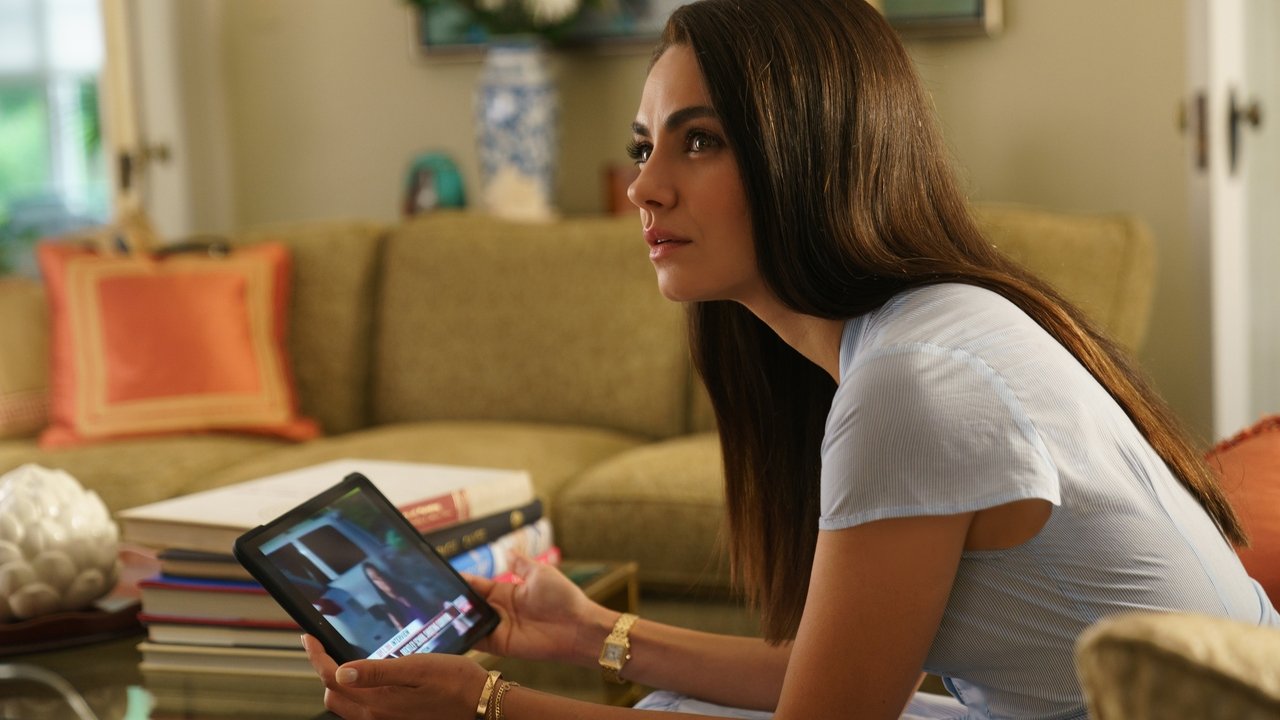
However, the film succeeds because it understands the specific pressure of the 2020s—the need to have a "take" on your own tragedy. Ani is pressured to be a "hero" or a "victim," but she just wants to be successful. The climax of the film departs from the book in a way that feels very "now"—it’s about the democratization of the truth through digital media and the reclamation of a narrative. It’s a movie that knows its audience has spent the last decade watching real-world reckonings play out in 280 characters or less.
There’s a cameo by Connie Britton as Ani’s mother, Dina, which provides a brief, horrifying glimpse into why Ani is the way she is. Connie Britton plays a woman who is essentially a sentient glass of Chardonnay and a "Live, Laugh, Love" sign, and her scenes are some of the most uncomfortable in the film. It highlights the generational gap in how we process pain; Dina wants to "move on," while Ani is drowning in the "moving on."
Ultimately, Luckiest Girl Alive is a solid, upper-middle-tier drama that benefits immensely from its lead performances. It isn’t an easy watch, and it occasionally trips over its own ambition to be "about everything," but as an exploration of how we mask our scars with expensive concealer, it’s remarkably effective. It’s a film that earns its cynicism and, surprisingly, its ending. If you’re in the mood for a thriller that actually has something to say about the current cultural climate—and you don't mind feeling a bit hollowed out afterward—it’s well worth the 113 minutes. Just maybe skip the chalky protein bar.
Keep Exploring...
-
Deep Water
2022
-
The Discovery
2017
-
Greta
2019
-
The Vast of Night
2019
-

The Lodge
2020
-

No Exit
2022
-
The Outfit
2022
-
Missing
2023
-

Reptile
2023
-

Black Bag
2025
-
Thelma
2017
-
Mirage
2018
-

The Professor and the Madman
2019
-
Rebecca
2020
-

Black Box
2021
-

Dark Places
2015
-

Personal Shopper
2016
-
Suburbicon
2017
-
Bad Times at the El Royale
2018
-
A Fall from Grace
2020