Mr. Harrigan's Phone
"Dead air has a brand new meaning."
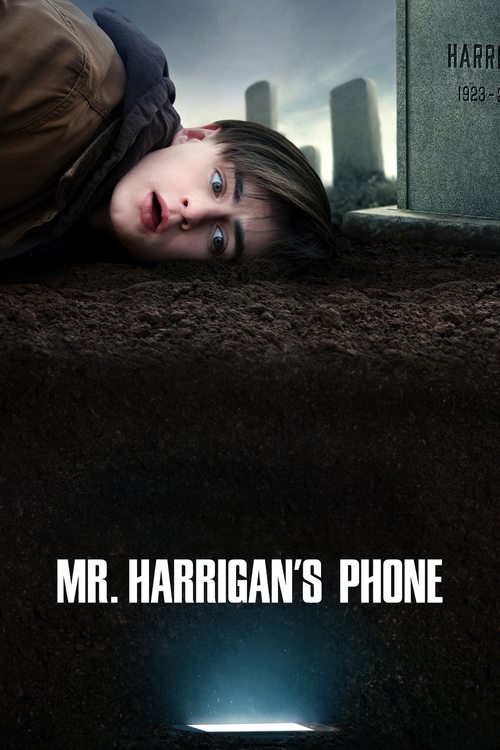
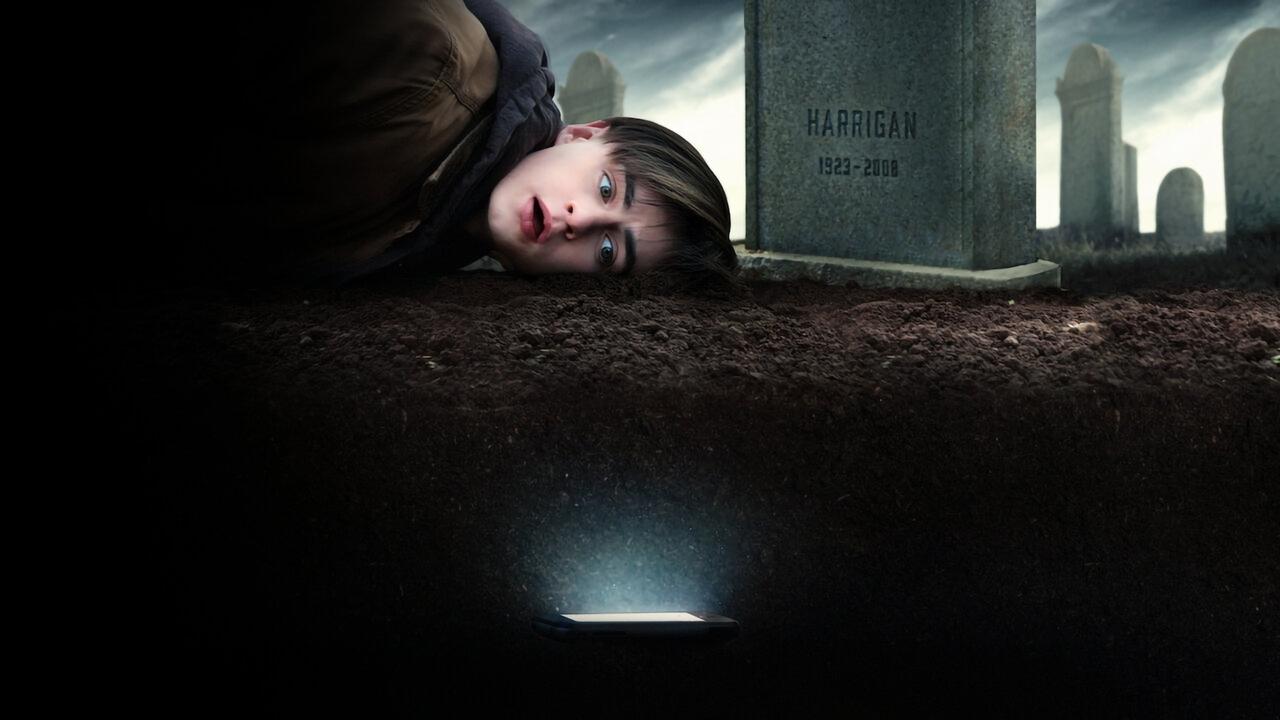
The first time I saw an iPhone, I thought it was a prop from a sci-fi movie. There was something almost alien about that smooth, black slab of glass—a monolith that promised to hold the entire world in our pockets. In John Lee Hancock’s Mr. Harrigan’s Phone, that same piece of technology becomes a gravestone. It’s a 2022 release that feels like it was whispered into the Netflix catalog and then immediately buried under a mountain of true crime documentaries and reality dating shows. It’s a quiet, literary sort of ghost story that asks a very contemporary question: if you could text the dead, would you really want them to text back?
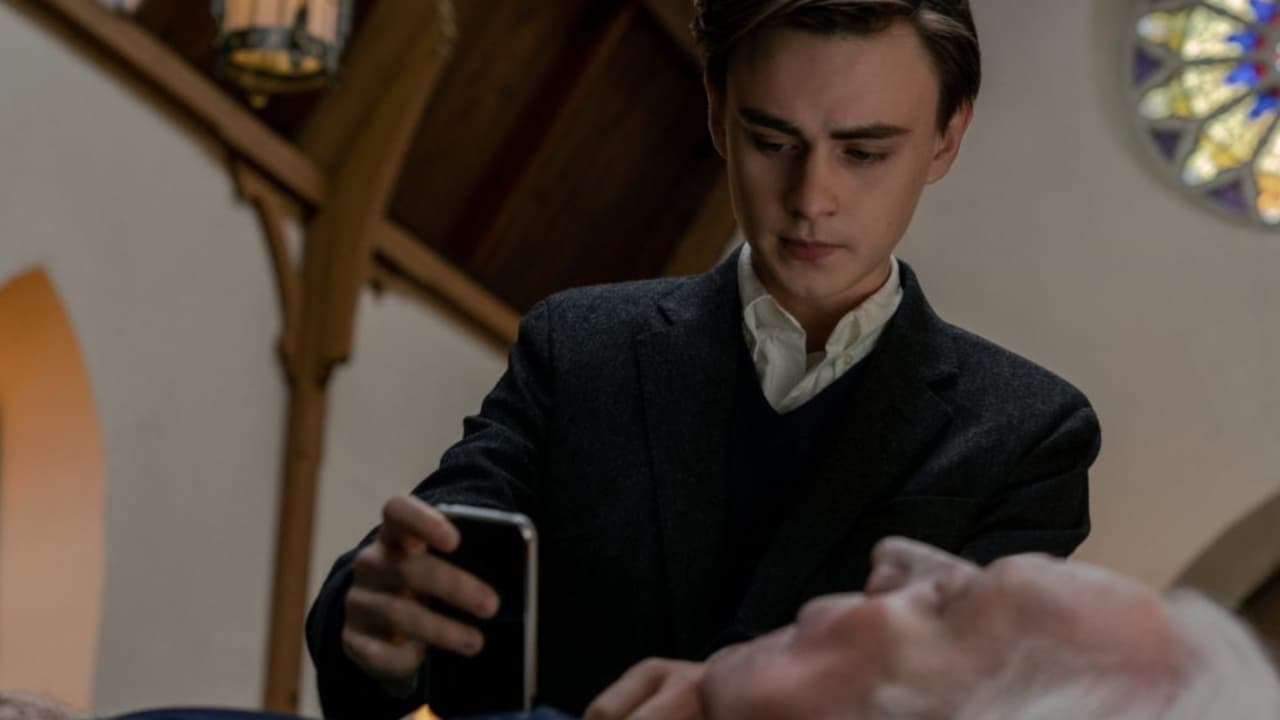
I watched this on a Tuesday afternoon while my neighbor was power-washing his driveway, and the constant hum of the water outside actually synced up weirdly well with the film's low-frequency dread. It’s not the kind of horror movie that wants to make you spill your popcorn; it’s the kind that wants to make you feel a little colder in your own living room.
The Billionaire and the Bibliophile
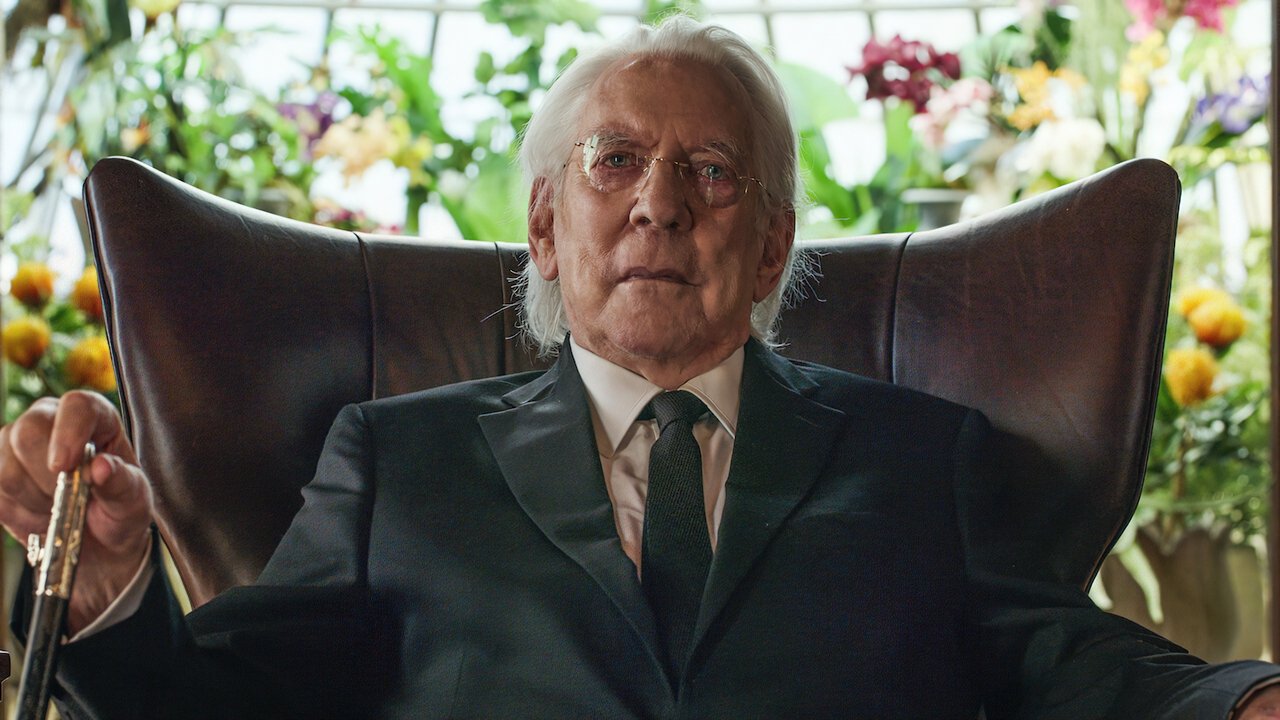
The story follows Craig (played by Jaeden Martell, who has cornered the market on "soulful, slightly traumatized teenager" after his turns in It and Knives Out). Craig is hired by the reclusive, aging billionaire Mr. Harrigan (Donald Sutherland) to read to him. They bond over the classics—Thoreau, Dickens, and the like—forming a bridge between a man who has seen everything and a boy who is just starting to look. Eventually, Craig buys Harrigan an iPhone, dragging the old man into the 21st century.
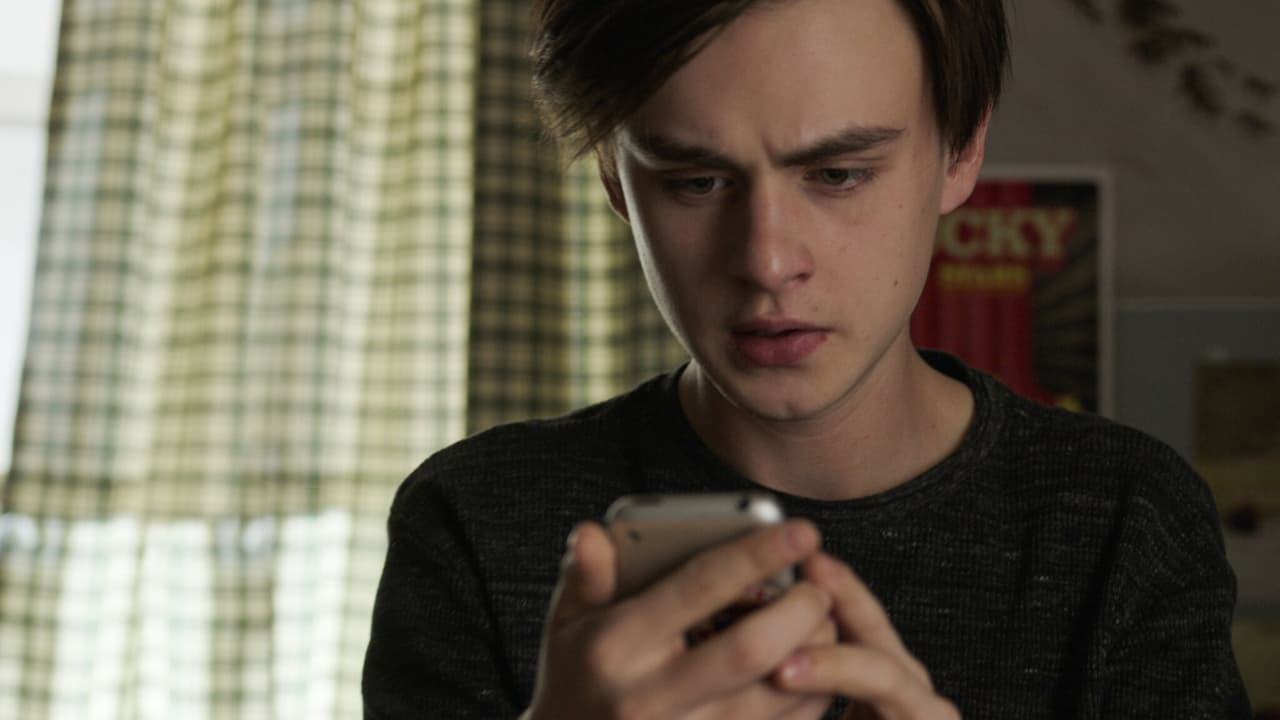
When Harrigan inevitably passes away, Craig slips the phone into the old man's suit pocket before the casket is closed. It’s a sentimental gesture, a way to keep a piece of his mentor close. But when Craig sends a text to the dead man’s number in a moment of grief-fueled desperation, he gets a reply. It’s basically "The Twilight Zone" stretched into a feature-length cashmere sweater. The film spends a lot of time on the relationship between the two leads, and honestly, Donald Sutherland’s voice could make a grocery list sound like a funeral oration. His performance is the anchor here; he’s intimidating yet fragile, a relic of a pre-digital age trying to understand a world that’s moving too fast.
The Ghost in the Machine
The horror here is subtle—perhaps too subtle for audiences used to the jump-scare-a-minute pace of modern Blumhouse productions. Since this was produced by Ryan Murphy Television and Blumhouse, you might expect something garish or hyper-violent. Instead, John Lee Hancock (who also directed The Blind Side and Saving Mr. Banks) leans into a somber, autumnal atmosphere. The terror isn't a monster under the bed; it's the realization that Craig’s vengeful thoughts are being acted upon by something on the other end of that cellular signal.
When Craig complains to the "dead" Harrigan about a school bully or a tragic accident, things start to happen. Dark things. The film captures that specific "streaming era" aesthetic—crisp cinematography by John Schwartzman, a muted color palette of grays and deep blues, and a pacing that feels more like a prestige miniseries than a theatrical feature. It’s a "Netflix Original" in the truest sense; it’s comfortable, high-quality, but it has the narrative urgency of a slow-loading webpage.
I found myself fascinated by how the film treats the iPhone itself. In 2022, we are all tethered to these devices, but the movie looks back at the early versions of the tech with a sense of "techno-paganism." The phone is a ritual object, a way to communicate with an unseen realm. It reflects our current cultural anxiety about how much of ourselves we leave behind in the digital "cloud."
Why This One Slipped Away
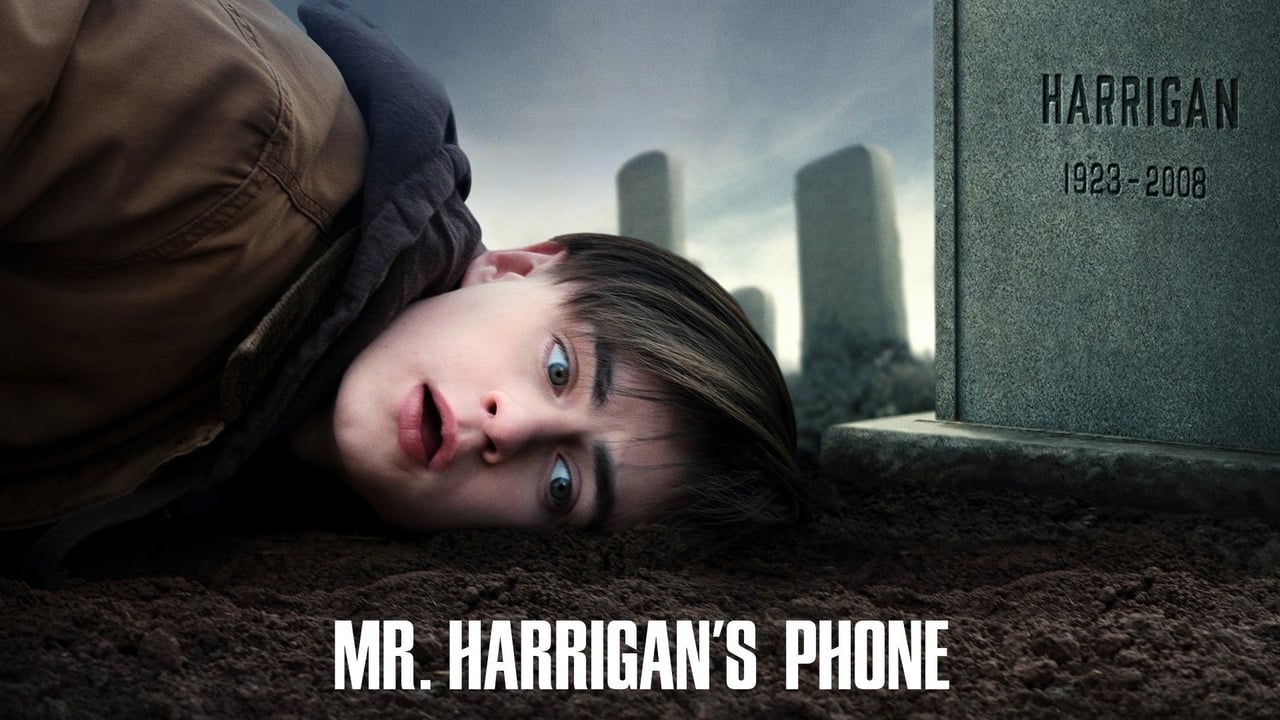
So why did Mr. Harrigan's Phone disappear so quickly? For one, it’s based on a short story by Stephen King from his collection If It Bleeds. King adaptations are currently a dime a dozen on streaming platforms, and this one lacks the iconic "hook" of a killer clown or a telekinetic prom queen. It’s a "tweener"—too slow for the horror buffs and a bit too "genre" for the hardcore drama crowd.
Interestingly, the production had to navigate the tail end of pandemic-era filming protocols, which might contribute to its somewhat isolated, lonely feel. There are very few "crowd" scenes; most of the movie is just two people talking in a library. Apparently, Stephen King himself was a huge fan of the finished product, praising its restraint, but in the social media-driven landscape of 2022, "restraint" doesn't usually trend on X (then Twitter). It’s a shame, because the film offers a really interesting look at mentorship and the corrupting nature of power, even when that power is filtered through a 4G network.
Mr. Harrigan’s Phone is a solid, melancholy watch that works best if you go in expecting a "chiller" rather than a "thriller." It doesn't quite stick the landing—the ending feels a bit like it’s pulling its punches—but the chemistry between Donald Sutherland and Jaeden Martell is genuine. It’s a reminder that even in an era of seamless CGI and infinite franchises, there’s still something deeply unsettling about a simple vibration in a dark room. Grab a warm blanket and a charged battery before you hit play.
Keep Exploring...
-

The Lodge
2020
-
The Room
2019
-
Antlers
2021
-
The Little Things
2021
-
It Comes at Night
2017
-

Suspiria
2018
-
Black Mirror: Bandersnatch
2018
-

Summer of 84
2018
-

Suburbicon
2017
-
The Discovery
2017
-
The Perfection
2018
-
The Possession of Hannah Grace
2018
-

Under the Silver Lake
2018
-
Greta
2019
-
Polaroid
2019
-
Scooby-Doo! Return to Zombie Island
2019
-
Secret Obsession
2019
-
The Highwaymen
2019
-
The Silence
2019
-
A Fall from Grace
2020