Nope
"Not all miracles are meant to be seen."
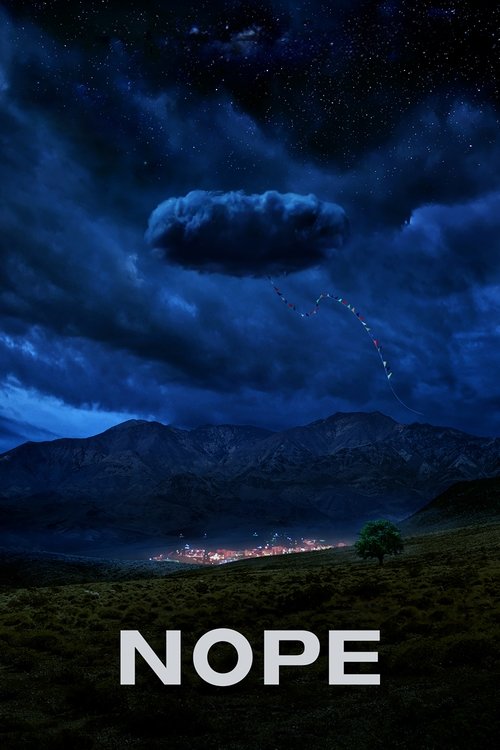
There is a specific kind of silence that only exists in the high desert of California—a dry, expectant hush that feels like the world is holding its breath. I sat in a theater in 2022, clutching a box of Sno-Caps so tightly they started to melt into a chocolatey sludge in my palm, waiting for Jordan Peele to tell me why I should be afraid of the sky. In an era where every third movie is a "Legacy Sequel" or a multi-versal crossover featuring sixteen different versions of the same guy in spandex, Nope arrived like a lightning bolt. It felt like a massive, high-budget original gamble—a rare species in the wild.
The Spectacle of the Unseen
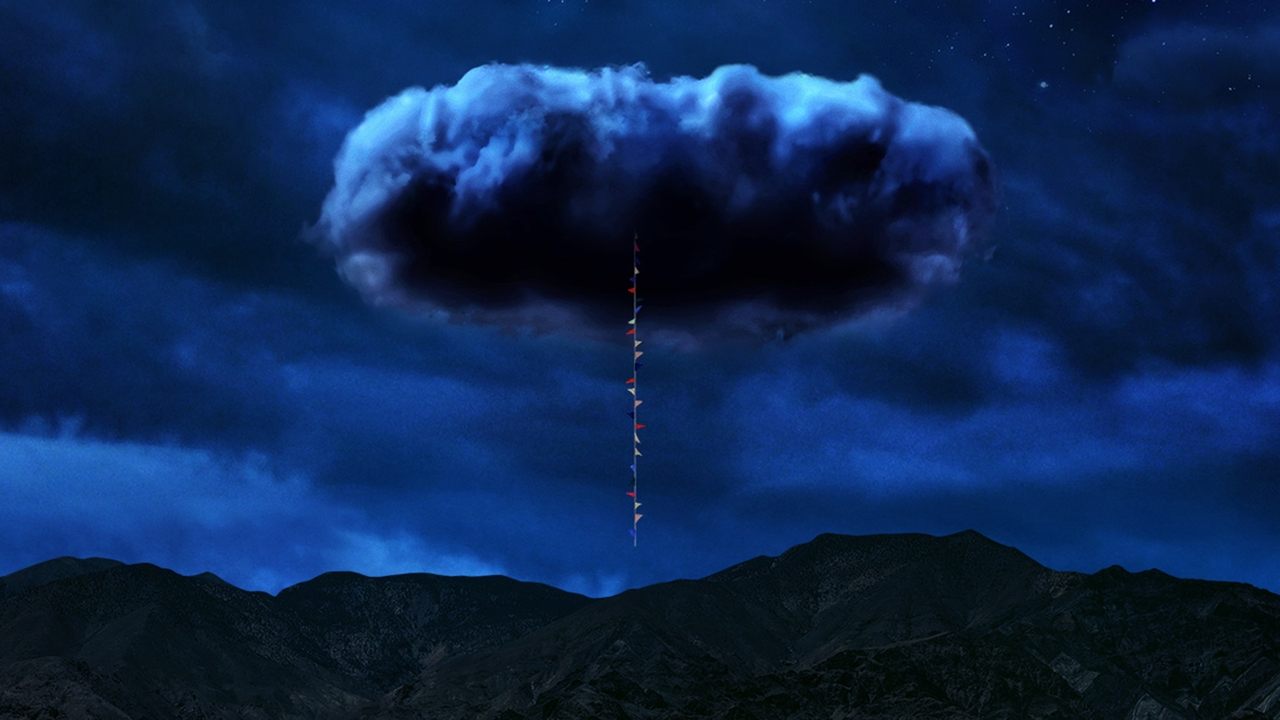
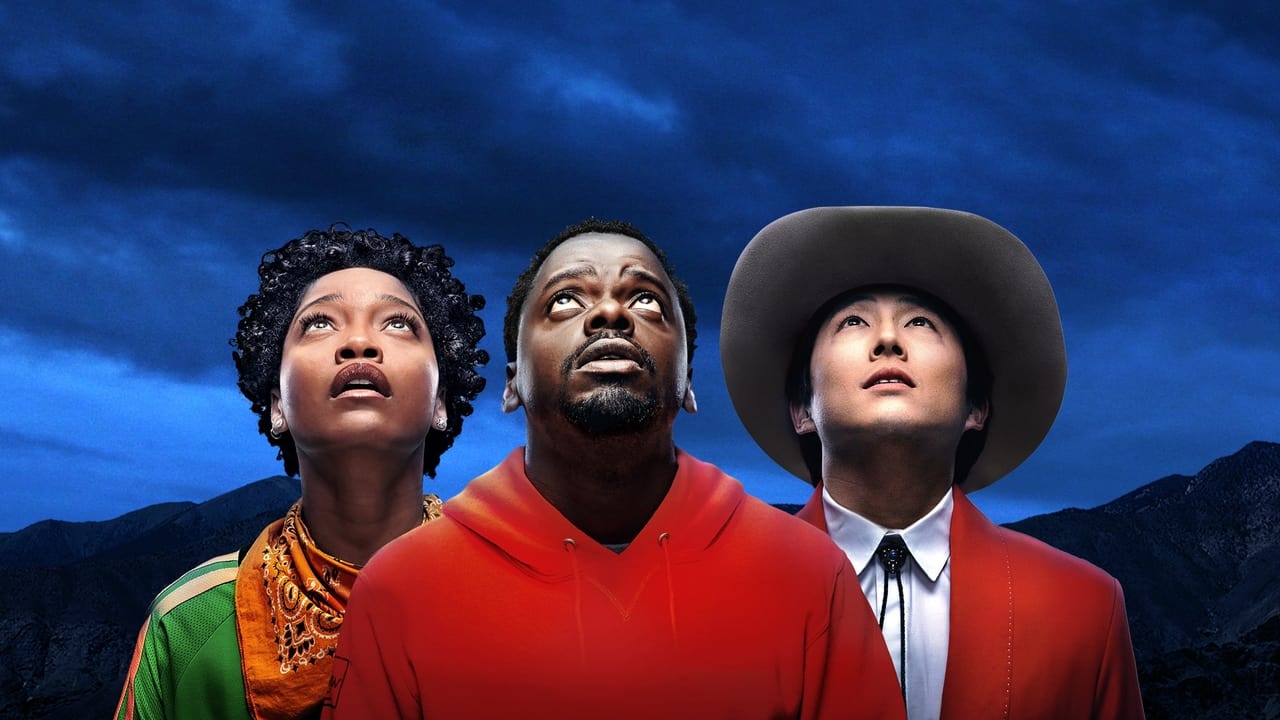
The story centers on the Haywood siblings, OJ (Daniel Kaluuya) and Emerald (Keke Palmer), who run a horse ranch providing animal actors for Hollywood. Following the bizarre, vertical death of their father—killed by a nickel falling from the sky—they discover that something is hiding in the clouds above their gulch. But this isn't your standard Independence Day "we come in peace" (or pieces) situation. OJ, with his weathered stoicism, realizes early on that they aren't dealing with a little green man in a tin can. They’re dealing with an apex predator.
Daniel Kaluuya plays OJ with such a minimalist, internal frequency that you can practically hear his gears turning. He’s the anti-action hero; he doesn't want to save the world, he just wants to save his ranch and maybe get the "Oprah shot" to pay the bills. On the flip side, Keke Palmer is a supernova of charisma. Her Emerald is the hustler, the hype-woman, and the emotional engine of the film. Their chemistry feels lived-in and prickly, the way only siblings who have survived a weird childhood can manage. Watching them try to "capture" the impossible while arguing about chores felt remarkably grounded for a movie about a giant sky-beast.
The Chimp in the Room
One of the boldest moves Jordan Peele makes here is the "Gordy" subplot. We flash back to the 90s, to the set of a failed sitcom where a chimpanzee goes on a bloody rampage. It seems disconnected at first, but it’s the key to the whole film. Ricky "Jupe" Park (Steven Yeun), a survivor of that massacre, has grown up to run a nearby Western theme park. Jupe thinks he can "tame" the predator in the sky because he survived the predator on the set.
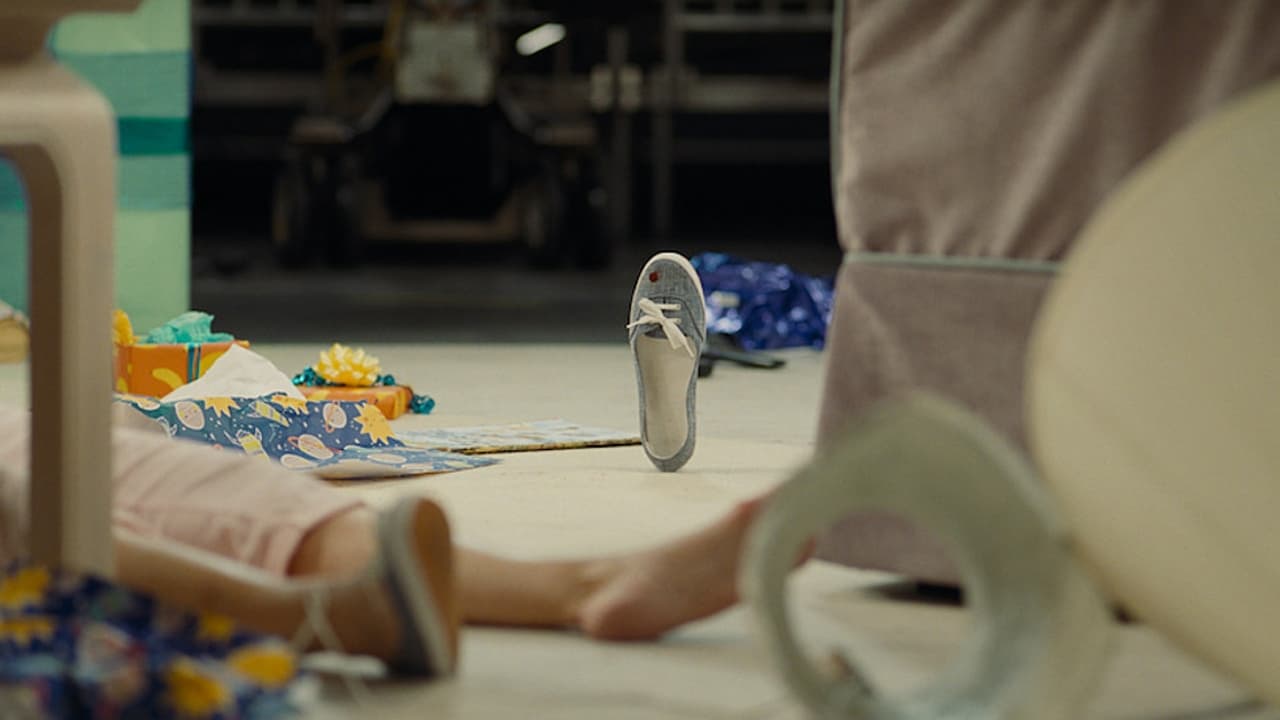
Steven Yeun is heartbreakingly good at playing a man who has processed his trauma by turning it into a souvenir shop. Apparently, the "impossible" standing shoe seen in the flashback was a detail Peele added to represent the "bad miracle"—that moment where the brain looks for something to focus on when the horror becomes too much to handle. To get the movements right, the chimp was actually played by Terry Notary, the legendary motion-capture actor who worked on Planet of the Apes. It’s a sequence that is genuinely hard to watch, not because of the gore, but because of the sheer, unpredictable tension of a wild animal in a party hat.
Breaking the Camera
Technically, Nope is a bit of a flex. Jordan Peele teamed up with Hoyte van Hoytema (the cinematographer who usually helps Christopher Nolan blow our minds) to do things with a camera that hadn't been done before. They used a specialized rig with two cameras—one digital infrared and one 65mm film—to create "night" scenes that actually look like the way the human eye sees the desert at 2 AM. Most movies just tint everything blue and call it a day, but here, the darkness feels vast and hungry.
The sound design is where the movie really gets under your skin. The "screams" you hear when the creature feeds? Those were reportedly recorded at a theme park, catching the sounds of people on roller coasters and then slowing them down and layering them until they sounded like a collective wail of existential terror. It’s effective because it taps into that primal fear of being consumed—not just by a monster, but by the "spectacle" itself. I genuinely believe people who say this movie is "too slow" probably have the attention span of a caffeinated squirrel. The slow build is the point; you need to feel the heat and the dust before the umbrella opens.

I walked out of the theater and spent twenty minutes staring at a particularly fluffy cloud in the parking lot, half-expecting it to blink. That’s the power of Nope. It takes the most basic element of our environment—the sky—and turns it into a source of dread. It’s a movie that demands to be seen on the biggest screen possible, away from the distractions of your phone or the guy in the row behind me who wouldn't stop whispering about how the "alien" looked like a giant Roomba.
This is contemporary filmmaking at its most ambitious. It tackles our obsession with "the shot," our history of exploiting animals and people for entertainment, and the terrifying realization that nature doesn't care about our cameras. It might not have the instant-meme simplicity of Get Out, but Nope is a much more complex, rewarding meal. It’s the kind of film that confirms Jordan Peele isn't just a "horror director"—he’s one of the few people left making blockbusters that actually have a soul. Go watch it, but maybe keep your eyes on the ground.
Keep Exploring...
-
Get Out
2017
-
Us
2019
-
Alien: Covenant
2017
-
Life
2017
-
Underwater
2020
-
A Cure for Wellness
2017
-
Annihilation
2018
-
Overlord
2018
-
Brightburn
2019
-
Happy Death Day 2U
2019
-

28 Years Later
2025
-
Companion
2025
-
Black Mirror: Bandersnatch
2018
-

The Substance
2024
-

Okja
2017
-
The New Mutants
2020
-
A Quiet Place Part II
2021
-
A Quiet Place: Day One
2024
-

Alien: Romulus
2024
-

The Girl with All the Gifts
2016