November
"Five days. No sleep. One city on the edge."
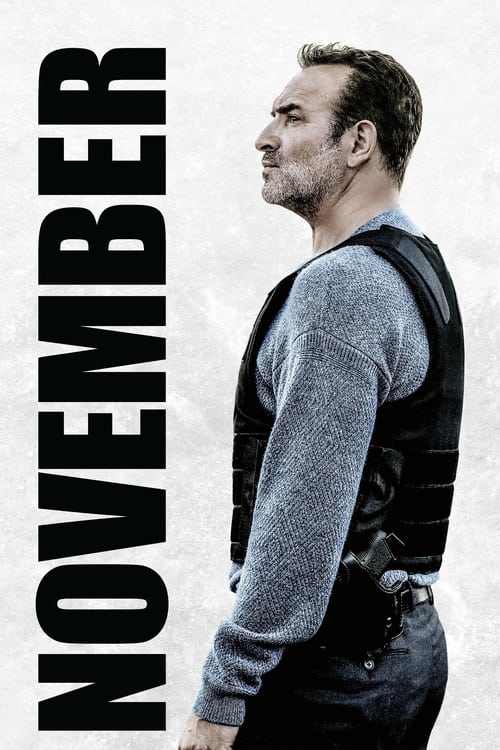
I finished November and immediately had to check my own pulse. My fitness tracker probably thought I was mid-sprint, but no—I was just sitting on my sofa, trapped in the gravitational pull of a 105-minute panic attack. I actually watched this on my laptop while my cat was aggressively kneading my stomach, and honestly, the physical discomfort of those tiny claws digging into my ribs felt perfectly synced with the mounting dread on screen.
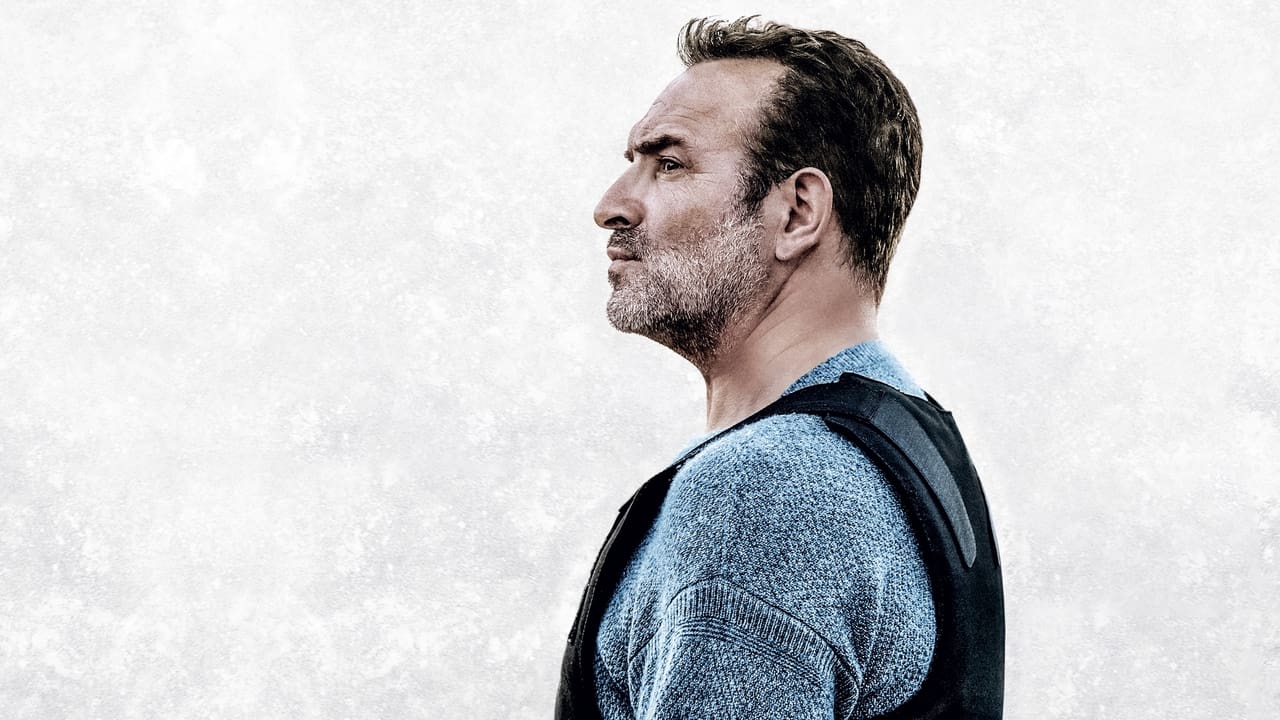
Cédric Jimenez’s November is a procedural thriller that moves with the velocity of a bullet train. It focuses on the five days following the horrific terrorist attacks in Paris on November 13, 2015. However, if you’re looking for a film that recreates the tragedy of the Bataclan or the cafes, you won't find it here. Jimenez makes a bold, respectful choice to skip the carnage itself, starting instead in the frantic, airless offices of the SDAT (the French anti-terrorist sub-directorate). It’s a film about the hunters, not the crime, and it’s one of the most effective "ticking clock" movies of the last decade.
The Face of the Manhunt
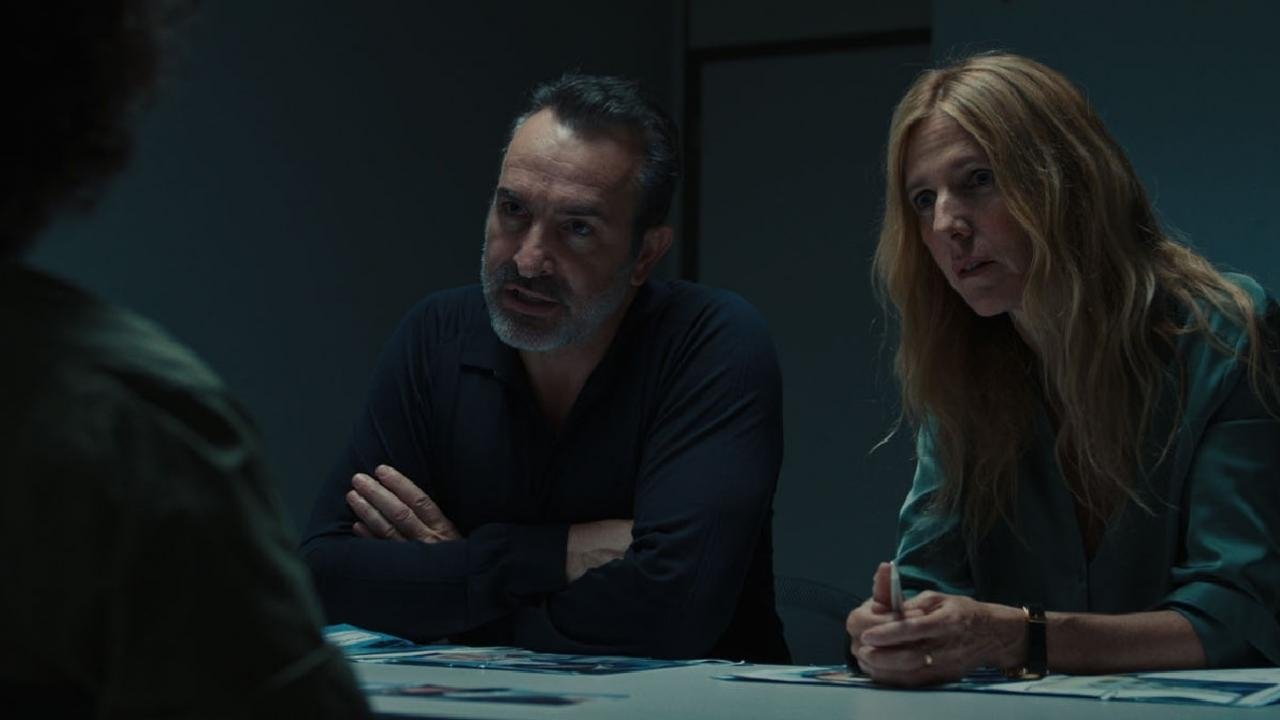
At the center of the storm is Jean Dujardin as Fred. If you only know Dujardin from his Oscar-winning turn in The Artist or his goofy OSS 117 parodies, prepare for a shock. Gone is the thousand-watt smile and the debonair wink. Here, Dujardin’s face looks like a map of French bureaucracy—lined, tired, and deeply skeptical. He plays Fred with a weary, granite-faced intensity that suggests a man who hasn't seen a bed or a balanced meal in years.
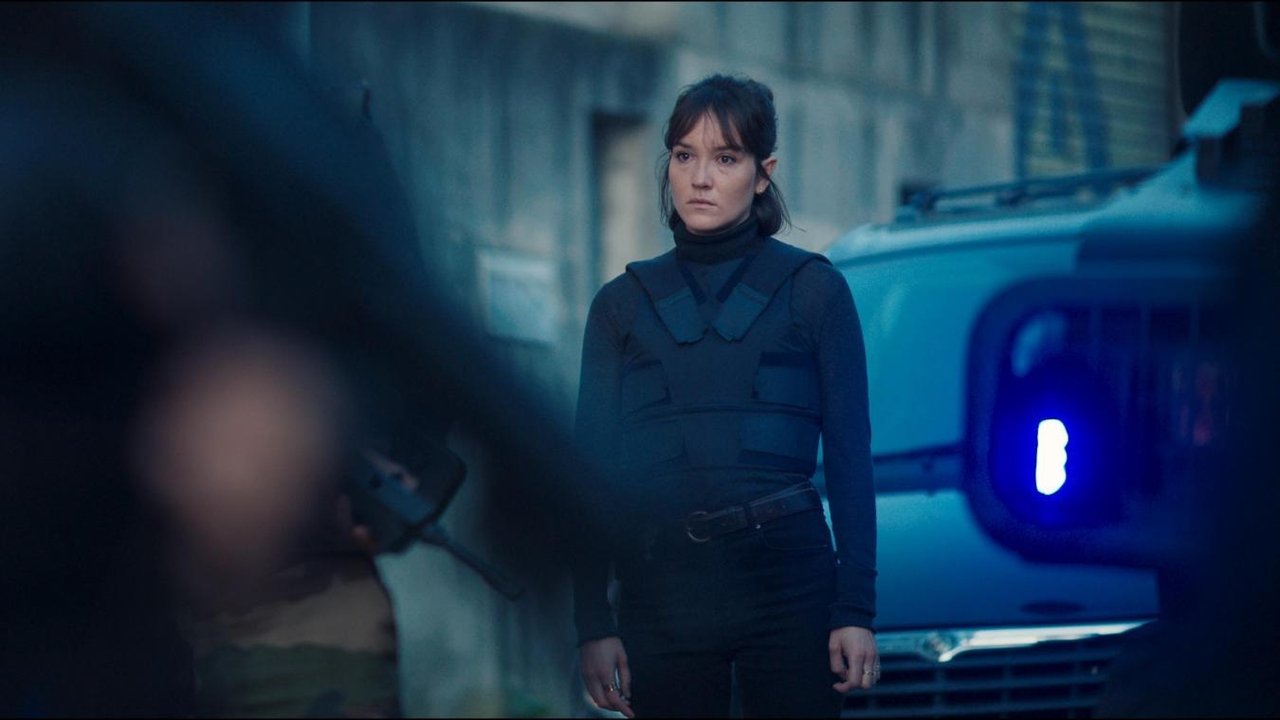
He’s flanked by an incredible ensemble, including Anaïs Demoustier as Inès, a younger agent whose intuition becomes a vital lifeline. The chemistry here isn't romantic or even particularly friendly; it’s the high-voltage friction of people who are working under a level of pressure that would crush a submarine. They are trying to find two fugitives across a landscape of false leads and bureaucratic hurdles, and Jimenez captures the sheer exhaustion of the work. You can practically smell the stale coffee and the ozone coming off the computer monitors.
A Masterclass in High-Tension Craft
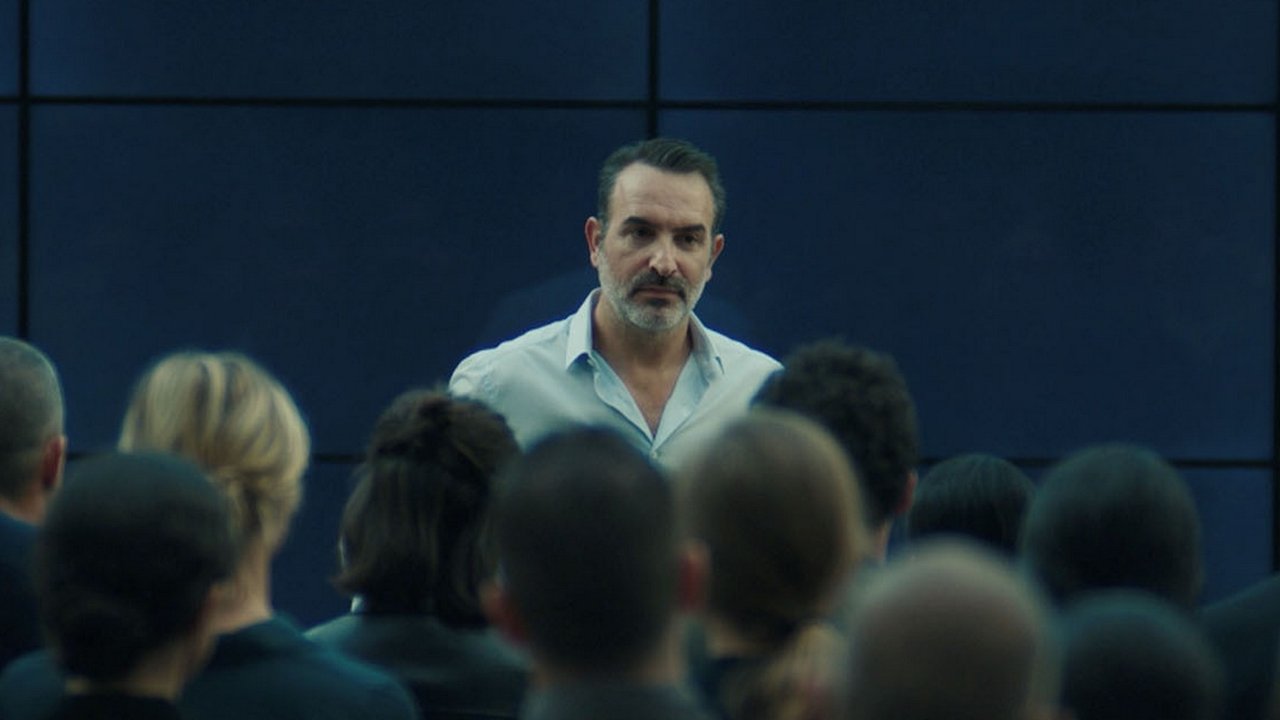
What makes November stand out in the current era of "prestige" thrillers is its refusal to slow down for a breath. The cinematography by Nicolas Loir uses a restless, handheld aesthetic that feels closer to a documentary or a Paul Greengrass film (United 93, The Bourne Supremacy) than a traditional drama. It’s "boots on the ground" filmmaking. The camera is always moving, pushing through crowded hallways, ducking into surveillance vans, and shivering during the climactic Saint-Denis raid.
The score by Guillaume Roussel deserves a shout-out, too. It’s not melodic so much as it is a heartbeat—a low-frequency thrum that ratchets up your anxiety until the final confrontation. It’s a contemporary sound, avoiding the sweeping orchestral cues of older thrillers in favor of something that feels like a migraine coming on. It works perfectly because the film isn't trying to be a "movie" in the traditional sense; it’s trying to be an experience. It’s about the frantic, messy, and often terrifying reality of intelligence work where a single missed phone call can mean the difference between life and death.
The Human Cost of the Lead
While the film is a procedural, it finds its soul in Lyna Khoudri, who plays Samia, a young woman associated with the suspects’ circle who becomes a key informant. If the police are the engine of the film, she is the spark. Her performance is heartbreaking—she’s caught between the terrifying influence of the terrorists and the cold, utilitarian needs of the police.
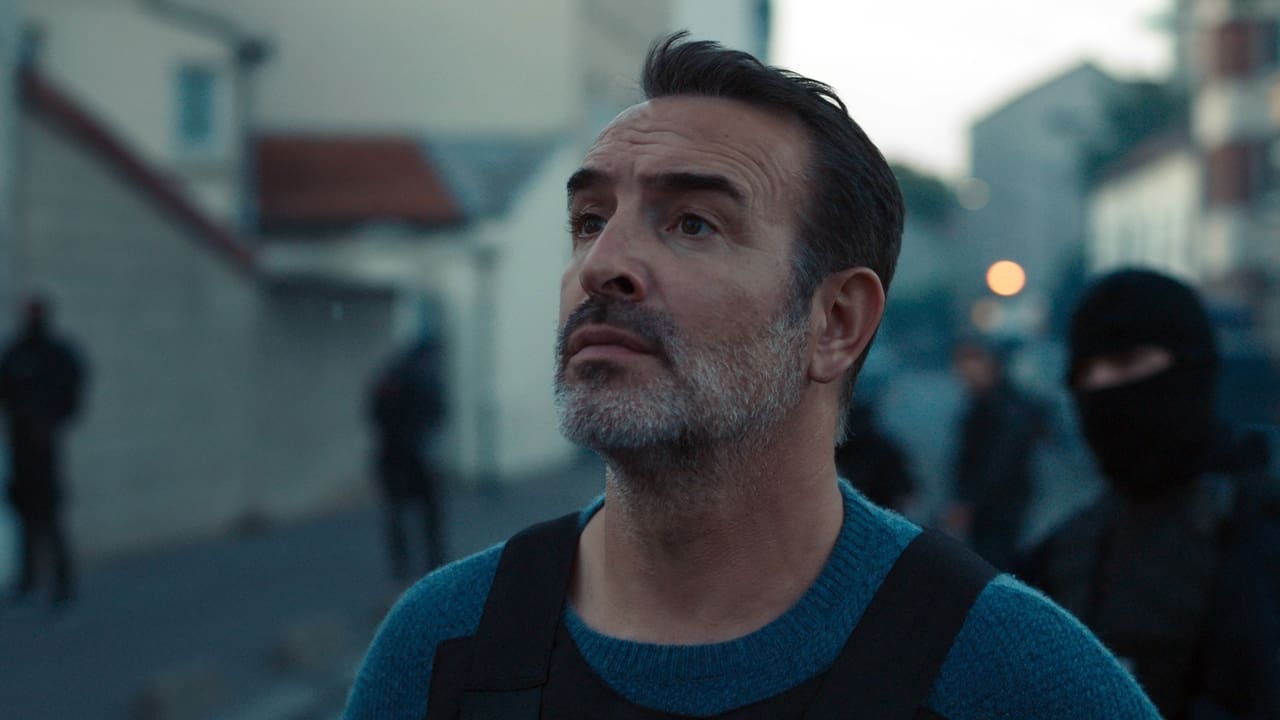
There’s a fascinating bit of real-world trivia here: the character of Samia is based on "Sonia," the real-life woman whose testimony was pivotal in preventing further attacks. The real Sonia had to fight the French government for years to receive the witness protection and support she was promised. Knowing that the film is grounded in this specific, painful reality adds a layer of weight to the scenes where Jean Dujardin and Anaïs Demoustier have to decide how much to squeeze their witness for information.
Despite being a massive box office hit in France, November didn't quite make the splash it deserved internationally. Perhaps it was the language barrier, or perhaps the subject matter still feels too raw for some, but it’s a film that deserves to be pulled out of the "foreign language" niche. It’s a lean, mean piece of cinema that respects its audience’s intelligence and never stoops to cheap melodrama. It understands that nothing is scarier than a phone that won't stop ringing and a clock that won't stop ticking.
November is a rare breed of thriller that manages to be both culturally significant and genuinely entertaining. It handles a national trauma with a steady hand, focusing on the grueling, unglamorous work of those tasked with picking up the pieces. It’s a movie that leaves you feeling drained in the best possible way—the kind of film that reminds you why we go to the theater to be thrilled. Seek this one out, even if you have to hunt for it on a streaming platform; it’s a hunt that pays off.
Keep Exploring...
-
The Stronghold
2021
-
An Officer and a Spy
2019
-
22 July
2018
-
The Outfit
2022
-

The Connection
2014
-
The Guilty
2018
-

The Traitor
2019
-

STRAW
2025
-
Suburra
2015
-

Miss Sloane
2016
-

Batman vs. Robin
2015
-
The Book of Henry
2017
-

The House That Jack Built
2018
-
Les Misérables
2019
-
Uncut Gems
2019
-

Promising Young Woman
2020
-
Wrath of Man
2021
-

Black Box
2021
-
Roman J. Israel, Esq.
2017
-

Black and Blue
2019