One Piece Film Red
"A pirate's heart. A diva's voice. A world in discord."
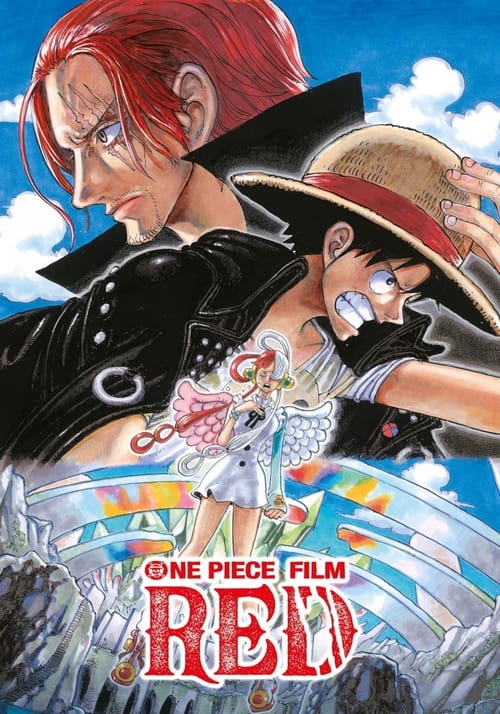
Walking into a theater for One Piece Film Red felt less like attending a movie screening and more like stepping into a high-stakes mosh pit at a stadium concert. I watched this during a weekend binge where I had accidentally over-salted a bowl of instant ramen, and the stinging thirst that followed weirdly complemented the parched, desperate longing of the film’s antagonist. It’s a movie that demands you feel something—preferably at a very high volume.
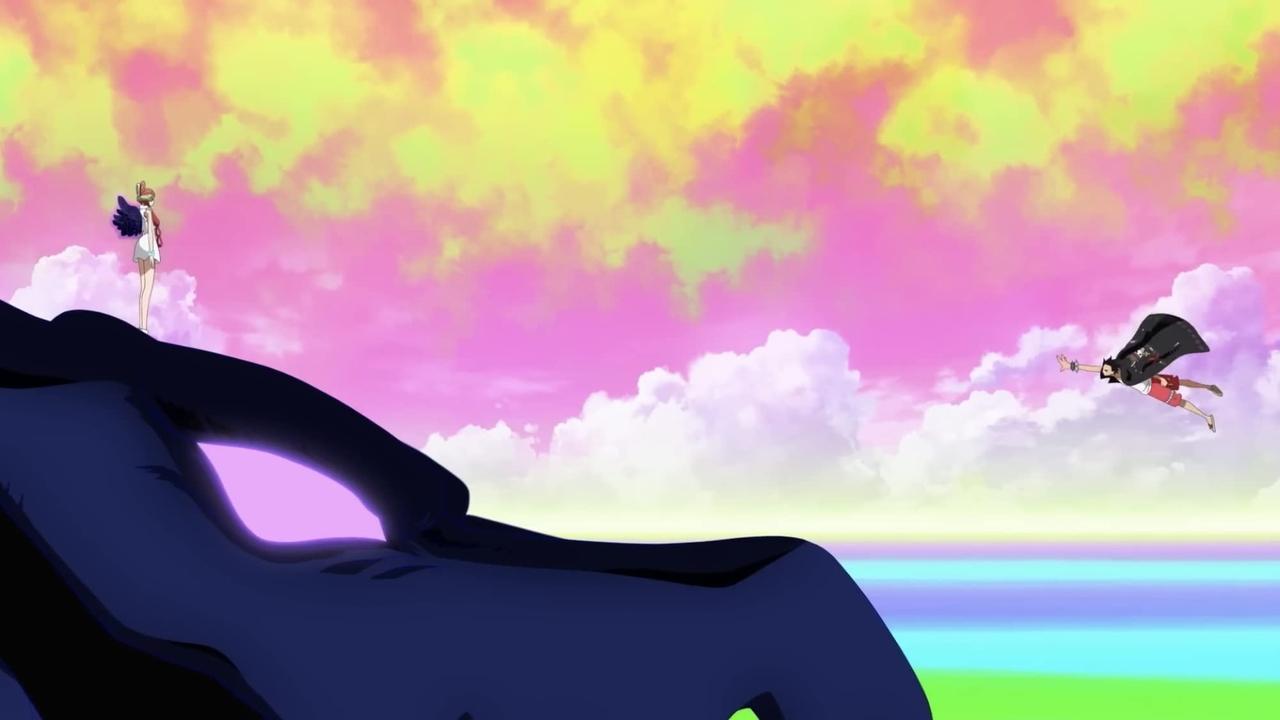
For the uninitiated, the One Piece franchise is a sprawling, 25-year-old leviathan of a story. But you don't necessarily need to know your Haki from your Devil Fruits to grasp what’s happening here. At its core, this is a flashy, contemporary standoff between the gritty reality of a pirate’s life and the seductive, digital-coded escapism of a pop idol.
The Diva and the Discord
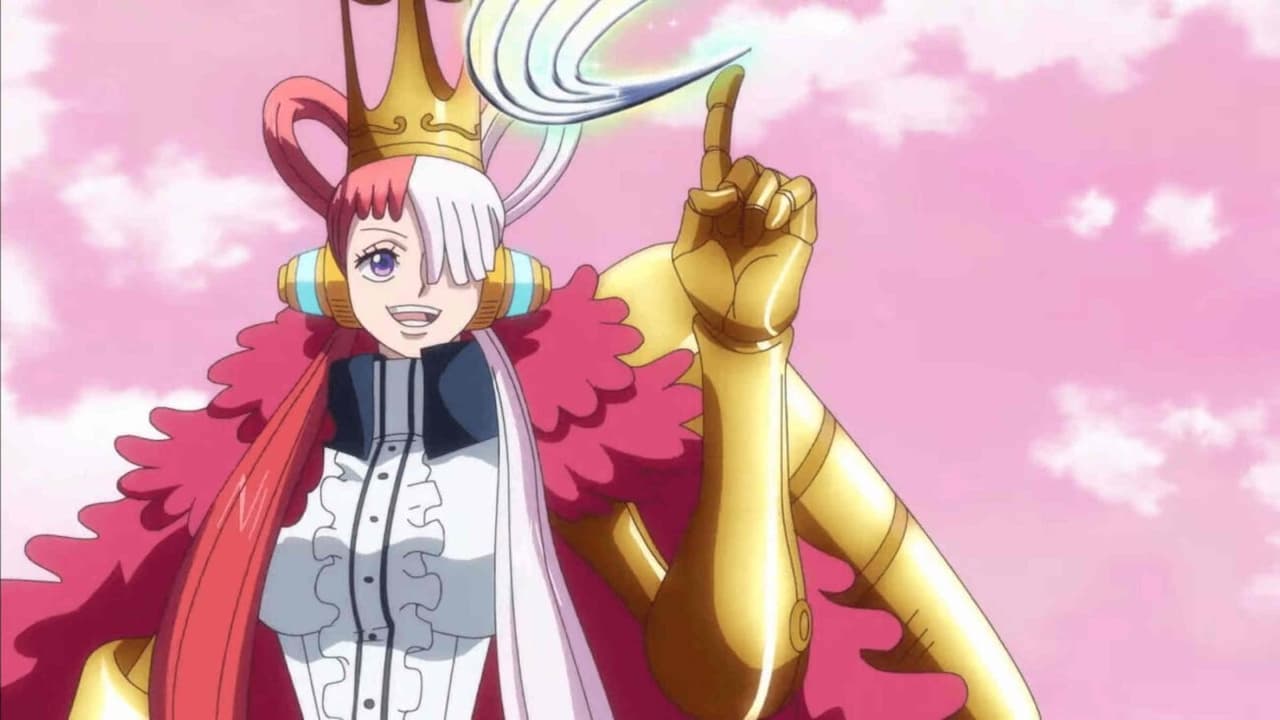
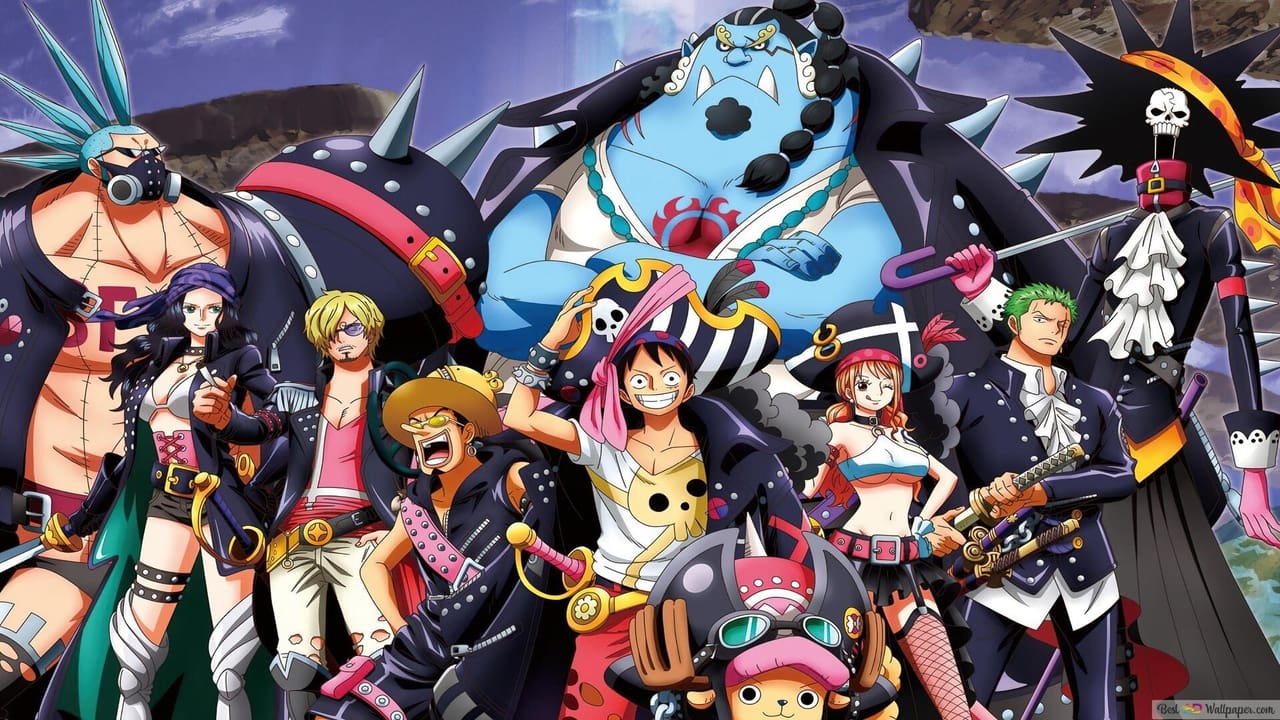
The plot centers on Uta, voiced by Kaori Nazuka (with singing provided by the Japanese powerhouse Ado). She is the world’s most beloved singer, the daughter of the legendary pirate Shanks, and a childhood friend of our protagonist, Monkey D. Luffy. Uta’s plan is simple: she wants to use her "Sing-Sing" powers to trap the world in a perpetual dream of music and happiness, ending the violence of the Great Pirate Era forever.
It is a remarkably modern conflict. In an age where we often retreat into curated social media feeds and streaming rabbit holes to avoid a chaotic reality, Uta is the ultimate influencer with a god-complex. One Piece Film Red is basically a 115-minute aggressive advertisement for a soundtrack that I ended up buying anyway. The film leans heavily into the "Music" genre tag, almost functioning as a jukebox musical. Some fans found the sheer number of songs jarring, but I’d argue that without the rhythmic backbone provided by composer Yasutaka Nakata, the emotional stakes wouldn't land nearly as hard.
Chaos Choreographed

Director Goro Taniguchi, who actually directed the very first One Piece animation back in 1998, returns to the fold with a frantic, colorful energy. The action choreography here is a departure from the traditional blow-by-blow brawls of the TV show. Instead, the fight sequences are woven into the music. When Uta summons musical staves to bind her enemies or unleashes the ancient demon Tot Musica, the screen dissolves into a kaleidoscopic nightmare of neon and ink.
The final act is where the "Action" tag really earns its keep. It’s a masterclass in cross-dimensional teamwork, featuring a dizzying array of fan-favorite characters—including Kazuya Nakai as the stoic swordsman Zoro and Akemi Okamura as Nami—fighting a battle across two different planes of existence simultaneously. The pacing is relentless. It’s the kind of visual overload that shouldn't work, yet somehow, the clarity of the character motivations keeps it from becoming a blurry mess of CGI.
There is a specific, wordless sequence involving Luffy and Shanks attacking in perfect synchronization that is easily one of the most satisfying moments in modern franchise cinema. It’s a "legacy sequel" beat delivered in the middle of a standalone film, and it hits with the weight of a sledgehammer.
The Shanks Factor
We have to talk about the red-haired elephant in the room. Shuichi Ikeda returns to voice Shanks, a character who has been a looming enigma since the series began. For years, the One Piece fandom has joked that Shanks's only power is showing up once every five years to look cool and then leave. Film Red finally lets him off the leash.
Seeing the Red-Haired Pirates in action provides a much-needed groundedness to the magical insanity of Uta's world. Their fighting style is brutal, efficient, and lacks the flashy superpowers of the younger generation, creating a great contrast in the film's physical language. The production team at Toei Animation clearly knew that this was the big draw. While the marketing leaned heavily on the mystery of Shanks’s fatherhood, the film is smart enough to focus on the tragedy of his absence.
Interestingly, the film’s release mirrored the very "New Era" it depicts. It wasn't just a theatrical event; it was a global social media phenomenon, fueled by viral music videos released on YouTube in the weeks leading up to the premiere. This is cinema in the 2020s—a multi-platform assault that makes the movie feel like the climax of a month-long festival rather than a solitary experience.
One Piece Film Red succeeds because it refuses to be just another "filler" movie. It takes a massive swing by centering its action on the power of art and the danger of total escapism. While the sheer density of the musical numbers might alienate those looking for a standard punch-fest, the payoff is a visually stunning, emotionally resonant spectacle. It captures a specific cultural anxiety about the world we want to live in versus the one we actually inhabit, all while letting a rubber man punch a music demon in the face. If this is the direction big-budget anime is headed, I’m keeping my headphones on.
Keep Exploring...
-
My Hero Academia: Two Heroes
2018
-
The Seven Deadly Sins: Prisoners of the Sky
2018
-
My Hero Academia: Heroes Rising
2019
-
The Boy and the Beast
2015
-
Justice League Dark
2017
-
The Sea Beast
2022
-
Nimona
2023
-
Boruto: Naruto the Movie
2015
-
Batman vs. Robin
2015
-
Justice League vs. Teen Titans
2016
-
Mary and The Witch's Flower
2017
-
Trolls World Tour
2020
-
Raya and the Last Dragon
2021
-
Kung Fu Panda 4
2024
-
Resident Evil: Vendetta
2017
-
Jujutsu Kaisen 0
2021
-
Suzume
2022
-
Justice League Dark: Apokolips War
2020
-
Descendants 2
2017
-
Olaf's Frozen Adventure
2017