Orphan: First Kill
"The mother of all prequels."
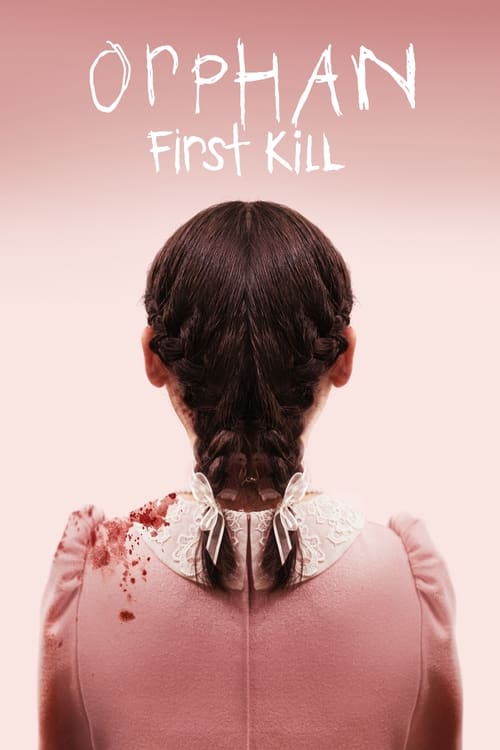
The sheer audacity required to greenlight a prequel to a thirteen-year-old horror hit where the central gimmick relies on the lead actress being a child—only to cast that same actress, now twenty-five, to play an even younger version of the character—is nothing short of legendary. When I first heard Isabelle Fuhrman was returning for Orphan: First Kill, I assumed we were in for a CGI disaster. I expected a "uncanny valley" nightmare where a digital mask struggled to hide the passage of time. I watched the film on my laptop while my neighbor’s cat stared at me through the window with intensely judgmental eyes, and honestly, that feline suspicion mirrored my own.
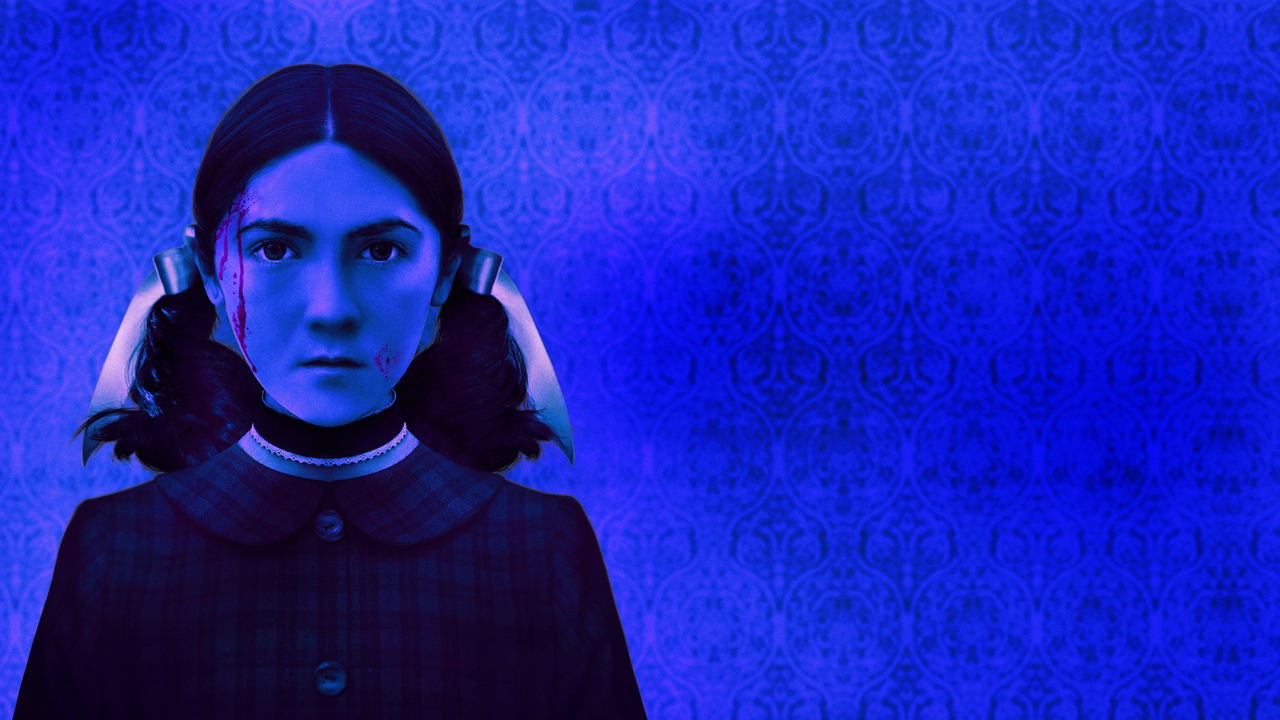
But then the movie started, and I realized William Brent Bell (who previously gave us the "creepy doll" vibes of The Boy) wasn't interested in making a standard, boring cash-grab. He was making something much weirder. Instead of leaning on expensive de-aging tech that usually makes actors look like sentient ham, the production went old-school. They used forced perspective, child body doubles, and the cinematic equivalent of a high-wire act performed by someone in platform boots.
The Magic of the Perspective Trick
The plot picks up with Leena Klammer (Fuhrman) orchestrating a bloody escape from an Estonian psychiatric facility. It’s brutal, quick, and establishes that she is a shark in a world of minnows. She finds a missing person flyer for an American girl named Esther Albright and realizes she fits the profile. Soon, she’s "reunited" with her wealthy parents, Tricia (Julia Stiles) and Allen (Rossif Sutherland), in a sprawling Connecticut estate.
What makes the first half so fascinating is the craft. Because the filmmakers refused to use heavy CGI, Isabelle Fuhrman spent much of the shoot walking in massive platform sneakers to appear shorter next to her co-stars, or crouching in the background while Julia Stiles stood closer to the lens. It creates this strange, slightly off-kilter energy that works perfectly for a horror film. You know something is wrong, and the movie uses its own production limitations to fuel that unease. Apparently, Fuhrman also utilized "thread lifts"—a technique where temporary sutures pull the skin back—to maintain a youthful facial structure without the help of a computer.
The commitment to the bit is incredible. There’s a scene involving a blacklight painting—a callback to the 2009 original—that feels like a nod to the fans who obsessed over the first film’s hidden details. It’s these touches that helped the film transition from a quiet Paramount+ release to a genuine streaming-era cult favorite.
A Masterstroke of Camp
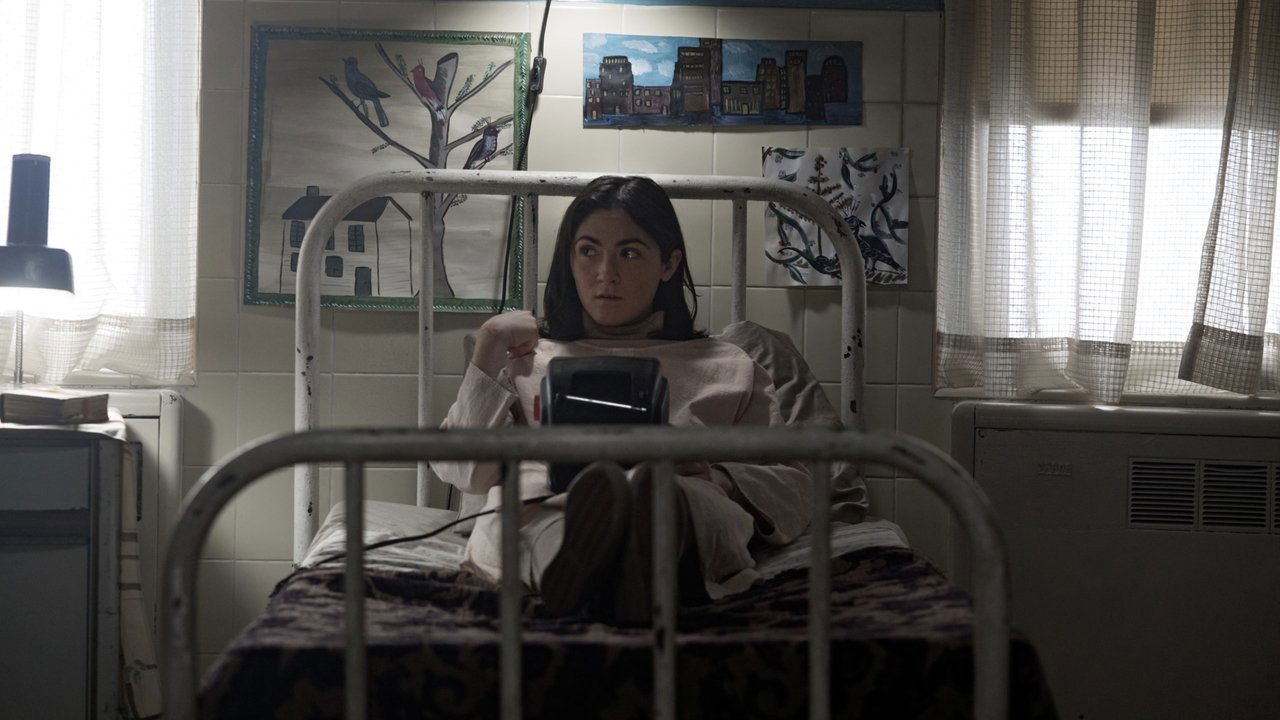
If this were just a straight prequel, it would eventually get tedious. We know where Esther ends up, after all. But about midway through, First Kill pulls a hairpin turn that I genuinely did not see coming. It shifts the film from a "creepy kid" thriller into a high-camp domestic battle royale. Julia Stiles is the absolute MVP here; she isn't playing the grieving mother trope we’re used to. When the script by David Coggeshall flips the script, Stiles leans into a performance that is cold, calculating, and deliciously mean.
I’ve always felt that the best horror sequels/prequels understand when to stop being scary and start being fun. First Kill knows it’s a bit ridiculous. It embraces the absurdity of a grown woman in pigtails trying to outmaneuver a wealthy socialite. The tension between Esther and her "brother" Gunnar (Matthew Finlan) adds a layer of "rich kid" sociopathy that feels very much in line with contemporary "eat the rich" cinema like Ready or Not or The Menu.
Why It Works Now
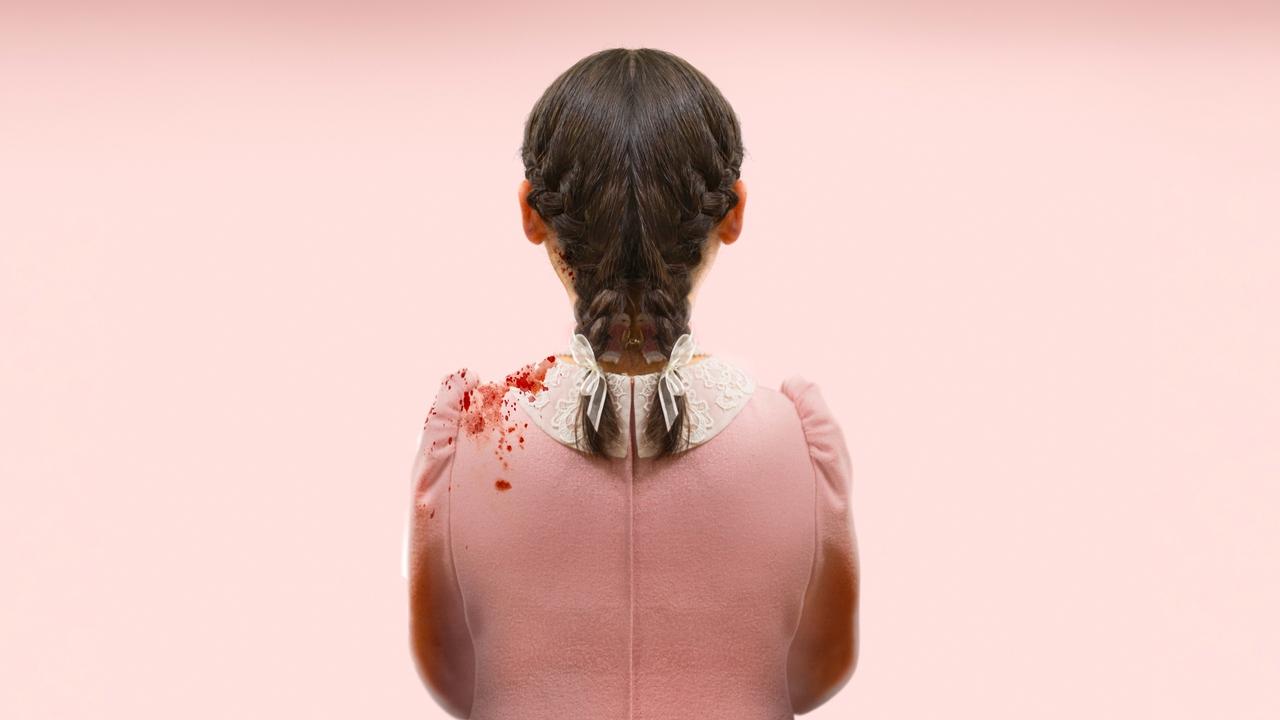
In an era where every franchise is trying to build a "multiverse" or a "cinematic universe," Orphan: First Kill succeeds by being a self-contained, nasty little psychodrama. It’s a "Legacy Prequel" that actually rewards the audience for showing up. It’s also a fascinating case study in post-pandemic distribution. It didn't need a massive theatrical window to find its people; the word-of-mouth on social media about "The Twist" did more for the movie than a $50 million marketing budget ever could.
The film was shot in Winnipeg during a particularly brutal winter, and you can almost feel the chill in the cinematography by Karim Hussain. That coldness isn't just in the weather—it’s in the DNA of the Albright family. Turns out, the "something wrong with Esther" tagline from the first movie applies to just about everyone she meets this time around. By the time the third act descends into a fiery climax, you realize you've watched a masterclass in subverting expectations while wearing a velvet choker.
Ultimately, Orphan: First Kill is a rare bird: a prequel that makes the original movie better by proxy. It takes a premise that should have been a joke and turns it into a sharp, mean, and surprisingly funny thriller. It’s the kind of movie that reminds me why I love horror—sometimes the most effective scares come from the most improbable places. If you’ve been skipping this because you thought the "de-aging" would be a distraction, give it a shot; the craft behind the camera is just as impressive as the carnage in front of it.

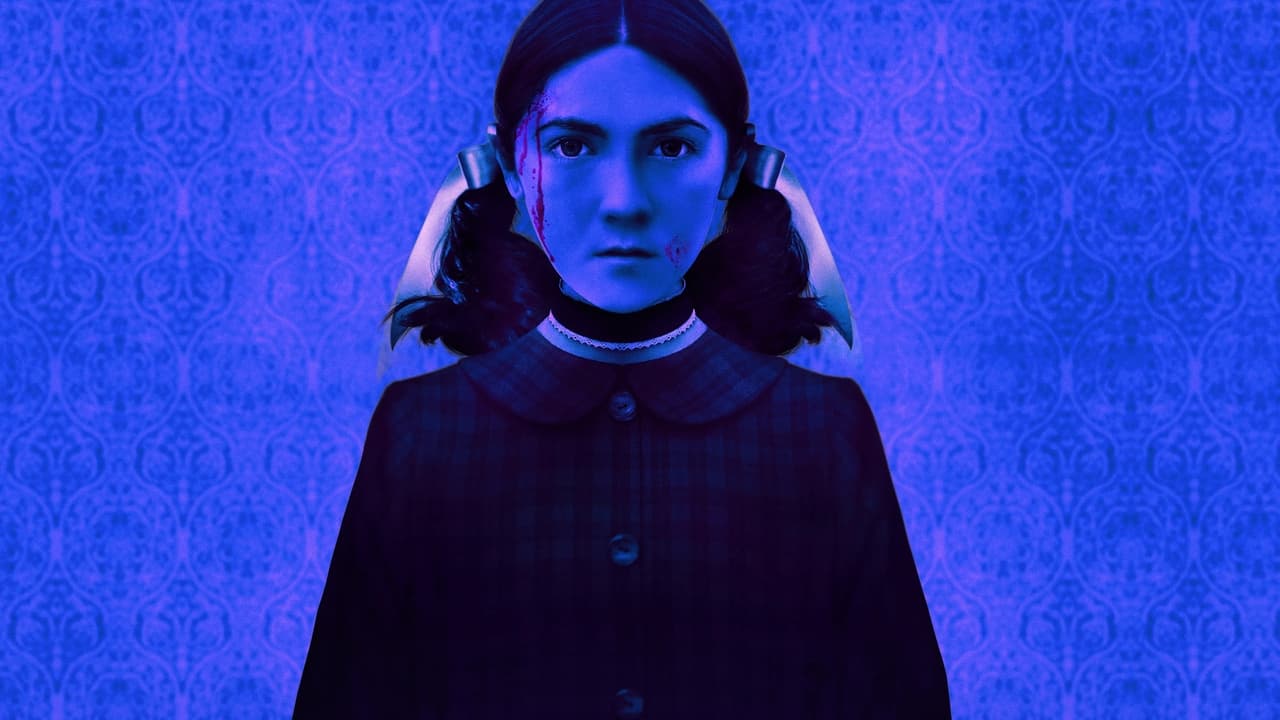
Keep Exploring...
-
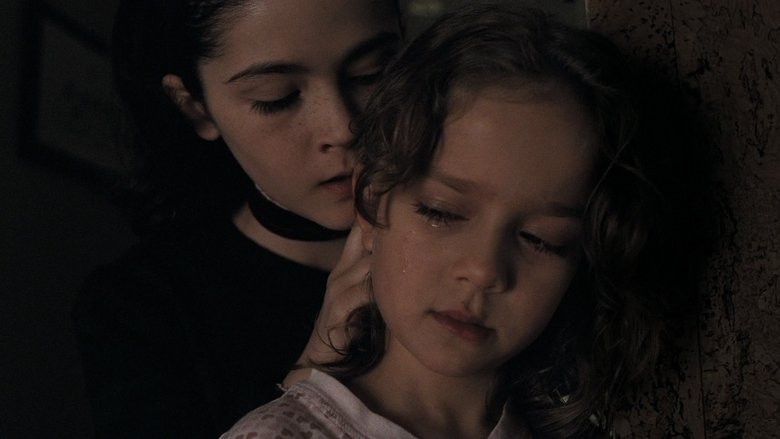
Orphan
2009
-
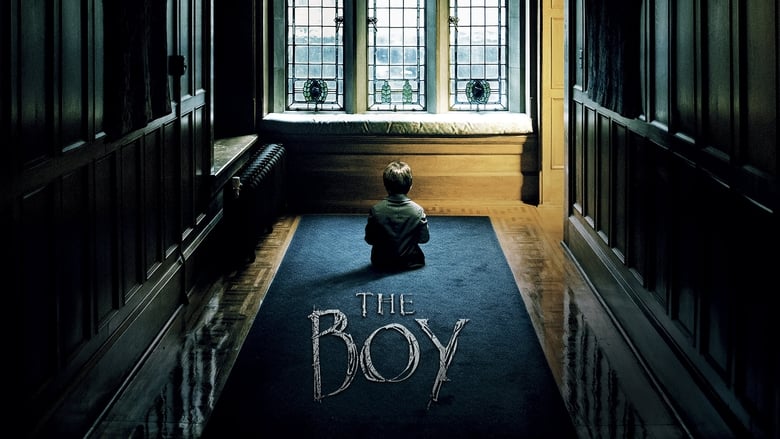
The Boy
2016
-
Brahms: The Boy II
2020
-

47 Meters Down
2017
-
Bird Box
2018
-
Hereditary
2018
-
The Cloverfield Paradox
2018
-

The House That Jack Built
2018
-
Child's Play
2019
-

Countdown
2019
-
Crawl
2019
-

Ma
2019
-
Peninsula
2020
-
The Hunt
2020
-
Unhinged
2020
-
Don't Breathe 2
2021
-
Escape Room: Tournament of Champions
2021
-

Old
2021
-
The Forever Purge
2021
-
The Menu
2022