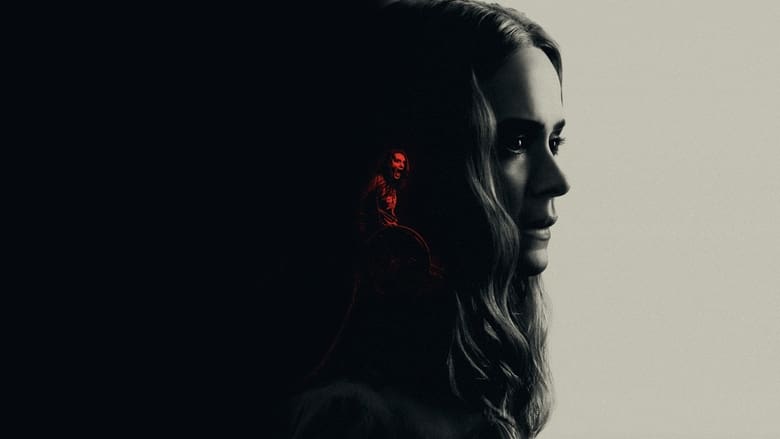
Pearl
"The farm is a stage, and she’s the star."
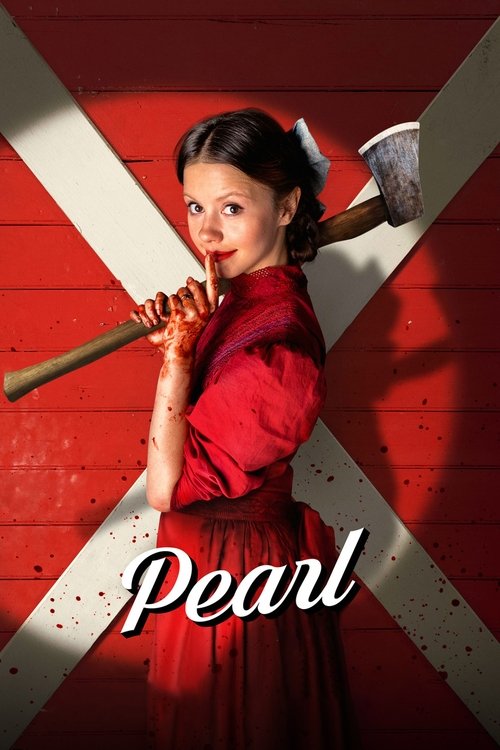
The screen erupts in a saturated, bleeding Technicolor that hasn’t been fashionable since Judy Garland followed a yellow brick road, yet within minutes, we’re watching a young woman pitchfork a goose to death. It is a jarring, hallucinatory opening that tells you exactly what kind of ride Ti West has planned. I watched this film late on a Tuesday night while nursing a lukewarm cup of peppermint tea that I’d forgotten to sweeten, and honestly, that slight bitterness in the back of my throat was the perfect accompaniment to the acidic, localized madness of Pearl.
The Lockdown Miracle
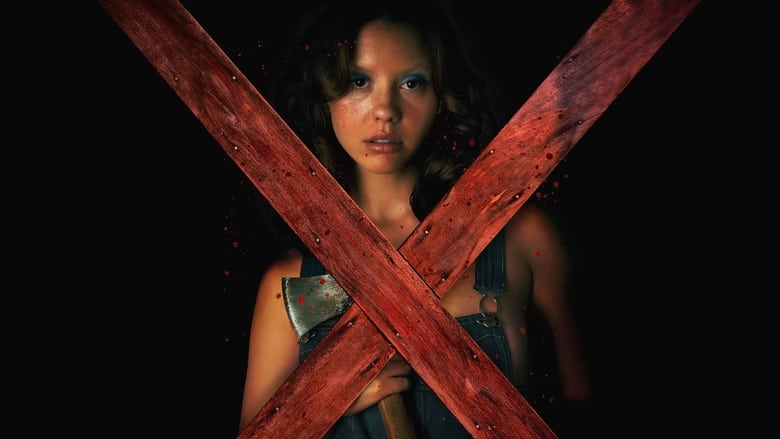
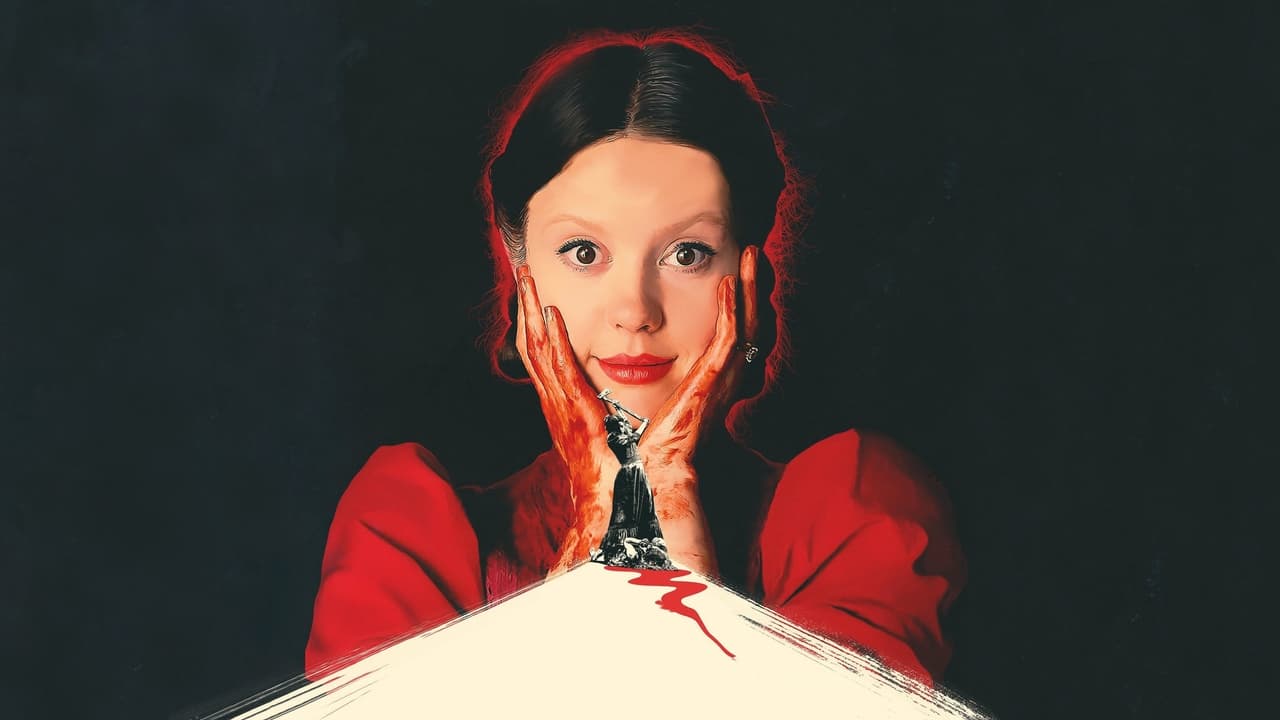
There is something inherently impressive about the "hustle" of this production. In an era where $200 million blockbusters often feel like they were assembled by a committee in a sanitized boardroom, Pearl feels dangerously handmade. Born out of a mandatory COVID-19 quarantine in New Zealand while filming its predecessor, X, Ti West and Mia Goth co-wrote this script via FaceTime. They took the same sets, the same crew, and a minuscule $1 million budget to create a prequel that, in my opinion, actually surpasses the original film in both emotional depth and sheer stylistic audacity.
In our current landscape of "franchise fatigue," where origin stories usually feel like homework assignments to explain a character’s footwear choices, Pearl is a refreshing anomaly. It doesn't care about "lore" in the traditional sense; it cares about the rotting interior of a human soul. It’s an indie gem that utilized the isolation of the pandemic—both in its real-world production and its 1918 Spanish Flu setting—to craft a story about the lethal consequences of being told "no."
A Star is Born (and Then She Kills Everyone)
Everything in this film begins and ends with Mia Goth. I’ll say it plainly: if the Academy didn't have a historic allergy to the horror genre, Goth would have walked away with a Best Actress statue for this. Her portrayal of Pearl is a masterclass in controlled unhinging. She isn't just playing a "psycho"; she’s playing a girl who desperately wants to be loved, to be seen, and to be special. When she dances for her father (Matthew Sunderland), who is trapped in a state of catatonic paralysis, the desperation is so thick you can almost smell it through the screen.
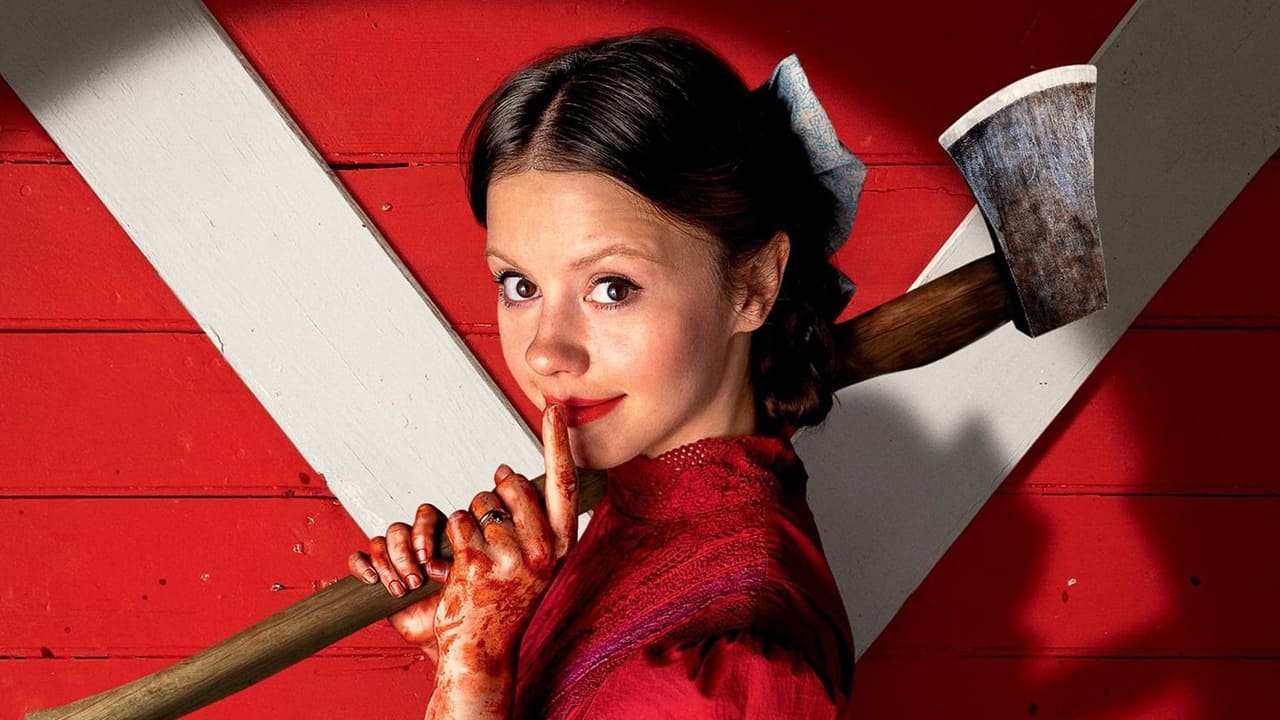
Pearl’s descent is catalyzed by the crushing repression of her mother, Ruth, played with terrifying, brittle steel by Tandi Wright. Their dinner table confrontation is the heart of the movie’s darkness. It’s not just about a "mean mom"; it’s about the generational cycle of stifled dreams. Ruth sees Pearl’s ambition as a sickness, a "weakness" for the glamour of the cinema. When Pearl meets the local Projectionist (David Corenswet), he represents the ultimate temptation: the world outside the farm, captured in flickering light. Corenswet plays the role with a smooth, slightly predatory charm that makes you realize Pearl isn't the only one with secrets, though his character quickly finds out that flirting with a ticking time bomb is a terrible career move.
The Aesthetics of Decay
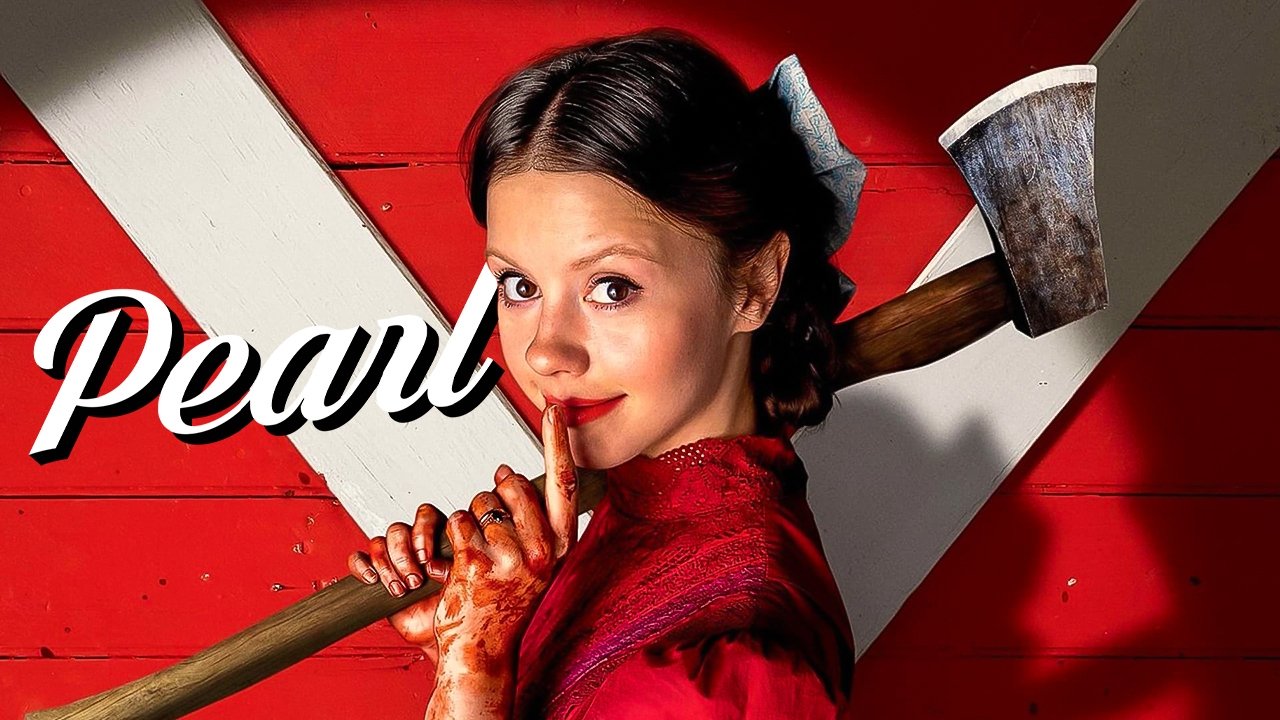
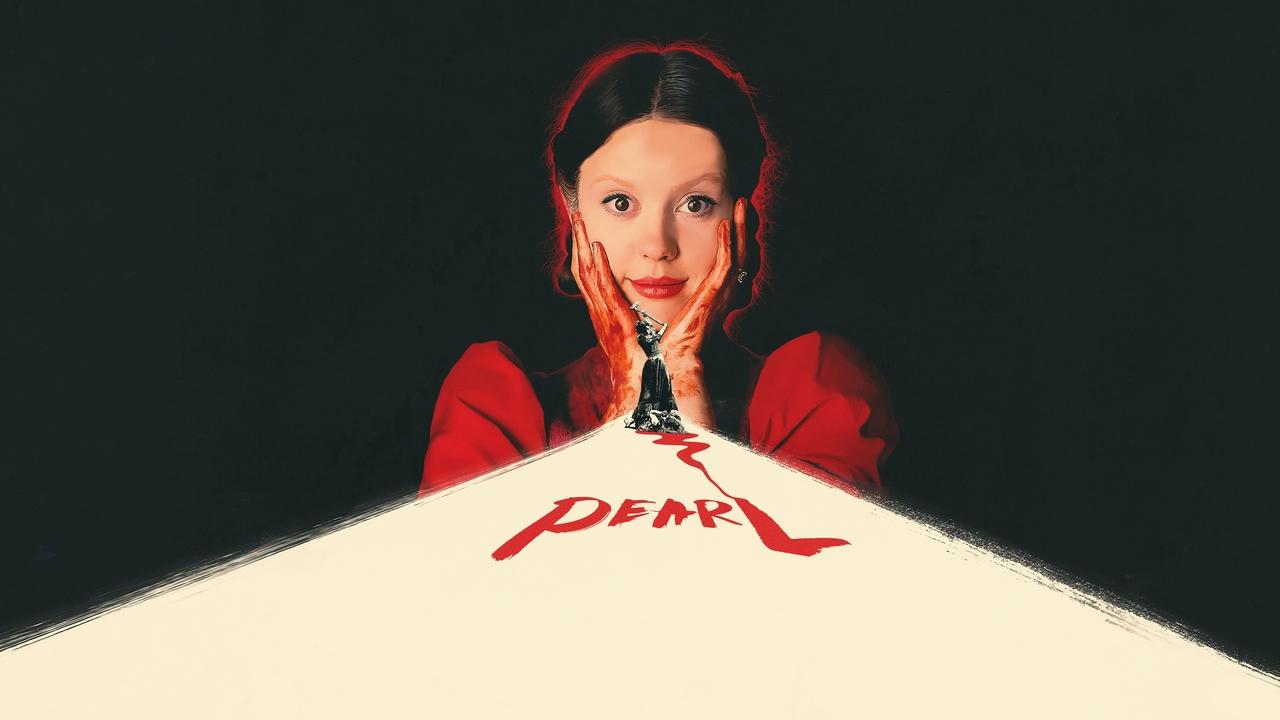
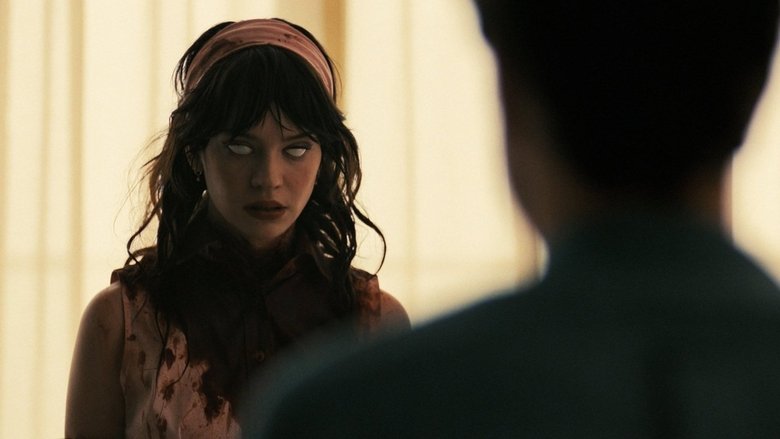
The visual language of Pearl is a brilliant lie. Eliot Rockett’s cinematography mimics the lush, vibrant palettes of the 1940s and 50s musicals—think The Wizard of Oz or Singin' in the Rain. The grass is too green, the blood is too red, and Pearl’s signature dress is a primary-color dream. This "Dark/Intense" treatment works because the beauty of the frame contrasts so violently with the ugliness of the actions. When Pearl finally snaps, the gore isn't played for cheap "slasher" thrills; it feels heavy, messy, and tragic.
The sound design and score by Tyler Bates and Tim Williams lean heavily into the orchestral swells of a bygone era. It tells you that Pearl sees her life as a grand epic, even as she’s scrubbing blood off the porch. The film’s centerpiece—a staggering, six-minute-long monologue delivered in a single, unbroken close-up—is one of the most intense sequences I’ve seen in contemporary cinema. You watch the mask slip, the tears fall, and the realization dawn that Pearl is her own greatest villain. It is uncomfortable, raw, and utterly captivating.
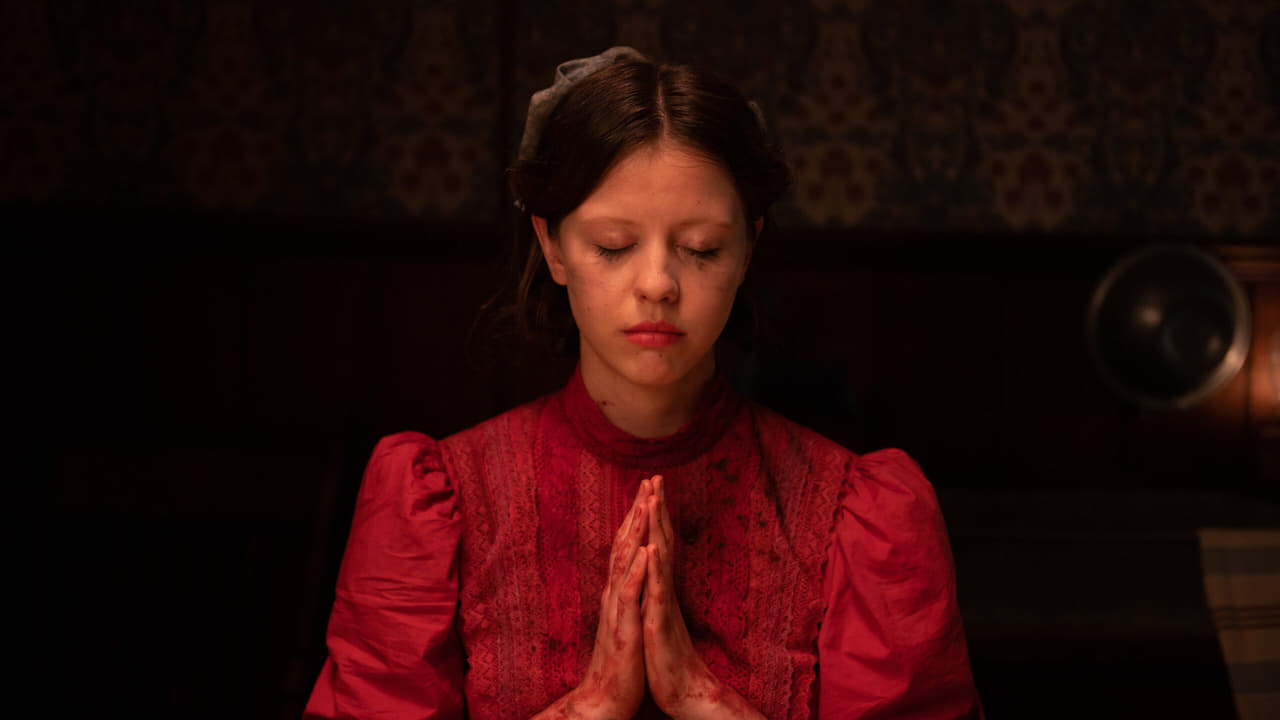
What makes Pearl resonate right now, in our social-media-saturated moment, is its commentary on the "need" to be famous. Pearl is the original influencer, desperate for a "like" from a world that doesn't know she exists. She doesn't just want to be a dancer; she wants to be the dancer. It’s a terrifyingly modern anxiety wrapped in a vintage, blood-soaked ribbon.
Pearl is a rare feat in modern horror—a film that values character psychology as much as it does its kill count. It proves that you don't need a hundred million dollars to create a cinematic spectacle; you just need a singular vision, a willing lead, and a terrifyingly sharp axe. It’s a gorgeous, grim, and deeply unsettling character study that will make you rethink ever telling someone they don't have "the X factor." Just be sure to watch the credits all the way through; that final, agonizingly long smile from Mia Goth will haunt your dreams for a week.