Pinocchio
"Lost in the gears of the remake machine."

There is a moment in Robert Zemeckis’s Pinocchio where the screen is filled with dozens of cuckoo clocks, each one a tiny, mechanical tribute to other Disney properties—Snow White, Dumbo, even Who Framed Roger Rabbit. As I sat there, I realized I wasn’t just watching a fairy tale; I was watching a frantic inventory check of a corporate basement. It’s a strangely claustrophobic opening for a movie that is supposed to be about the wide-eyed wonder of the world, and it sets a tone that the rest of the film struggles to shake off.
I watched this while trying to assemble a particularly stubborn IKEA "Billy" bookcase, and the irony of me struggling with wooden dowels and Allen keys while Tom Hanks sang to a pine puppet was almost too much to handle. But where my bookcase eventually stood firm, this 2022 reimagining feels like it’s missing a few essential screws. It’s a fascinating artifact of the early 2020s streaming gold rush—a massive budget, a legendary director, and an A-list star, all funneled into a project that seemed to evaporate from the collective consciousness the moment the credits rolled.
The Zemeckis Tech Obsession
Robert Zemeckis has always been a gearhead. From the revolutionary blend of live-action and toon-shading in Roger Rabbit to the mo-cap "uncanny valley" experimentation of The Polar Express (2004), he’s a man who loves a digital challenge. In Pinocchio, he employs "The Volume"—that massive wraparound LED screen technology popularized by The Mandalorian—to create a world that looks simultaneously hyper-real and entirely fake.
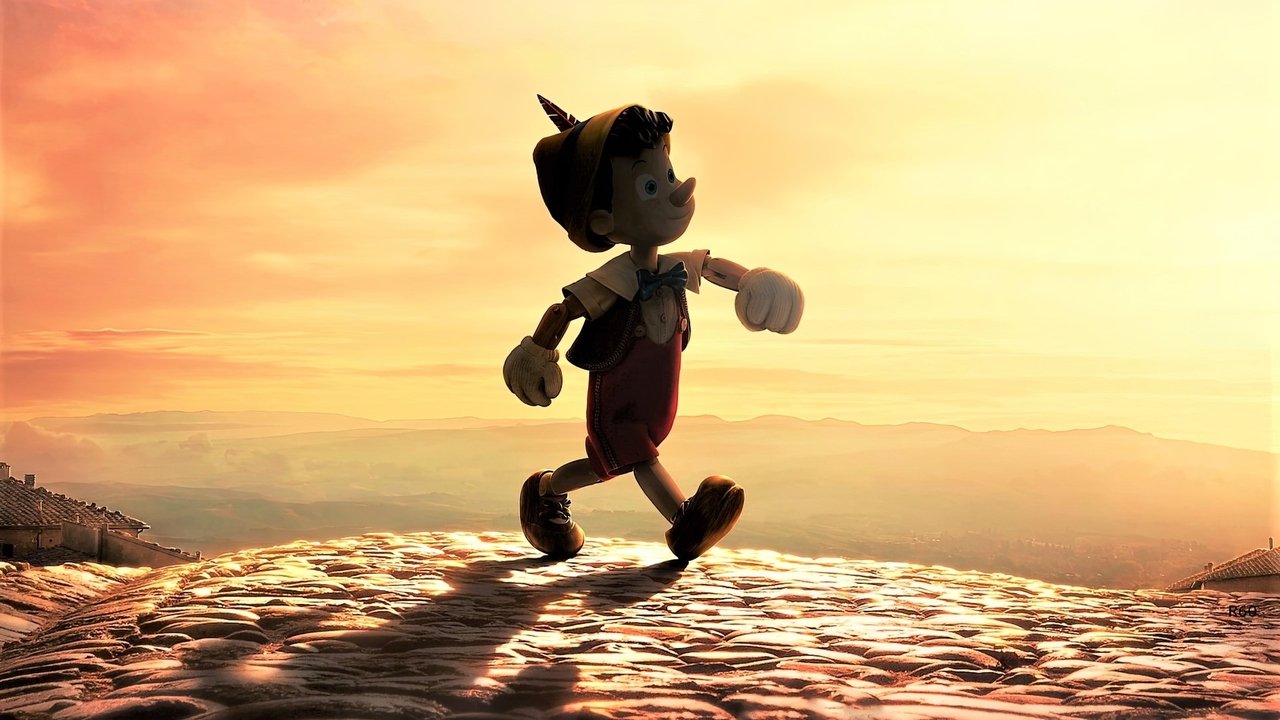
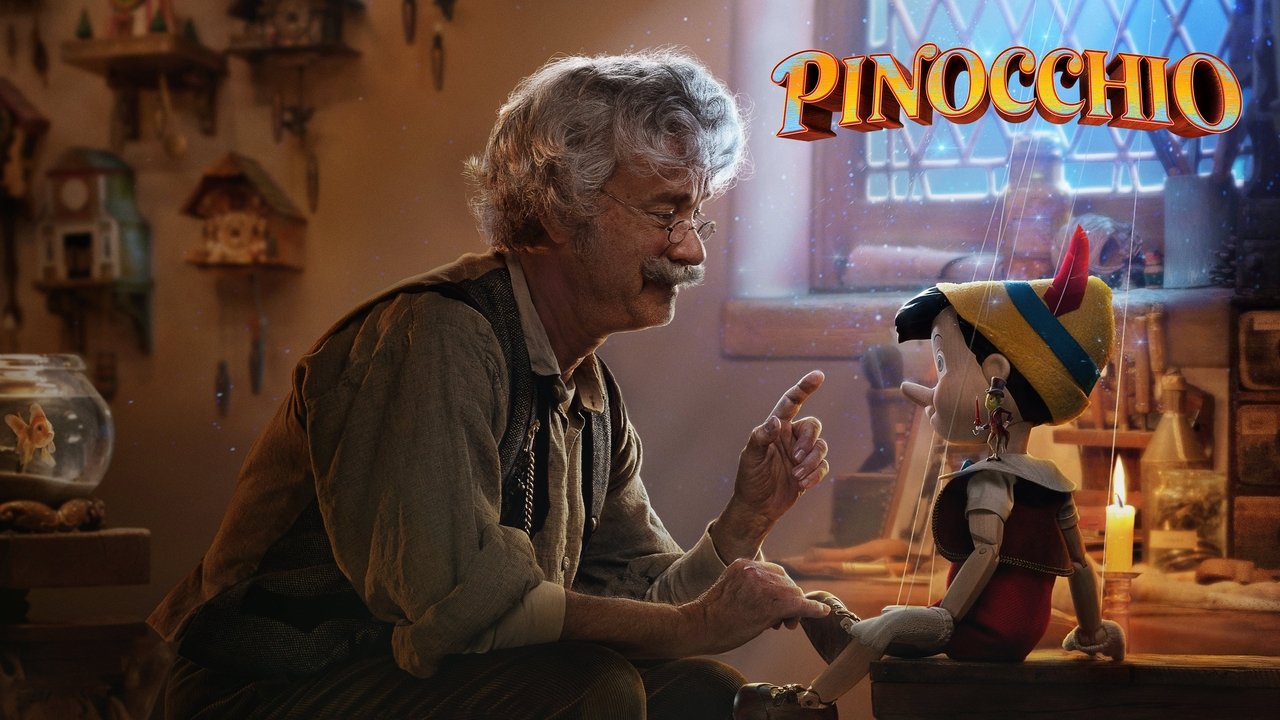
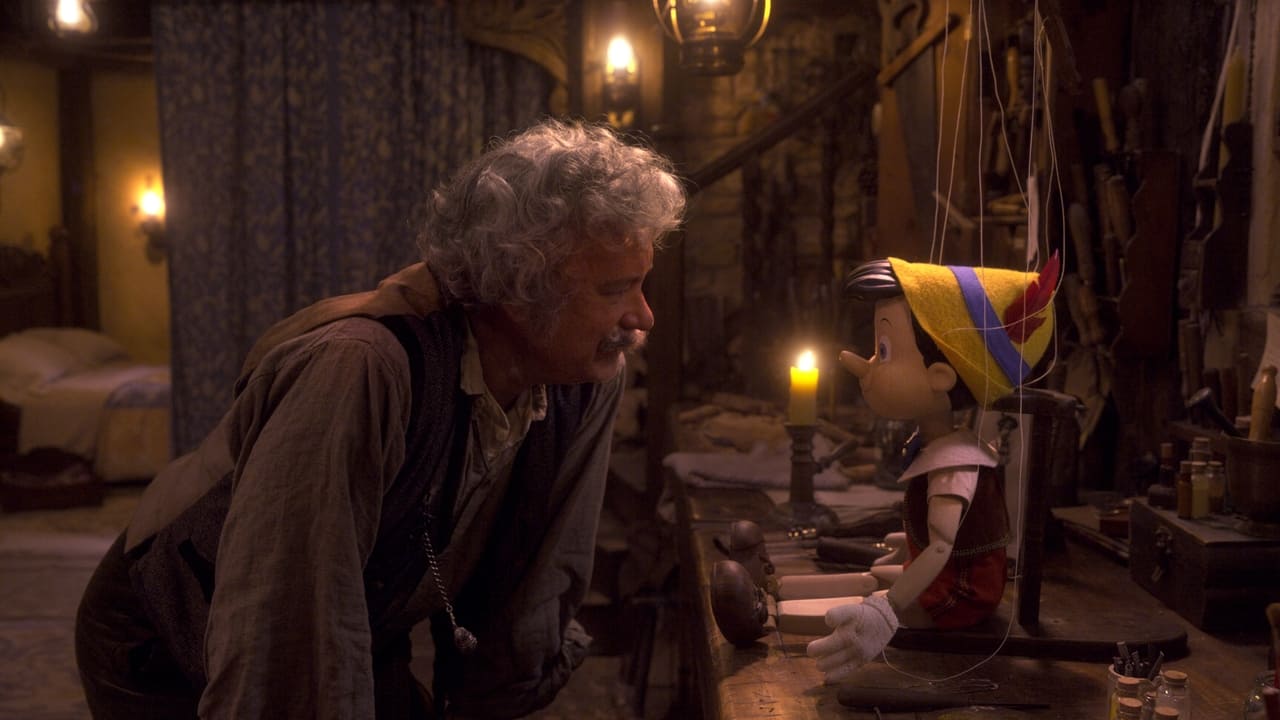
The puppet himself, voiced with earnest sweetness by Benjamin Evan Ainsworth, is a marvel of rendering. He looks like real wood; you can almost smell the varnish. Yet, there’s a persistent disconnect between the digital boy and the physical world he inhabits. When Tom Hanks, playing Geppetto with a sort of weary, "I’ve seen Cast Away levels of loneliness" energy, tries to hug him, the physics don't quite track. It’s the paradox of modern Disney: they have the technology to make a puppet look real, but they haven't figured out how to make him feel heavy.
Hanks is doing his best here, sporting a wig that looks like it was found in the trash behind a Renaissance Fair, but he’s often acting against nothing. It makes the adventure feel less like a journey and more like a high-end tech demo.
A Journey Through the Algorithm
The 1940 original is famously terrifying. It’s a film about the predatory nature of the world—the Fox and the Cat are literal human traffickers, and Pleasure Island is a nightmare of existential horror. The 2022 version tries to navigate these waters for a "contemporary audience," but it feels like it’s pulling its punches. The "donkey transformation" is still there, but it’s slicker, cleaner, and somehow less haunting.
The film introduces new characters, like the puppeteer Fabiana (Kyanne Lamaya), to add a layer of modern agency and representation that the original lacked. It’s a noble goal, but in the frantic pacing of a 105-minute streaming release, these additions feel like pit stops rather than world-building. Even the Blue Fairy, played with ethereal grace by Cynthia Erivo, is relegated to a single song and a puff of smoke. She delivers "When You Wish Upon a Star" beautifully, but then she’s gone, as if the production couldn't afford her daily rate for a second longer.
What’s truly wild is how the film treats its adventure. Adventure films usually breathe; they let the "discovery" sink in. Here, we sprint from the Fox to the Coachman to the Whale (now a multi-tentacled sea monster named Monstro) with the mechanical efficiency of a theme park ride. It’s adventure by checklist, designed for a generation of viewers who might be tempted to check their phones if a scene lasts longer than three minutes.
Why Did This Disappear?
It’s rare for a Robert Zemeckis film starring Tom Hanks to be considered "obscure," yet Pinocchio (2022) is the poster child for the "Streaming Void." Released directly to Disney+ on "Disney+ Day," it skipped the theatrical cycle entirely. Without the cultural anchor of a cinema run, it became just another tile in a digital library.
It also had the misfortune of being released in the same window as Guillermo del Toro’s Pinocchio over at Netflix. Where Del Toro’s version was a handcrafted, stop-motion labor of love about fascism and fatherhood, Zemeckis’s version felt like a corporate mandate. It’s the "Live-Action Remake" fatigue in a nutshell. We’ve seen the tale told better, darker, and with more heart. By the time Joseph Gordon-Levitt shows up as a very CGI Jiminy Cricket—sounding like he’s doing a polite impersonation of a 1940s radio announcer—you start to wonder who this movie was actually for.
Stuff You Might Have Missed
The Clock Cameos: If you pause the opening scene, you can spot the "Volume" tech being pushed to its limits. The clocks include references to The Lion King, Toy Story (Woody makes an appearance), and The Little Mermaid. It’s a deep-cut Easter egg hunt that almost distracts from the actual plot. The Hanks Connection: This marks the fourth collaboration between Tom Hanks and Robert Zemeckis (after Forrest Gump, Cast Away, and The Polar Express). It’s arguably their least impactful, proving that even the best partnerships can struggle when the "IP" takes precedence over the vision. The Volume: This was one of the largest-scale uses of virtual production for a feature film at the time, but the lighting often feels "flat," a common complaint with LED-wall filming that Zemeckis hasn't quite solved here. A Different Ending: Without spoiling the final frames, the movie makes a significant pivot from the 1940 ending regarding what it means to be a "real boy." It’s a very 2022 sentiment about self-acceptance, though it arguably undercuts the stakes of the entire journey.
Ultimately, Pinocchio is a movie that exists because the calendar demanded it. There are flashes of the old Zemeckis magic—the way the camera sweeps through the Italian village is genuinely lovely—but they are buried under the weight of a franchise that doesn't know how to evolve. It’s a shiny, expensive toy that looks great on a shelf but doesn't quite know how to play. If you’re a completionist for the Zemeckis/Hanks era, it’s worth a look for the technical ambition alone, but don't be surprised if you find yourself more interested in the cuckoo clocks than the boy.

Keep Exploring...
-
Roald Dahl's The Witches
2020
-
Olaf's Frozen Adventure
2017
-
Scooby-Doo! Return to Zombie Island
2019
-
Artemis Fowl
2020
-
Clifford the Big Red Dog
2021
-
The Addams Family 2
2021
-
Strange World
2022
-
Wish
2023
-

Hotel Transylvania: Transformania
2022
-
The Walk
2015
-

The Polar Express
2004
-
The Nutcracker and the Four Realms
2018
-

Welcome to Marwen
2018
-

Dumbo
2019
-
Dolittle
2020
-
Over the Moon
2020
-

The Christmas Chronicles: Part Two
2020
-
Kung Fu Panda 4
2024
-
Descendants 3
2019
-
Mary and The Witch's Flower
2017